Eastern Milk Snake

A barn off in the distance looked like it would be good snake habitat. Snakes like clearings in the woods, where they can bask in the sun. They also like hiding under man-made objects like metal or wood that may be lying in the ground.
eastern20milk20snake20047

It turned out that the spot had a few Eastern Milk Snakes. Milk snakes get their name because “back in the day” they would often be seen hanging around barns. When farmers had low milk production from their cows, they accused the snakes of drinking milk right from the cows’ udders!

milk 128

This of course is silly, but the name stuck. Snakes like barns because one of their favorite foods, rodents, can also be found in and around them.
2013_08_29 079b

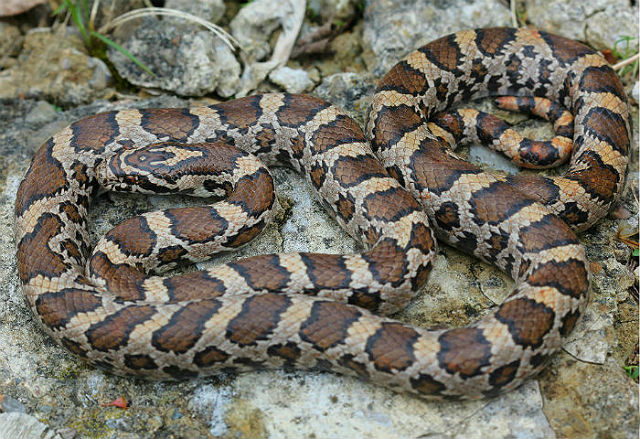
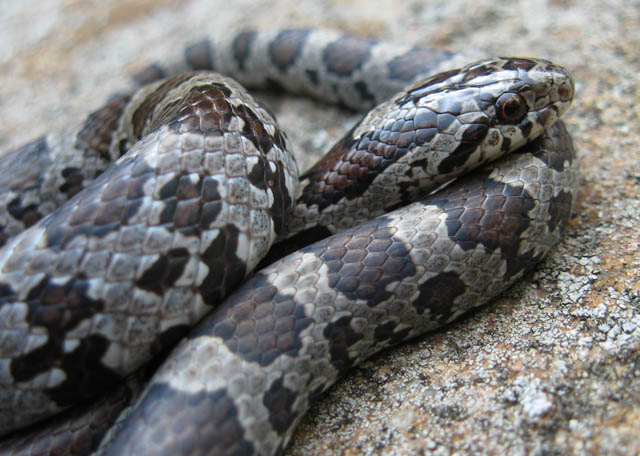
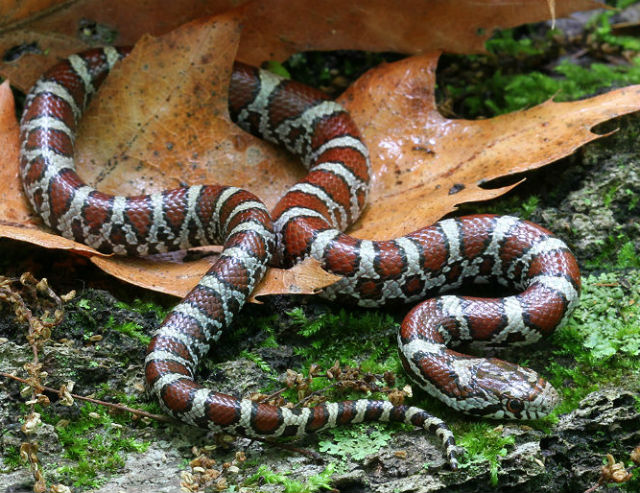
There are 25 subspecies of milk snakes, and the eastern is one of only a few which does not have red, yellow and black bands resembling a Coral Snake. These snakes have a light colored v-shaped or y-shaped patch on their neck and a checkered belly.
emilk_1874_zps51c786ef

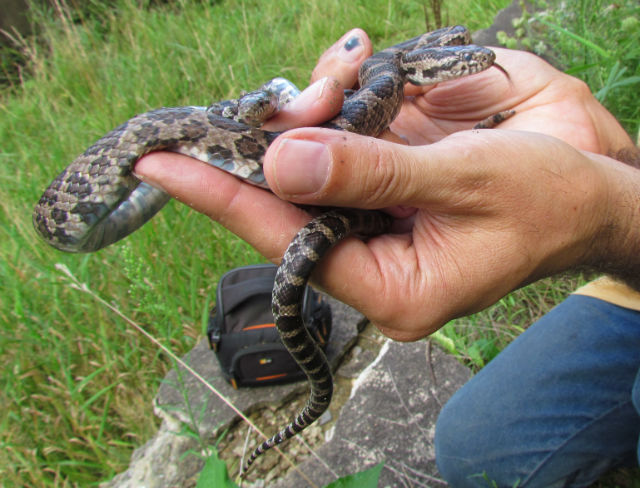
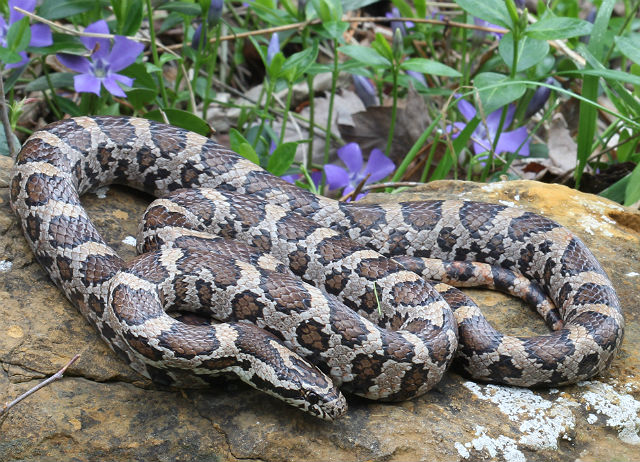
Although adults usually have brown blotches on a tan background; young Eastern Milks have maroon blotches on a gray background – over time the colors change.
milk 124

The Eastern Milk Snake is one of our only constricting snakes in Northeast Ohio. In addition to eating rodents, it also eats other snakes.
milk 138

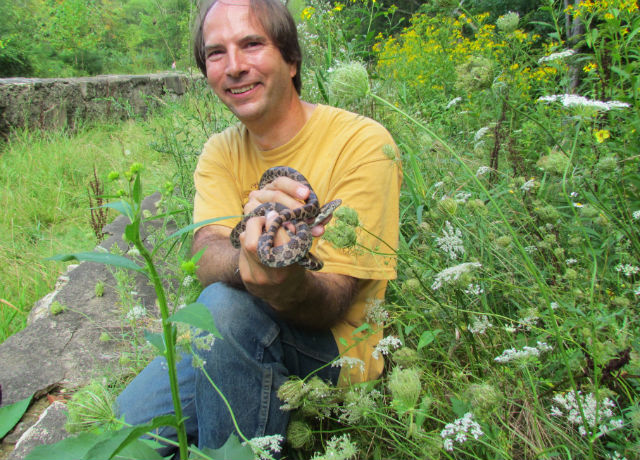
This snake can be encountered throughout Ohio in a variety of habitats, including woods, meadows, and river bottoms and even within cities, where they occasionally enter buildings in search of mice.
2013_08_29 093b

Third Eye Herp
E-mail

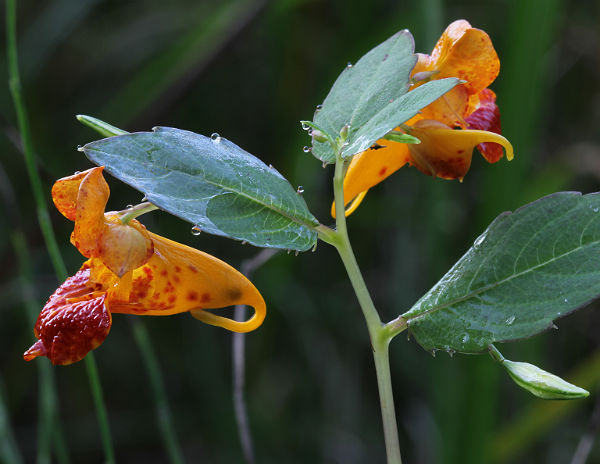
Spotted Touch-me-not

This plant and its yellow-flowered relative are also known as Jewelweed, because water droplets on its leaves shine like tiny jewels. It favors wet areas where the ground retains moisture.

Touch-me-not’s stem is nearly translucent and contains a sap that can be used to soothe the effects of Poison Ivy and Stinging Nettle. Its ripe, long banana-shaped seed pods explode when touched, expelling its seeds in all directions. This characteristic, along with the dark spots on its flowers, give the Spotted Touch-me-not its common name.

15 jewelweed_09_29 113

This flower is an important nectar plant for hummingbirds. If you scrape off the dark brown covering of ripe seeds, a sky blue seed awaits underneath.

Third Eye Herp
E-mail

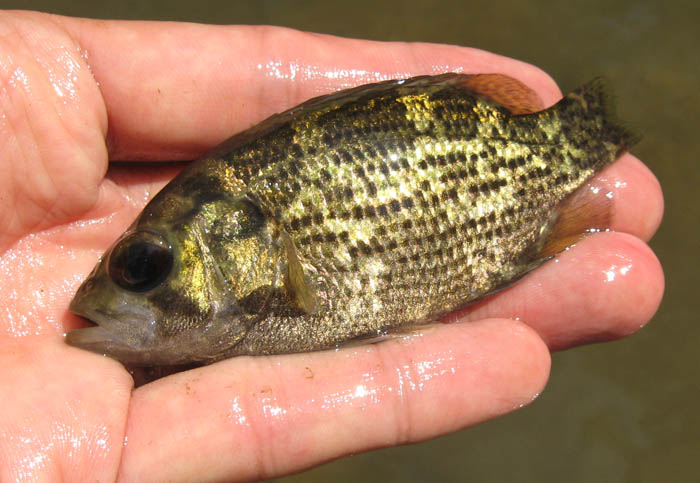
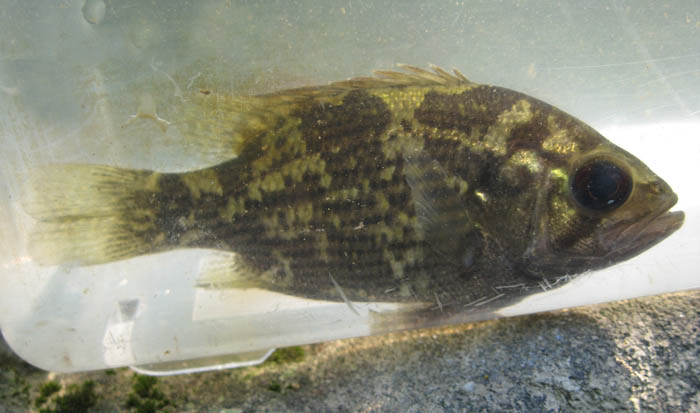
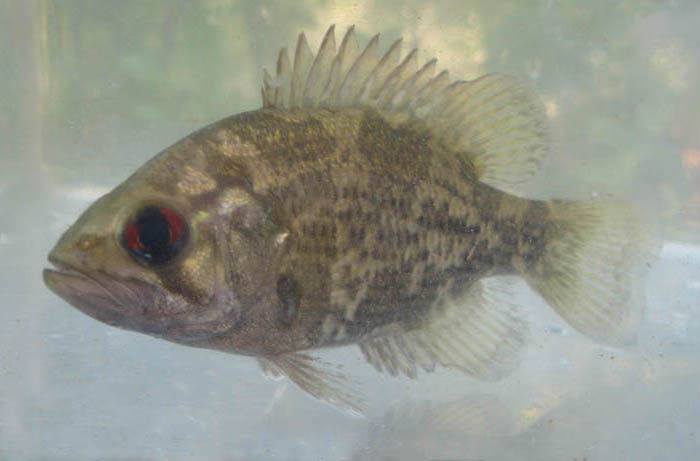
Rock Bass

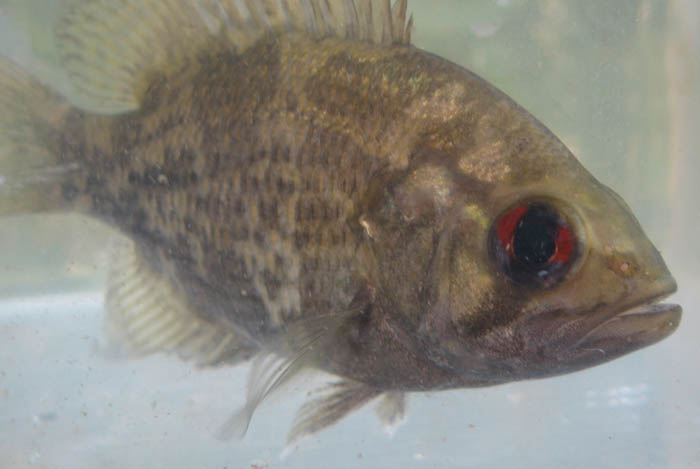
Today I caught this very cool fish. A Rock Bass can change from light to dark colored (and back again) very quickly to blend in with their surroundings. It has a very large mouth and red eyes. Rock Bass have a dark “teardrop” under each eye.

As their names implies, Rock Bass prefer clear streams and rivers with a rocky bottom. They often hide near large boulders, rock piles, or tree roots.

Male Rock Bass build nests in gravel, often next to a large boulder. Females then deposit up to 10,000 eggs in a nest, often with more than one female using the same nest. Males remain over the nest to fan the eggs and maintain water flow over the eggs until they hatch in three to four days.

Rock Bass do not get as large as other Ohio bass, they are usually 8 or 9 inches.

Third Eye Herp
E-mail

Chinese Mantis

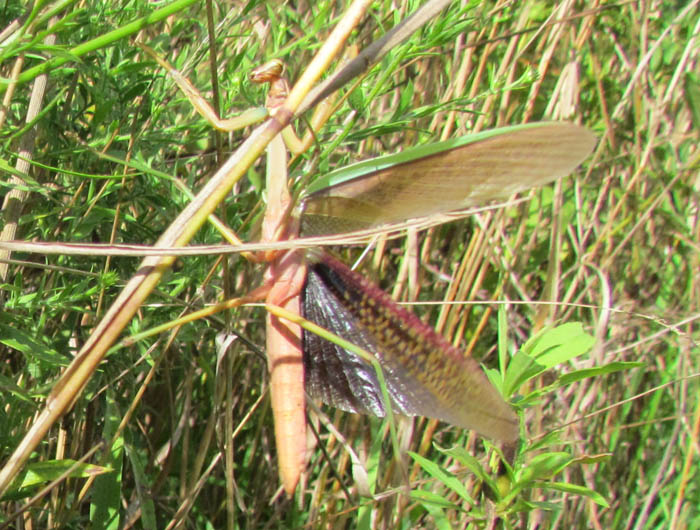
While walking through this field, a large flying insect attracted my attention as it soared by. I noted its landing spot and decided to check it out.

The “Praying Mantis” is truly a remarkable creature with a striking appearance and curious habits. Its name comes from the way it holds its front legs up the front of the body as if it were praying.

They grab and hold onto their food (mainly other insects) with their front legs, which are pointy to provide a good grip. They blend in well with their surroundings, allowing them to ambush unsuspecting bugs. Mantids commonly remain quiet in one place until another insect comes within reach.

One of the most unusual characteristics of the mantis is that it’s an “auditory Cyclops” – it is the only animal known to listen to its world through one ear. The ability of mantids to cock their heads from side to side is unique among insects; it is the only insect that can look over its shoulder.

First introduced into the United States in 1896; Chinese Mantis are native to China. Nurseries and garden centers sometimes sell their egg cases and as a result, they have a wide distribution in the United States. The Chinese Mantis is most commonly seen in late September and early October either resting on plants or fluttering through the air.

Third Eye Herp
E-mail

Pickerel Frog

Walking along this creek and flipping rocks around the edges revealed several Pickerel Frogs.

Pickerel Frog 007

These amphibians are usually tan with rectangular spots, which are oriented in two columns down its back. A prominent white line outlines the upper jaw.

Pickerel Frog 004

In case of attack, Pickerel Frogs have an interesting defense mechanism: they emit skin secretions which are irritating to people and toxic to some predators. This toxicity makes the Pickerel Frog the only poisonous frog native to the United States. Because of this, most snakes and mammals will leave Pickerel Frogs alone.

Pickerel Frog 003

Although these frogs are often found in aquatic environments, their toes are unwebbed. Pickerel Frogs are most often seen along the edges of streams or flooded ditches, but they can also be found in caves and sometimes along roadsides.

Pickerel Frog 010

Its call sounds like a quiet, long drawn-out snore.

Third Eye Herp
E-mail

Joe-Pye Weed

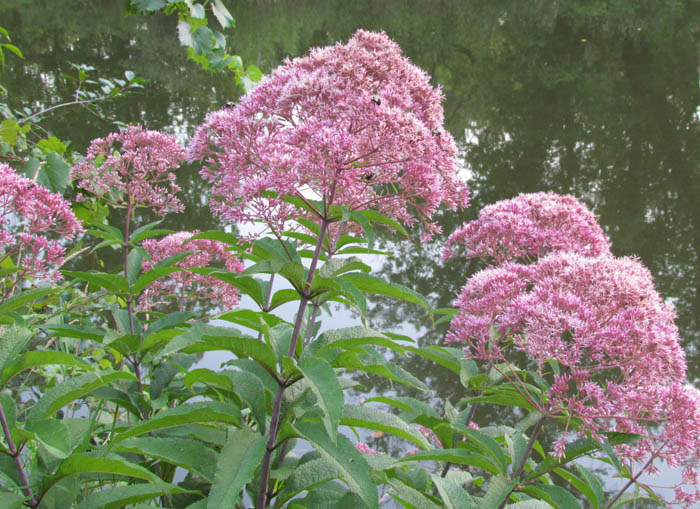
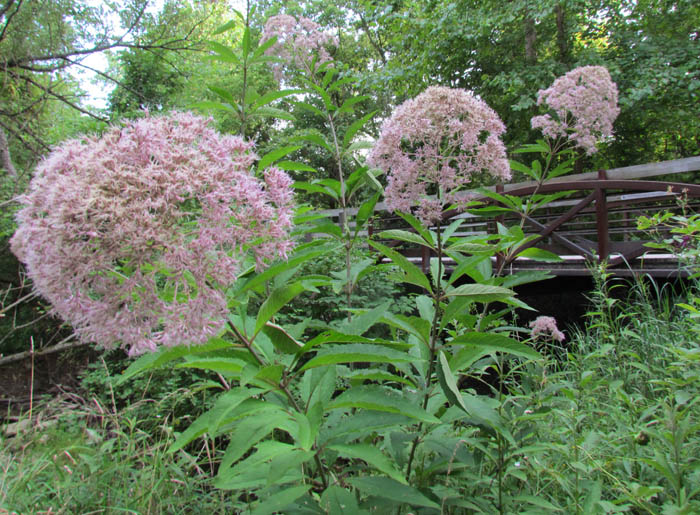
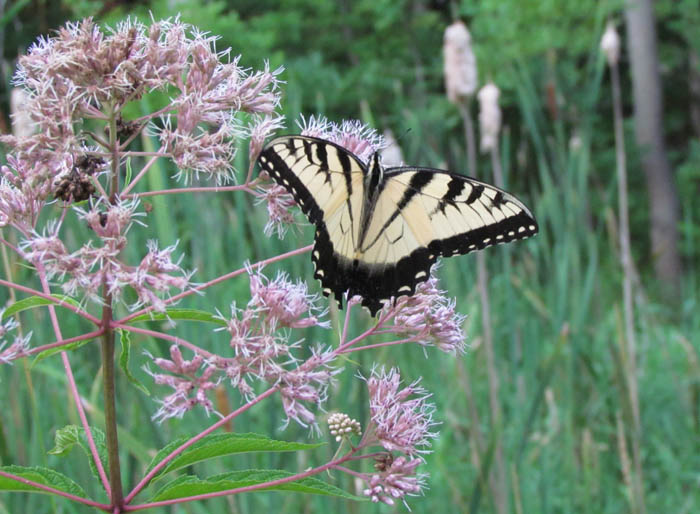
Walking along virtually any waterway in late Summer, you have a very good chance of seeing this flower. Joe-Pye Weed is an amazing plant that is an herb, a wildflower, a butterfly plant and an ornamental for the flower bed. It obtained its name because a Native American herbalist, named Joe Pye, used it to cure fevers.

Though we tend to think of it as a wildflower in the United States, it’s long been an ornamental plant in England where cottage gardens are popular. Joe-Pye Weed is a “weed” only in the sense that it is a wild plant (in North America). “Wildflower” would be a better name for a plant with such an attractive flower and imposing presence (up to 10 feet tall).

There are several species of this plant in Ohio and it can be hard to identify the exact type. Many insects are attracted to the nectar of Joe-Pye Weed, including bees and butterflies. The seeds of this plant are eaten by White-footed Mice, ducks and Wild Turkey.

Third Eye Herp
E-mail

Black and Yellow Garden Spider

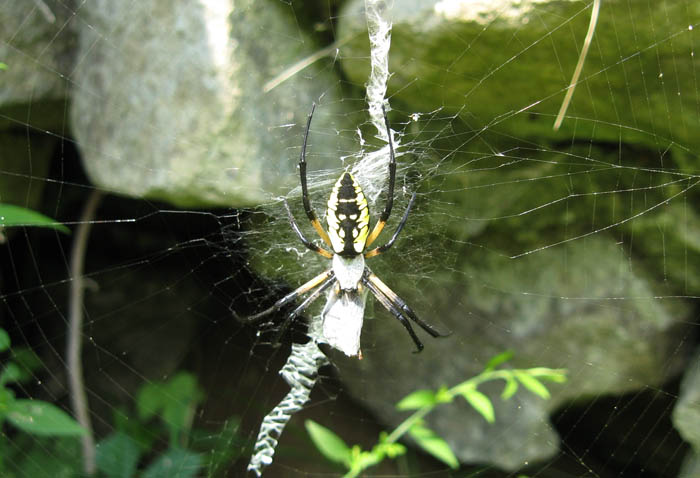
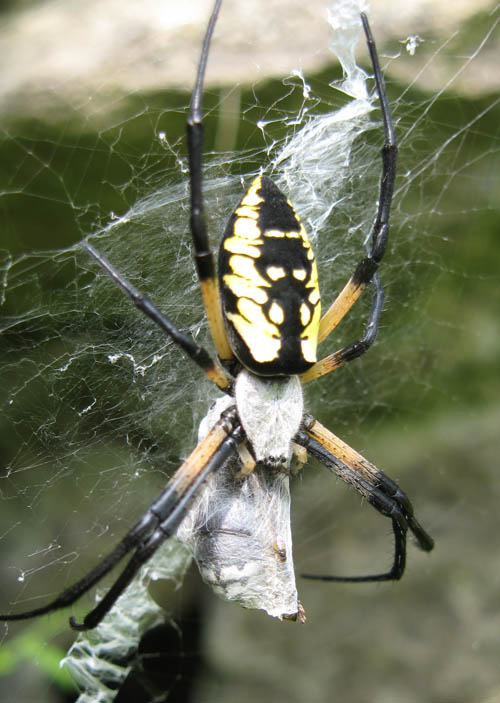
Around here the largest spider you’re likely to come across is this one. Many people are freaked out by it’s size and bold coloration, especially when they encounter one unexpectedly.

Its web is a distinctive circular shape up to two feet in diameter, with a dense zigzag of silk, known as a stabilimentum, in the center. The purpose of the stabilimentum is disputed. It is possible that it acts as camouflage for the spider lurking in the web’s center, but it may also warn birds of the presence of the otherwise difficult-to-see web.

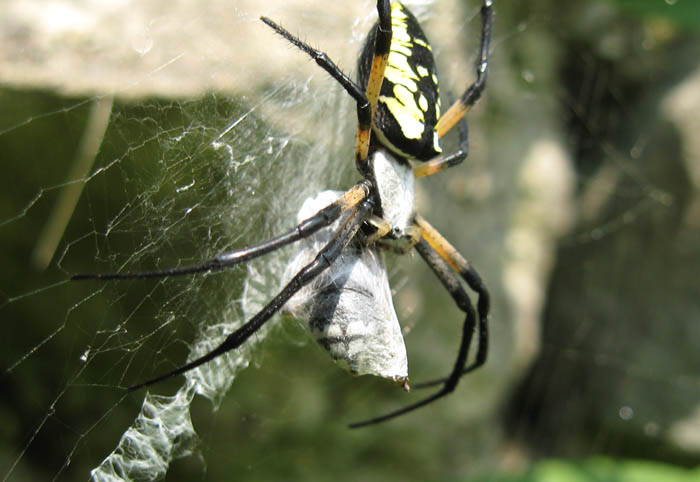
In a nightly ritual, the spider consumes the circular interior part of the web and then rebuilds it each morning with fresh new silk. This spider, found on the Erie Canal towpath, has caught a hornet.

As is true in many spider species, females of this species grow to much larger size than males. Black and Yellow Garden Spiders are harmless to humans. Because they are large, many people fear them; however, not only are they harmless, but they are beneficial because they eat a lot of insects.

Third Eye Herp
E-mail

Labor Day Weekend Albino Nelson’s

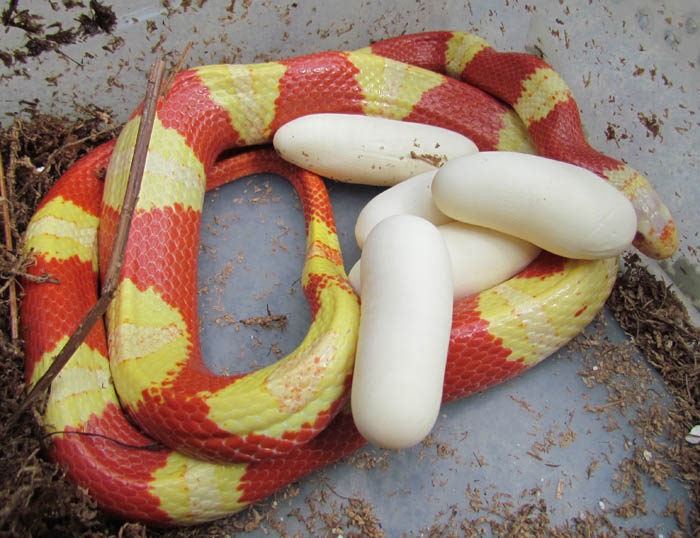
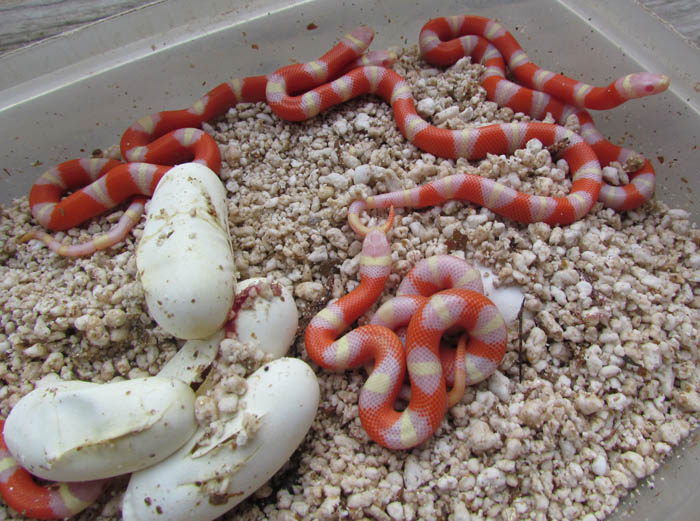
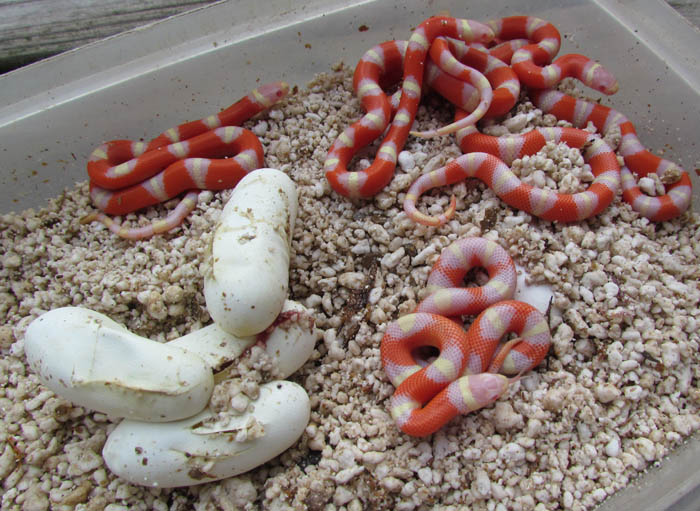
Way back on June 25 of this year, one of my Albino Nelson’s Milk Snakes had a clutch of six eggs. Here she is with five eggs out and one more to go.

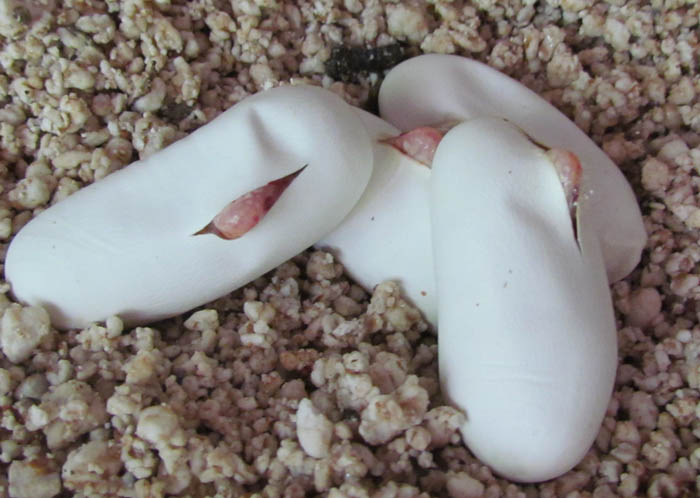
On Saturday some of the babies started breaking through their eggshells. Baby snakes tend to stay in their eggs for a couple of days after cutting through their shells.

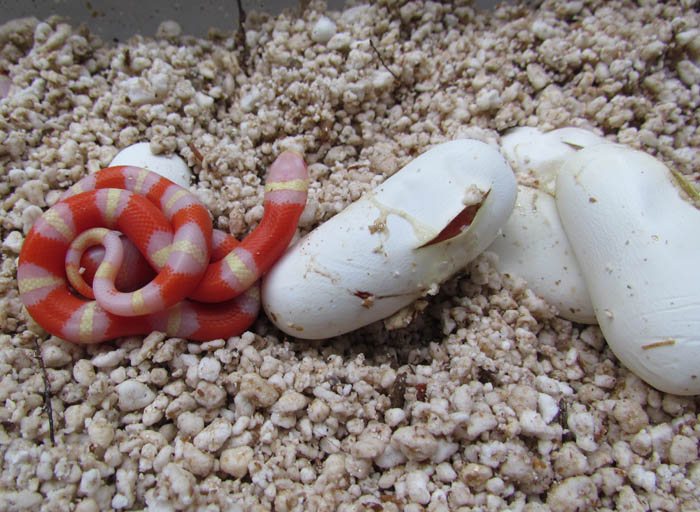
Yesterday the first one came out.

Then one of its siblings decided to do the same.

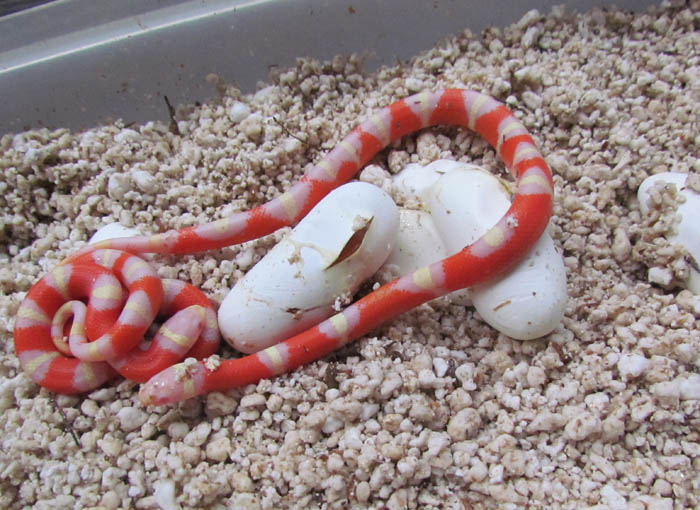
And today the scene looked something like this.

Not a bad way to celebrate the holiday weekend!

Third Eye Herp
E-mail

White-footed Mouse

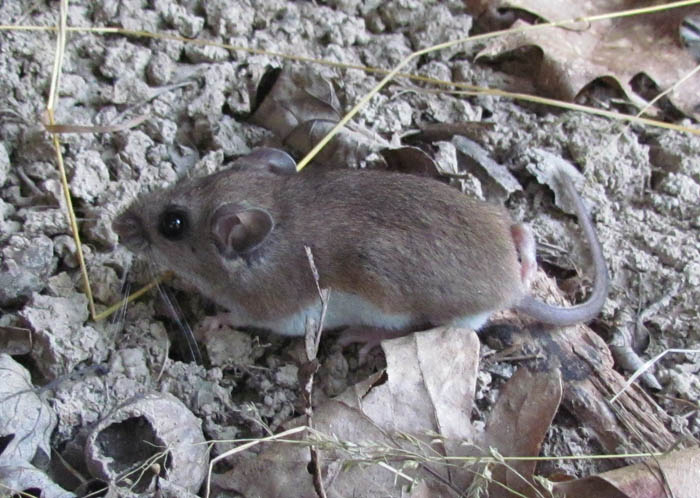
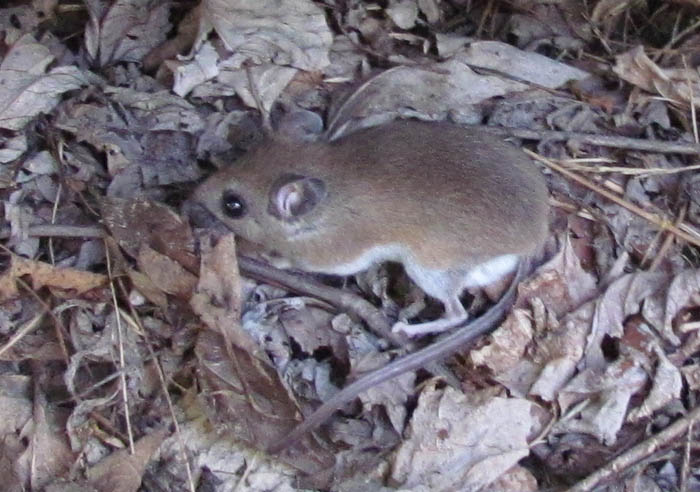
While looking for snakes today, I came across this rodent. White-footed Mice live in a variety of habitats, but are most often found in woody or brushy areas. They are a common rodent in mixed forests and edges of agricultural fields in the United States.

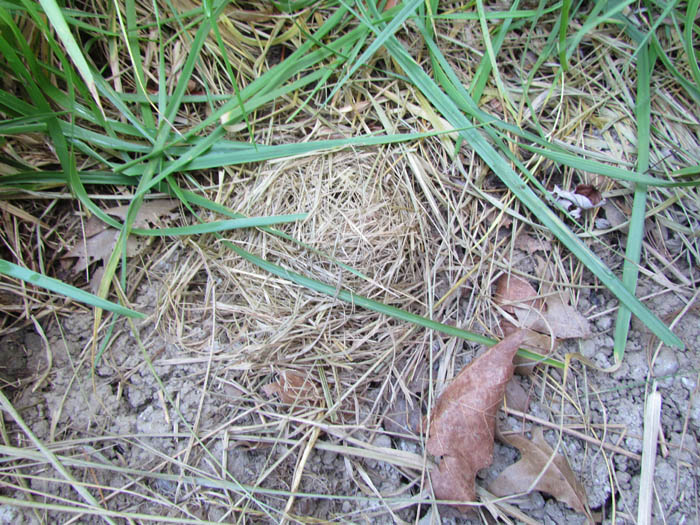
They build nests anywhere it is warm and dry, such as in hollow trees, old bird nests or on the ground underneath some sort of cover.  White-footed Mice feed mostly on seeds, nuts, fungi, and insects.

When alarmed, these mice drum their feet rapidly. They will also sometimes drum their front feet on a hollow reed to make a musical buzzing noise, though we don’t know why.

In comparison to House Mice, White-footed Mice have larger eyes and ears. They are considered by most people to be more “attractive” than House Mice.
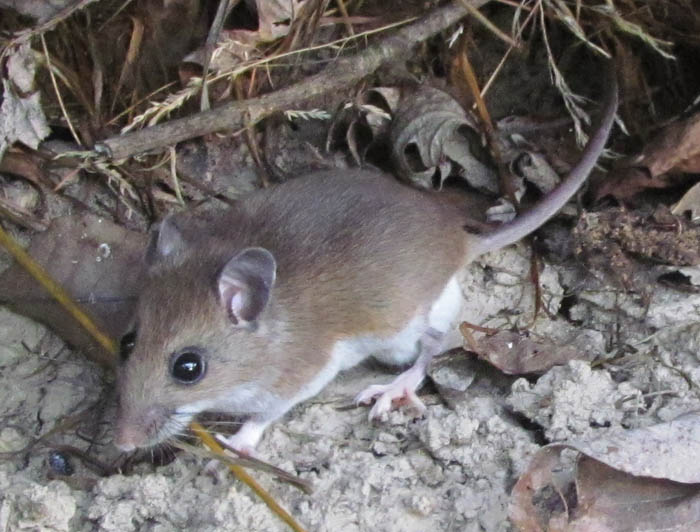
White-footed Mice are good swimmers and excellent climbers. They often climb shrubs and trees looking for food. Their tails give them good balance.

Third Eye Herp
E-mail

Sweetgum: My Favorite Tree

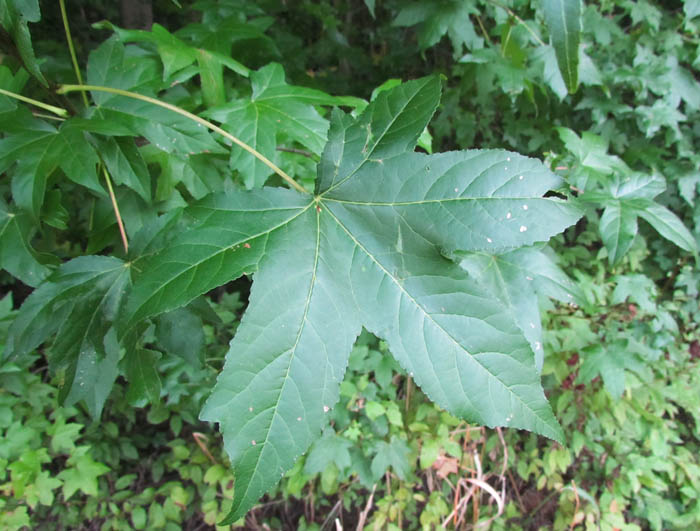
The star-shaped leaves make for easy identification of this tree. It is often planted as a shade tree and for its bright red fall colors. Sweetgums are aromatic, meaning they have a pleasant smell. You can crush a leaf to get a good sense of this.
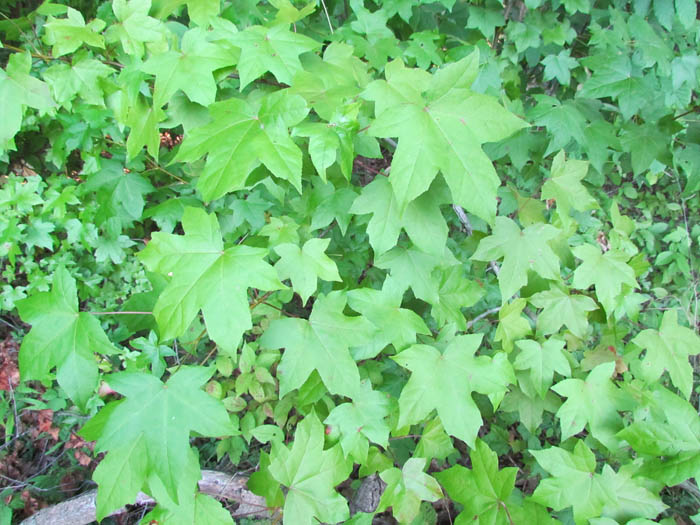
Oak trees are the only other tree that surpass the Sweetgum in commercial value – its dark reddish-brown hard, heavy wood is used for barrels, flooring, plywood and furniture veneer. Sweetgums often grow with other trees, like maples, oaks, pines and elms.

Sweetgum has woody, spiny, ball-like fruit that is still immature when green, though later in the year, when it turns brown, it opens and releases seeds, which are eaten by birds and animals. I have several of these trees planted at my place of work and some of them are carrying fruit.

But perhaps the most famous use of this tree is that pioneers once peeled the bark and scraped the resin-like solid to produce chewing gum. The resin has also been used medicinally as well as for soaps and adhesives.

It’s genus name is Liquidambar. While in high school and learning tree identification, my teacher told me that its a easy genus to remember, because “You get liquid at the damn bar.” What more can you ask for in a tree?

Third Eye Herp
E-mail