Eastern Fence Lizard

Eastern Fence Lizard_6233

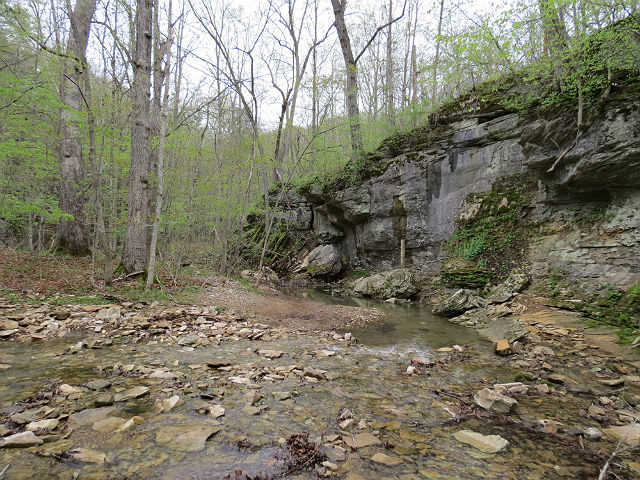
This very cool reptile is the only non-skink native to my home state of Ohio. Although I have encountered them in the Buckeye State, they are much easier to find further south. I saw a few on my recent trip to Carter Caves, Kentucky.
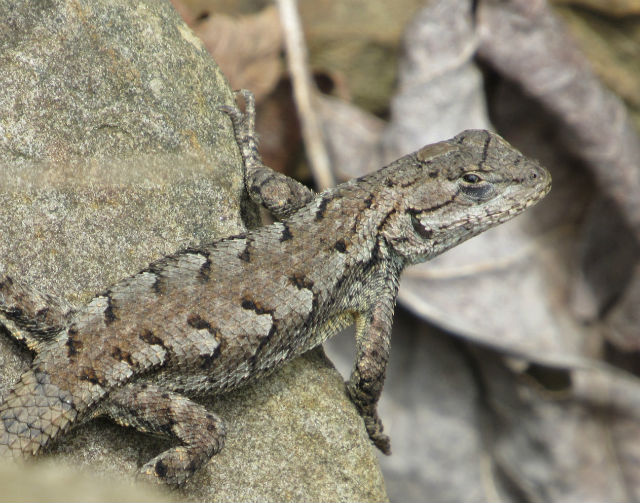
Eastern Fence Lizard_6370

The Eastern Fence Lizard often uses trees as a way to evade capture and like a squirrel, staying on the opposite side of the tree that its pursuer is on.

Eastern Fence Lizard_6376

It found in much of the eastern United States and is somewhat general in its habitat, being found along forest edges (especially on hiking trails or where a field meets woodlands), rock piles, logs, grasslands, stumps and of course wooden fences.
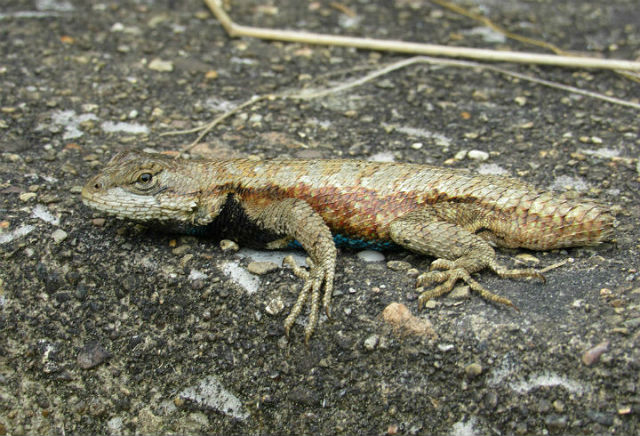
Eastern Fence Lizard_6403

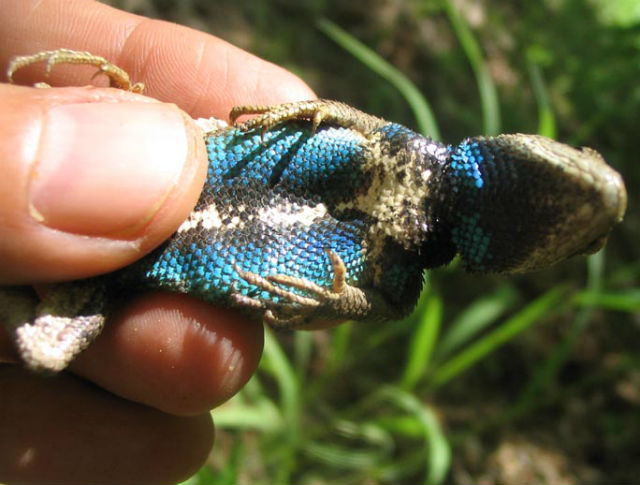
Eastern Fence Lizards belong to a family known as Spiny Lizards and have rough, pointed scales on their backs. Though they are generally earthtone in color, females have patterns of black bands on their backs, while males have patches of blue on their bellies and throats.
Eastern Fence Lizard_6237

Males ward off other males from their territories with displays of head-bobbing and push-ups; they will also flash the blue scales on their underbellies.

Eastern Fence Lizard_8988

Their main food is insects and other invertebrates. Within the past 70 years, Eastern Fence Lizards have evolved in parts of their range to have longer legs and new behaviors to escape non-native Fire Ants, which are capable of killing and eating reptiles.
Third Eye Herp
E-mail

Wild Blue Phlox

Wild Blue Phlox_0433

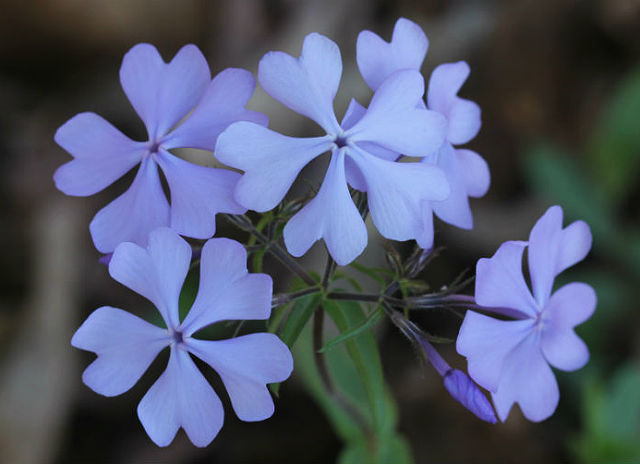
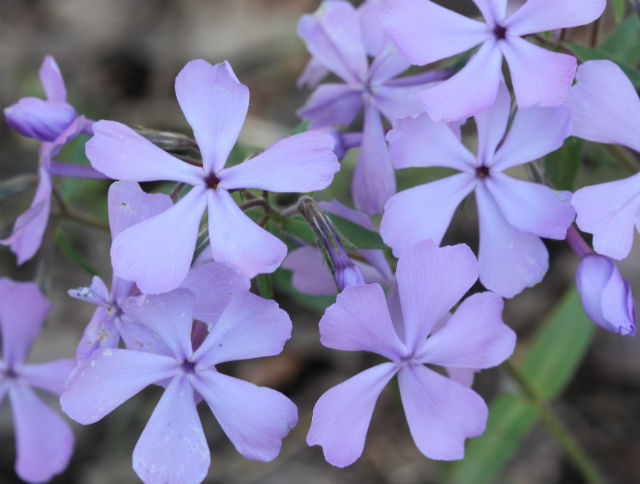
This species of flowering plant is native to forests and fields in eastern North America. I expect to see it in my home state of Ohio in a few weeks, but for now am enjoying it on my visit to Carter Caves, Kentucky.

Wild Blue Phlox_9557

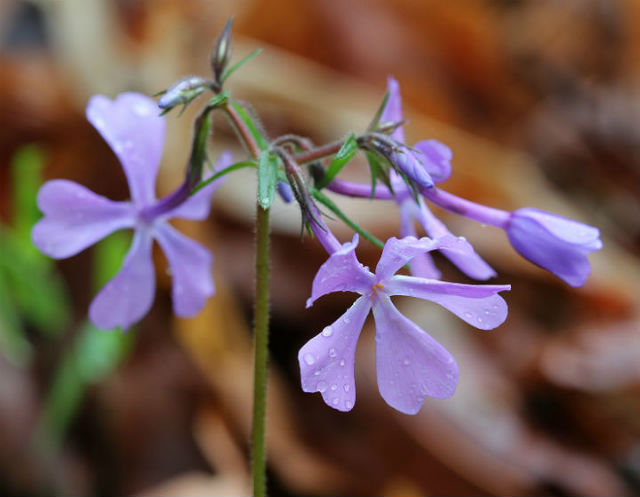
Wild Blue Phlox is a woodland species that resides in forests, fields and along streams. It has loose clusters of slightly fragrant, tubular, lilac-to-rose-to-blue flowers with five, flat, notched, petal-like lobes that appear at the stem tips in Spring.

Wild Blue Phlox_9550

Its blooms attract butterflies (Swallowtails, Grey Hairstreaks and Pygmy Blues), clearwing moths and hummingbirds.

Wild Blue Phlox_0404

This plant can form large colonies as the weak stems flop over and root at the nodes. It then disappears in mid-summer after flowering dropping seeds.

Wild Blue Phlox_9414

The genus name, Phlox, is derived from the Greek word for flame in reference to its bright flowers. This plant is also known as Woodland Phlox and Wild Sweet William.

Third Eye Herp
E-mail

Cave Orb Weaver

Cascade Cave_0535

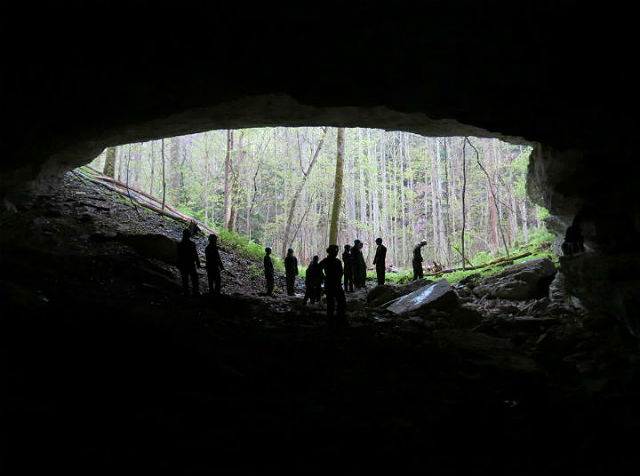
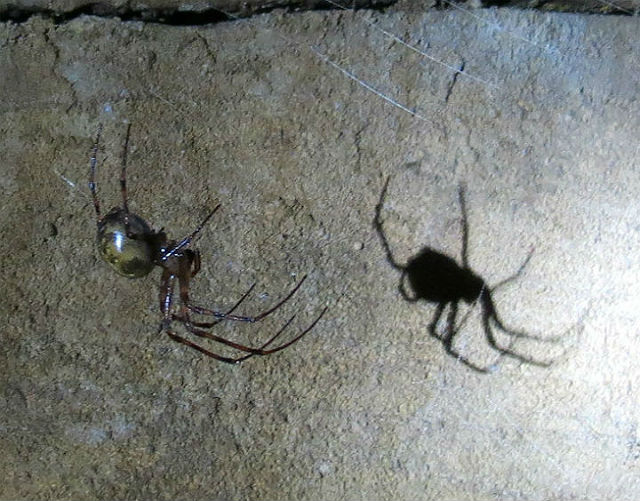
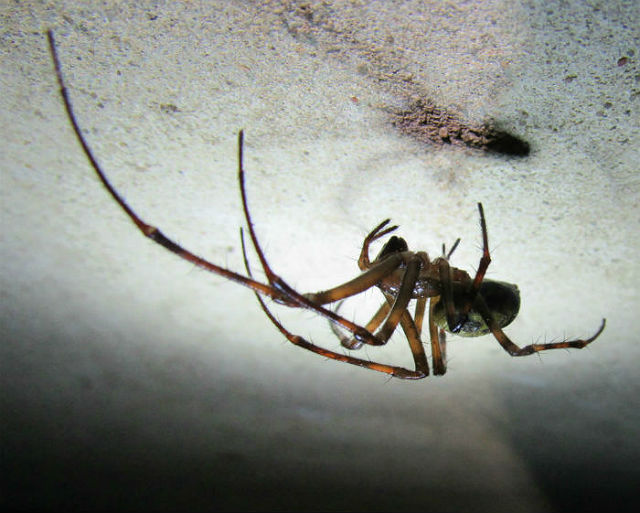
While visiting Carter Caves, Kentucky I frequently encounter this creature in the caverns. This species is found mainly in caves in the eastern United States and southeastern Canada. Spiders are adaptable creatures and man-made habitats such as cellars can also serve as habitat for these eight-legged beings.

Cave Orb Weaver_3524

Cave Orb Weavers belong to the family Tetragnathidae – commonly called Long-jawed Orb Weavers – but they lack the huge, serrated jaws and elongated bodies and legs that characterize their nearest relatives. As with many spiders, the males this species are considerably smaller than the females.
Cave Orb Weaver_3430

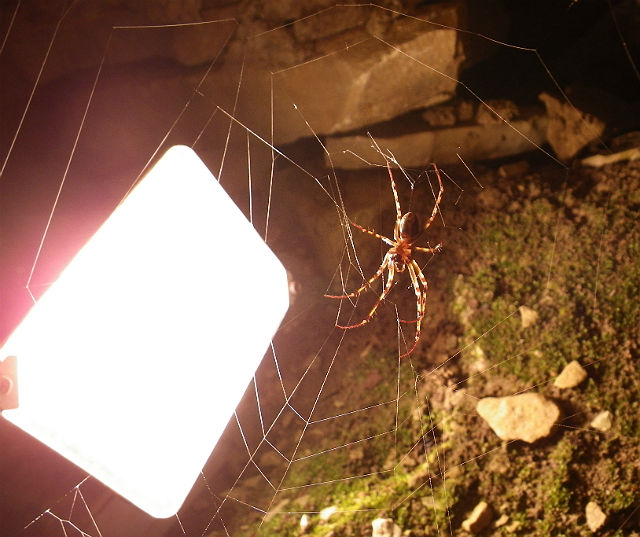
Life in a cave has some obvious and distinct differences from the environment surrounding it, such as constant darkness, cool temperatures and limited resources. One way the Cave Orb Weavers deal with this is to build their webs by the lights installed in the cave systems. This attracts insects, provides light and creates warmth.

Cave Orb Weaver 121

Rather than residing in the dark depths of caves, Cave Orb Weavers tend to build their webs in near the entrances and in the “twilight zones” of caves. They often sit on the edge of their web, rather than resting in the center. Cave life is a poorly studied topic, and there is still much to learn about these mysterious arachnids.

Third Eye Herp
E-mail

Tri-colored Bat

01 Tunnel_6586

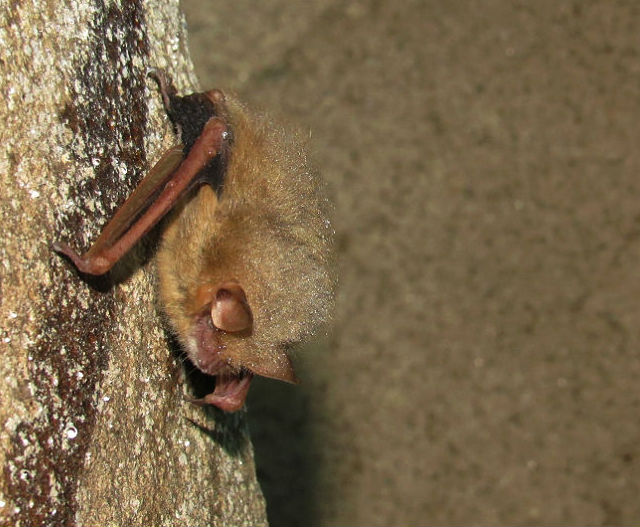
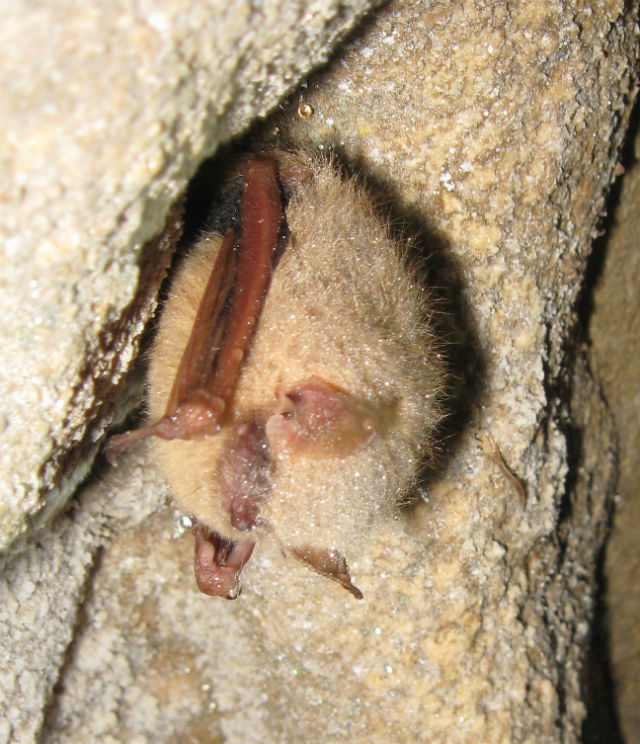
When exploring Carter Caves, Kentucky, we came across a few examples of one of the smallest bats in the land; it can easily be mistaken for a large moth in flight.

Tri-color Bat_3379

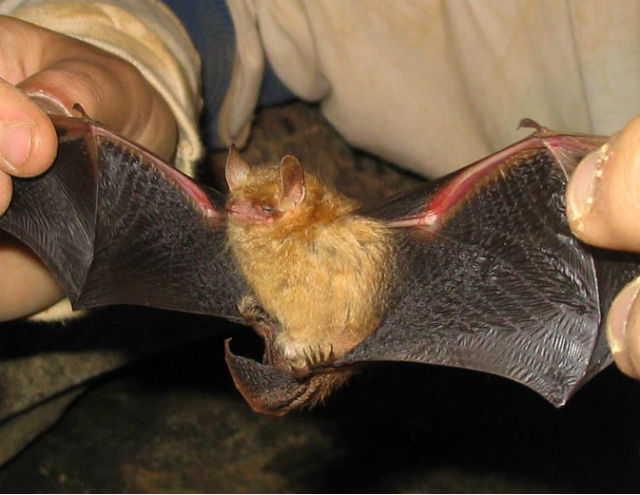
The Tri-colored Bat’s forearms are pinkish and its wing membrane is black. Its ears are longer than they are wide. With a weight of about one fifth of an ounce, it is roughly the same heaviness as a quarter.

Tri-color Bat 2

They prefer to live in open forest areas that are near a source of water in the Summer. Tri-colored Bats are among the first bats to emerge in the evening and can been seen flying about foraging for insects. Because of their small size, they are limited to small prey less than half an inch in length. One study recorded a Tri-colored Bat catching an insect every two seconds.

Tri-color Bat_3607

This mammal is classified as a cave-dwelling bat. In the Winter, it can be found in caves, mines, and rock crevices. While they are known for keeping down mosquito populations, Tri-colored Bats also have important agricultural value, since they also eat grain moths and beetles emerging from corn cribs.

Tri-color Bat 029

I don’t get to see bats “up close and personal” all that often, so encountering one of them is a great part of the spelunking experience.

Third Eye Herp
E-mail

Valley Garter Snake

Valley Garter Snake_5422

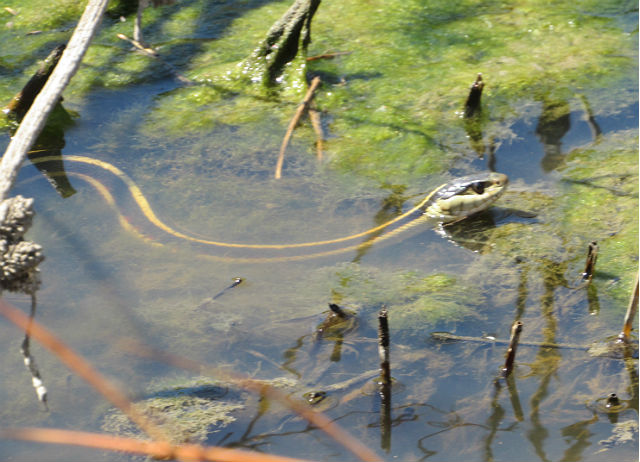
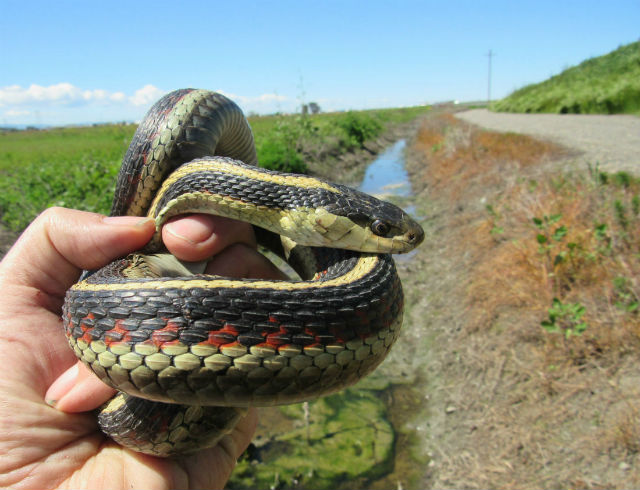
While on my visit to California I found a couple examples of this “lifer” reptile that is a subspecies of the Common Garter Snake.

Valley Garter Snake_5470

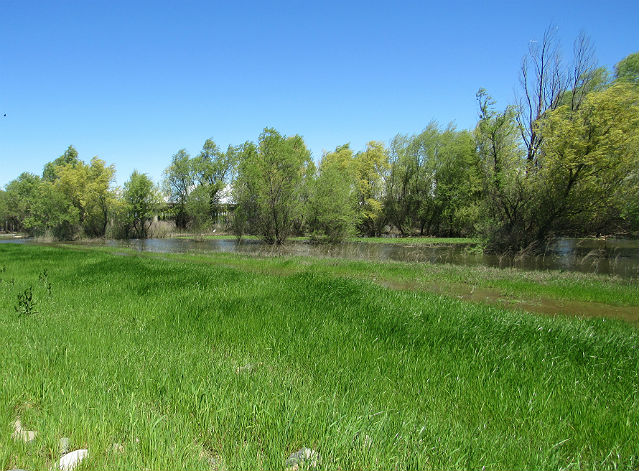
This snake is seldom found far from permanent water where it resides in riparian habitat along streams and floodplains and around ponds and marshy areas. I found my specimens in a flooded ditch.

Valley Garter Snake 5D3_7497

Valley Garter Snakes are active during the daytime and usually found from April through September. They eat a range of food items, including fish, frogs, mice, earthworms, slugs and leeches.

Valley Garter Snake_5478

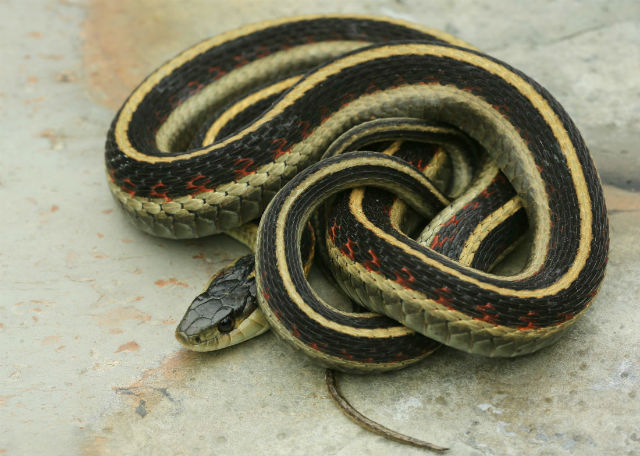
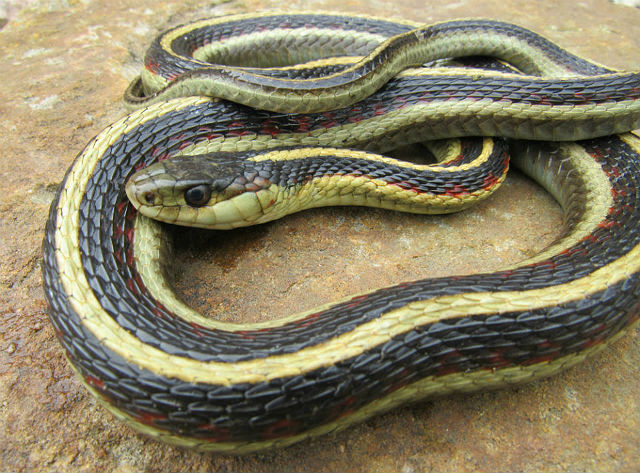
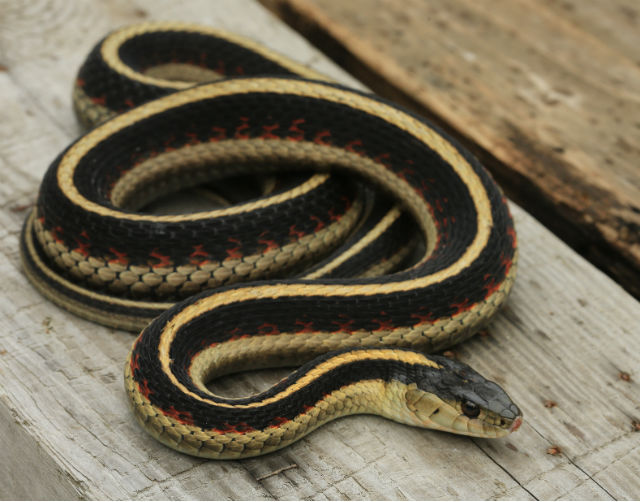
Like most Garter Snakes native to the United States, the Valley Garter Snake it is brown to black with three yellow stripes: One stripe down the back and one on each side.

Valley Garter Snake_5954

Valley Garter Snakes breed in the spring, soon after emerging from hibernation. Females typically give birth to 5 to 40 live young in July or August. The young are 7 to 8 inches in length at birth.

Valley Garter Snake_7488

This species is the most frequently encountered snake in most parts of its range and adapts well to human modification of the landscape. Despite being common and having wide range, I was thrilled to come across them in the wild.

Third Eye Herp
E-mail

Sequoia

IMG_5487

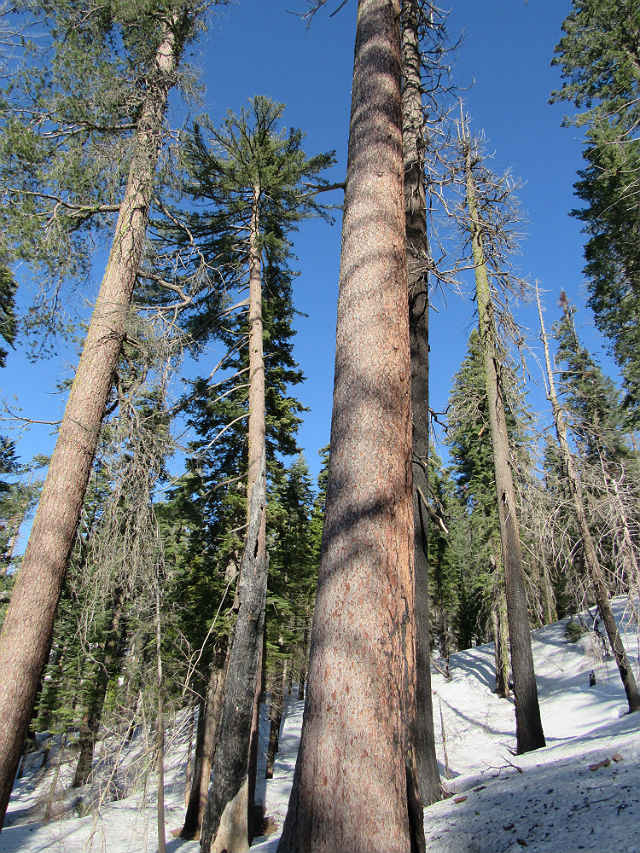
While visiting Yosemite National Park in April, I walked a mile through the snow to have my first-ever encounter with these massive trees.

IMG_5614

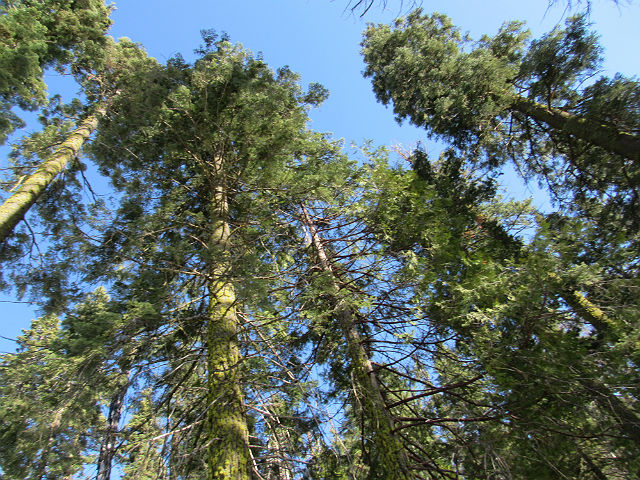
This species is the largest known tree on earth and grow only on the western slope of the Sierra Nevada at elevations between 4,500 to 7,000 feet. Found nowhere else on the planet, they are closely related to California’s Coast Redwoods – the tallest trees in the world.

IMG_5630

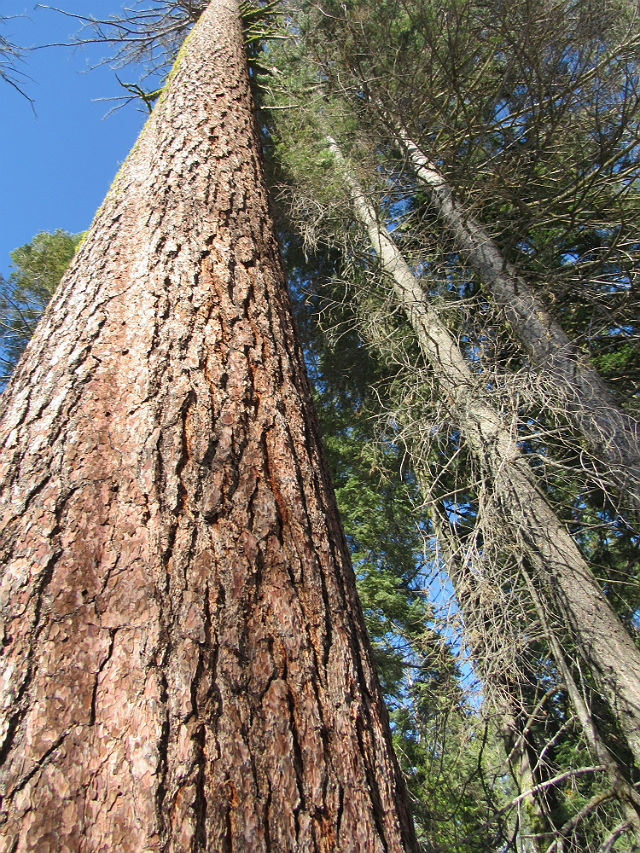
Sequoias can grow to be about 30 feet in diameter and more than 250 feet tall. They can live to be over 3,000 years old, with the oldest one on record living more than 3,500 years.

IMG_5618

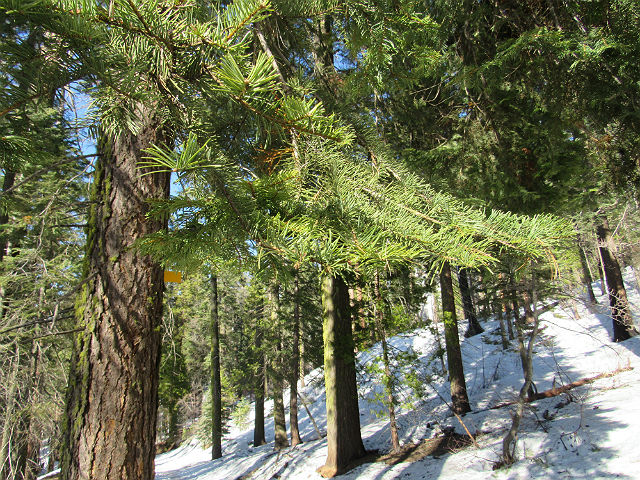
Mature Sequoias lack branches on the lower half of their trunks. Their trunks taper as they rise, forming a rounded top where individual branches sweep downward. Their green needles are small and arranged in spirals.

IMG_5619

The snowpack from the Sierra Nevada provides these giant trees with the thousands of gallons of water every day.

IMG_5629

It was an awesome experience to meet a tree “in person” that I have been reading about for so many years!

Third Eye Herp
E-mail

Painted Lady

Painted Lady_5715

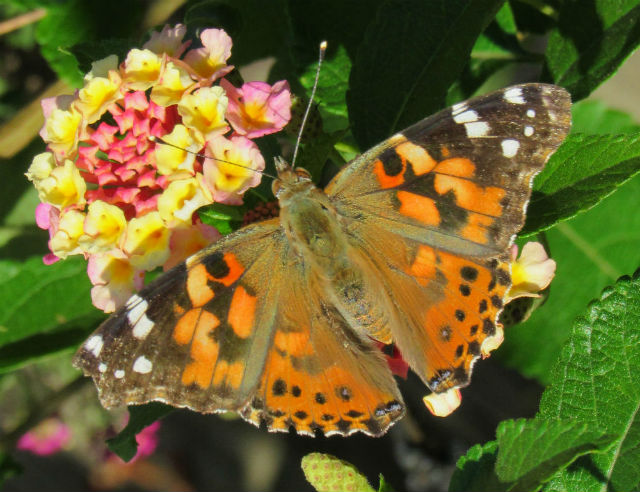
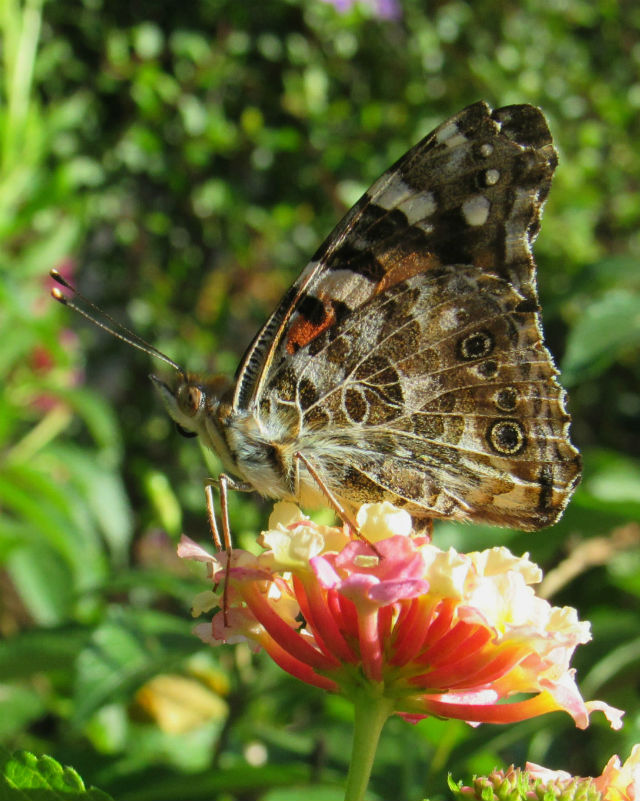
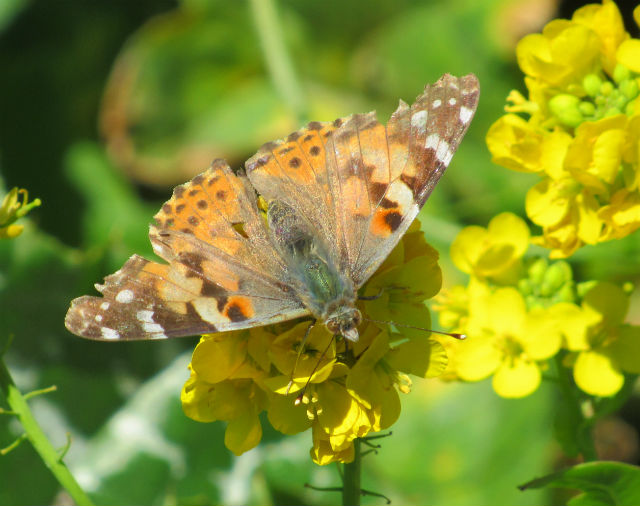
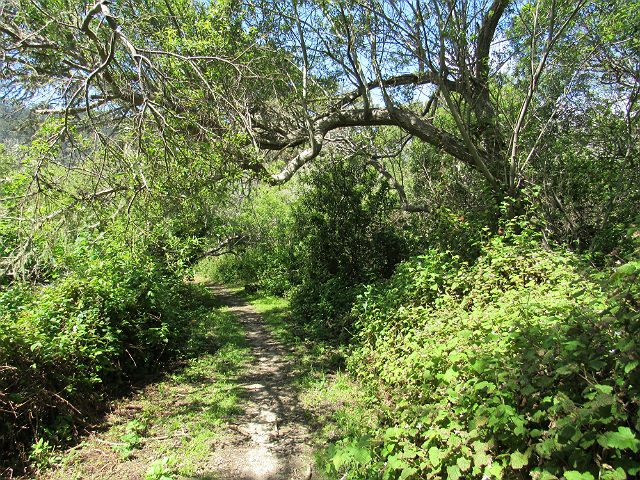
I often see this butterfly in my travels, as well as in my backyard. My larest encounter was at Point Reyes National Seashore in California. This insect it is the most widely distributed butterfly in the world.

Painted Lady_5716

Males perch and patrol during the afternoon for receptive females. In the western United States males usually perch on shrubs on hilltops, while in my home state of Ohio, males position themselves on bare ground in open areas.

52 Painted Lady_9380

This is sometimes called the “Thistle Butterfly,” because thistle plants are its favorite nectar plant for food. It is also one of the Painted Lady caterpillar’s favorite food plants. What probably owes the global abundance of this creature is that thistle are common and invasive plants.

02 painted lady_9911

This butterfly is an irruptive migrant, meaning that it migrates independent of any seasonal or geographic patterns. It can cover a lot of ground, up to 100 miles per day at speeds of nearly 30 miles per hour.

02 painted lady_9924

They are a favorite subject of study in elementary school classrooms, and often the caterpillars can be ordered in “grow kits” where they can be raised and after they transform into adults are released.

Painted Lady_5712

Though the Painted Lady is one of the most familiar butterflies in the world, found on nearly all continents and in all climates, it’s still nice to come across them, wherever I may happen to be.

Third Eye Herp
E-mail

California Scrub Jay

California Scrub Jay_3986

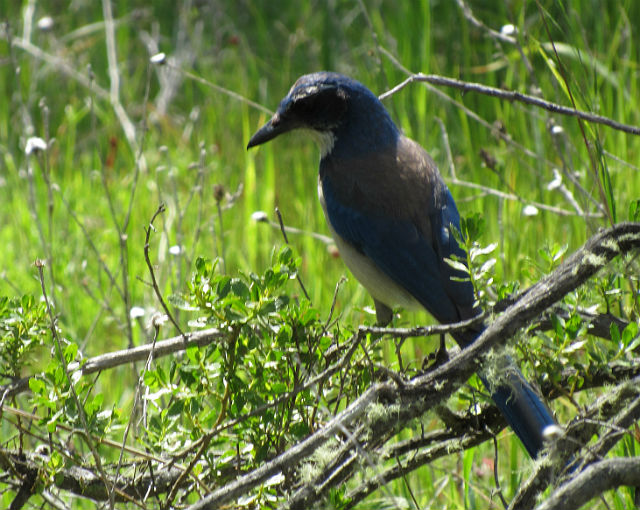
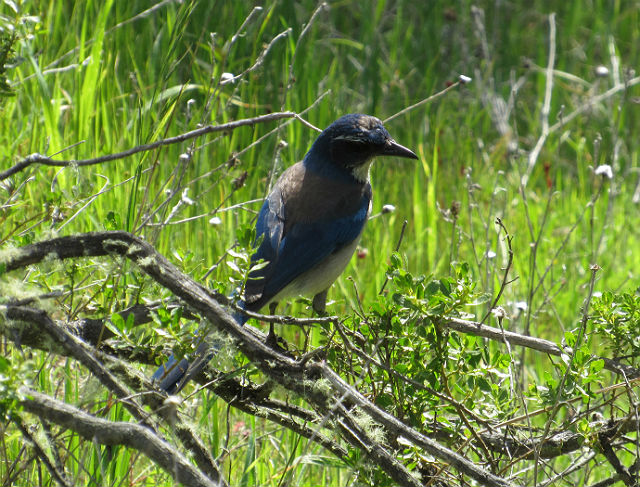
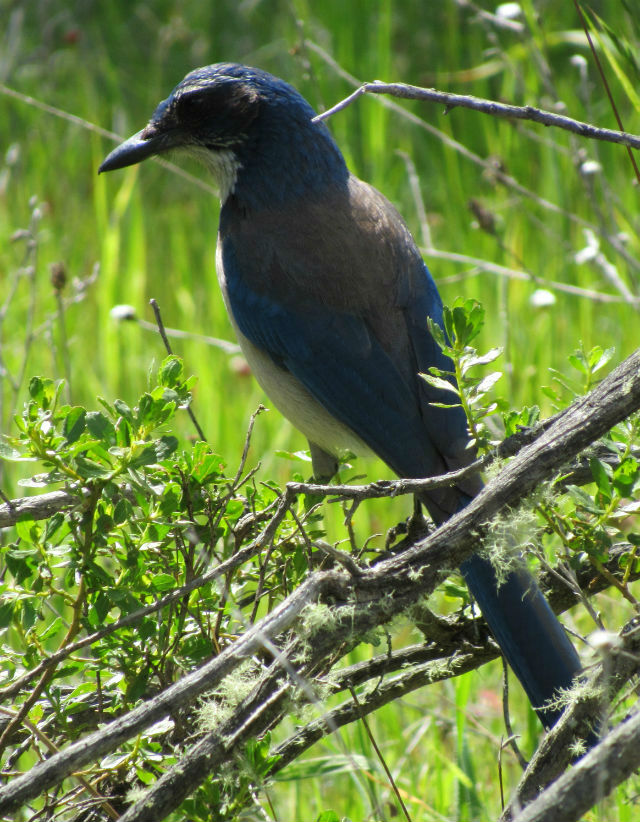
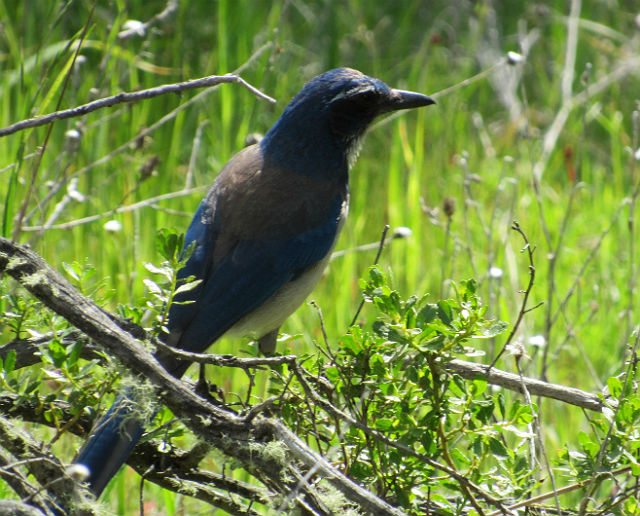
This is a fun bird to encounter while visiting the Golden State; it is both colorful and intelligent. Their behavior can be bold and inquisitive, and their calls can be loud and raucous. The California Scrub Jay is often seen in parks, neighborhoods and riverside woods near the Pacific Coast.

California Scrub Jay_4000

Pairs of California Scrub-Jays are often seen swooping across clearings, giving harsh calls, with their long tails flopping in flight. This is a bird that does not migrate. Western Scrub Jays eat insects, fruits, nuts, berries, and seeds, and occasionally small animals. They are regular visitors to bird feeders.

California Scrub Jay_3997

California Scrub Jays gather surpluses of food and store it in scattered caches within their territories. They rely on highly accurate and complex memories to recover their hidden food, often after long periods of time. Jays can also be quite mischievous when it comes to procuring and storing food. They will steal acorns from Acorn Woodpecker caches as well as from stores hidden by other jays, and then look around to make sure no one is watching before they hide their stolen prize.

California Scrub Jay_4002

Recent research has suggested that jays and crows are among the most intelligent of animals. The brain-to-body mass ratio of adult California Scrub Jays rivals that of chimpanzees and is dwarfed only by that of humans.

California Scrub Jay_4001

Western Scrub Jays appear to have “funerals” in reaction to finding a dead jay. They will screech over the body, attracting other jays, for as long as 30 minutes and stay near the body for a day or two. We often don’t think of birds as being as “brainy” as mammals, but crows and jays are challenging that mindset.

Third Eye Herp
E-mail

Douglas Iris

Douglas Iris_2406

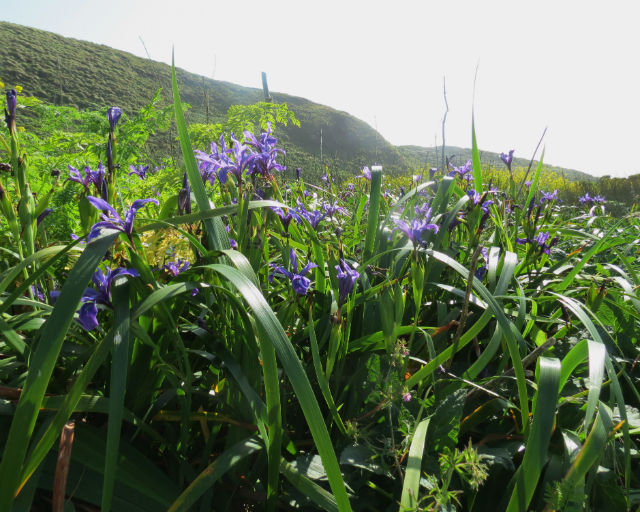
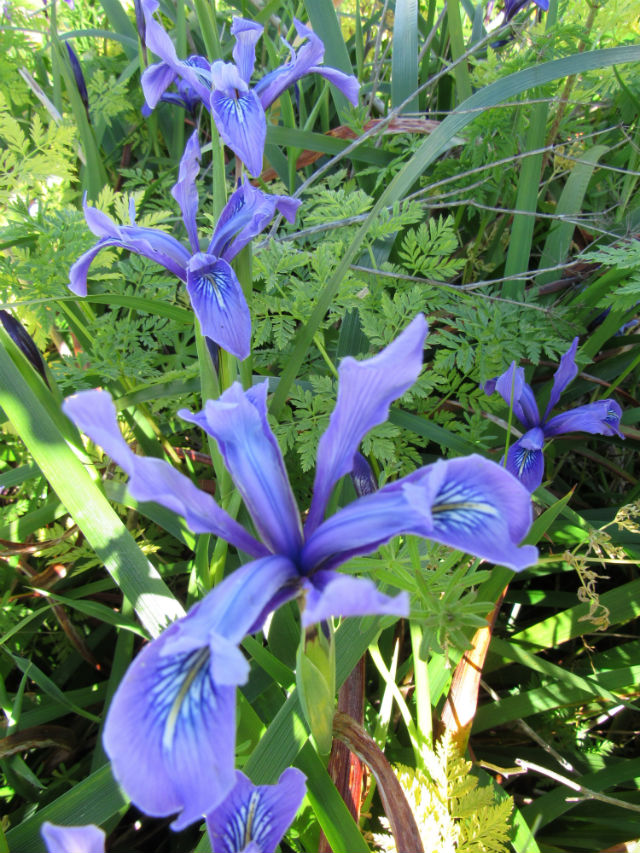
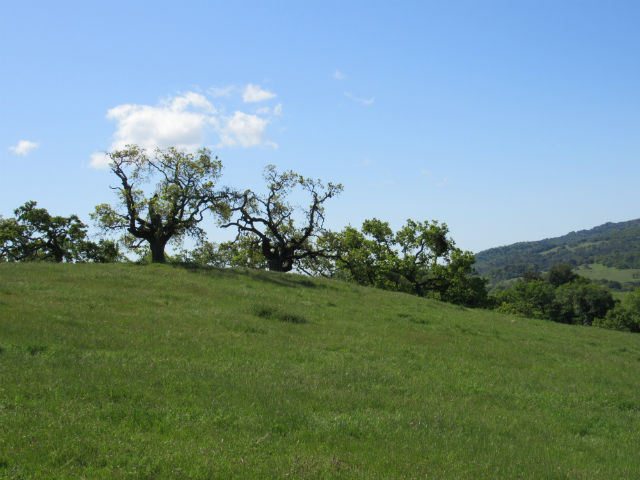
When visiting Point Reyes National Seashore I often encounter this common wildflower of the coastal and central regions of Northern and Central California.

Douglas Iris_2674

The Douglas Iris was first described by 19th century botanist David Douglas Scottish who traveled through the American Northwest collecting a variety of plants. He also has the Douglas Fir named after him.

Douglas Iris_0934

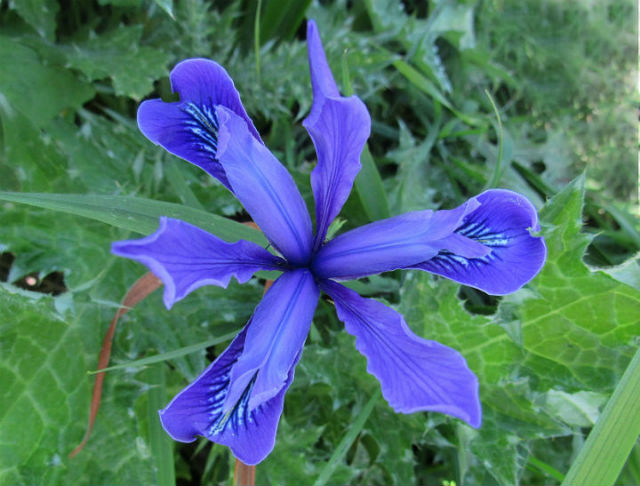
In Spring, large clumps of iris with flowers ranging from cream to deep purple bloom in grasslands along the coast, and in the deep shade of coastal forests.

douglas iris_3940

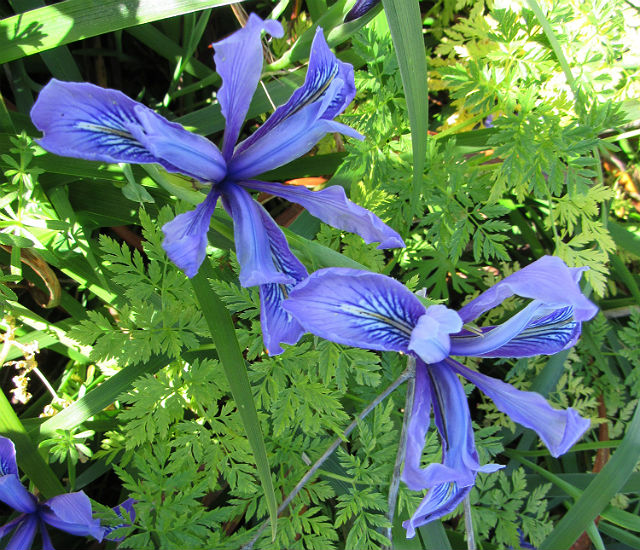
The flowers are intricately patterned with nectar guidelines for potential pollinators, such as bees and butterflies.

douglas iris_3938

The Douglas Iris’ sword-shaped leaves overlap and can reach over one foot long, rising from underground stems called rhizomes.

Douglas Iris_012

“Back in the day,” Native Americans in California extracted a single fiber from each leaf margin and used it to create strong silky fibers for fishing nets, rope and snares for catching game.

Third Eye Herp
E-mail

Diablo Range Garter Snake

Diablo Range Garter Snake_4320

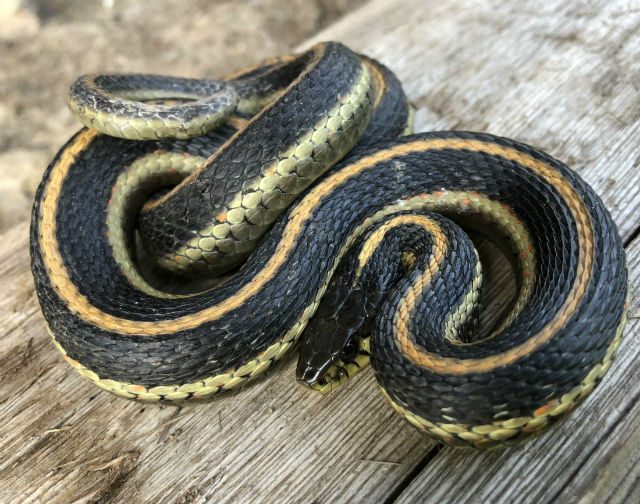
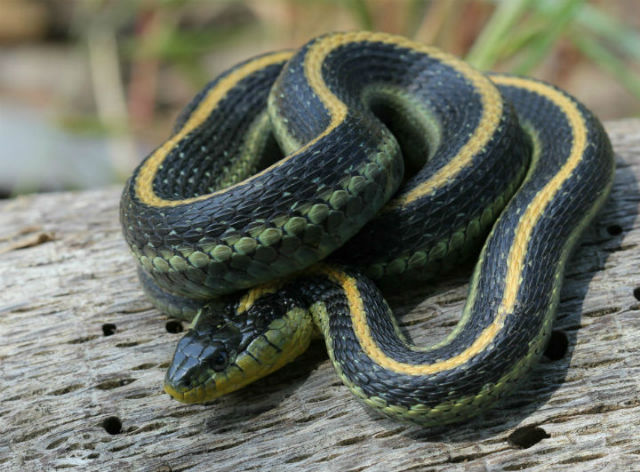
This is a neat reptile that occasionally find when visiting California (the only place where it lives). It belongs to a species atratus, often called the “aquatic garter snakes.”

Diablo Range Garter Snake_0491

Since there are no water snakes native to the Golden State, these fill the ecological niche that water snakes would otherwise occupy. This serpent is often found along waterways and when threatened, it usually escapes into the water, hiding on the bottom.

Diablo Range Garter Snake 2015 9360

Like many other garter snakes, it has three yellow stripes on a dark background. I tend to find it found on the edges of brushlands, woodlands, grasslands, and forests near ponds, marshes, streams and lakes.

Diablo Range Garter Snake_0489

The Diablo Range Garter Snake as an adult tends to be less than three feet long. It is active in the daytime and forages for prey near water sources. It mainly eats frogs, tadpoles and fish.

Diablo Range Garter Snake_0426

Like all North American garter snakes, this species produces live offspring, having about a dozen babies in late Summer or early Fall.

Third Eye Herp
E-mail