Cardinal Flower

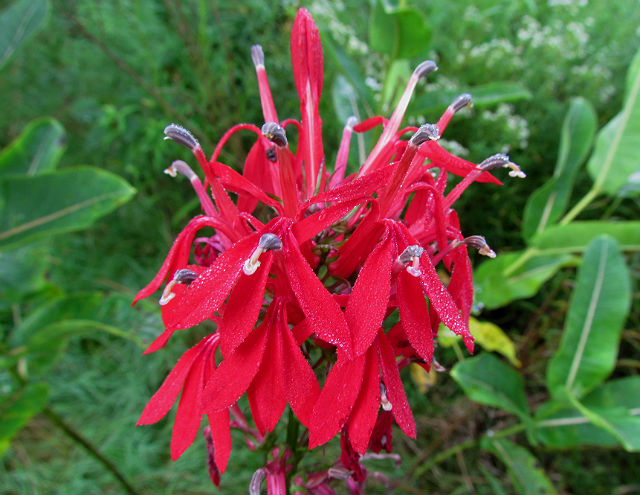
cardinal flower_08_27 012

During this time of year, as you approach the edge of a woodland stream or the banks of a secluded pond, you may glimpse a flash of red among all the green.

cardinal flower_08_29 019

By far one of the most spectacular wildflowers of Ohio, this spark of scarlet stands out in the damp places where it tends to grow – mostly along waterways.

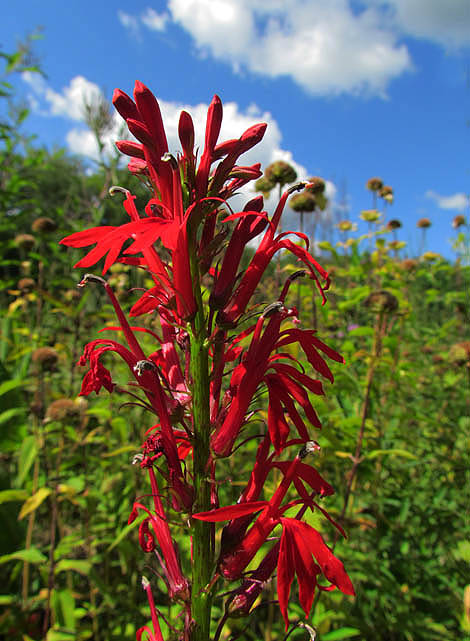
cardinal flower_4296

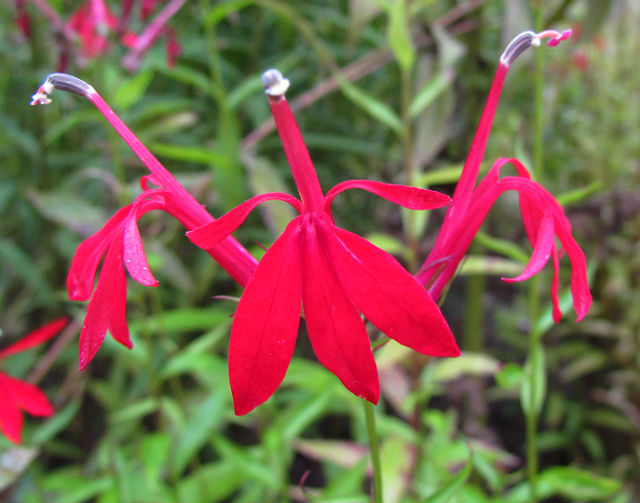
Each flower has three spreading lower petals and two upper petals, all united into a tube at the base. Its flowers are very attractive to butterflies and hummingbirds.

cardinal flower_08_27 029

The Cardinal Flower’s blooming period corresponds with the southern migration of Ruby-throated Hummingbirds to Mexico and Central America for the Winter.

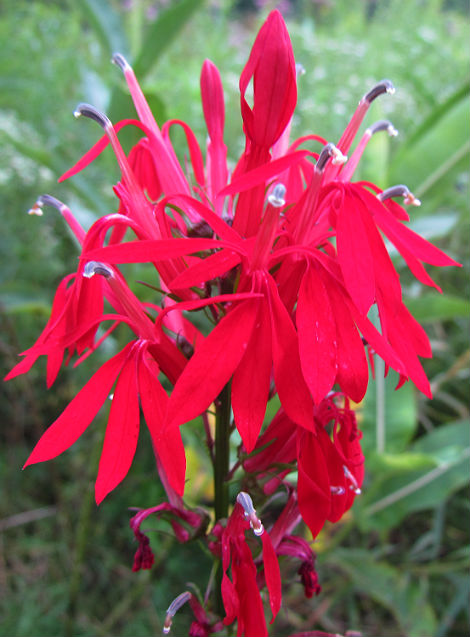
cardinal flower_09_01 015

It has 4 to 6-inch lance-shaped leaves that alternate up the 2 to 5 foot tall stems. The deep green leaves often have a reddish tint, especially on young growth.

cardinal flower_08_27 129

John Burroughs, the 19th-century naturalist, wrote, “When vivid color is wanted, what can surpass or equal our Cardinal Flower? There is a glow about this flower as if color emanated from it as from a live coal.”

cardinal flower_08_27 011

Third Eye Herp
E-mail

Grass Spider

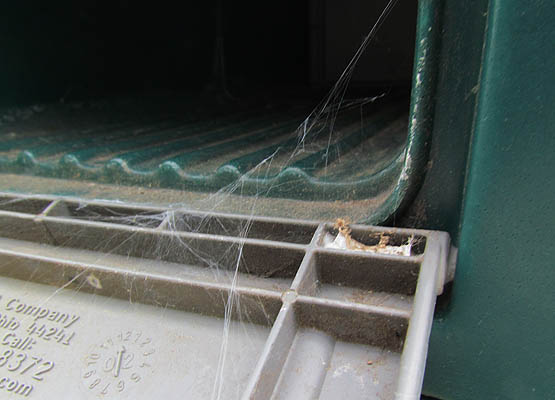
A couple of weeks ago when I went out to get the mail and opened the back door or the mailbox, I saw a spiderweb. It was apparent that a spider was living in there.
grass spider_4546

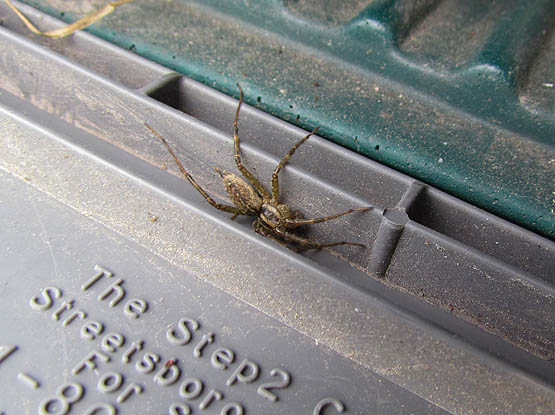
I thought it was nice to have an insect-free mailbox, with the spider quickly ridding it of any small creature that happened to wander inside it. I mean, who wants bugs in their mailbox?
grass spider_4540

The mailman, however, had a different point of view on the subject and did not share my enthusiasm. I have a rock garden in my backyard with plenty of crickets. They sing all the time. So I removed the spider from the mailbox and released him into the garden. You have to keep the mailman happy.

 grass spider_4547

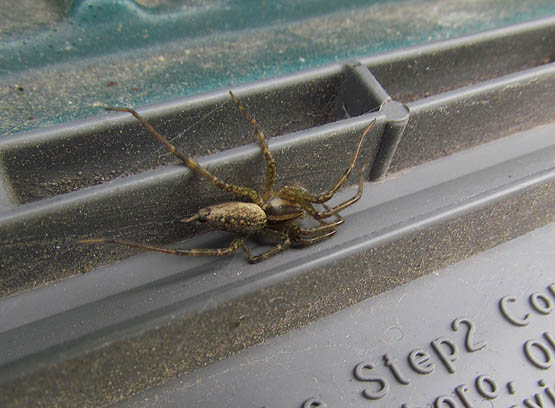
I kind of missed seeing my 8-legged friend in the days that followed. But recently I went out to get the mail and guess what?
grass spider_4543

Grass Spiders are commonly seen in Ohio and are classified as funnel web weavers. The structures they build are recognized by the large, somewhat concave, mostly horizontal, sheet-like web with a funnel or tunnel located off to one side.

grass spider_4712

The webs are found on grass, weeds, ground cover and in exterior places such as fencerows, bushes, brush piles, houses and garages. Funnel weavers and grass spiders build their funnel-shaped webs close to the ground. They hide in the narrow end of the funnel, which is usually protected by leaves or rocks.

grass spider_4579

Juvenile Grass Spiders emerge from the egg case in Spring and begin constructing miniature versions of typical webs. Throughout the weeks that follow, the web is enlarged, and by late Summer it can be quite sizeable.

grass spider_4914

Sometimes the web has a thin tangle of threads above the sheet. These act as “knock-down” threads for flying insects. After hitting these threads, the flying insect tumbles onto the sheet and is attacked by the spider.
grass spider_4718

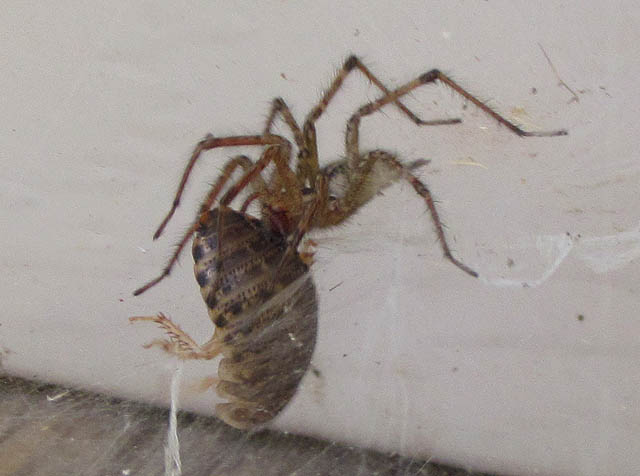
Many common funnel weavers are also characterized by having bristly legs, which may aid in sensing prey. When an insect, spider, or other small creature crosses the wide end of the funnel, the spider feels the vibration and rushes out to grab its food.

grass spider_4918

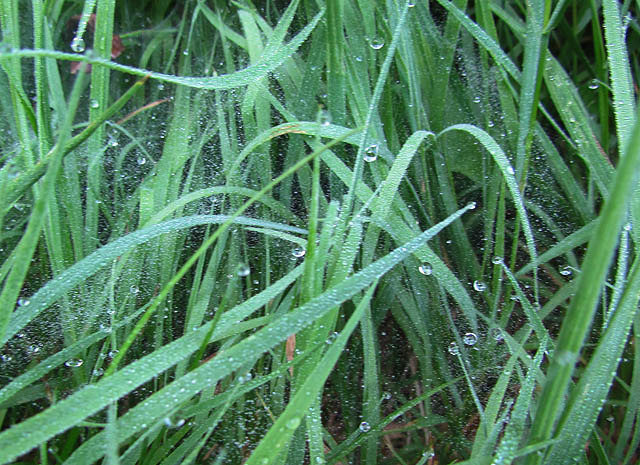
The silk of this spider’s web is not adhesive. The Grass Spider relies upon lightning reflexes to dash out and grapple with its prey on the sheet. They are valuable to humans because they keep the insect population in check.
grass spider_5263

There is an old saying about Grass Spiders: When there is dew on their webs in the morning, it will be a beautiful day. 

Third Eye Herp
E-mail

Northern Slimy Salamander

forest_09_16 029

There are several common ways a small and relatively defenseless animal might avoid being eaten by predators. One method might be blending in with the surrounding environment, thereby avoiding detection. Another tactic would be the ability to make a fast escape. Still another strategy to not be eaten is to be poisonous, or at the very least, distasteful. The Slimy Salamander, however, employs none of these techniques.

slimy salamander_0936

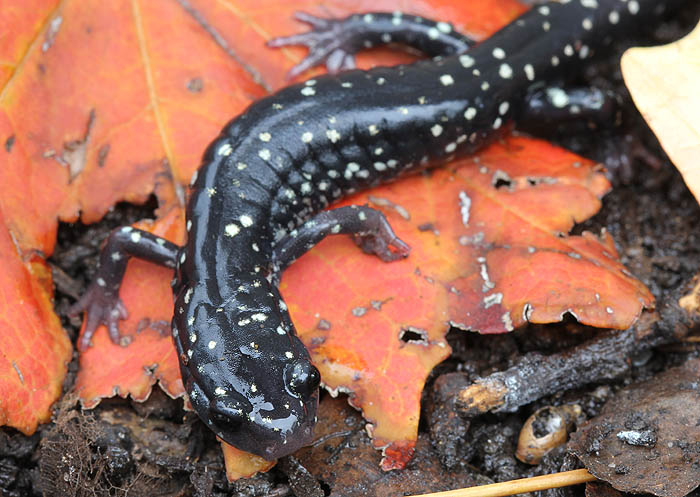
This amphibian might be better named if it were called the “Sticky Salamander,” because it secretes a glue-like substance from its skin when threatened. This substance can be very difficult to remove from hands or clothing. It prevents the animal from being eaten by some predators. It’s scientific species name glutinosus is the Latin adjective “sticky.”

slimy salamander_0931

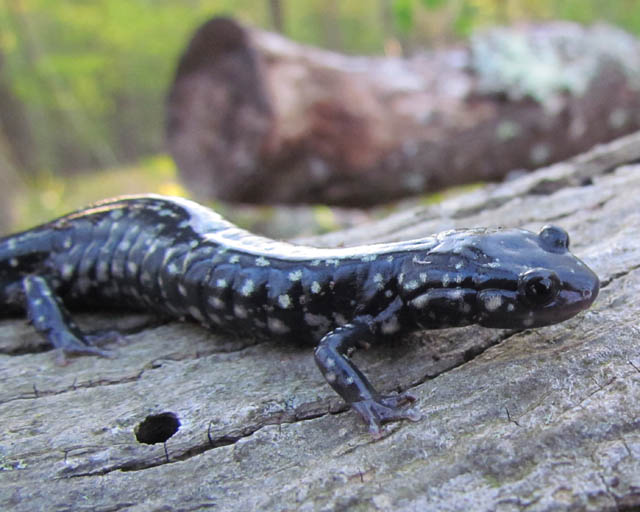
The relatively cool, wet Summer we’ve been experiencing has made for ideal conditions to come across this woodland salamander and I’ve seen a few over the past several weeks. This attractive amphibian is black with a scattering of small silvery-white flecks all over it. The amount of flecking can vary among individuals; flecks may be absent on some and plentiful on others.

slimy salamander_3028

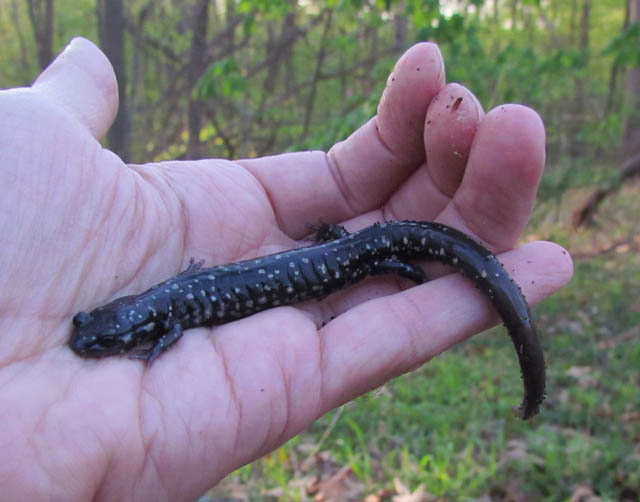
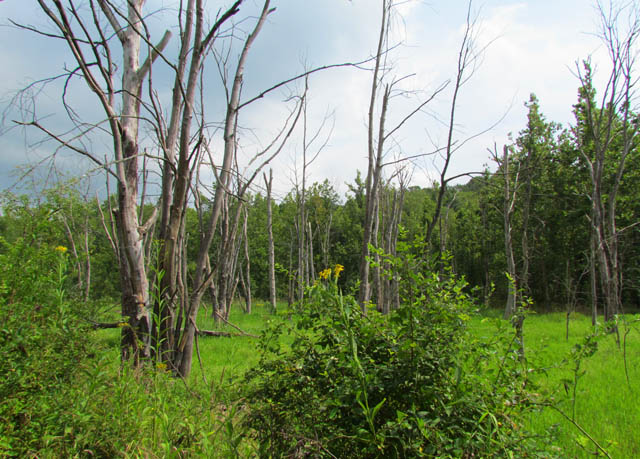
The Northern Slimy Salamander is found throughout much of the northeastern United States. Though slender, it is relatively long, reaching total lengths of over 7 inches. It likes to hide under rotting logs or in stumps. Although entirely land-dwelling, it needs a damp habitat. It is a lungless salamander, so wet conditions are essential, because it breathes through its moist skin.

slimy salamander_3034

The Slimy Salamander emerges from its burrow at dusk and retreats at dawn. It hunts insects and other small invertebrates and catches food by flicking out its tongue. It is occasionally active on rainy days. Not only is it good looking, but the Slimy Salamander is also a true original when it comes to defending itself.

Third Eye Herp
E-mail

Red-headed Woodpecker

red-headed woodpecker_4974

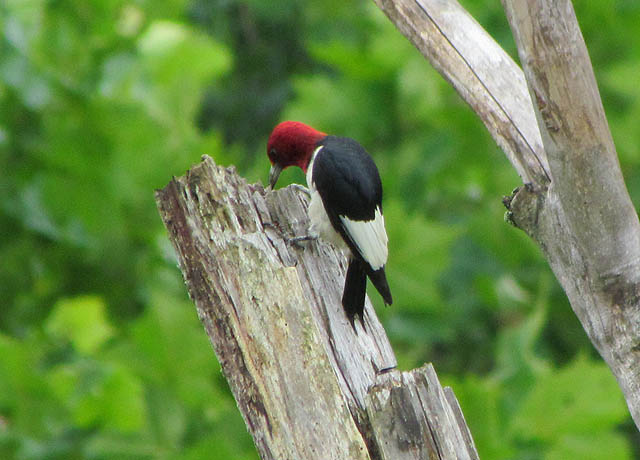
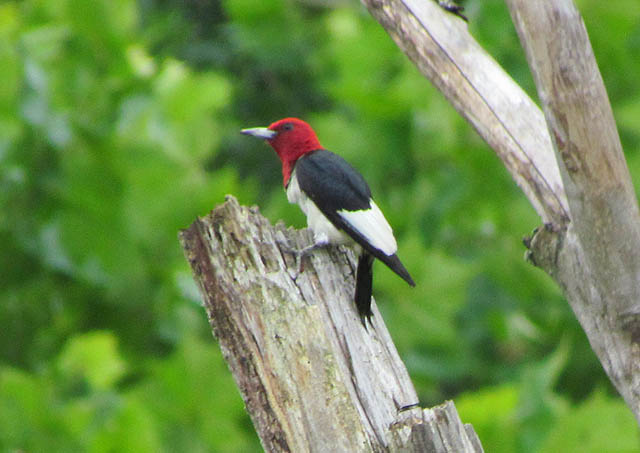
Can a bird be inspirational? Adult Red-headed Woodpeckers are so striking that the sight of one motivated Alexander Wilson, the author and illustrator of the early 1800s, nine-volume work American Ornithology, to become an ornithologist.

redheaded_1810

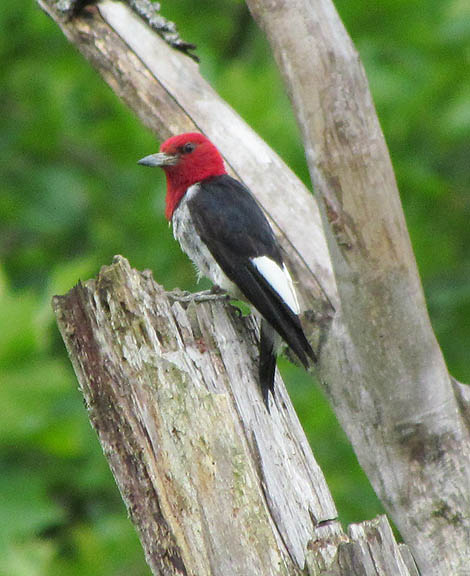
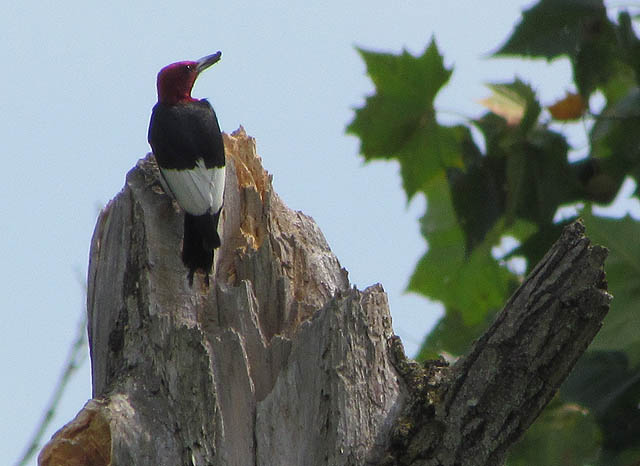
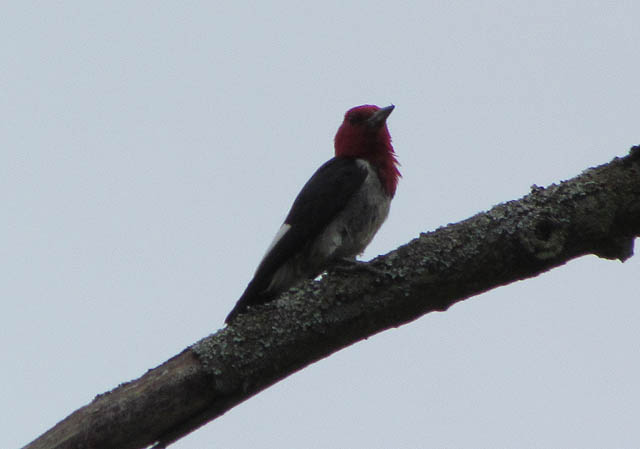
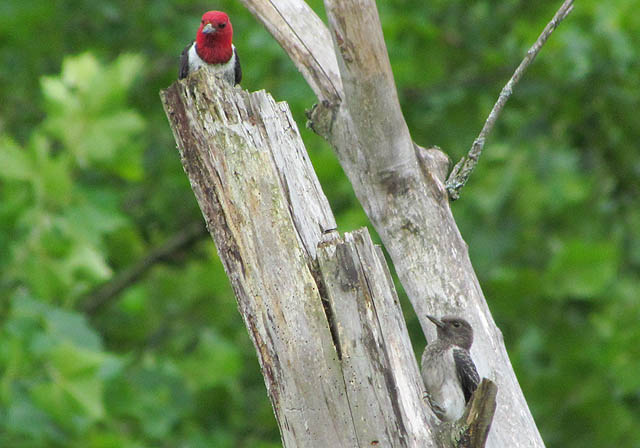
The gorgeous Red-headed Woodpecker is so boldly patterned it’s been called a “flying checkerboard,” with its entirely crimson head, a snow-white body, and half white, half inky black wings.

red-headed woodpecker_5021

Adult males and females are impossible to tell apart in the field. Immature birds have a buff-brown or “dusky” head and back.

redheaded_1761

These birds don’t act quite like most other woodpeckers. Red-headed Woodpeckers are less likely to drill for food than other species. Instead, they fly down to the ground to capture insects or they catch prey from the air.

redheaded_1774

They also eat lots of acorns and beech nuts, often hiding away extra food in tree crevices for later. They have been known to wedge live beetles or grasshoppers into cracks in wood to store them for future use.

redheaded_1749

The Red-headed Woodpecker has declined severely in the past half-century because of habitat loss and changes to its food supply. It can be found open woodlands and forest edges and clearings, river bottoms and wooded swamps. It especially likes areas with dead or dying trees.

redheaded_1806

This year was my first year to have seen these magnificant birds and I’ve been lucky enough to find them several different times throughout the year in different locations.

redheaded_1772

Third Eye Herp
E-mail
Staghorn Sumac

sumac_3196

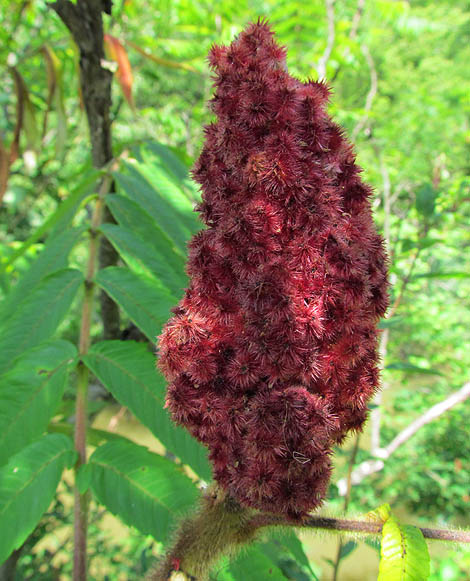
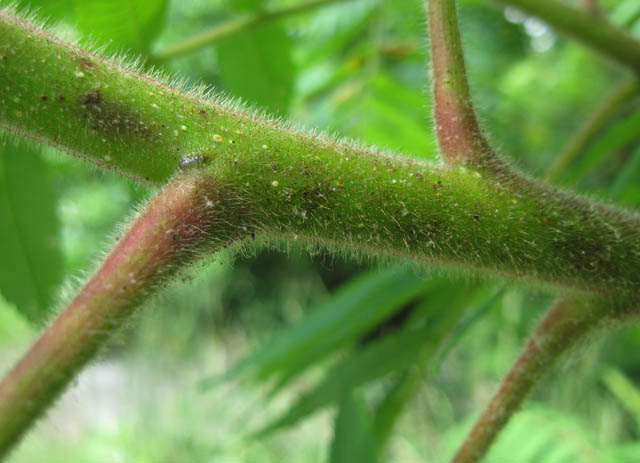
The common name for this tree is derived from the fine, felt-like hairs on young stems, giving them the texture of a deer’s antlers.

sumac_1802

“Back in the day” Native American Indians made a lemonade-like drink from its crushed fruit. And tannery workers used the tannin-rich bark and foliage as a tanning agent.

sumac_8621

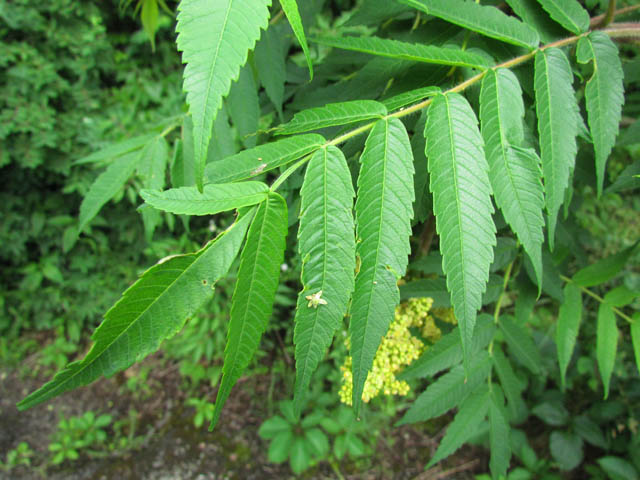
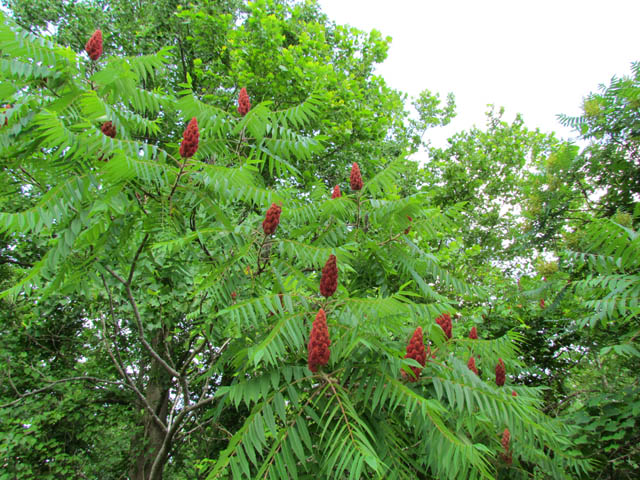
This is a small (15-30 foot) colony-forming, tree with crooked, leaning trunks, picturesque branches and velvety twigs.

sumac_0038

On female plants, yellow-green flowers are followed by fuzzy, bright red berries in erect, pyramidal clusters which last throughout winter.

sumac_8622

Many species of birds have been observed eating the fruits of Staghorn Sumac, especially during the Winter months.

sumac_2915

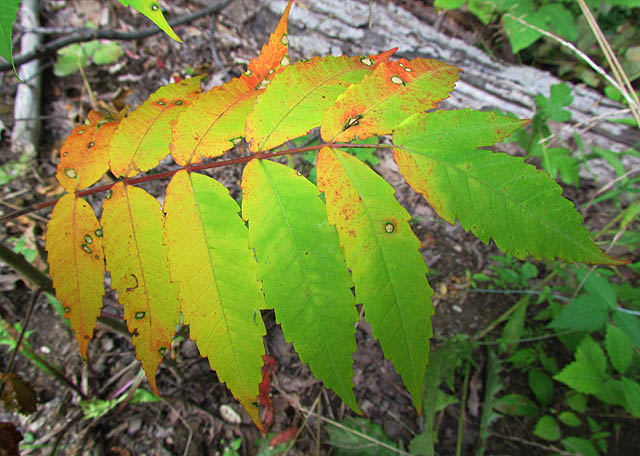
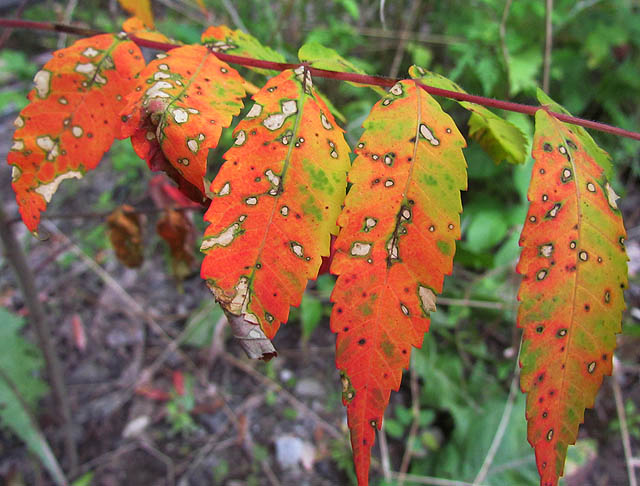
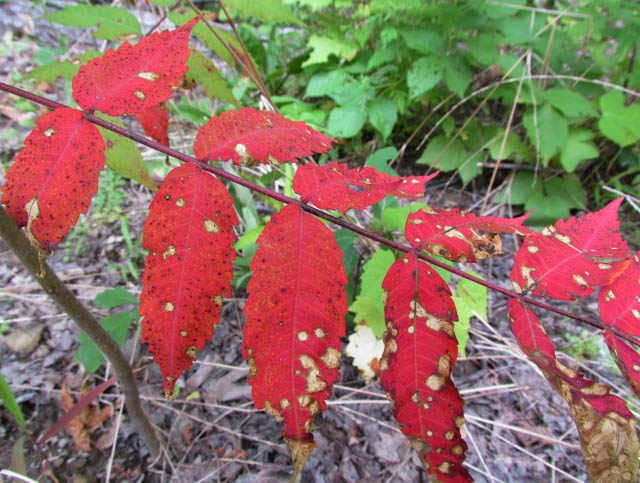
This is one of the first trees to change color. Vibrant orange, vermilion, vivid yellow and sometimes purple may be seen all together on a single tree. I’ve noticed that the leaves on some trees start turning in late July.

 sumac_3851

Staghorn Sumac is shade intolerant, so is most often found along the edges of forests, in forest openings, on the edges of grasslands and fields and along roadsides.

sumac_3673

With appealing features that can be enjoyed year-round, Staghorn Sumac is indeed a tree for all seasons.

sumac_3677

Third Eye Herp
E-mail
Eastern Cottontail

cottontail_2575

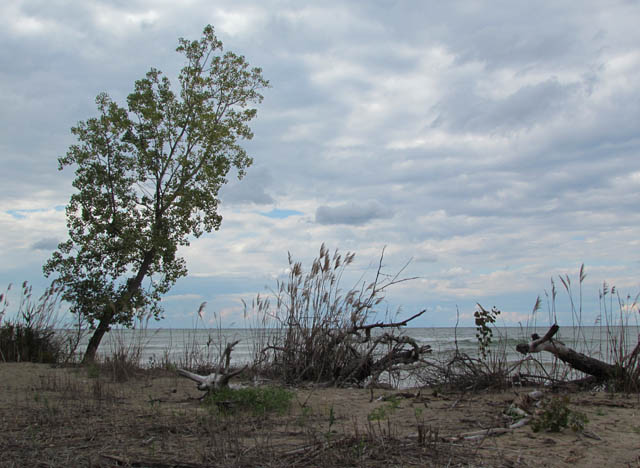
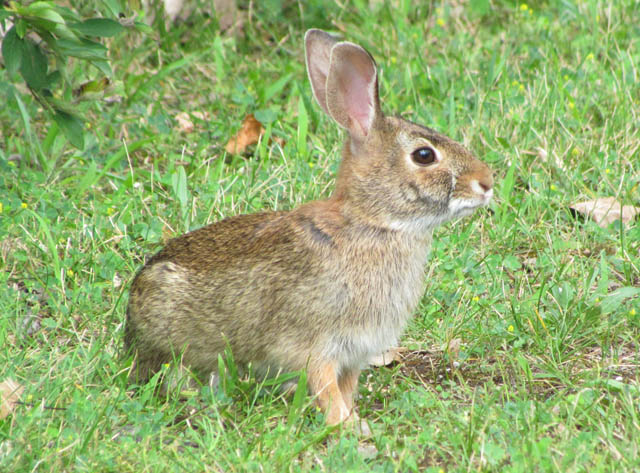
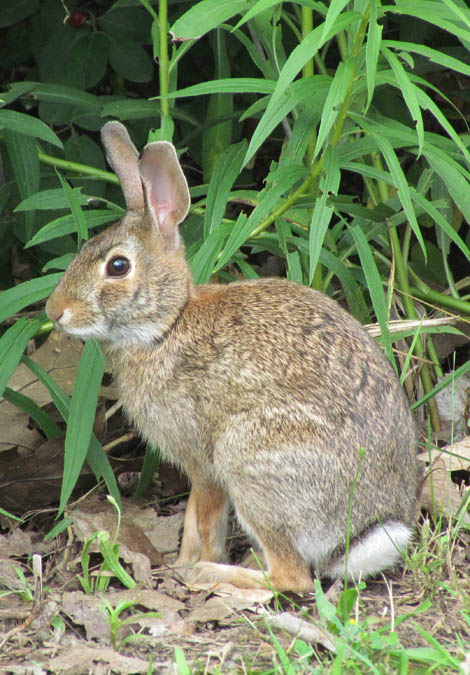
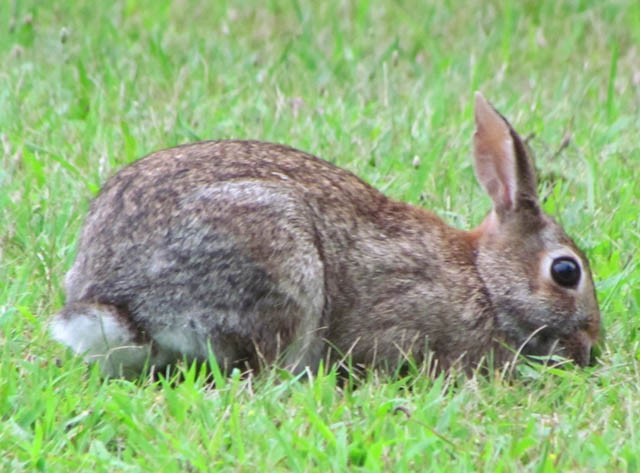
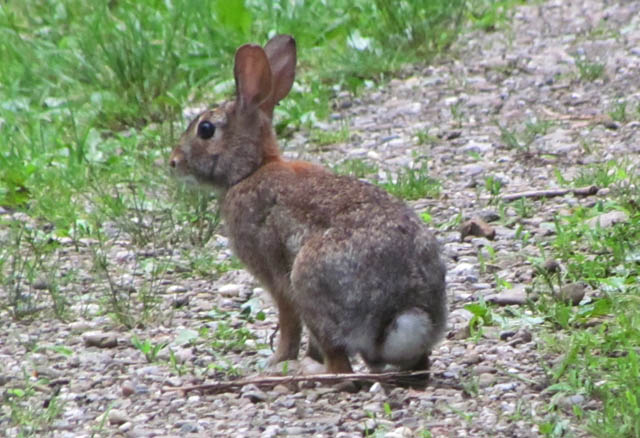
This is a very adaptable mammal. I’ve seen them at school, work and occasionally in my backyard. The rabbits in this post were all seen near the Lake Erie shore while on a recent trip to Pennslyvania. Eastern Cottontails communicate with each other by thumping with their back feet against the ground.

cottontail_2530

Historically, the Eastern Cottontail inhabited fields, swamps and hardwood forests. These days it prefers “edge environments” between woody vegetation and open land. Its range of habitats includes meadows, orchards, farmlands and hedgerows.

cottontail_2531

They can be seen year-round. At this time of the year they browse in the evening and at night on grasses and herbs (they are also fond of garden fare). In Winter their diet consists of bark, twigs and buds.

cottontail_2579

During the day, cottontails often remain hidden in vegetation. Cottontails have keen eyesight and hearing. When danger is sensed, a rabbit will usually freeze in place until danger has passed. If approached too closely, they flee, running in a zigzag pattern, sometimes reaching speeds of up to 18 miles per hour.

cottontail_9687

This animal is an essential element of the food chain, serving as prime prey for many predators. As a result, Eastern Cottontail life expectancy is extremely short – one year or less – requiring the prolific reproduction so often attributed to rabbit species. Adaptability pays off; Eastern Cottontail is one of the most common mammals of both the natural and the human-generated ecosystems in North America.

Third Eye Herp
E-mail
Indian Pipe

indian pipe_0567

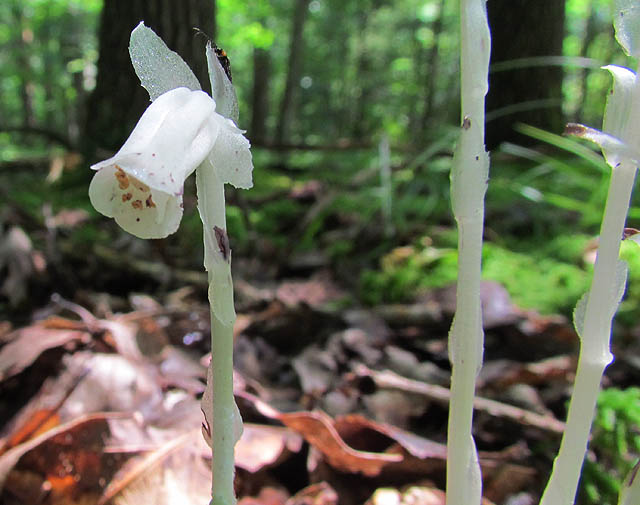
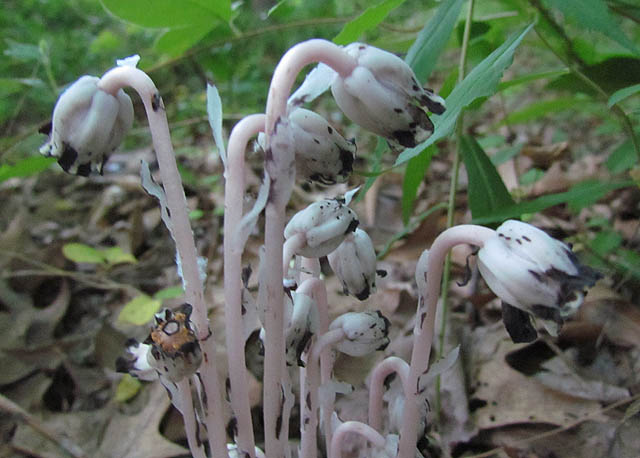
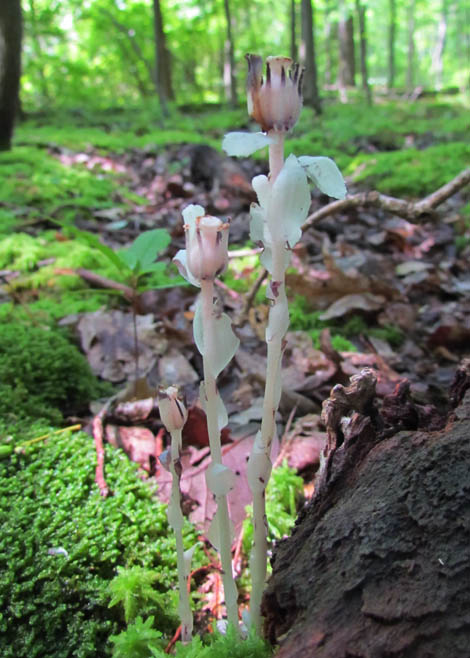
This white apparition has appropriately been called Ghost Flower, Corpse Plant, or more commonly, Indian Pipe. “Indian pipe” is descriptive of the shape of the plant, with its flower curved downward, so that it faces the ground.

indian pipe_0463

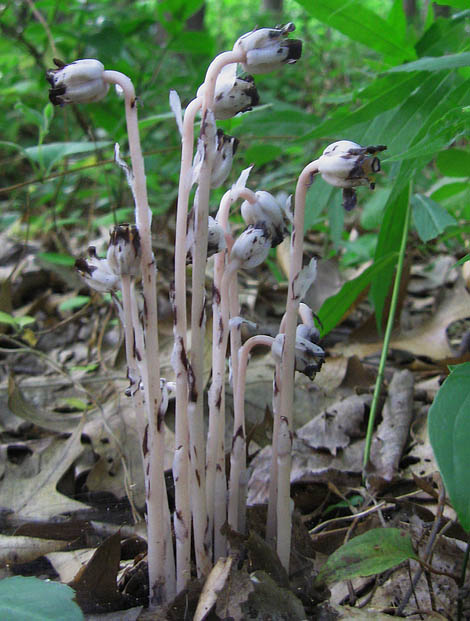
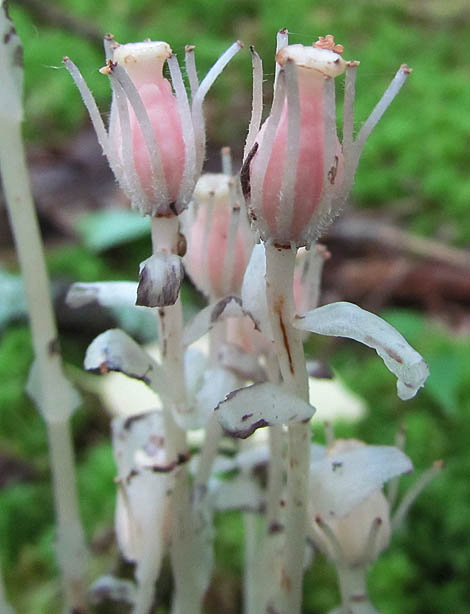
The scientific name, Monotropa uniflora, means “once-turned, single flower.” Each stalk bears a solitary flower that turns upward after pollination and remains that way as the fruit develops. The flower turns black with age or if picked.

indian pipe_1926

Indian Pipe is a plant that lacks the green pigment called chlorophyll. Chlorophyll is necessary for photosynthesis, the process which allows plants manufacture their own food in the presence of sunlight.

indian pipe_1577

Lacking chlorophyll, Indian Pipe is unable to produce its own food and therefore has no need for true leaves, which are replaced by small scales along the stem. It is able to inhabit the darkest areas of the forest where sunlight is in short supply.

indian pipe_0548

Indian Pipe fulfills its nutritional needs through the services of an intermediary fungus. The fungus forms a connection with Indian Pipe and nearby trees and transfers some of the photosynthate it derives from the tree roots to the Indian Pipe.

indian pipe_1599

The ethereal appearance of the Indian Pipe, with its pallid stem topped by a nodding, white flower makes this “Summer ghost of the forest” perhaps the most easily identifiable wildflower.

indian pipe_0549

Third Eye Herp
E-mail
Viceroy

viceroy_2353

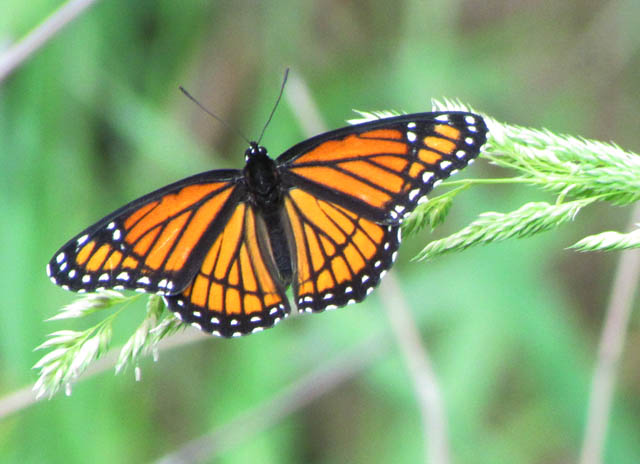
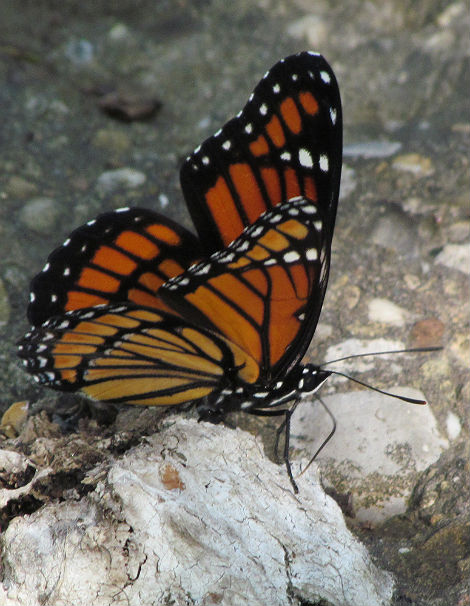
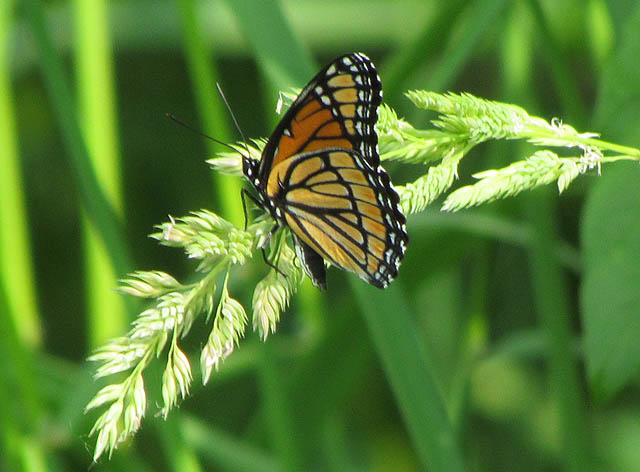
This insect is commonly known as “Viceroy” because it is similar, but smaller than the two other butterflies it resembles — the Queen and the Monarch. However, it is only distantly related to these species.

viceroy_6167

The Viceroy belongs to a group called the “Brush-footed Butterflies,” which have four functional legs and two very small front legs which are not used for standing on. These legs are more for “tasting” than walking.

viceroy_08_31 012

This butterfly occurs in moist open or shrubby areas such as lakes, swamp edges, willow thickets, valley bottoms, wet meadows and agricultural and rural areas.

viceroy_6168

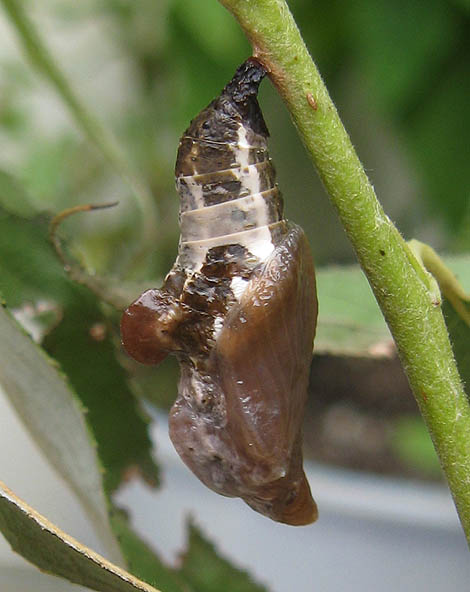
Last month I found this Viceroy caterpillar. In all life stages of life, the Viceroy mimics something. The eggs resemble parasitic insect galls that affect plants. The caterpillars and chrysalis’ resemble bird droppings. And the adult resembles the poisonous Monarch Butterfly.

viceroy_1791

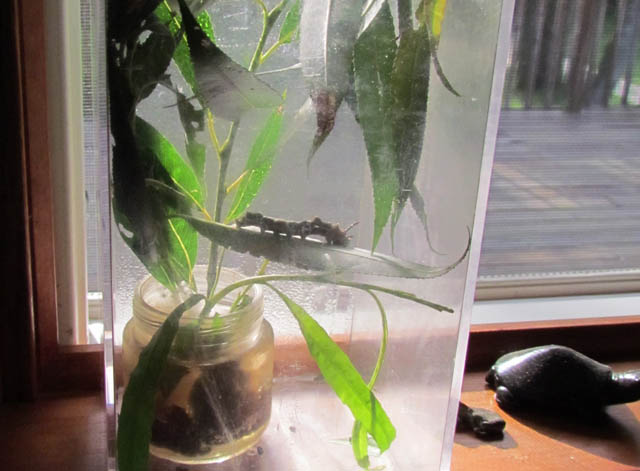
I set the caterpillar up in a small terrarium and fed it willow leaves.

 viceroy_9946

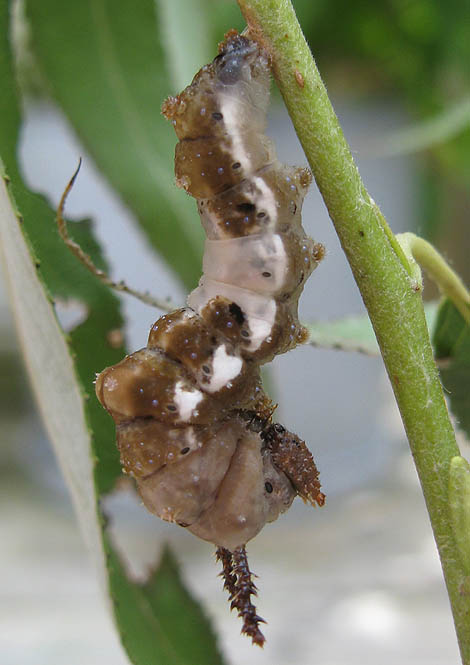
One day at about 10:00AM, I noticed the caterpillar hanging upside down, preparing to transform into its next stage in life.

viceroy_1812

By 3:00PM on the same day the caterpillar had formed its chrysalis. It stayed that way for a week before emerging as an adult butterfly.

viceroy_1816

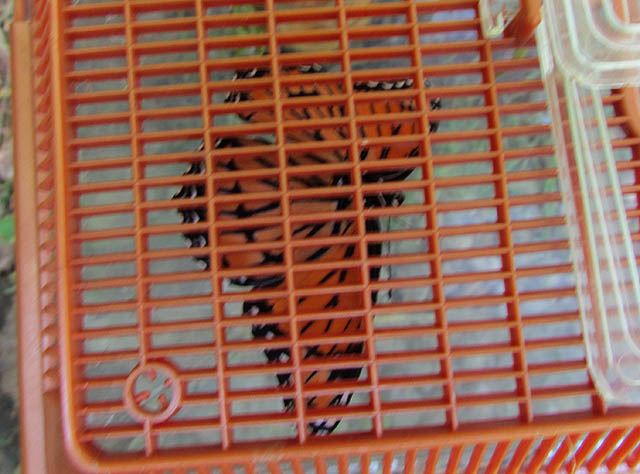
Here is the Viceroy about to be released.

viceroy_0872

Ever wonder what it’s like to fly for the first time?

viceroy_1823

Third Eye Herp
E-mail

Common Musk Turtle

stinkpot_2599 
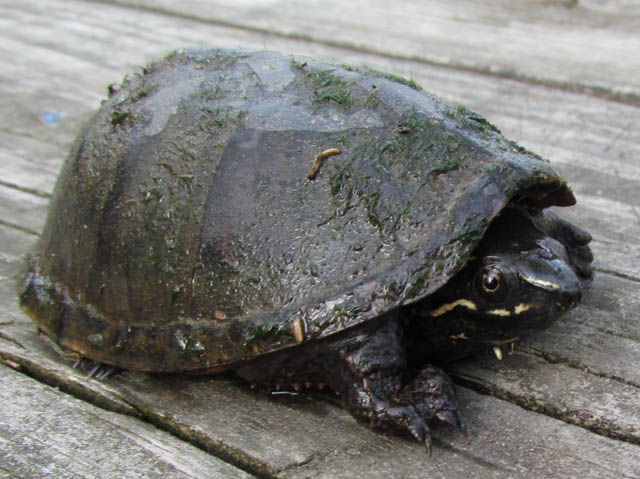
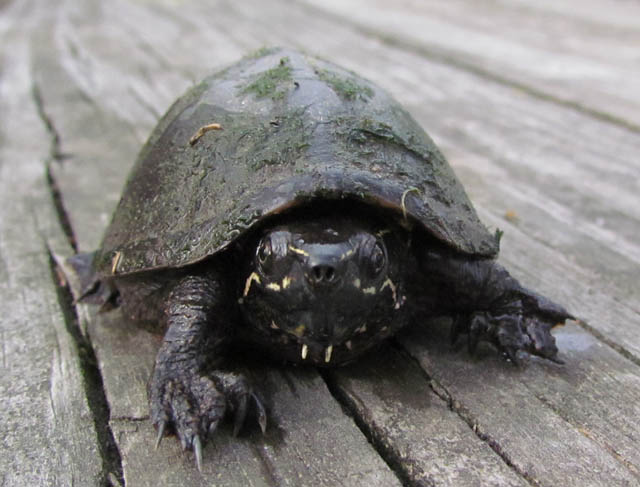
The Common Musk Turtle is a small (usually about 4 inches), tough turtle. It is Ohio’s smallest species and one of the world’s smallest turtles.

stinkpot_3123

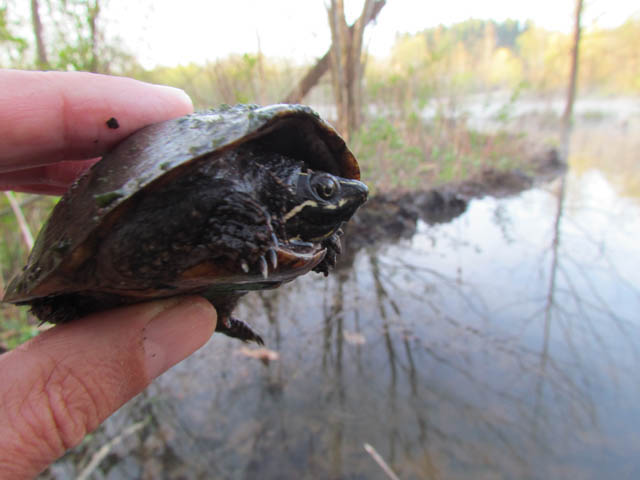
I’ve had the good fortune of coming across two of them so far this year. These reptiles have an oval, high-domed shell and a large head that usually has two yellowish stripes on each side.

stinkpot_3172

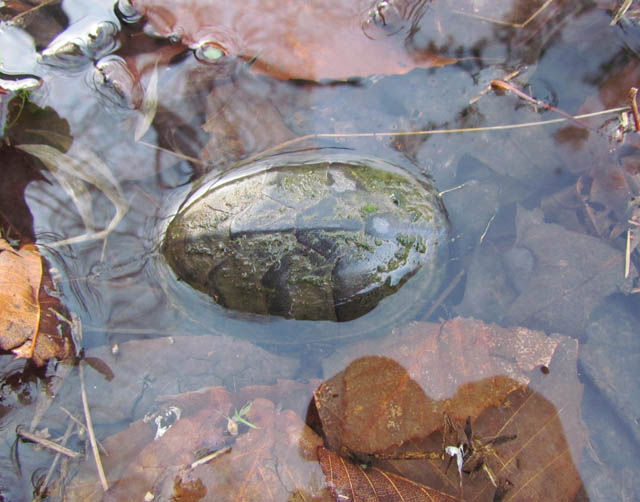
This species is a weak swimmer that is often seen crawling on mud in quiet, shallow water; it is easy to mistake them for stones. There are barbels on both the chin and throat. Perhaps these assist the turtle as it probes the bottom of a stream or pond for food.

stinkpot_3128

It eats a variety of food items, including seed pods, seeds, beetles, moths, dragonflies, crayfish, freshwater snails and other mollusks. It also eats algae, leeches, tadpoles, and fish.

stinkpot_3733

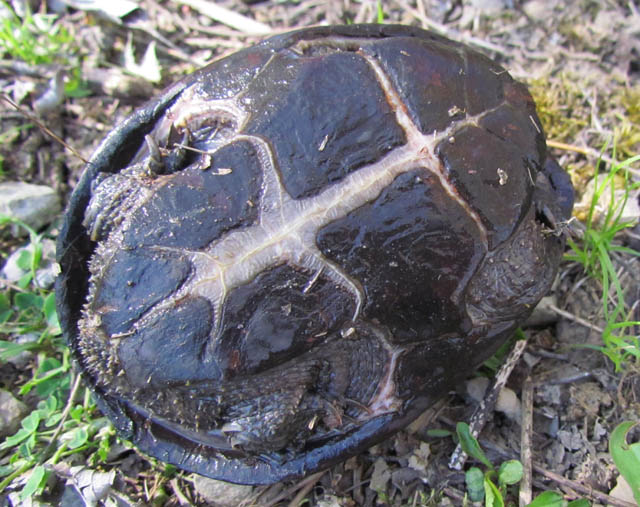
Despite their size and being undeniably cute in appearance, Common Musk Turtles have cantankerous dispositions. They get their name from their ability to relase a bad smell if harassed. This “extra protection” is probably compensates for the reptiles’ small plastron (lower shell) which is reduced in size compared to most turtles and does not offer the armor of its relatives.

stinkpot_3735

They occur throughout the eastern United States in a variety of aquatic habitats. There are regional names given to this creature such as Stinking Jim, Skillpot and Stinkpot. No matter what you call them, I always enjoy encountering these tough little turtles in the wild.

stinkpot_3170

Third Eye Herp
E-mail
Lobster Mushrooms

lobster_1903

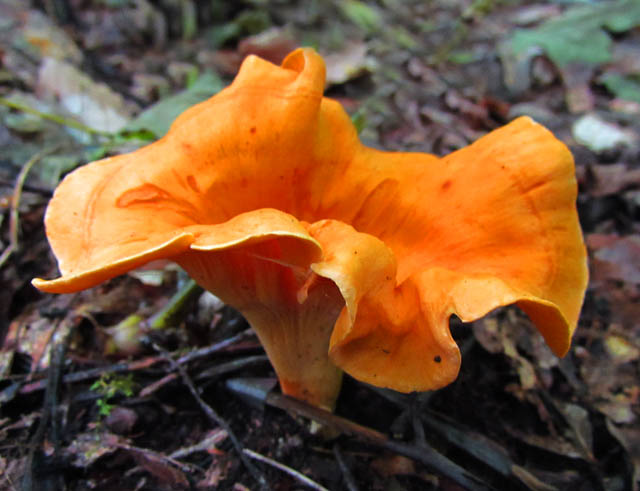
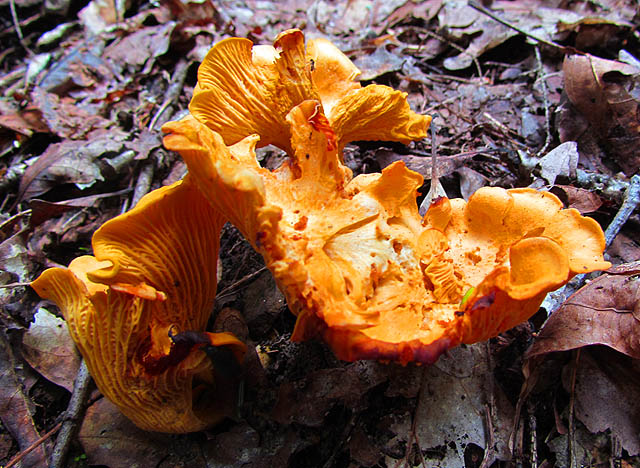
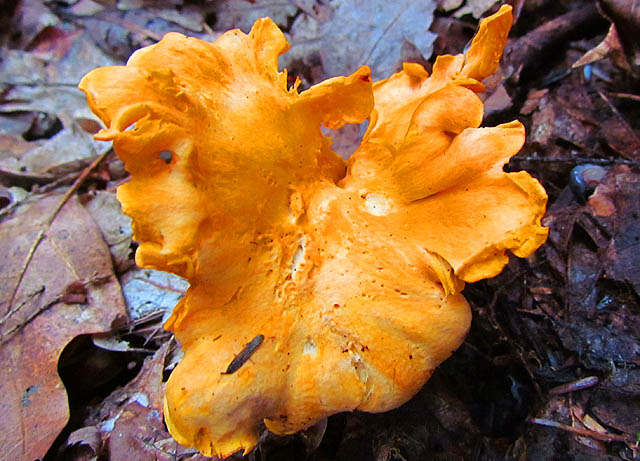
Lobster mushrooms are a fascinating departure from what we typically consider mushrooms. They have a color similar to cooked lobster meat or lobster shell.

lobster_3053

This “species” is actually an example of a mold attacking a mushroom. The mold parasitizes Russula brevipes and covers the entire fruiting body with an orange skin.

lobster_3067

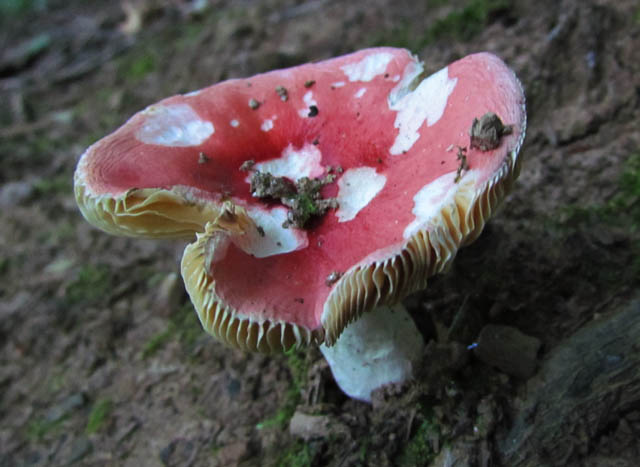
Eventually, the fungus even begins to transform the shape of the host mushroom, twisting it into odd contortions. Here’s what an unparasitized Russula brevipes (apparently this species has no common name) looks like.

lobster_1489

The idea of eating a fungus infected by a mold may sound pretty gross, but Lobster Mushrooms are considered “gourmet food.”

lobster_3063

The presence of the parasite dramatically increases the flavor of its host. The taste of a Lobster Mushroom is said to resemble that of an actual lobster. Who knew?

lobster_1592

Third Eye Herp
E-mail