Southern Flounder

Southern flounder_9654

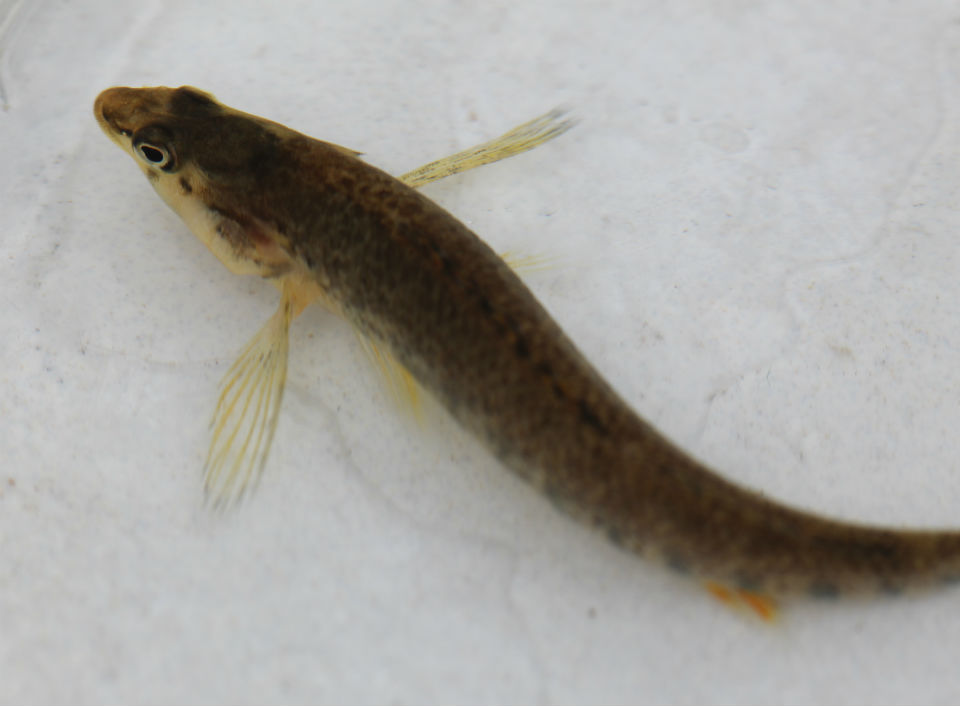
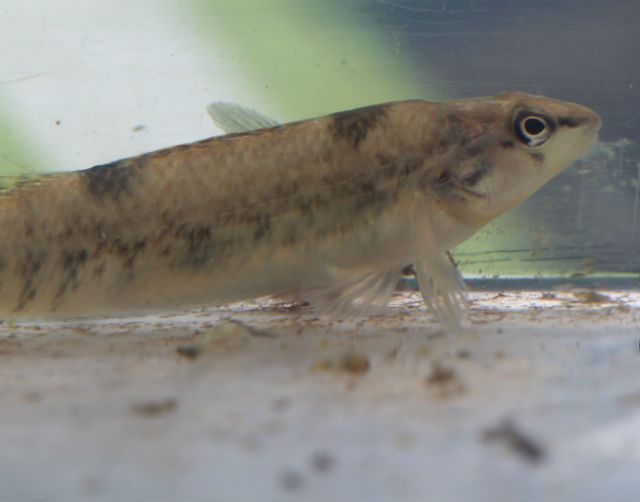
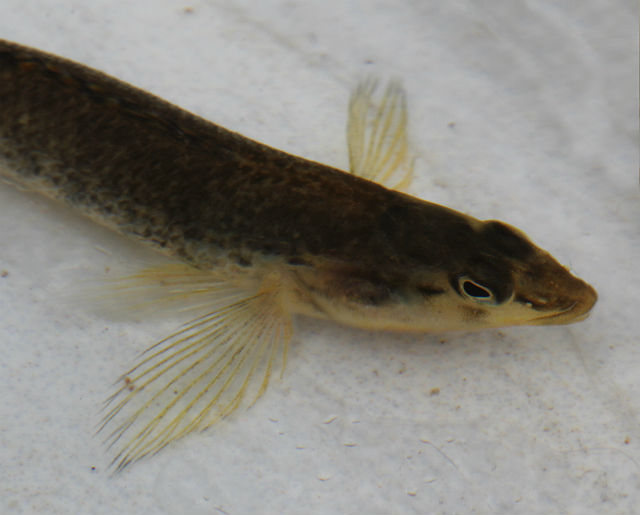
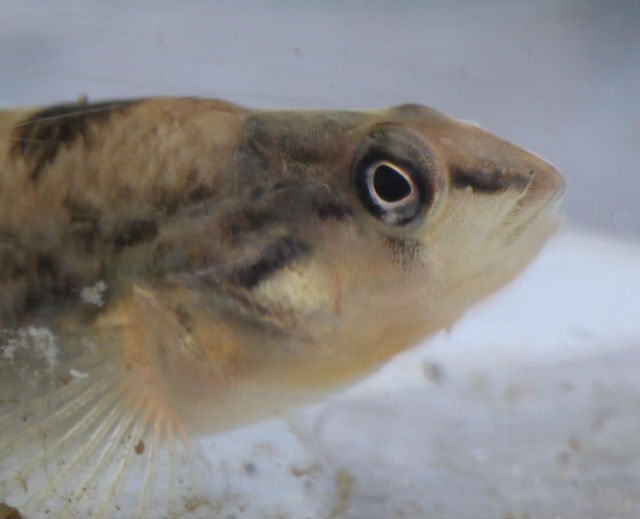
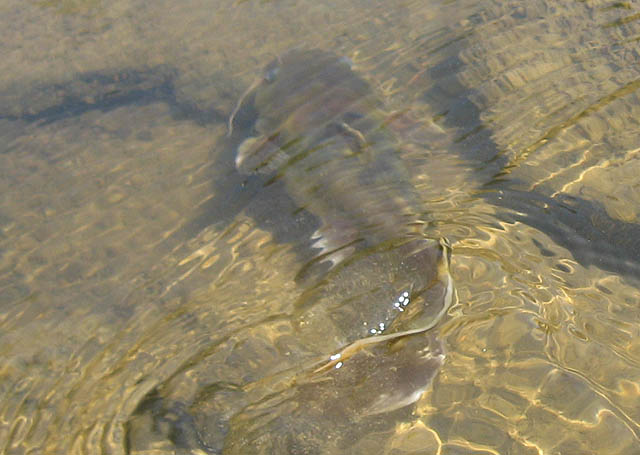
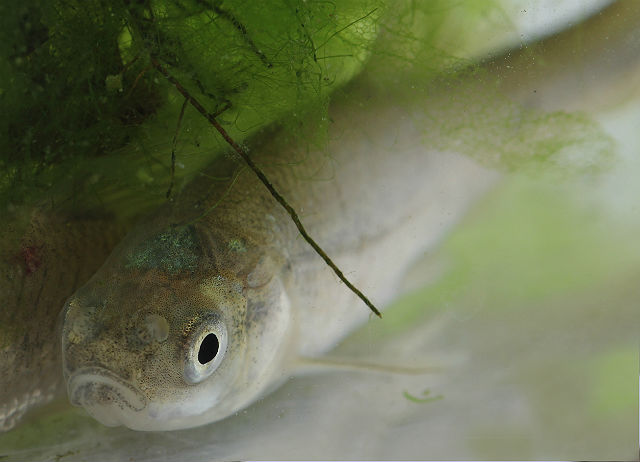
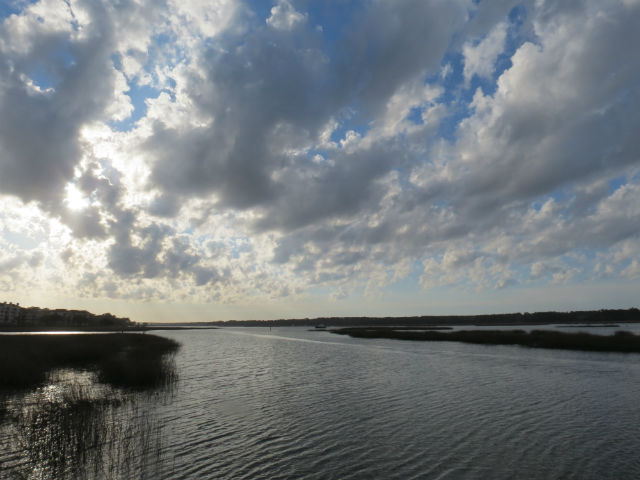
I did a bit of fishing when visiting South Carolina earlier this month and caught one of these cool creatures. This fish likes to reside on mud, and to a lesser degree, sand bottoms in relatively shallow water. Southern Flounders commonly enter fresh water and have been found 100 miles up rivers.
Southern flounder_9662

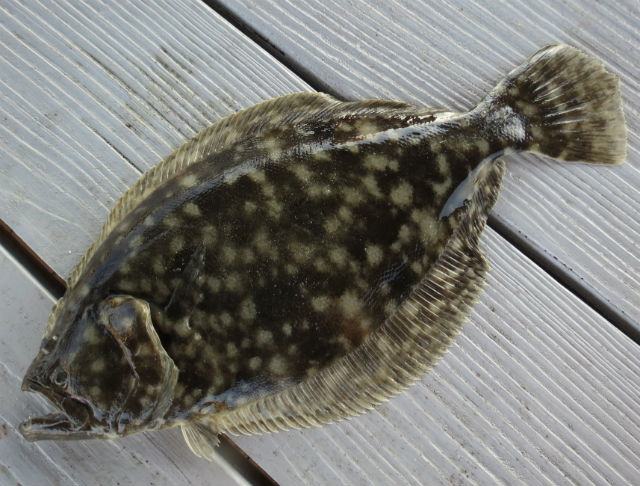
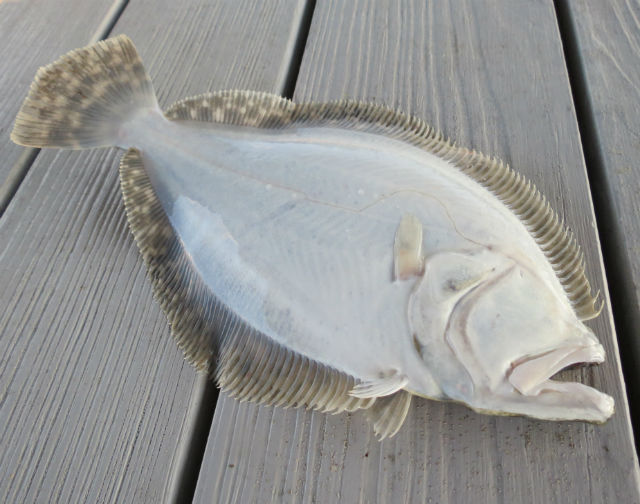
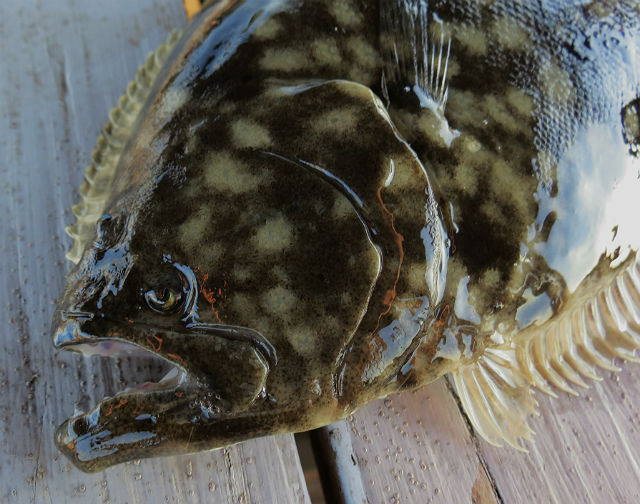
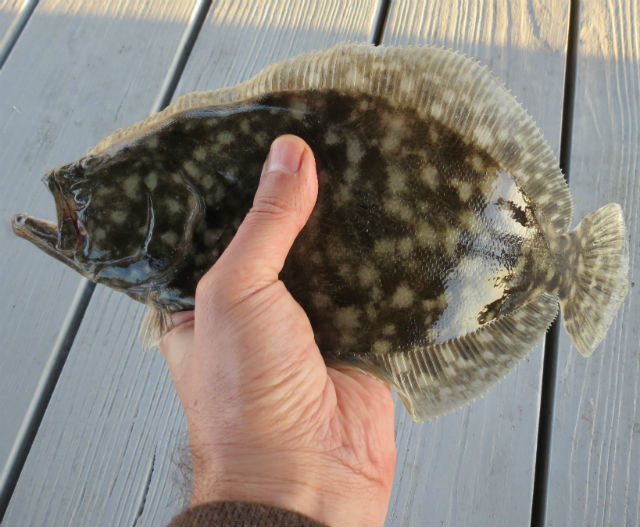
The body is very compressed laterally and right side is white and eyeless. The left side has both eyes and is olive brown in color with dark and white spots.
Southern flounder_9661

Flounders are known for their unique and spectacular transformation from a normal-looking fish with an eye on each side of the head to both eyes on the same side of the head. Movement of the right eye to the left side of the head begins when the fish is a to ½ inch in length and is complete when the fish is ¾ inch to 1 inch in length. During this time, the left side develops its dark color and the right side turns white.
Southern flounder_9660

These fish are well adapted for ambushing quick-moving prey such as fish or shrimp. Their flattened shape allows them to become nearly invisible on the bottom. Their brain has large optic lobes to provide them with good vision, and they have large mouths and strong teeth.
Southern flounder_9666

Typically Southern Flounder range from 15 to 18 inches, but the fish can grow to as large as 33 inches. It was an awesome experience to meet one of these fish “in person.”
Third Eye Herp
E-mail

Central Stoneroller

central stoneroller_7518

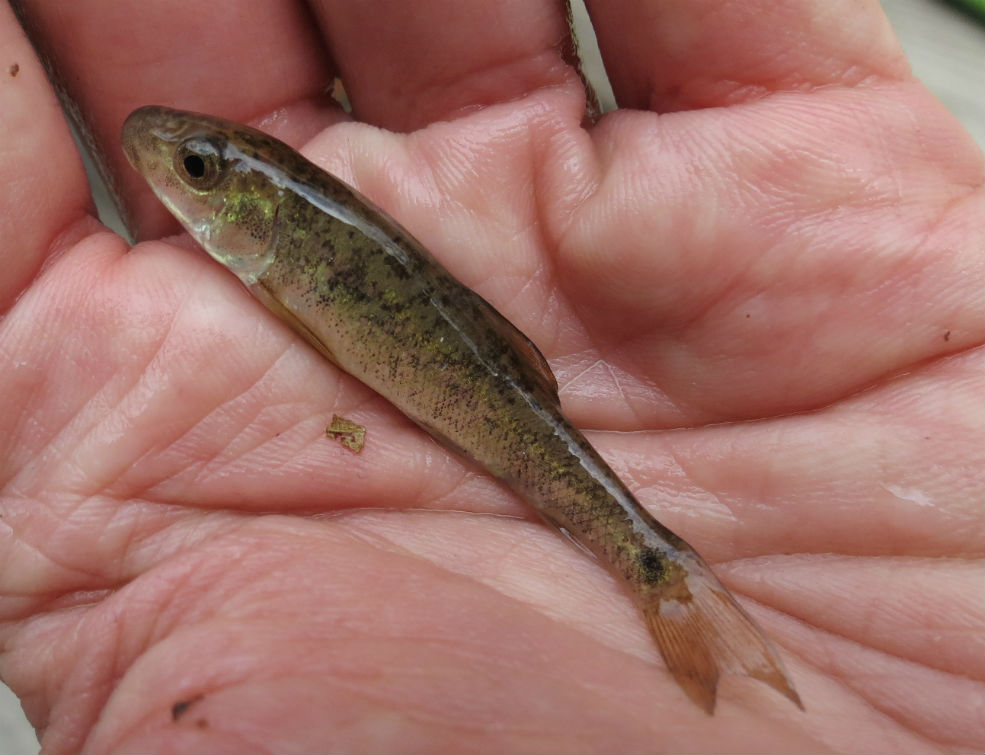
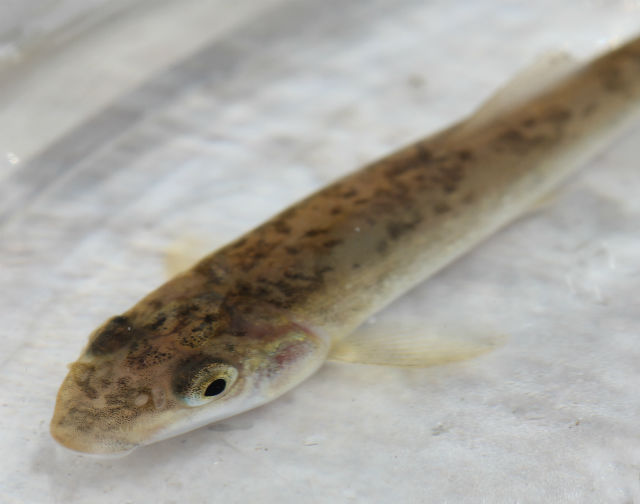
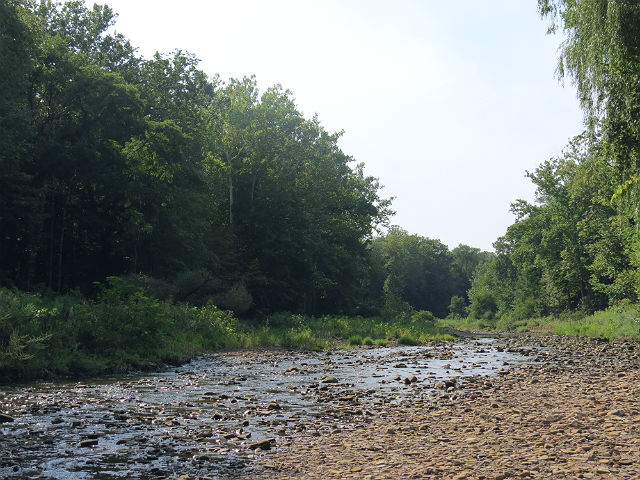
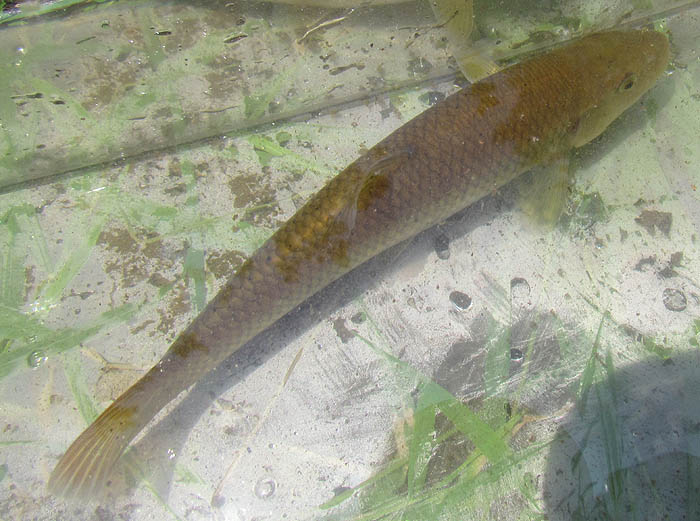
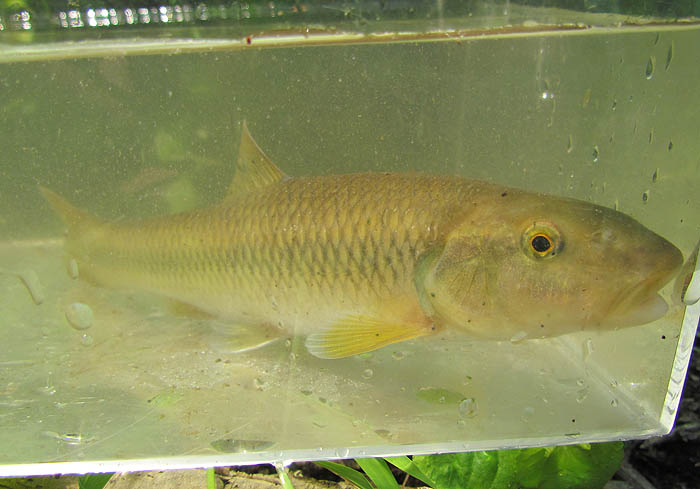
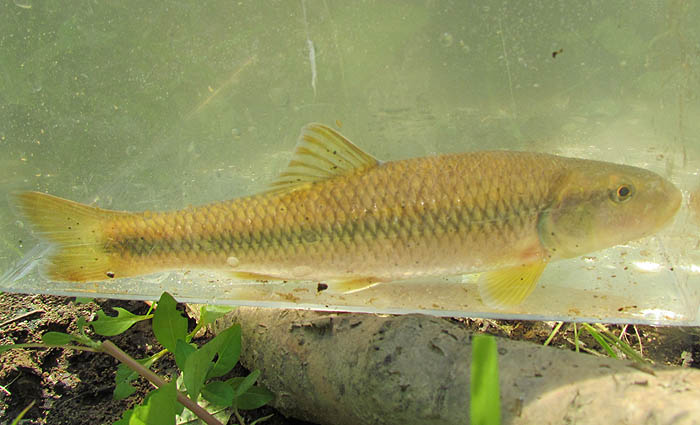
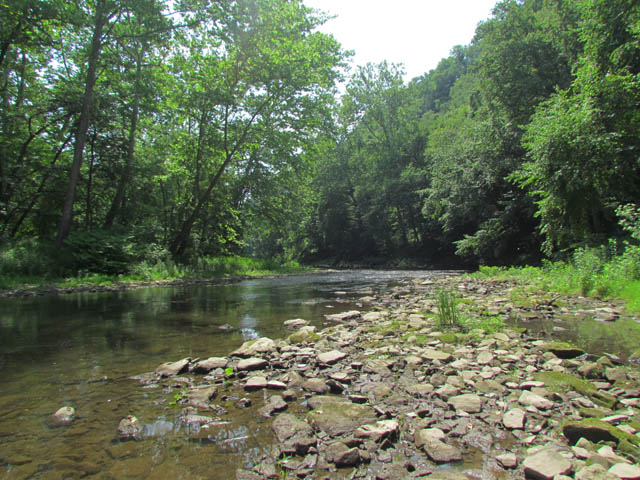
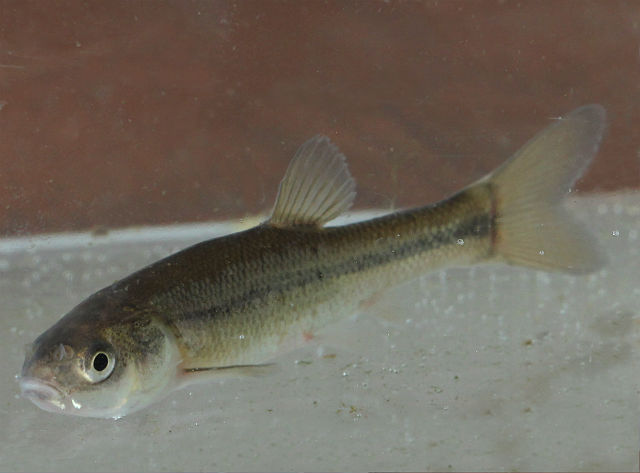
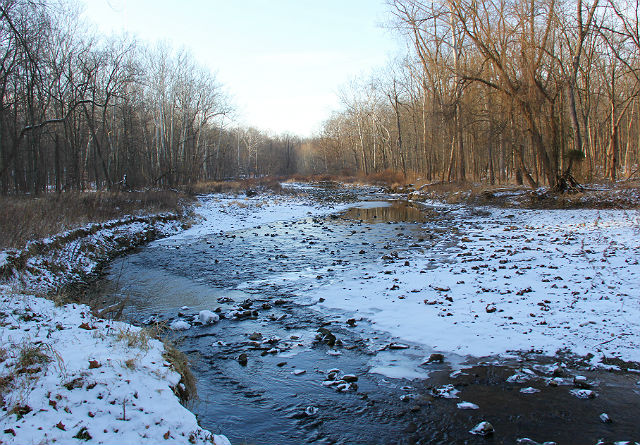
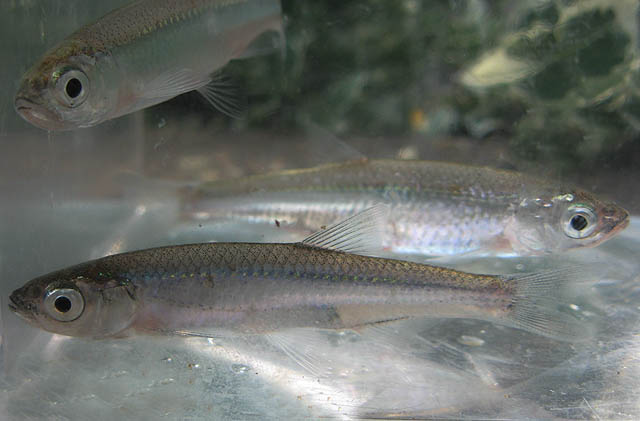
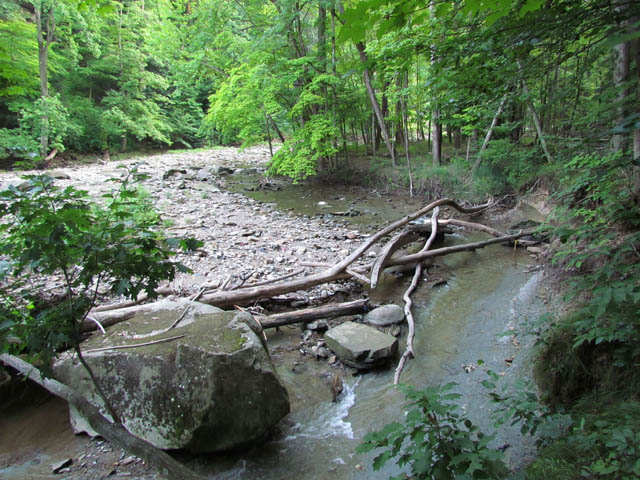
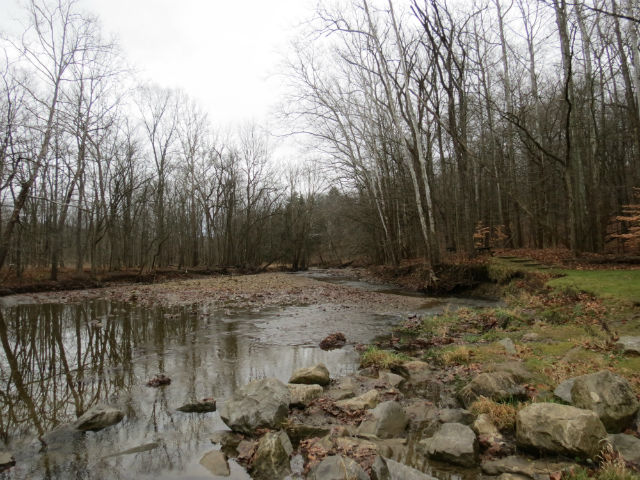
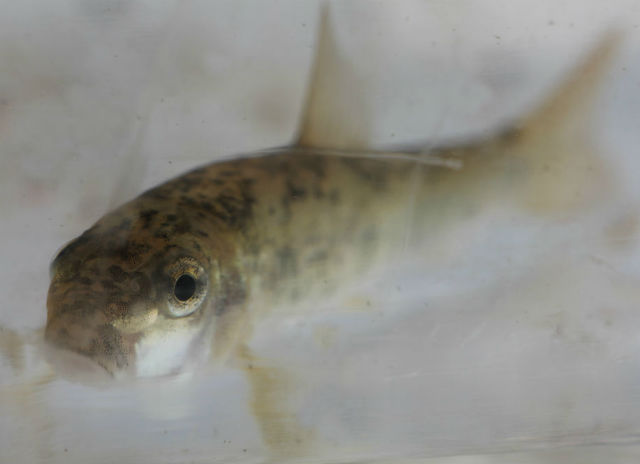
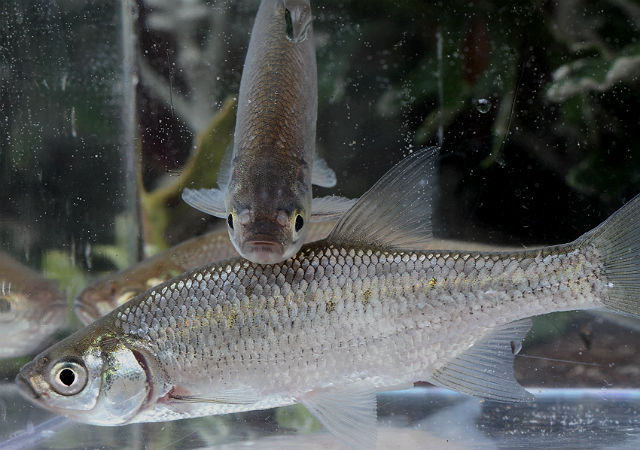
After spending a bit of time exploring this creek, a caught a cool fish. The common name for this fish, “central stoneroller,” comes from the behavior of the male excavating a nest by moving gravel with its nose.
central stoneroller_640

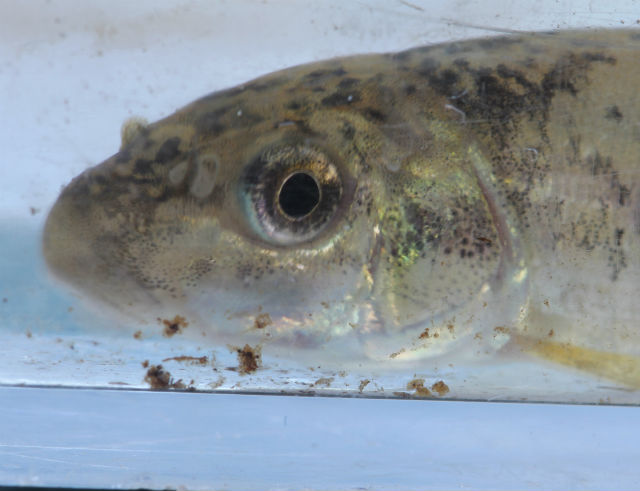
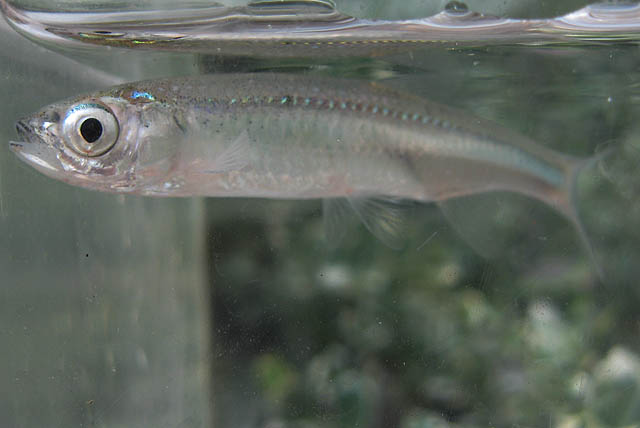
These are moderately stout, brownish colored minnows with small eyes and short, rounded fins. The snout is bluntly rounded and projects beyond their nearly horizontal mouth. Their mouth is white.

central stoneroller_5754

The Central Stoneroller is found throughout Ohio in moderate to high gradient streams with sand to gravel bottoms. They prefer riffle areas where riffles and pools alternate in rapid succession. Adults range in length from 3 to 5 inches, but they can reach 7 inches and males are generally larger than females.

Central Stoneroller_2061

They feed by scraping algae and and other organic matter from rocks and logs with the spade-like extension of their lower jaw. It is classified as a grazing minnow in its feeding behavior, and large schools of these fish often feed together.

Central Stoneroller_1929

The Central Stoneroller belongs to the Minnow and Carp family of fish. It goes by several other names: Dough Belly, Racehorse Chub, Rotgut Minnow, Steel-backed Chub, Stone Luger, Stoneroller, and Tallow-mouth Minnow.

Third Eye Herp
E-mail

Fantail Darter

logperch_0001

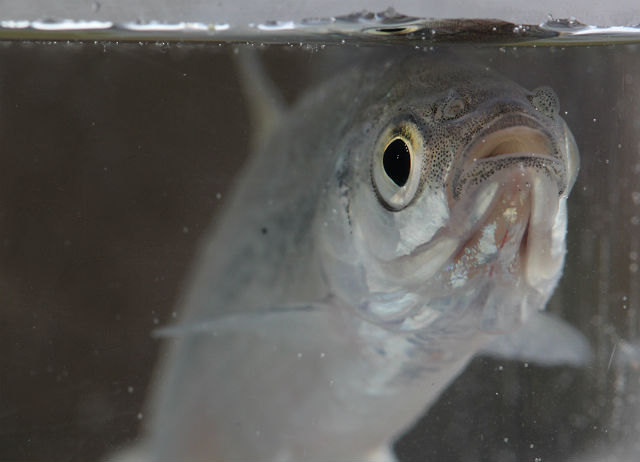
Fantail darters have a long, slender body shape with a rounded tail. They have a straight-forward pointing mouth and pointed snout. Unlike some other Ohio darters, they have no bright colors on their body, only shades of brown.

logperch_0002

These fish Fantail darters are well distributed throughout Ohio. They are most abundant in medium to small streams in the range of 20-40 feet wide. They are found in slower riffles or pools under flat slabs of rock. I often see them in Chippewa Creek in Brecksville Reservation.

logperch_0003

The Darter Family has the second largest number of species of freshwater fishes in North America (only the minnow family has more species). Currently there are about 165 species of darters known and all reside in North America.

logperch_0005

Fantail Darters are rather tolerant of pollution and turbid muddy waters and are usually the last darter species to disappear from badly polluted streams. Depending on the size of the specific darter, they can eat anything from tiny insects to larger insects and larva.

logperch_0006

Darters usually rest on the bottom. When disturbed, they dart away quickly to a hiding place, which accounts for their common name.

Third Eye Herp
E-mail

Northern Pike

Northern Pike_3667

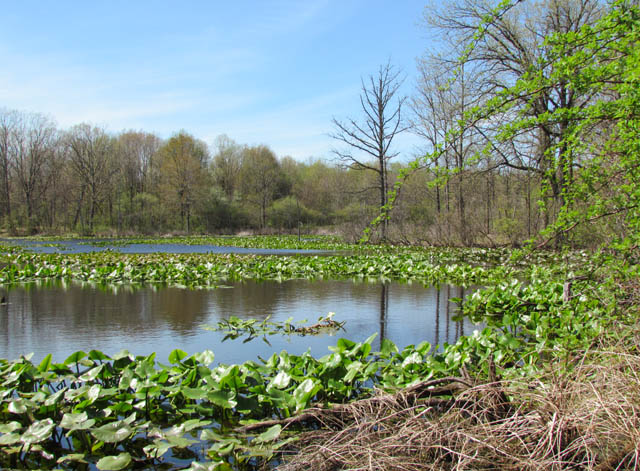
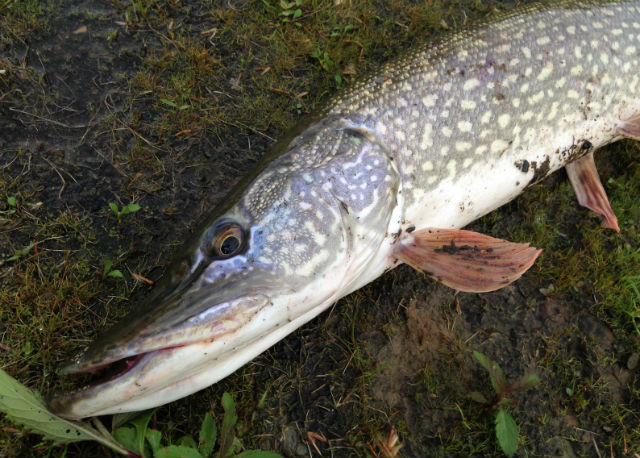
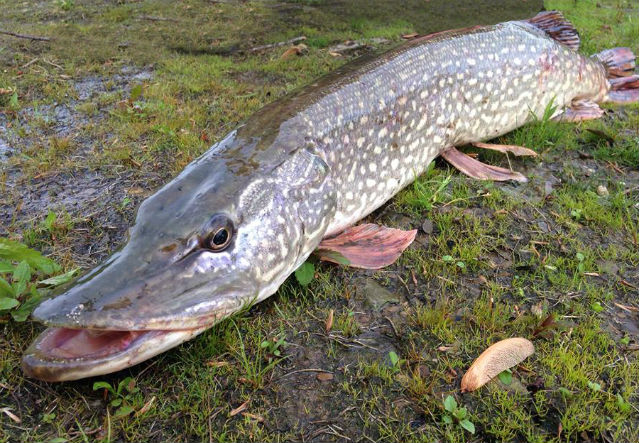
I went fishing with my brother-in-law at a small lake not far from my house and he landed this incredible fish. This fish gets its name from its resemblance to the pole-weapon known as the pike (from the Middle English word for “pointed”).

Northern Pike_0872

Northern Pike average 18-20 inches in length. They can be identified by their single dorsal fin and light-colored spots along their dark body. They are found in a variety of freshwater habitats, from cold deep lakes, to warm shallow ponds, to muddy rivers. They have a broad range of tolerances for water temperature, clarity and oxygen content.

Northern Pike

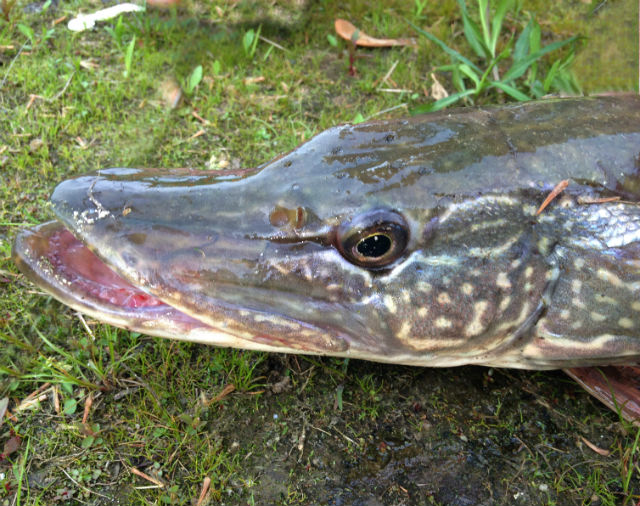
These are aggressive, solitary fish. They typically lurk, relying on camoflauge and are able to attack quickly. Their eyes are highly movable and are able to see in practically any direction. They are “sit and predators” that usually hide in some type of cover, cocked in an “S” position and ready to strike.

Northern Pike_0868

Northern Pike are equipped with sharp teeth and have very complex skull and jaw structures, enabling them feed on smaller fish, frogs, crayfish, small mammals and birds. These fish are top predators in the systems they inhabit and it was very cool to encounter one in the wild.

Third Eye Herp
E-mail

River Chub

River Chub

While exploring this waterway, I saw a few decent-sized torpedo-like fish. I decided to investigate further and catch one. It turned out to be a River Chub. The River Chub is the largest of Ohio’s minnows, occasionally attaining lengths of 12 inches. They are sometimes caught by fisherman.

River Chub_9901

Living in rivers and streams, they prefer large amounts of gravel and cobble. These fish are often found hiding around boulders, submerged logs and other structures on riffles and runs.

River Chub_9915

These fish deposit eggs on gravel where they construct large circular nests. The nests are occasionally four feet long and are often used for egglaying by other species of fish as well. Male River Chubs can move up to 200 pounds of stones to build the nest.

River Chub_9936

River Chub are good indicators of water quality, because of their intolerance of pollution and siltation.

Third Eye Herp
E-mail

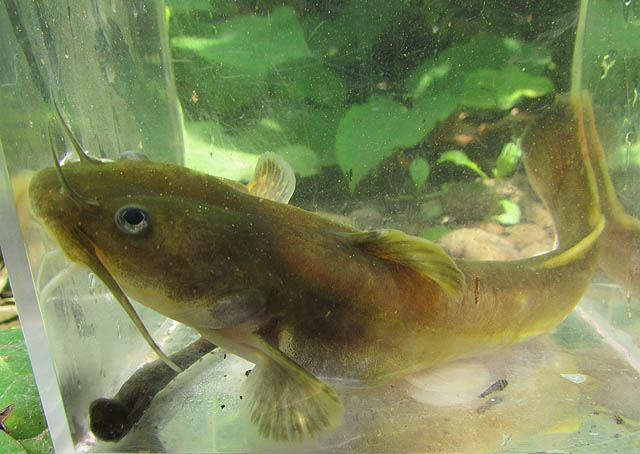
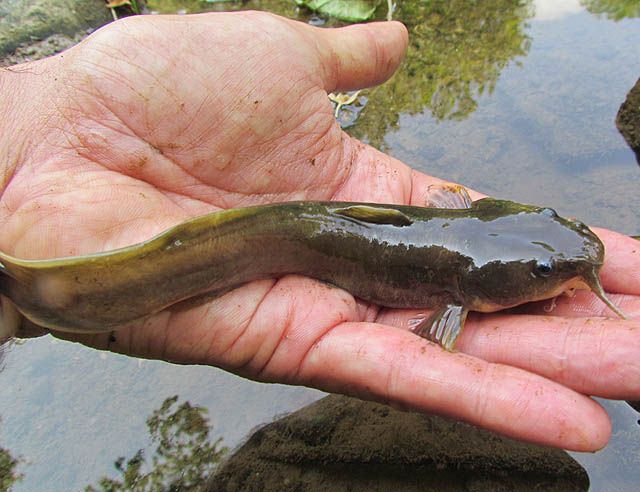
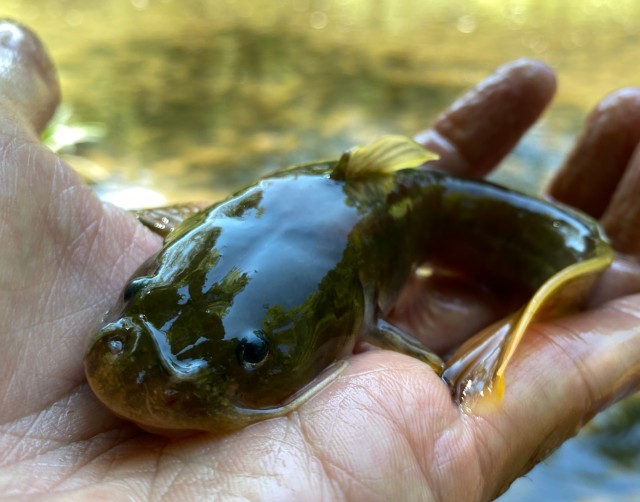
Stonecat Madtom

Stonecat Madtom_9017

The Stonecat Madtom is the largest species in the group of catfishes known as madtoms. They are the most common of six species of madtoms found in Ohio.

Stonecat Madtom_9074

They are primarily a species found in medium to large rivers in areas with moderately fast current and large boulders and slabs. The Stonecat received its name because of its tendency to hide beneath flat rocks.

stonecat_9070

They spend the day hidden and come out at night to feed. At night, stonecats emerge to feed on the many aquatic insects and crayfishes that also occupy these habitats.

Stonecat Madtom_9087

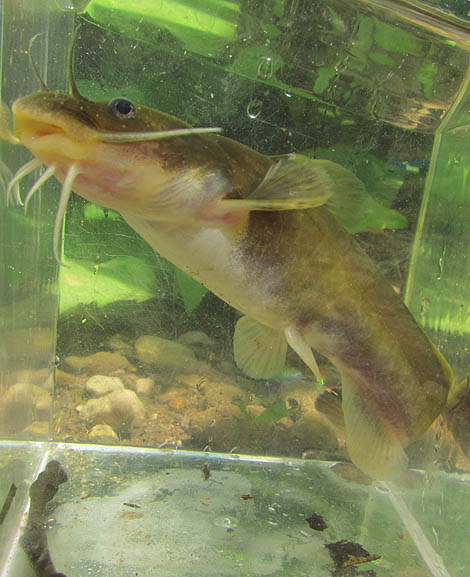
Their flattened body allows them to wriggle beneath large, flat rocks to hide or to seek out food. Stonecats, like the other members of the catfish family, have barbels (whiskers) that are used to help them locate food.

Stonecat Madtom_3969

Stonecat Madtoms serve as indicators of water quality. They are not present in highly polluted areas or areas with a large amount of siltation. Therefore they are a very valuable “indicator” species to humans.

Stonecat Madtom_1713

For some unknown reason, these fish are also good indicators of Smallmouth Bass populations. It seems if there is a good population of Stonecat Madtoms in the area, there will also be a good number of Smallmouth Bass, which was definitely the case on this outing.

Third Eye Herp
E-mail

Bluegill

bluegill_5617

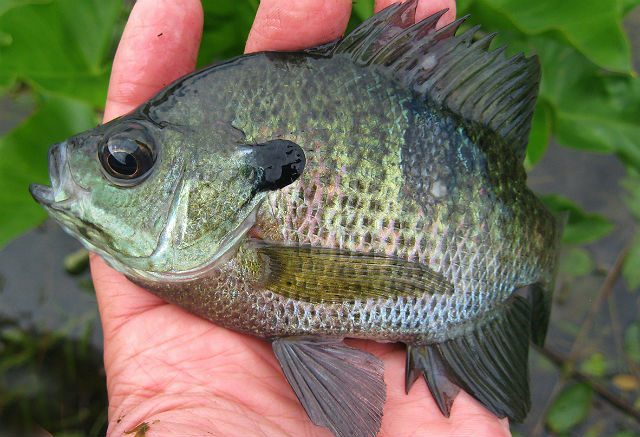
Bluegill are an important and abundant sport fish in the United States. They are also one of the most common species in Ohio and can be found in almost every body of water throughout the state.

bluegill_4439

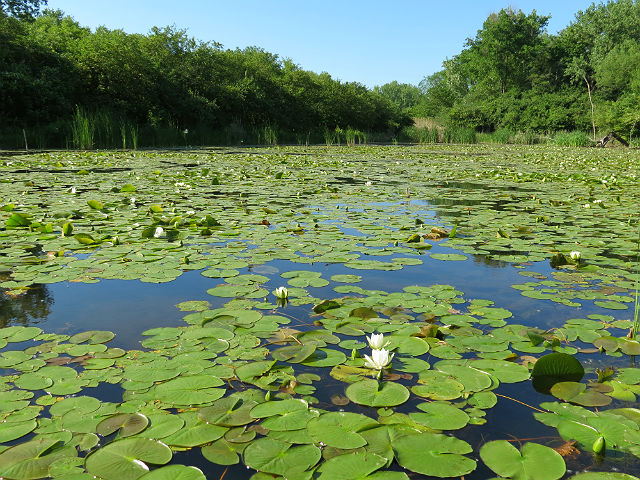
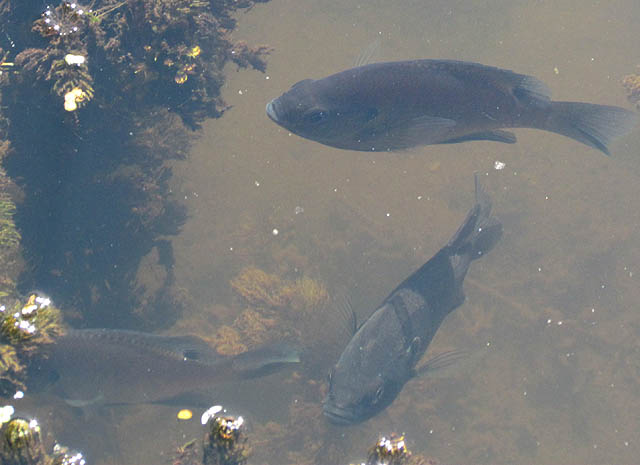
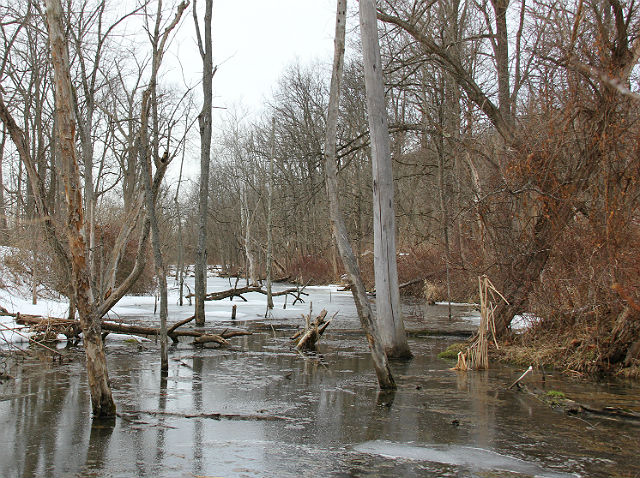
They are most abundant in clear lakes and ponds that have some rooted aquatic vegetation. They usually hide around and inside old tree stumps and other underwater structures.

bluegill 038

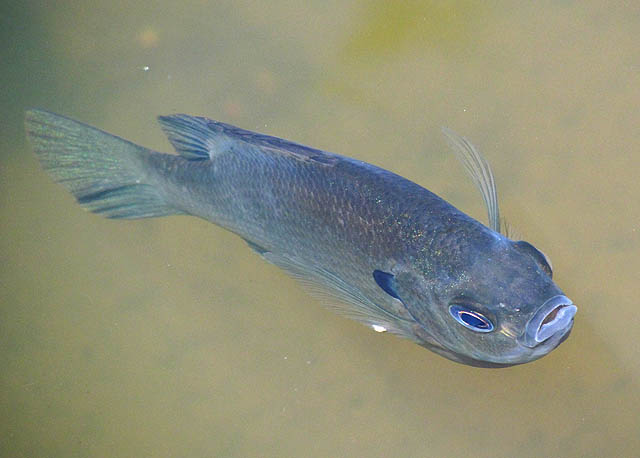
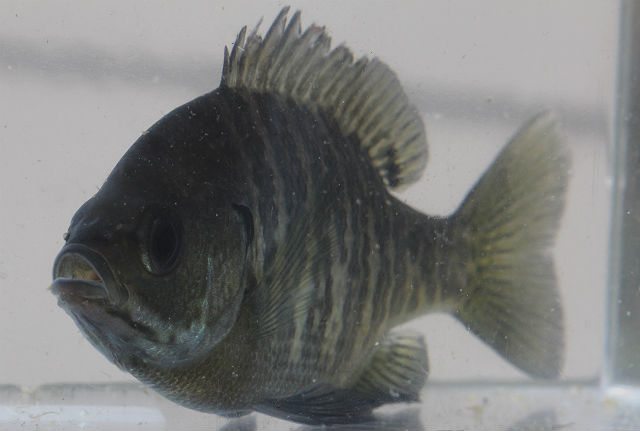
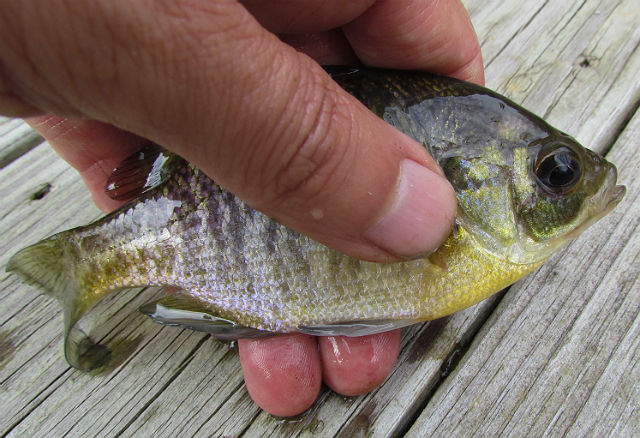
They can grow up to 12 inches long, though they are usually about half this size. They can have beautiful coloring, with deep blue and purple on the face and gill flap, dark olive-colored bands down their sides, and a fiery orange to yellow belly. It is the most common member of the Sunfish Family has a distinctive black spot behind the gills.

bluegill_2097

Like other sunfish, Bluegill have very deep and highly compressed bodies. The name “bluegill” comes from the iridescent blue and purple region on their cheeks and gill covers.

bluegill_5080

Bluegill eat just about any little animal that will fit into their small mouths, especially aquatic insects and land insects that fall into the water. They are important aquatic predators in the streams and ponds they occupy. In turn they provide food for larger fish.

bluegill_9067

Not only does it play a critical role in the freshwater environment it inhabits, this common creature also is an example of the beauty in nature that is all around us, yet very often overlooked.

Third Eye Herp
E-mail

Fathead Minnow

Fathead Minnow 068

The Fathead Minnow has natural geographic range extends throughout much of North America, from central Canada south along the Rockies to Texas, and east to Virginia and the northeastern United States. This minnow has also been introduced to many other areas via bait bucket releases.

fathead minnow 021

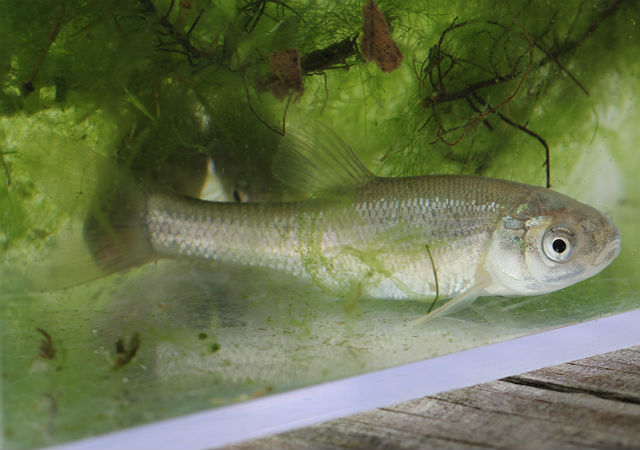
Though not very “flashy,” being dull olive-grey in appearance, this is a very successful fish. Their tolerance for multiple environmental conditions, characteristics of their life history and their popularity as bait species contribute to their widespread distribution.

Fathead Minnow 036

The Fathead Minnow is quite tolerant of turbid, low oxygen water and can most commonly be found in small lakes, ponds and wetlands. They can also be found in larger lakes, streams and other habitats as well.

Fathead Minnow 044

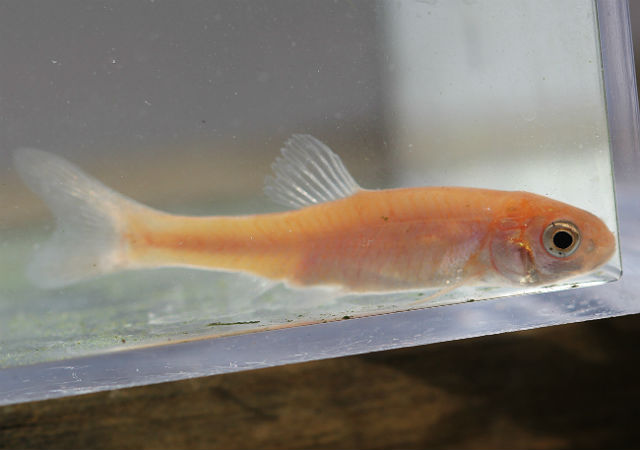
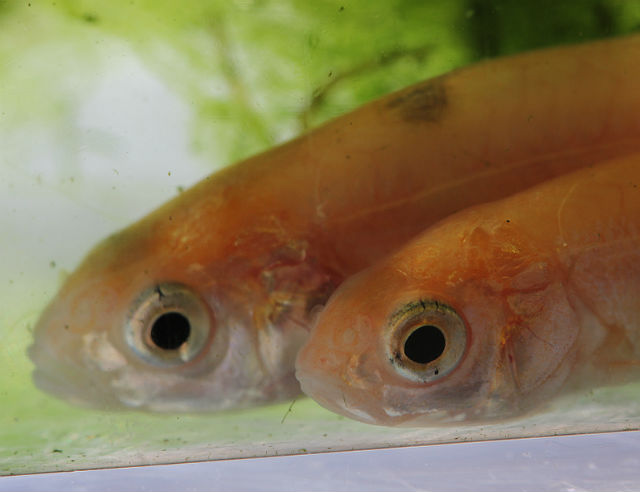
The golden (xanthic) strain is known as the “Rosy Red” and is a very common feeder fish sold in the United States. This color version of the fish is also sold in the pet trade.

Fathead Minnow 002

Now only is this well-known to fishermen and aquarists, but to science the Fathead Minnow famous for producing Schreckstoff, which is a distress signal. The alarm substance is released when the fish is injured by a predator and can be detected by other Fathead Minnows, which then hide or dash away.

Fathead Minnow 010

And if all that wasn’t enough, this species is also important as a biological model in aquatic toxicology studies. Because of its relative hardiness and large number of offspring produced, EPA guidelines outline its use for the evaluation toxicity of aquatic environments. It has been the most widely utilized North American model for ecotoxicology since the mid-twentieth century.

Fathead Minnow 038

Averaging only 2-3 inches long, the Fathead Minnow is a little fish with a lot going for it.

Third Eye Herp
E-mail

Silver Shiner

shiner 003

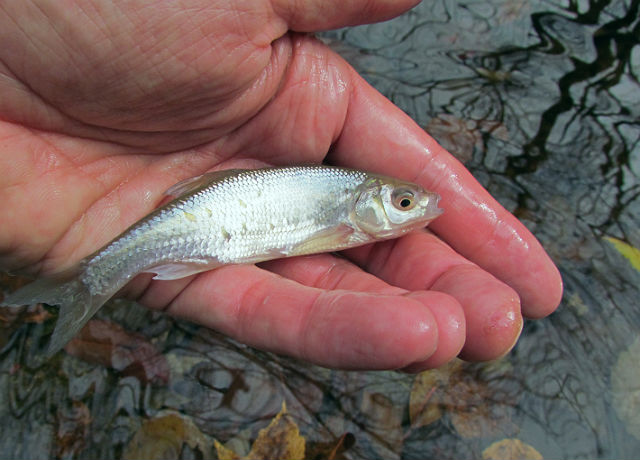
The Silver Shiner is a slender minnow with large eyes. Adults average three to four inches. The body is silvery, with some blue or green iridescence. All of the fins are transparent, with no spots or other distinctive markings.

shiner 020

Shiners are schooling fish. They feed, travel and spawn sometimes in very large groups. When feeding, the “dimpling” they create may look like raindrops on the water.

silver shiner_1848

They can often be seen jumping out of the water to capture flying insects at the tail end of deep swift riffles in moderate-sized, clear creeks.

shiner 032

This fish can be found in large streams and small rivers with clean water flowing over a bed of rocks. They typically avoid muddy bottoms and rooted aquatic vegetation.

silver shiner_1853

The Silver Shiner is considered to be a minnow. Minnows are a huge family of fishes. About 2,100 species are distributed in North America, Eurasia and Africa.

shiner_9550

Minnows are important food items for other fish species. They are essential in maintaining healthy aquatic systems. While several species of minnows are used as bait fish, the vast majority of them never even receive a passing glance from most humans.

Third Eye Herp
E-mail

Smallmouth Bass

Smallmouth Bass_1581

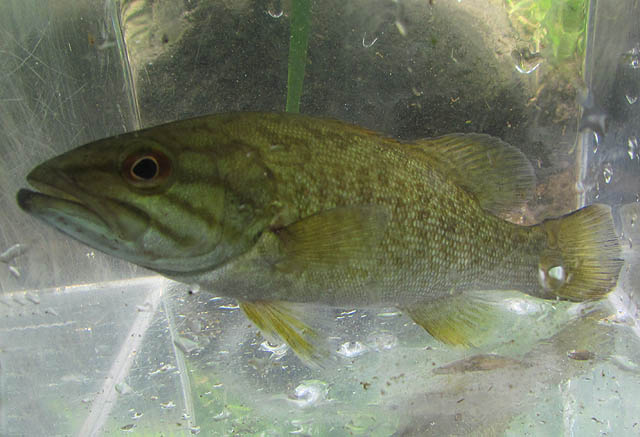
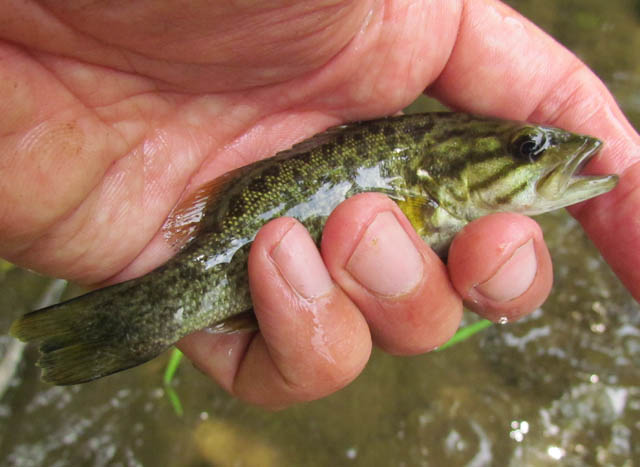
Smallmouth Bass are native to Ohio and are found in every county of the state. They are known for their acrobatic abilities and putting up a very strong fight when caught on hook and line. I caught this one with a net.

Smallmouth Bass_9116

These fish thrive in streams with gravel or rock bottoms with a visible current. They feed primarily on crayfish and other large aquatic invertebrates, but will also feed on small fish and flying insects that fall into the water.

Smallmouth Bass_9114

Despite the common name, their mouth is relatively large, with the upper jaw almost reaching the rear margin of the eye. A distinguishing marking is dark bars which radiate back from the eyes.

Smallmouth Bass_9137

Smallmouth Bass also have dark, vertical bars which are usually green or gray in color. In Ohio, the average adult size is 9-12 inches – this one still has some growing to do.

Smallmouth Bass_9123

Sometimes called a “bronzeback” for its brassy brown hue, the Smallmouth Bass is one of the strongest fish for its weight. The second largest member of the sunfish family, the Smallmouth Bass is only smaller than its cousin, the Largemouth Bass.

Smallmouth Bass_9139

When the railroads spread around the country in the second half of the 19th century, so did the smallmouth. It was transported by train and eventually became a popular sport fish throughout the United States.

Third Eye Herp
E-mail