Desert Night Snake

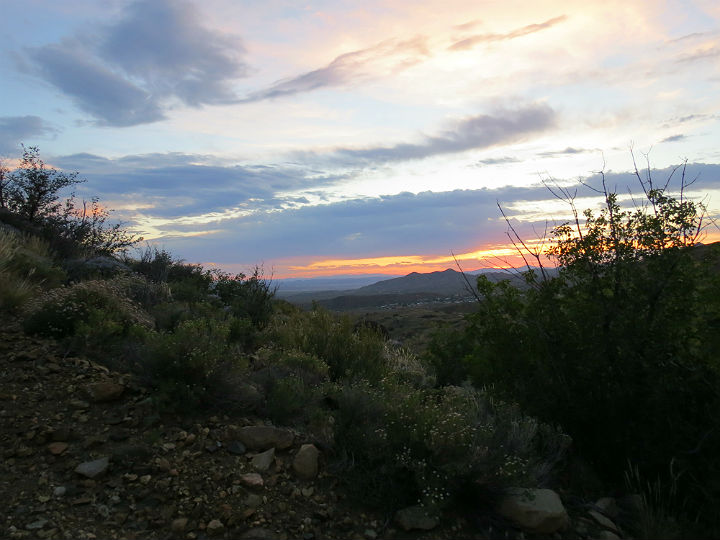
sunset_2775

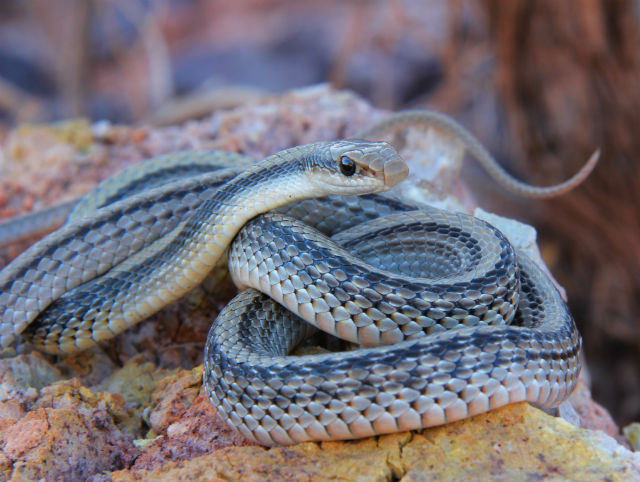
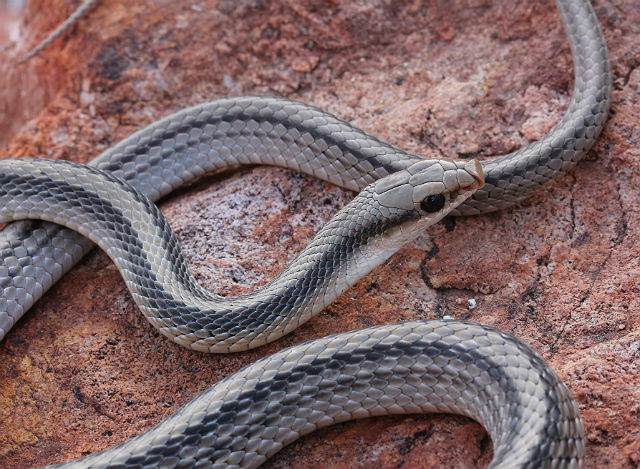
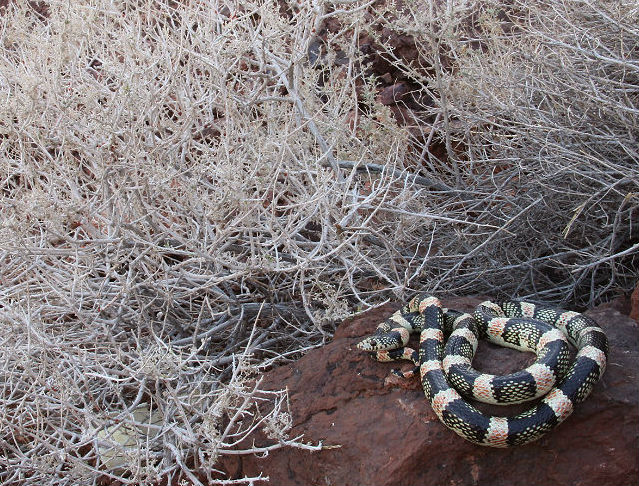
While driving on a remote, Las Vegas Area road one night last month, I noticed a tiny serpent on the pavement, crossing the street.

desert night snake_5990

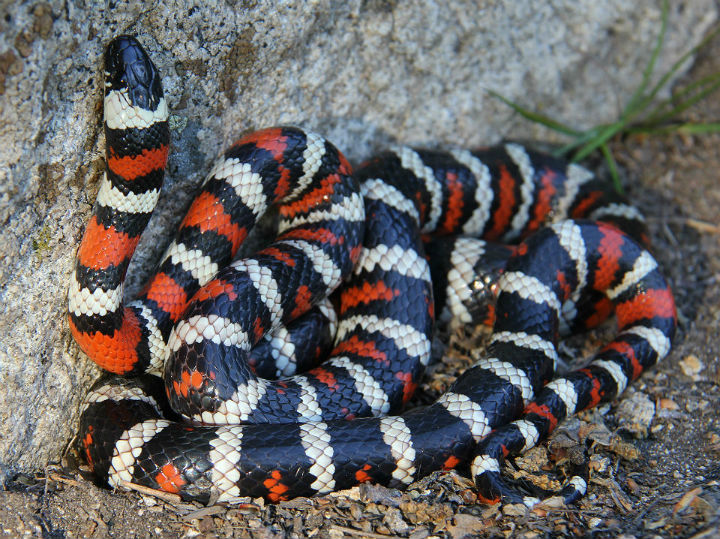
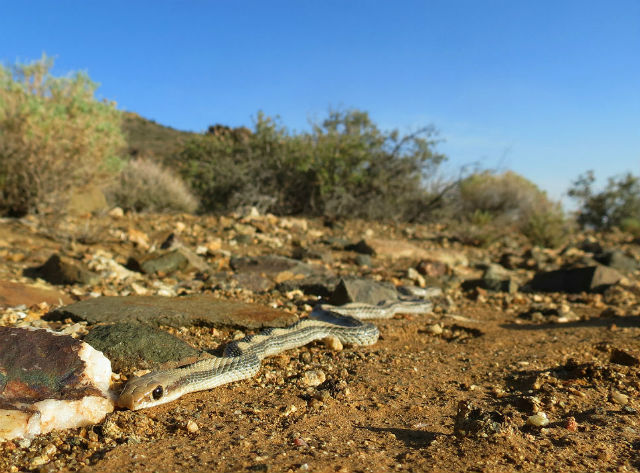
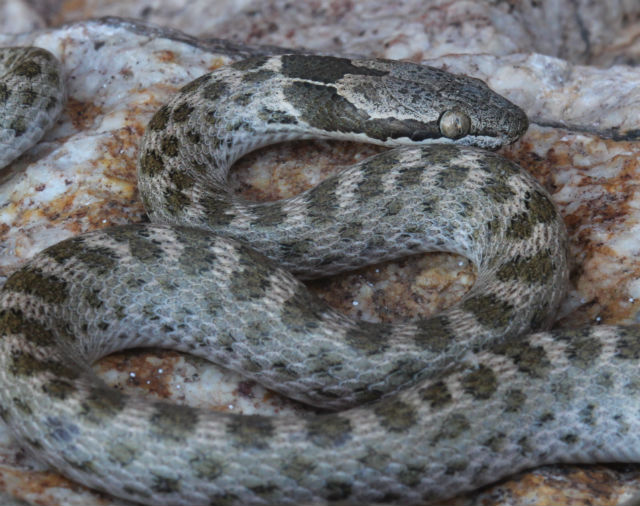
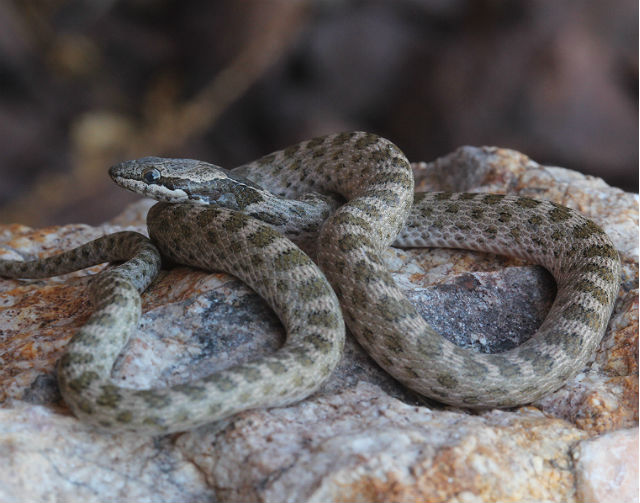
The Desert Night Snake is unusual among colubrids (the family it belongs to) in that it has elliptical pupils and is rear-fanged (mildly venomous, though harmless to humans).
desert night snake_5962

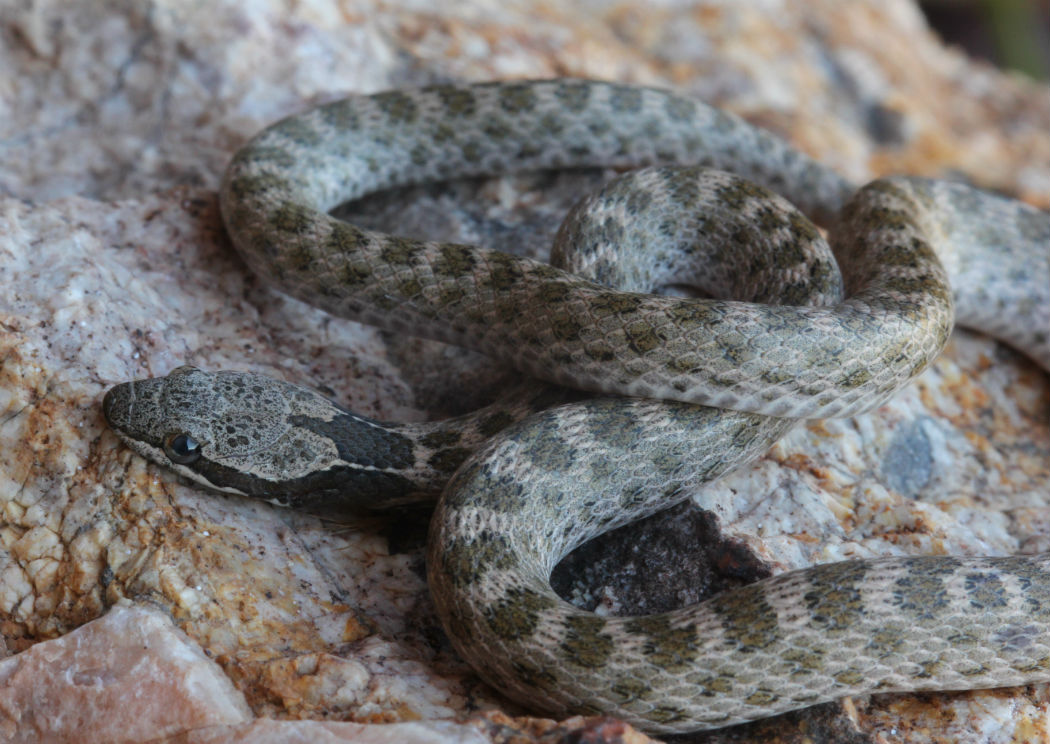
They tend to be small snakes, between one and two feet long, featuring pale gray or light brown ground color with brown blotches on its back and sides. Its head is flattened and triangular and it usually has a pair of dark brown blotches on the neck.
desert night snake_5966

These snakes can occupy a variety of habitats other than deserts, like grasslands, chaparral, woodlands and sagebrush flats. Their primary food item is lizards, which they use their venom to subdue.
desert night snake_5982

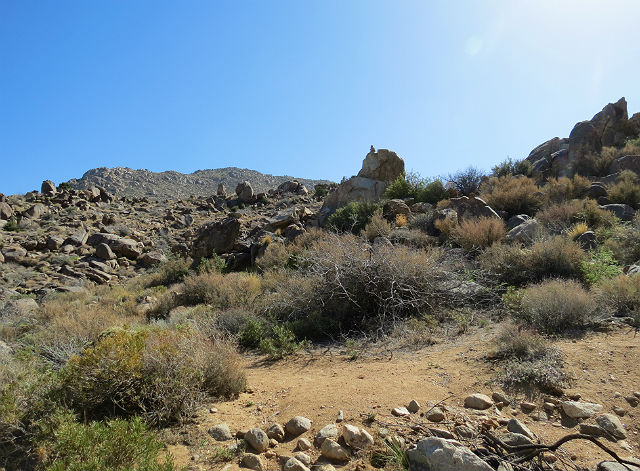
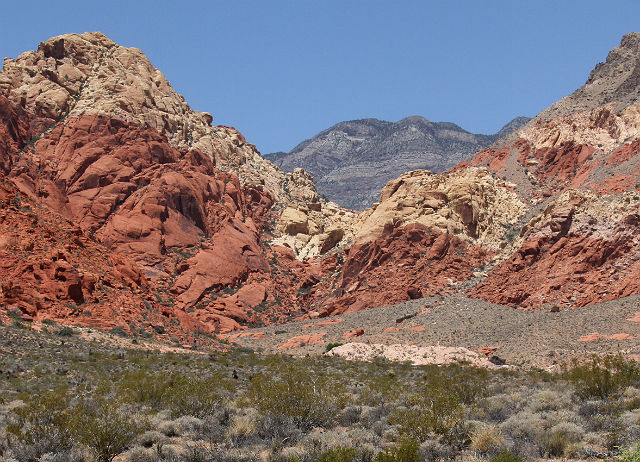
I haven’t seen one of these snakes in a few years, so it was really neat to encounter this one on my visit to the Mojave Desert.
Third Eye Herp
E-mail

California Striped Racer

California Striped Racer_0776

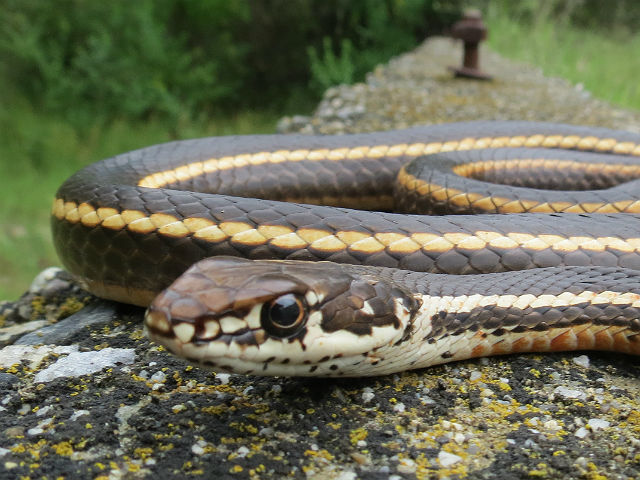
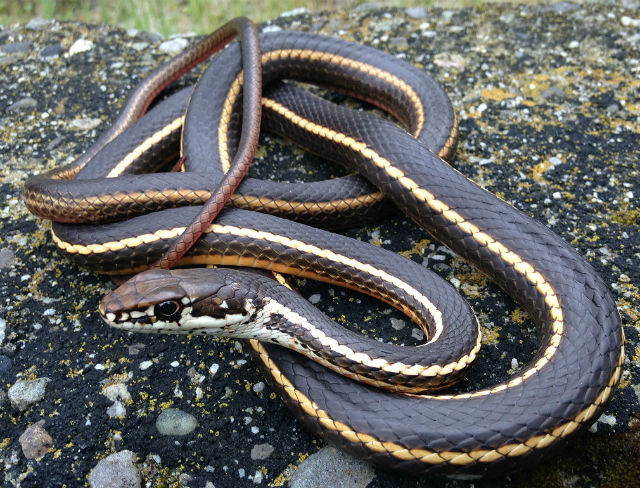
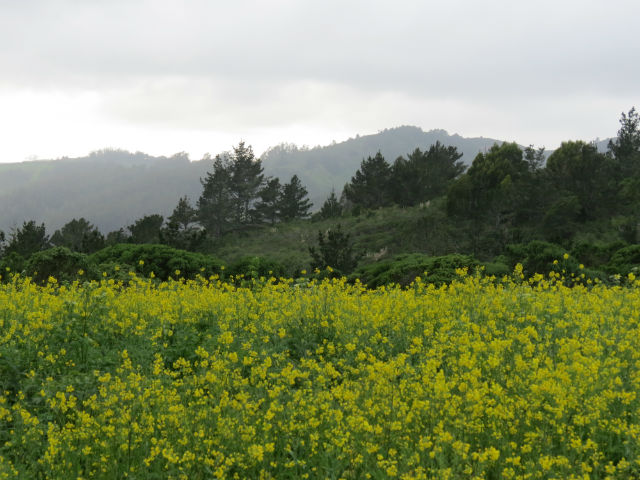
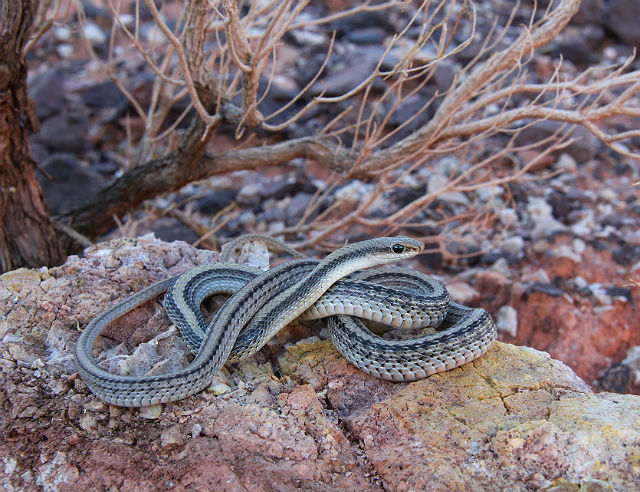
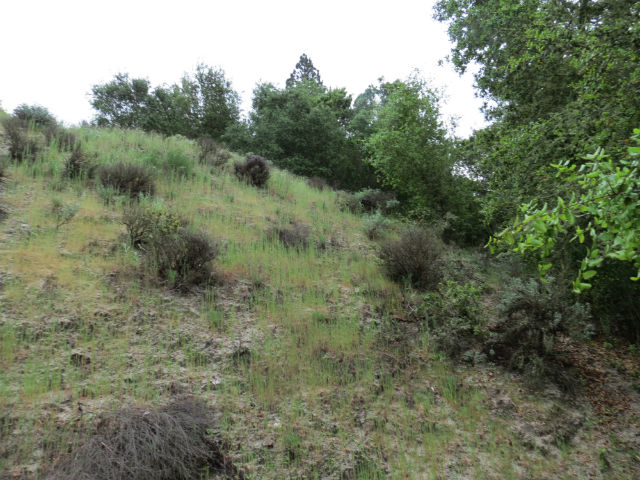
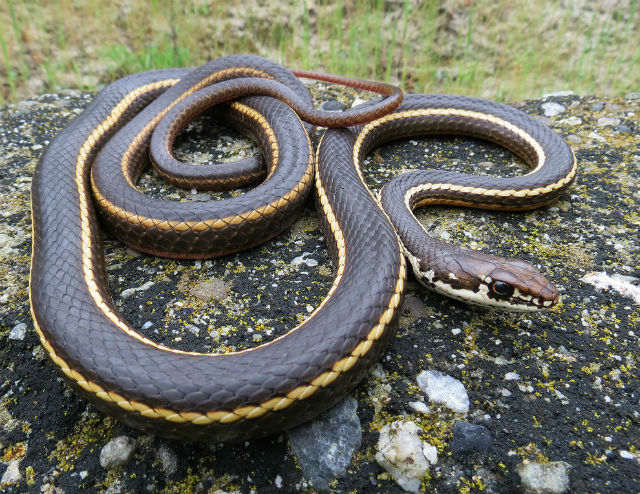
One morning last month while hiking near Santa Cruz, California I encountered this fine reptile. It has a distinctive “look” with a bold pattern, thin body, large eyes, elongated head and smooth scales.

California Striped Racer_0783

These serpents are also known as Whipsnakes and are long, slender and fast-moving (a yellow-orange “racing stripe” runs down each side of their body). They are active in the daytime and inhabit chaparral, scrubland, open woodlands and rocky hillsides.

California Striped Racer_0763

California Striped Racers can reach 5 feet, but are usually 3 to 4 feet long. They are whitish, cream, pale yellow, or orange below, becoming coral pink on the underside of the tail.

California Striped Racer_0780

These reptiles are known to eat a variety of prey including insects, lizards, snakes, birds and small mammals. They show a strong preference for lizards, which are captured by a grasp of the mouth and swallowed alive.

California Striped Racer_2017

California Striped Racers hold their heads high to look over grass or rocks. They are good climbers that can escape into shrubs or trees. It was awesome to see this snake on my visit to the Golden State.

Third Eye Herp
E-mail

Rubber Boa

rubber boa_0893

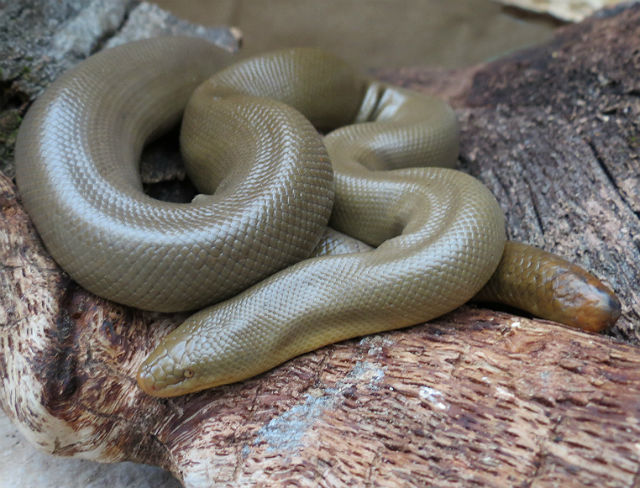
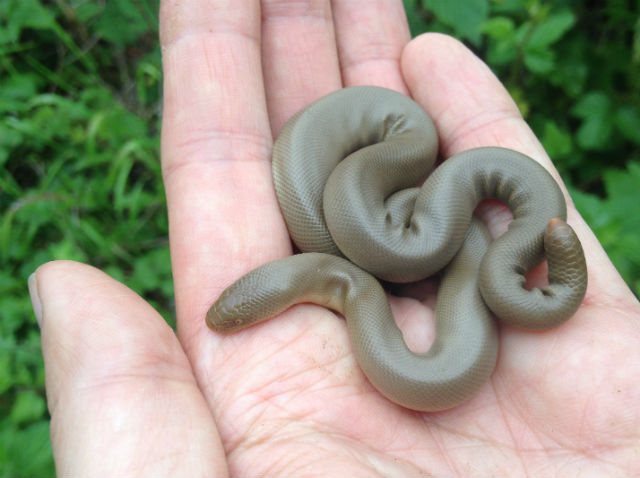
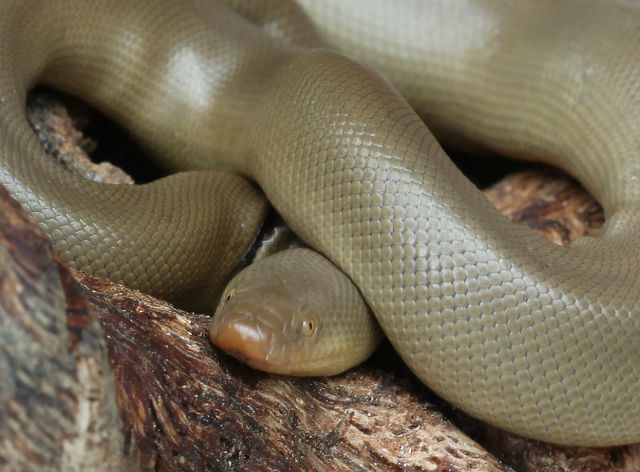
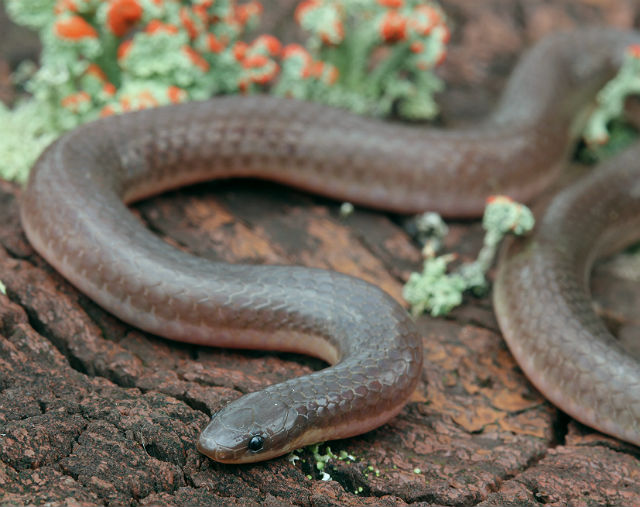
When most people hear the word “boa” they think of a tropical serpent of gigantic proportions. But not only is the Rubber Boa the most northerly-occurring member of the boa and python family, it also is rather small, never getting to 3 feet in length.

rubber boa_0698

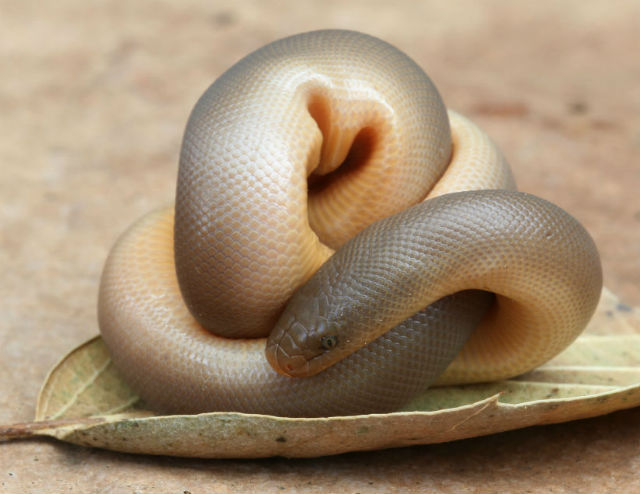
Named for its lithe, pliable skin, this reptile, especially in older literature, is sometimes called the “Two-headed Snake,” since its blunt tail is about the same size and shape of its head.

rubber boa_1912

The Rubber Boa is shy and rarely attempts to bite when caught. It is slow-moving and tends to curl up in a ball and hide its head when confronted with danger that it cannot escape from.
rubber boa_5070

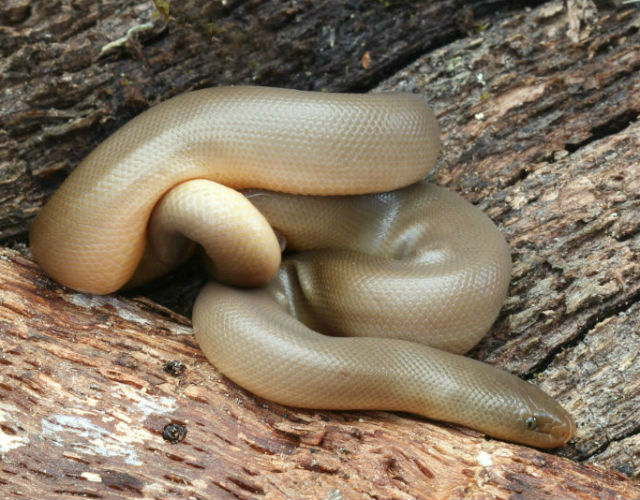
Unlike most snakes, the very secretive Rubber Boa likes relatively cool temperatures – 50-60 degrees. These snakes have a subterranean existence at least some of the time, they disappear in warm weather and seek cooler surroundings and moisture – often underground.

rubber boa_5067

This snake was found on a mountain. Because they tend to live in relatively cold areas of the United States and sometimes at high elevations, these snakes may hibernate six months out of the year in some areas.

rubber boa_5058

They are small, averaging 20-25 inches. Rubber Boas are unicolored and usually a drab shade of grey, brown or olive-green. It’s odd lifestyle and habits make this one of North America’s most unique serpents.

Third Eye Herp
E-mail

Yellow-bellied Water Snake

yellowbelly_2989

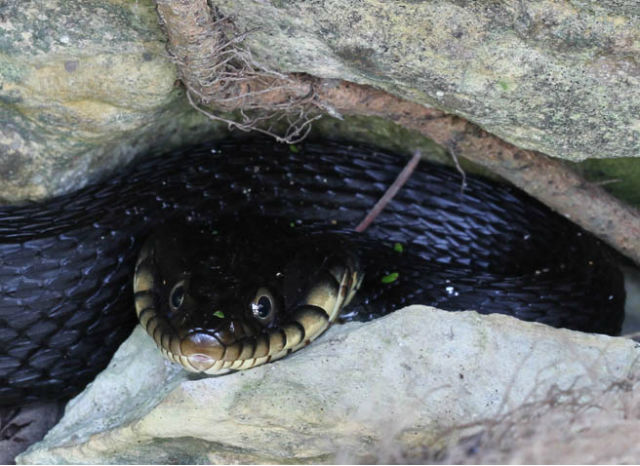
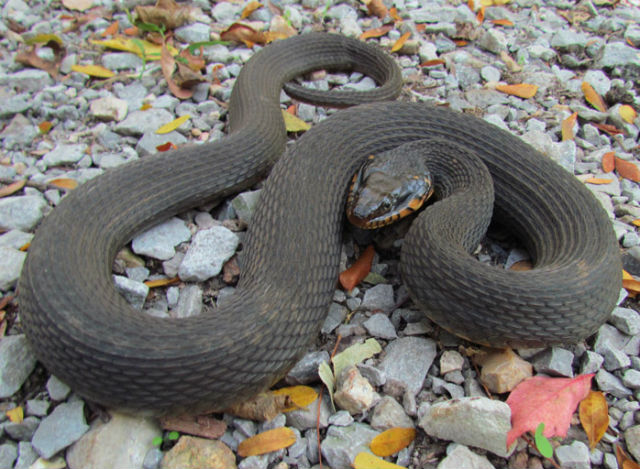
This is the most commonly encountered water snake on my recent trip to southern Illinois. It is named for its yellow belly. Its coloration is mainly gray or greenish with little or no pattern.

yellowb2

Like other species of water snakes, Yellow-bellied Water Snakes give birth to live offspring. The young are pale gray, with a pinkish cast on the sides, with squarish, alternating blotches. These markings begin to disappear during their second year.

yellowbelly_3859

Yellow-bellied Water Snakes are a species that is found in swamps, lakes and ponds – where it can be seen basking on overhanging branches or logs in the water.

yellowbelly20030

Water snakes are not constrictors; they simply overpower their food. This species has a preference for frogs, toads, tadpoles and salamanders – but it also eats fish and crayfish.

yellowbelly_1586

The Yellow-bellied Water Snake is less aquatic than the other water snakes. During hot, humid weather, it will travel considerable distances away from water. It is unique among water snakes in that it often flees onto land, instead of diving underwater when approached like most species of water snakes.

yellowBell

I enjoy encountering these reptiles, which are quite different looking than the Northern Water Snakes I commonly see in my home state of Ohio.

Third Eye Herp
E-mail

Coast Mountain Kingsnake

40 san bernadino_1022

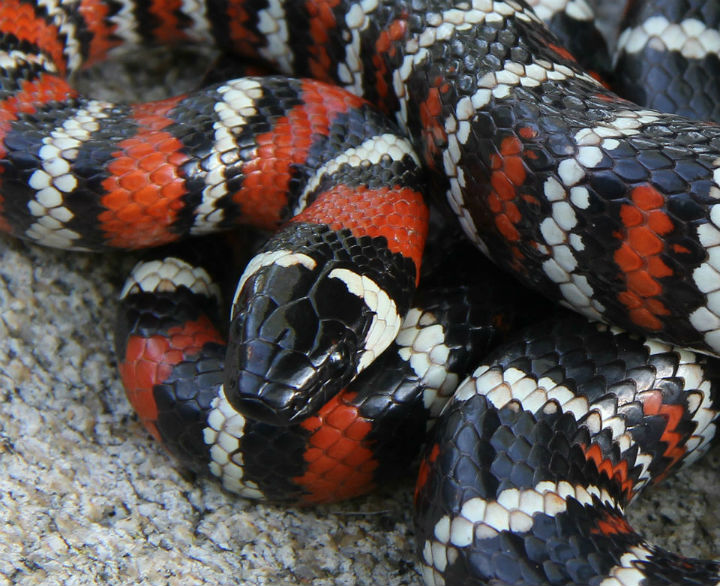
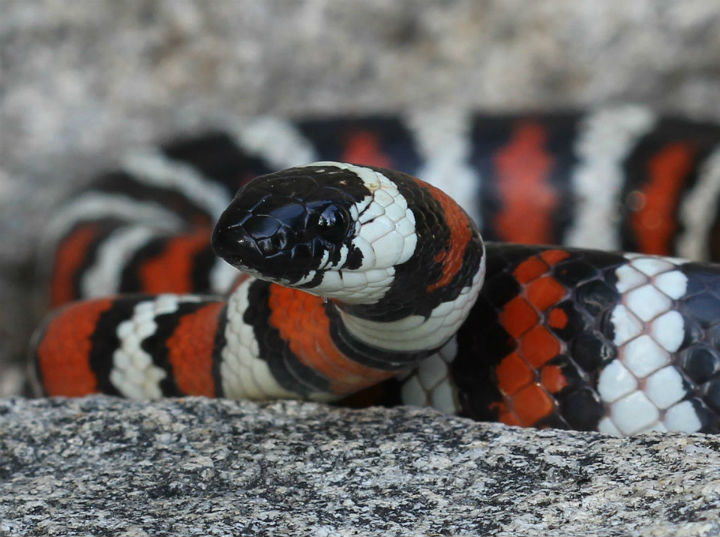
The most exciting part of my recent visit to southern California was seeing a few of these spectacular serpents in the field. This is one of the most strikingly colored snakes in North America. Its colors really stand out on its smooth, shiny scales.

45 zonata_8893

This reptile is endemic to North America and a Coral Snake mimic, having a similar pattern consisting of red, black, and yellow on its body, but kingsnakes are completely harmless.

45 zonata_9859

These are slender, smooth and medium-sized snakes usually about 24-30 inches long. Most Coast Mountain Kingsnakes live in the mountains of southern California, but they can adapt to a wide variety of habitats, including coniferous forests, oak-pine woodlands, riparian woodlands, chaparrals and coastal sage scrubs.

45 zonata_9875

Coast Mountain Kingsnakes are constrictors, their diet includes lizards, smaller snakes, nestling birds and bird eggs and small mammals. Once a family with several subspecies, Mountain Kings in California are now considered two species, this one and one in the northern part of the state known as the California Mountain Kingsnake.

45 zonata_9888

This reptile is mostly diurnal, but can be active at night in warmer weather. it is an excellent climber and prefers southwestern facing slopes, often retreating beneath granite flakes of rocks. It was awesome to see this species of snake in the wild.

Third Eye Herp
E-mail

Western Patchnose Snake

patchnose 4901

While hiking in the Cerbat Mountains in Arizona, I encountered this slender 3 foot snake. Most noticeable is the large, patch-like scale on the end of its nose. These tend to be earthtone snakes with black stripes.

patchnose_4994

The Western Patchnose Snake is found in sandy soils or rocky areas in lowland desert with open creosote bush flats or desert scrub. It is a very fast-moving snake and can disappear quickly if threatened.

patchnose 017

It’s eyes are large relative to the size of the head, which is an indication that this is a day-active predator that hunts mainly by sight.

patchnose 019

The enlarged scale on its nose is useful for burrowing while in search of its food: lizards, small mammals and reptile eggs. This snake does not constrict its prey, though it does throw loops of its body on top of the prey to subdue it.

patchnose 044

Many animals have curious adaptations that give them an advantage in surviving the natural world in which they inhabit. This reptile’s special scale, which appears as if it had been patched on in haste, gives it an edge when rooting out food items from the ground.

Third Eye Herp
E-mail

Longnose Snake

longnose 027

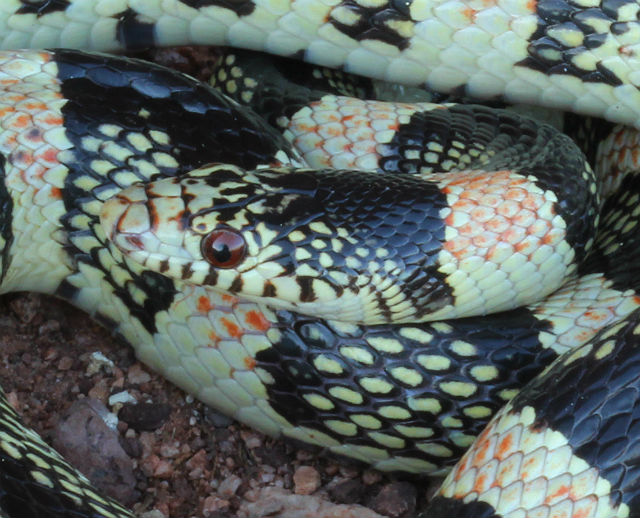
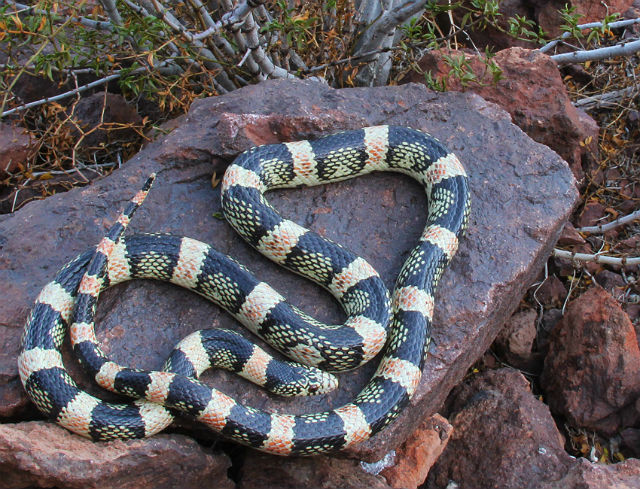
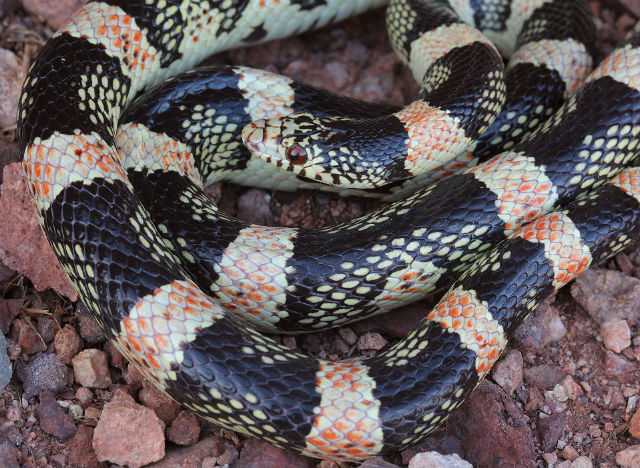
This slender snake tends to reach a length of about 3 feet. While there is considerable variation in pattern and color, generally this snake is banded or blotched with black, white (or yellow) and red.

longnose 014

Active primarily at night, this small constrictor primarily eats lizards and their eggs, but it will also eat small snakes and small mammals.

longnose 008

It is a ground burrower and like most desert snakes, it spends the majority of the hot daytime hours underground. The Longnose Snake prefers living in rocky or brushy habitat in desert, grassland and scrubland areas.

longnose 019

This is a gentle species that sometimes vibrates it tail when annoyed or hides its head in its coils when trying to avoid a potential enemy. I’ve caught quite a few of them over the years and have never had one attempt to bite.

longnose 004

This is one of my favorite desert snakes, as no two look exactly alike.

Third Eye Herp
E-mail

Eastern Worm Snake

worm snake_04_28 Powershot 360

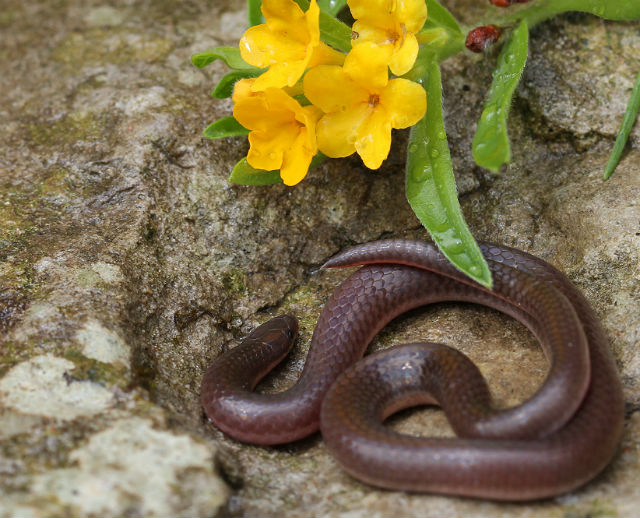
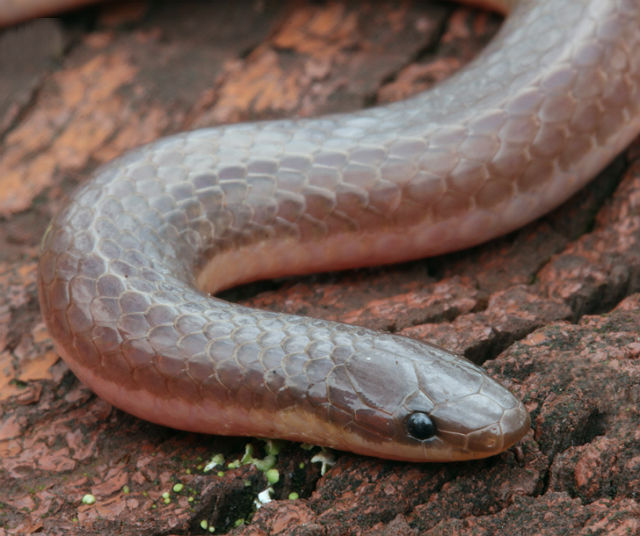
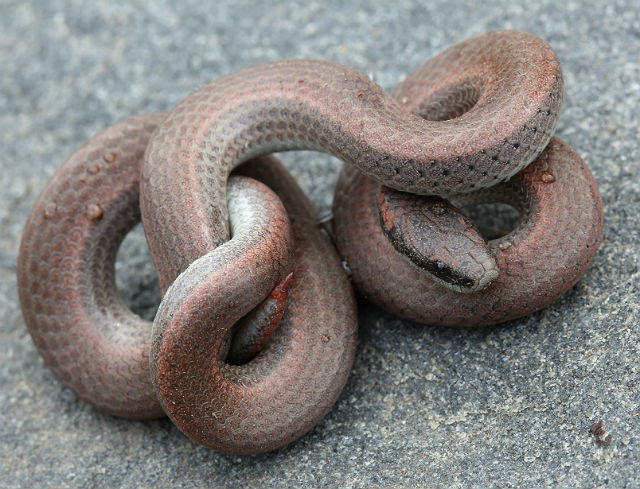
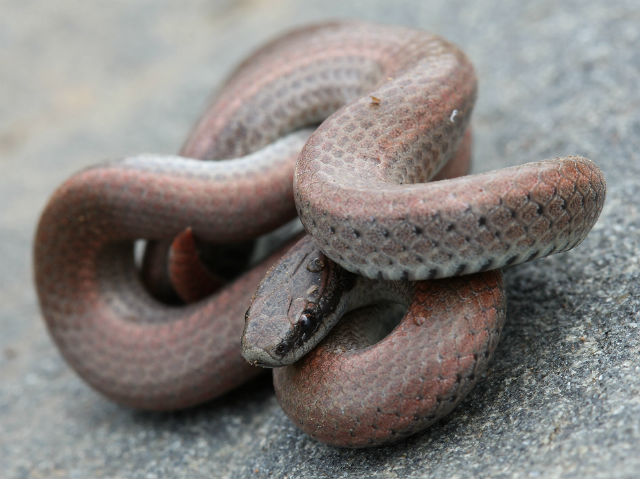
Worm Snakes are small snakes, only growing to about a foot long. Their color can vary from pinkish-brown to dark-brown. They somewhat resemble earthworms and spend most of their time underground, which is how they get their name. They are seldom seen.

worm snake 078

These reptiles are found where there is damp soil, especially in forests. They seem to prefer soils with abundant leaf litter. These snakes also live in meadows and along lakeshores.

worm snake 114

Their tail has a sharp tip. Although harmless to humans, this species will often press its pointed tail tip against its captor. Scientists think the pointy tail tip aids the snake in digging.

worm snake 076

Worm Snakes eat more earthworms than anything else. Other foods include slugs, snails, small salamanders and soft-bodied insect larvae like grubs and caterpillars.

worm snake 123

The scales of this reptile are smooth, iridescent and feel like satin. They have a pointed, flattened head and very tiny black eyes.

worm snake 117

These fascinating snakes are not native to northern Ohio (where I live) so this one was a pleasant find on my recent trip to Kentucky.

Third Eye Herp
E-mail

Sharp-tailed Snake

sharptail snake 029

The small snake is unique in many ways. It does not seem to have a close relationship with any other snake species. It is secretive and little is known about its lifestyle and habits.

sharptail snake 115

The tip of the tail has a sharp spine whose function no one seems to have figured out. It may be an anti-predator defense, or an aid in burrowing; perhaps it anchors the snake when it is digging or eating.

sharptail snake 125

Adult Sharp-tailed Snakes are small – usually about a foot long. They specialize in eating slugs and have proportionally long teeth to catch and hold onto their slippery prey. They seem to prefer invasive European slugs over native varieties and may be expanding their range as new gardens and flower beds are made by people.

sharptail snake 120

Due to its food preference, this snake is out and about when temperatures are so cool that most other snakes would are inactive. It sometimes can be seen crawling on the forest floor during rainstorms. They like to live in small clearings in forests. These reptiles can also be found under stones bordering gardens. They burrow into damp soil and rotting logs, retreating underground when the weather becomes dry.

sharptail snake 114

I always enjoy coming across this unusual little serpent in the field. A Sharp-tailed Snake was the first California snake I ever found, underneath a piece of fallen Redwood Tree bark 10 years ago.

Third Eye Herp
E-mail

Western Mud Snake

swamp_1808

Today I found one of the most unusual, elusive and beautiful snakes in the United States for the first time.

mud snake_1739

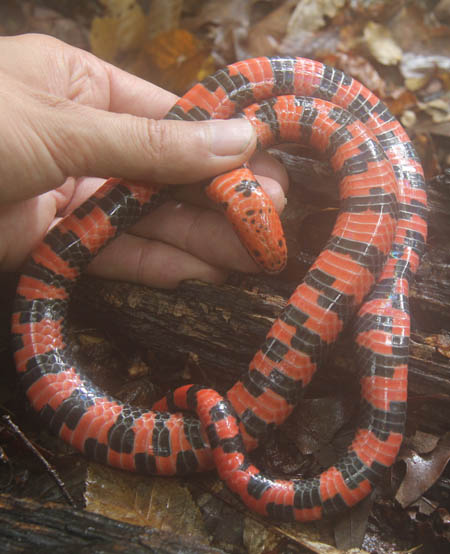
The Mud Snake is a highly-aquatic snake that is seldom seen because of its secretive habits. They are an iridescent glossy black with a red-and-black checkerboard belly pattern and the red often extends up the sides of the body.

mud snake_1744

Mud Snakes have a spine-like scale at the tip of their tail, and thus are sometimes known as “horn snakes.”

mud snake_1753

They are highly aquatic and spend most of their lives hidden in aquatic vegetation and debris. Unlike many other water snakes, Mud Snakes seldom bask out of the water and are seldom seen, even by dedicated naturalists and herpetologists.

mud snake_8033

Adults feed primarily on giant aquatic eel-like salamanders. It uses its uniquely pointed tail to prod its prey, causing it to uncoil for easier swallowing. Though the example I found was about two feet, this snake can grow to six feet in length.

mud snake_8044

It was a thrill to finally encounter this fascinating reptile for the first time.

Third Eye Herp
E-mail