Leatherleaf

01 Leatherleaf_0687

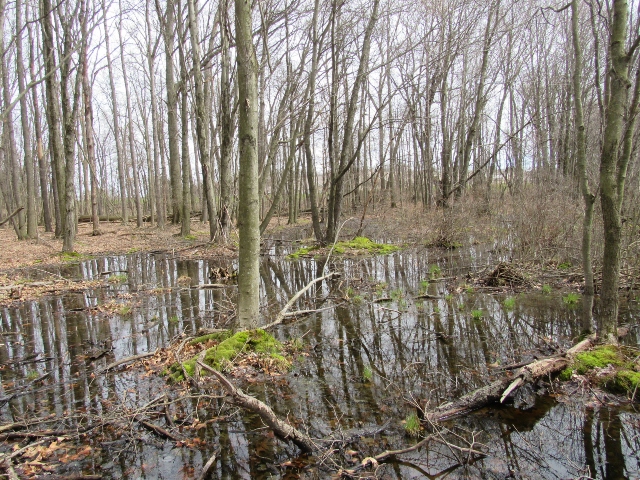
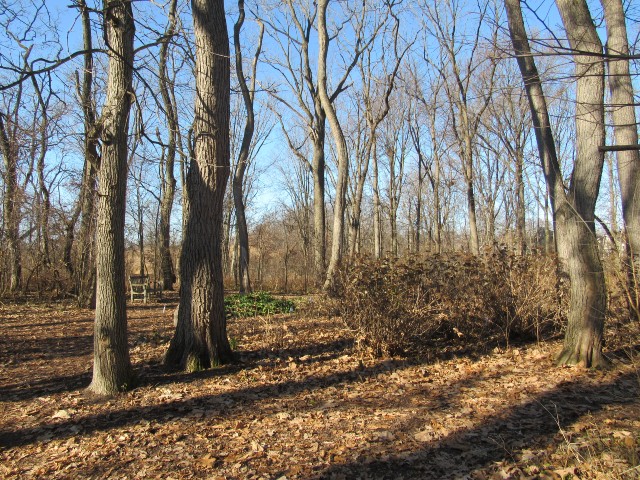
While visiting a bog on Kent, Ohio, I came across this neat plant. It is a species characteristically found in sphagnum peat bogs. Leatherleaf provides cover for nesting mallards and some other ducks. It recovers quickly in peatlands that have been severely disturbed or mined for peat.
02 Leatherleaf_0691

This plant has a distribution throughout the cool temperate and subarctic regions of the Northern Hemisphere from eastern North America to bogs in Finland and Japan.
03 Leatherleaf_0908

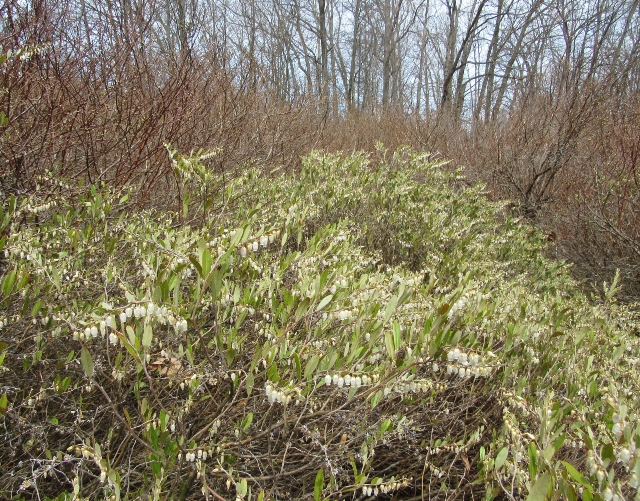
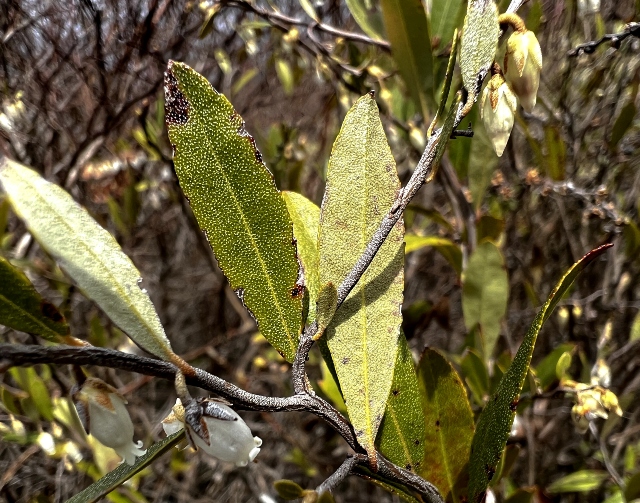
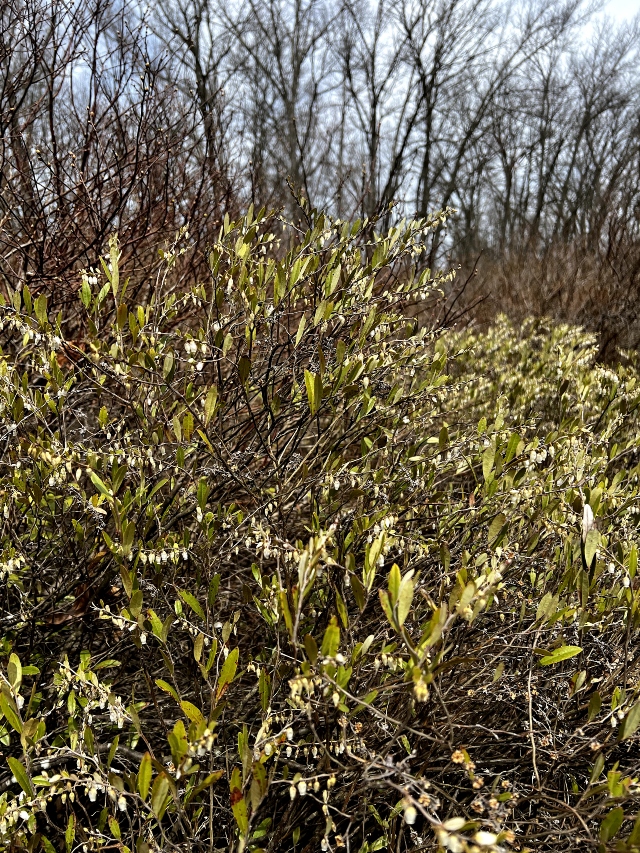
Leatherleaf is often the first woody plant to encroach on the open water of a kettle hole lake. It is a small, dense, mound-shaped shrub, growing to 5 feet high, often spreading to form thickets.
04 Leatherleaf_0907

As its common names implies, Leatherleaf has thick, leathery leaves to minimize water loss from transpiration. To conserve nutrients and maximize photosynthesis, its brownish evergreen leaves persist for nearly two seasons and are gradually shed as new leaves become established.
05 Leatherleaf_0905

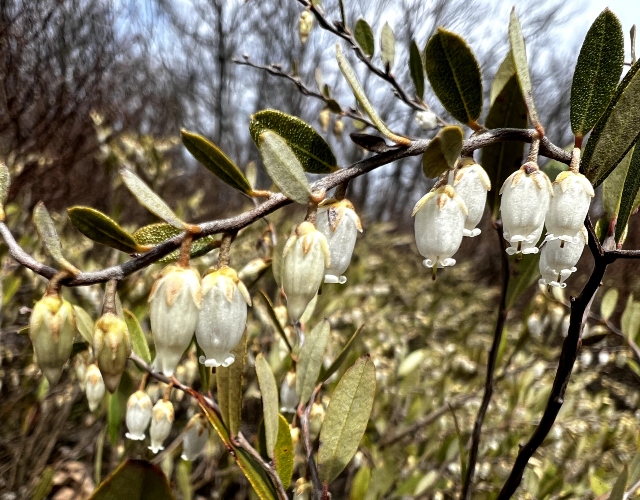
It’s urn-shaped white flowers appear in early Spring, often while ice is still present.
Third Eye Herp
E-mail

Canadian Wild Ginger

01 Canadian Wild Ginger_2487

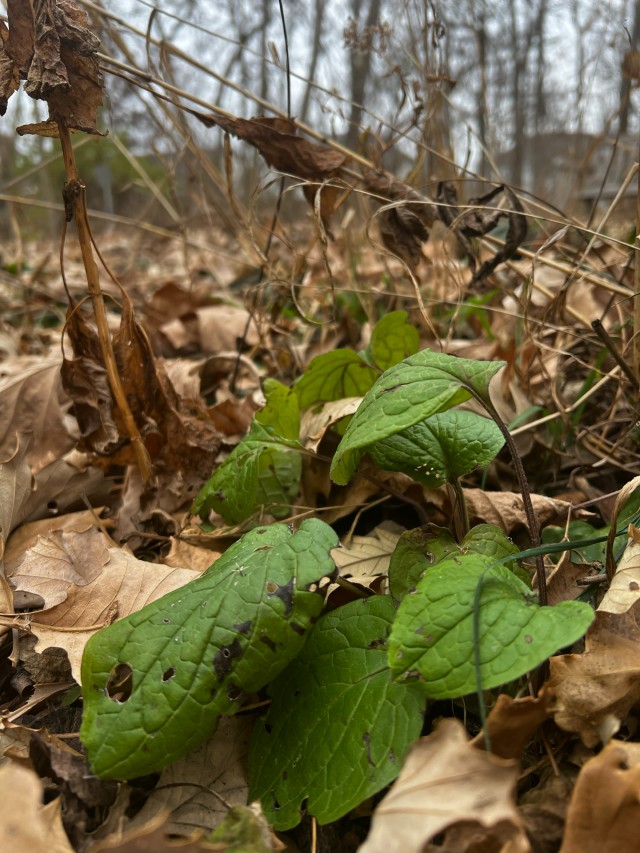
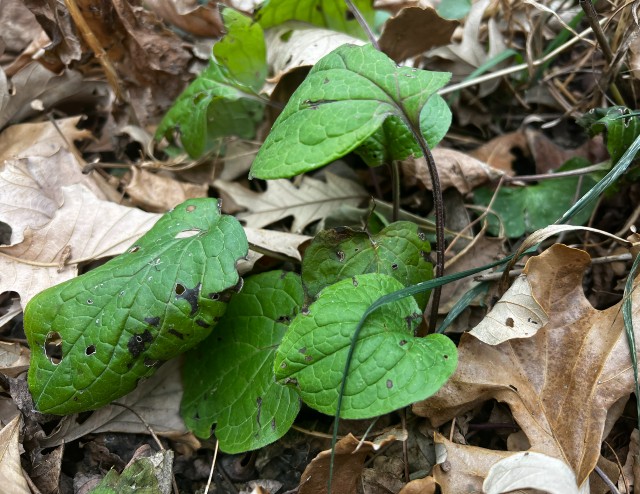
While hiking in Carmel, Indiana, I can across this bit of greenery on the forest floor. It is a herbaceous, perennial plant which forms dense colonies in the understory of deciduous forests throughout its native range in eastern North America.

02 Canadian Wild Ginger_9526

Canadian Wild Ginger is unrelated to commercially available ginger; however, it is named “wild ginger” because of the similar taste and smell of the roots. Early European settlers used to dry the rootstalk, grind it to a powder and use it as a spice.

03 Canadian Wild Ginger_9525

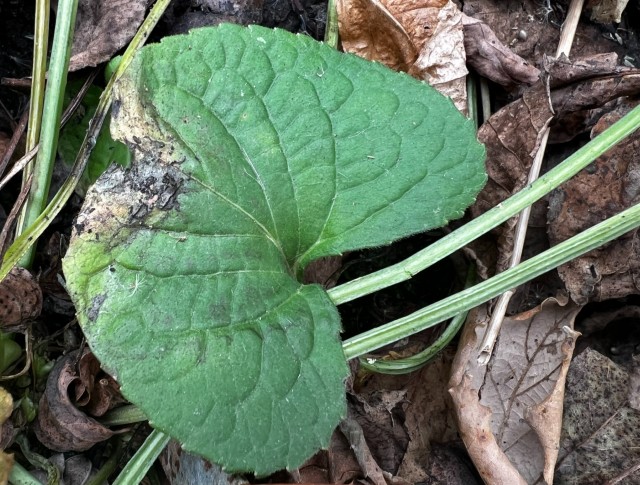
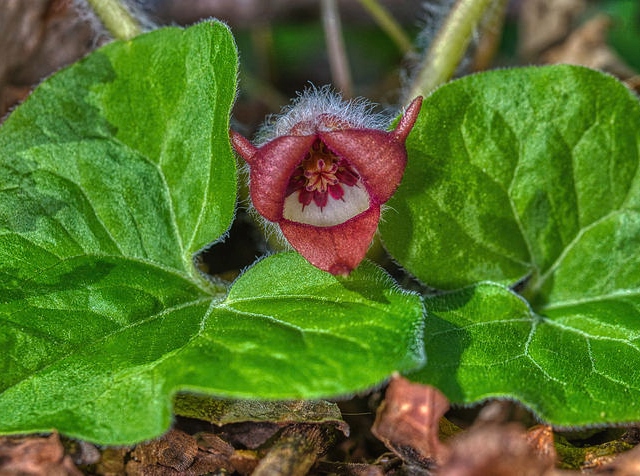
The plant’s two velvety, heart-shaped leaves barely reach 12 inches in height. Its flowers bloom from the base of the plant, often hidden by its wide leaves.

04 Canadian Wild Ginger_9527

Many a hiker has walked past the large colonies of this early Spring wildflower not realizing that it has an interesting and peculiar flower hidden underneath its canopy of foliage.

05 Canadian Wild Ginger

Canadian Wild Ginger evolved to attract small pollinating flies that emerge from the ground early in the Spring, looking for a thawing carcass of an animal that did not survive the winter. By being so close to the forest flower, it is readily found by the emerging flies.

05 Canadian Wild Ginger_9524

Not only is this plant cool to see in the wild, it is often grown in gardens as groundcover in shady situations.

Third Eye Herp
E-mail

Seaside Bird’s-foot Trefoil

01 Hosackia gracilis_1492

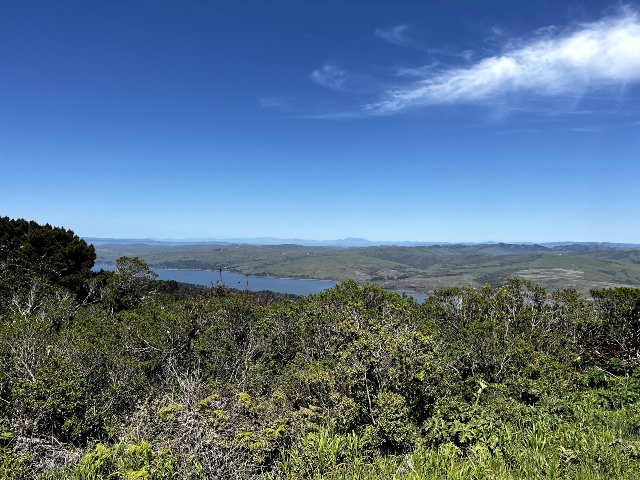
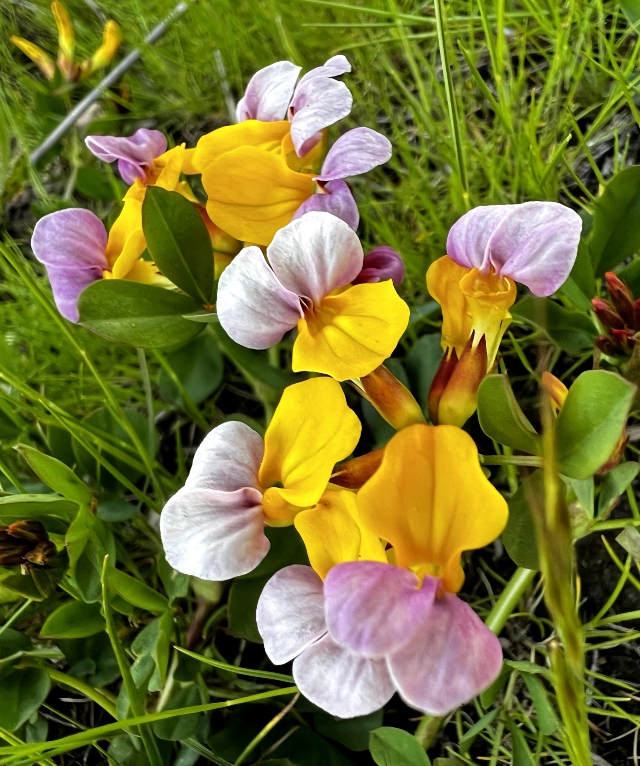
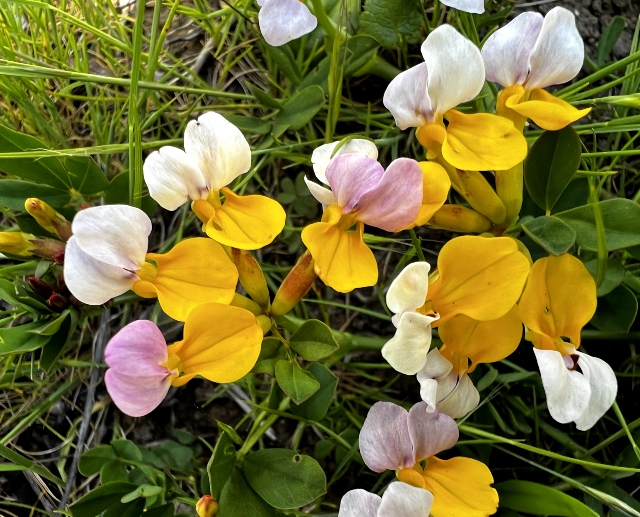
While visiting Point Reyes National Seashore, I noticed this cool flower. It is found in moist open habitats, from the edges of forests out into open meadows and wetlands. It occurs from coastal mountains to the bluffs overlooking the sea.

02 Hosackia gracilis_1498

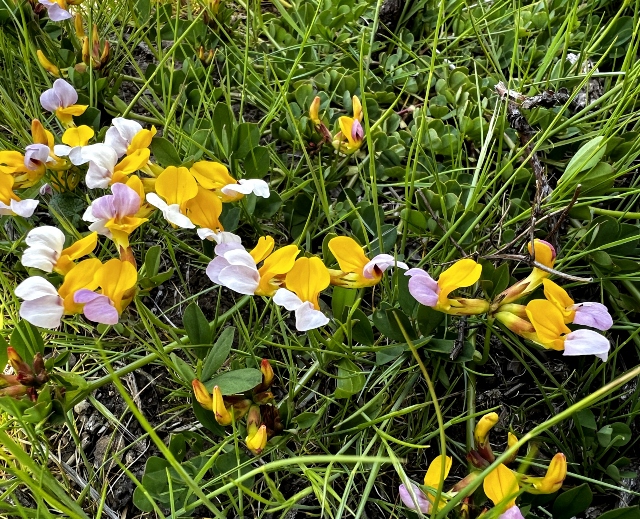
Native to coastal California, this ground-hugging member of the pea family forms an inch-tall mat and carpets the ground with color. It is a member of coastal grassland and prairie ecosystems.

03 Hosackia gracilis_1499

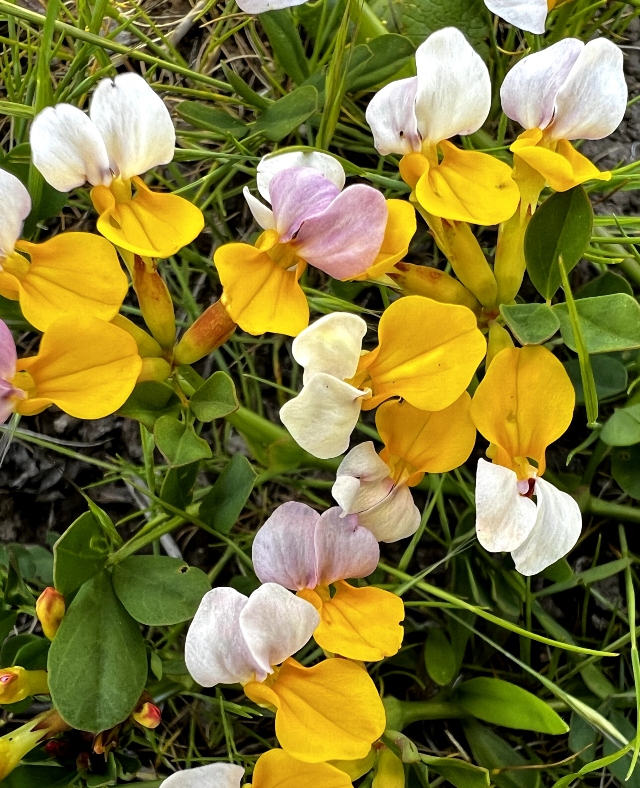
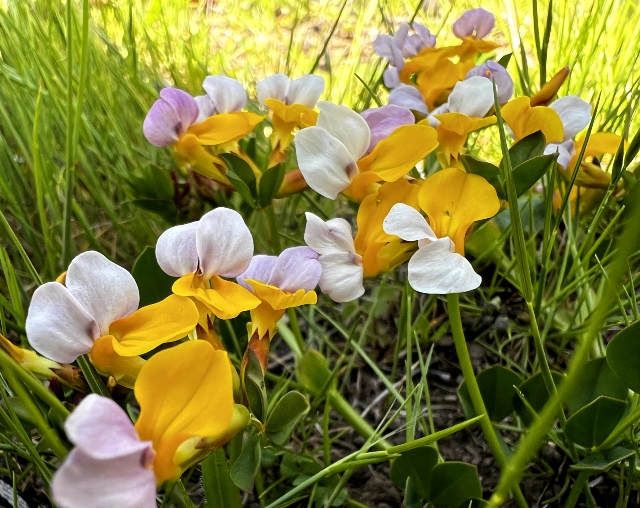
Seaside Bird’s-foot Trefoil’s flower clusters are made up of several tiny flowers each about half an inch long. The flowers have a bright yellow banner, or upper petal and bright pink or white lower petals.

04 Hosackia gracilis_1495

This plant is perennial, but is Winter dormant, so the aboveground parts die off each winter. As temperatures warm, underground rhizomes re-sprout and new plants spring to the surface.

05 Hosackia gracilis_1501

Seaside Bird’s-foot Trefoil is a nectar source for Painted Lady butterflies and a variety of native bees and other insects.

06 Hosackia gracilis_1496

This plant is also known as Harlequin Lotus, Witch’s Teeth, Harlequin Deer-vetch and Coast Lotus.

Third Eye Herp
E-mail

Western White Trillium

01 Western White Trillium_6168

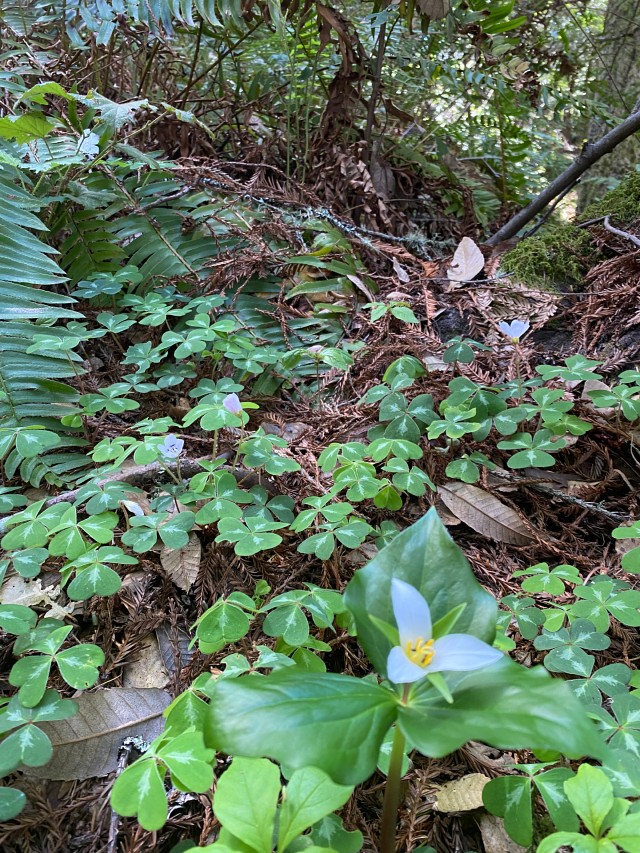
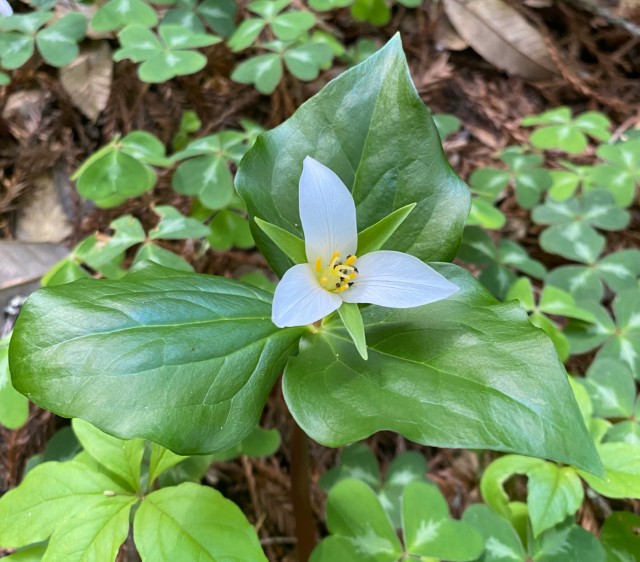
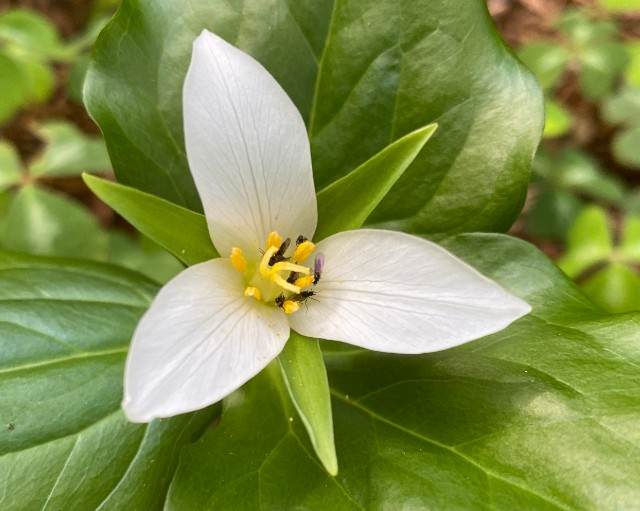
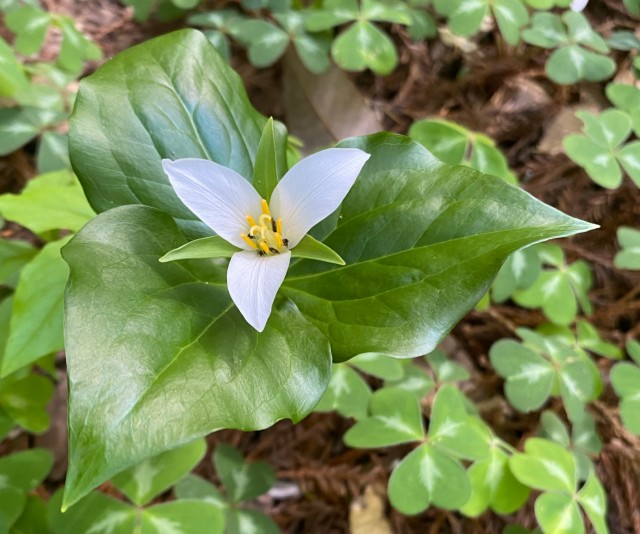
While hiking in the Santa Cruz Mountains, I came across this unmistakable and endearing plant that softly lights up the vernal understory of moist coniferous and mixed forests in California and some of its surrounding states. This plant is also known as Pacific Trillium, Coast Trillium, and Pacific Wake-robin. The “wake-robin” name refers to the plants early spring blooming season.

02 Western White Trillium_6165

This wildflower is easy to identify due to what looks like three showy white petals held just above three large triangular leaves. A perennial that grows from rhizomes, it technically produces no true leaves or stems above ground; the stems are considered an extension of the horizontal rhizome. The part of the plant that we notice most is an upright flowering stalk and the leaf-like structures are bracts, but most people call them leaves, because they photosynthesize.

03 Western White Trillium_6166

This is one of many types of flowers that rely on ants for the distribution of their seeds. The ants collect trillium seeds and bring them back to their nests. Trillium have a calorie-laden appendage on each seed called a strophiole. Ants eat the strophioles and discard the seeds, thus dispersing them to different parts of the woods. Ants have been observed to carry trillium seeds as far as thirty feet from the plant where they collected it from.

04 Western White Trillium_6169

Western White Trillium’s flowers bloom starting in late February in the southern part of its range and in March or April elsewhere. Citizen science observations of flowering plants of this species peak during the first week of April. Since White Trillium is Ohio’s State Wildflower, it was neat to see the West Coast species of this plant.
Third Eye Herp
E-mail

Alpine Shooting Star

01 Alpine Shooting Star_3333

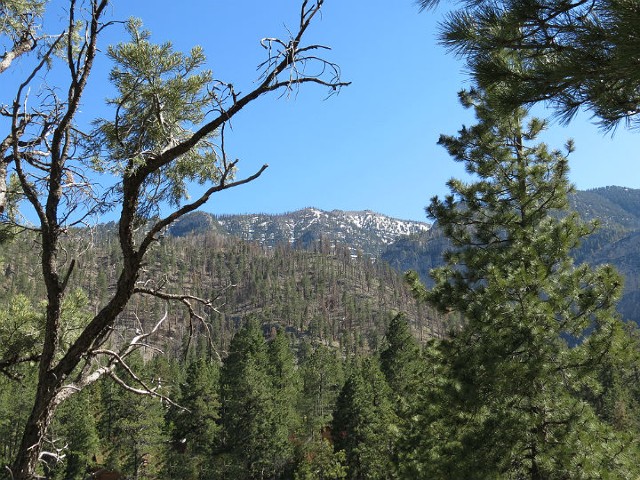
While hiking on Mount Charleston near Las Vegas, Nevada, I came across this neat wildflower. This species ranges from northeast Oregon to the southern Cascades and Sierras and east to Utah and Arizona.

02 Alpine Shooting Star_076

This plant is a showy member of the Primrose Family. It is usually seen in in moist meadows and along streams at high elevations in mountains. It can best be described as locally common.

03 Alpine Shooting Star_077

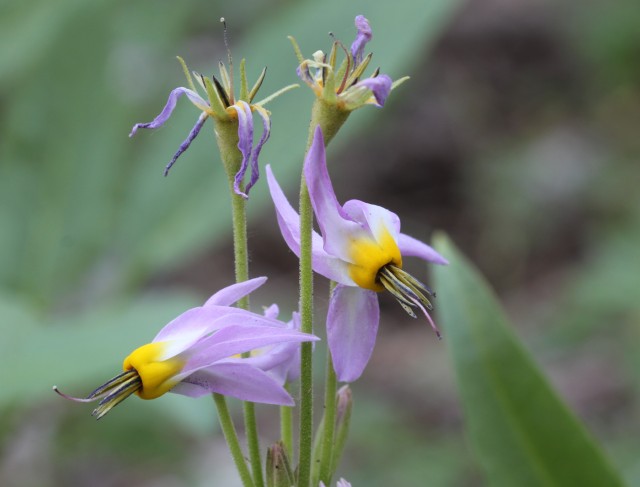
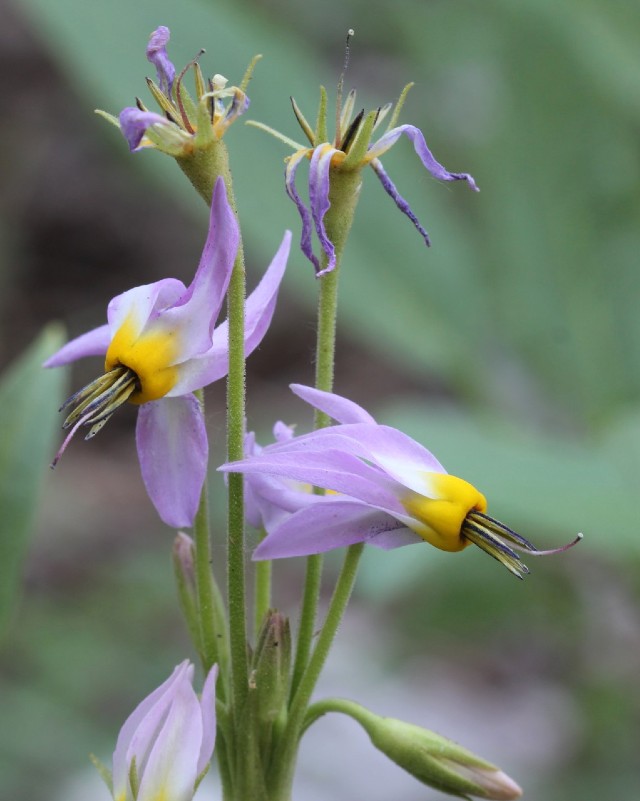
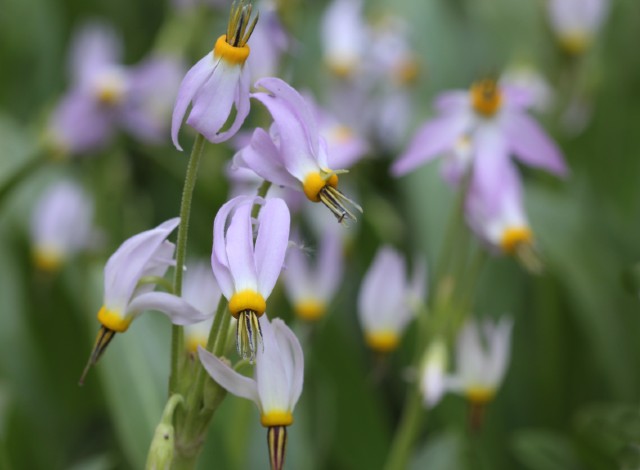
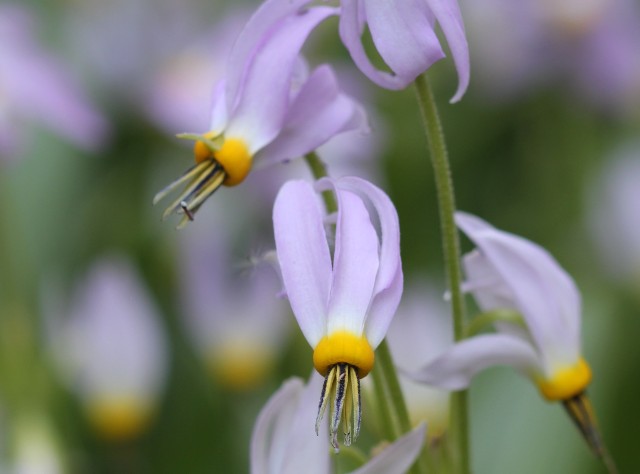
The flower of Alpine Shooting Star resembles the shape of a rocket and its plume of exhaust. The “plume” of the petals reveals a fantastic transition of colors from near-black to yellow, white, and finally a lavender-pink.
04 Alpine Shooting Star_078

Each flower points downwards and a single, elongated stigma protrudes from the blossom, the “nose” of the rocket. Its is held firmly by four black anthers between the petals and the stigma.

05 Alpine Shooting Star_079

This plant is of special value to Bumble Bees and requires their ability to buzz-pollinate for successful reproduction. Buzz-pollination is a technique used to release pollen which is firmly held by the flower.

Third Eye Herp
E-mail

Coralberry

01 Coralberry_0016

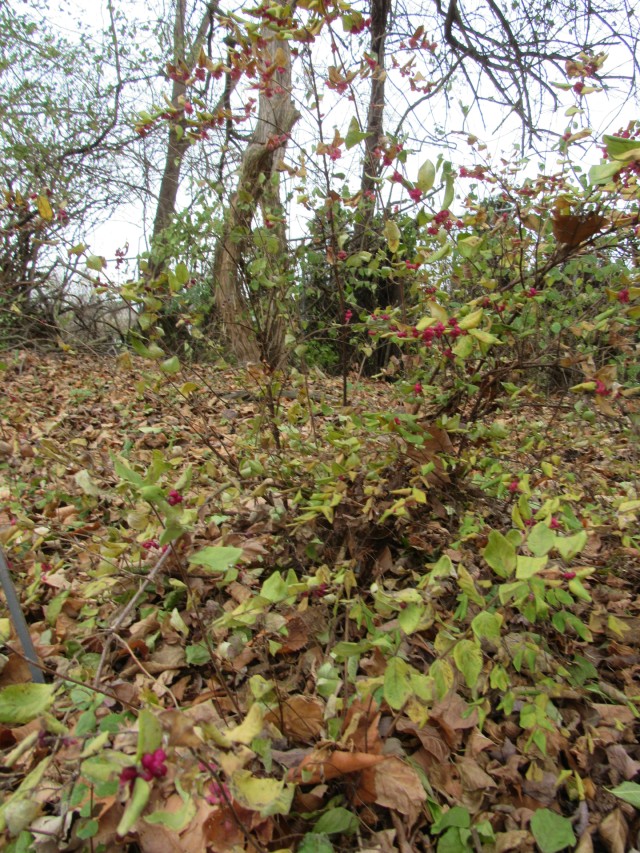
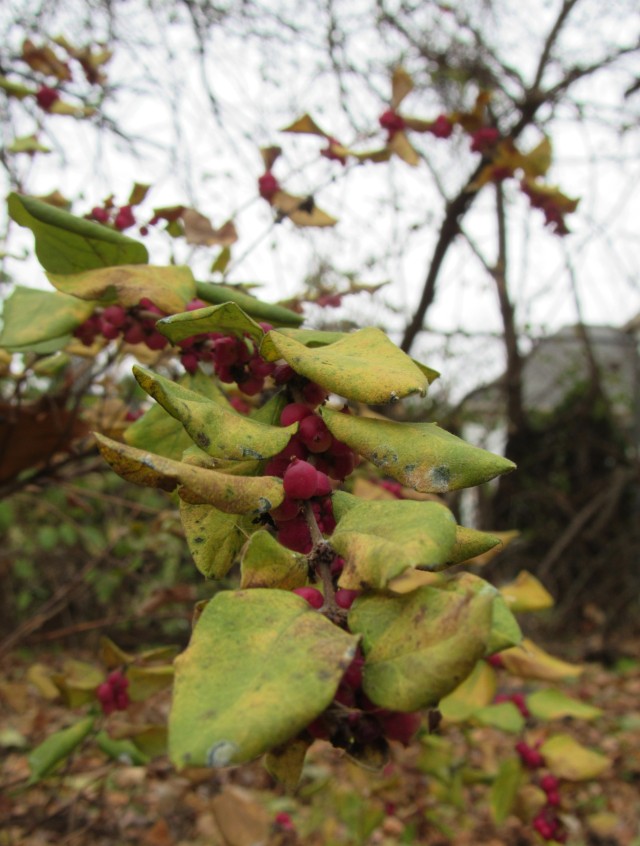
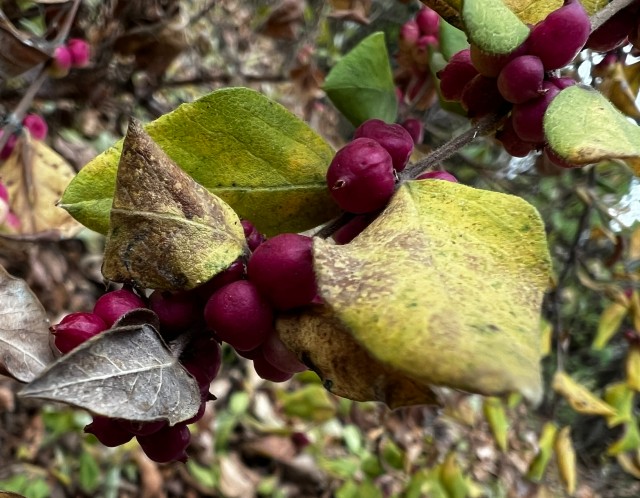
While visiting Carmel, Indiana for Thanksgiving, I went on a hike and noticed this plant. It is commonly called Coralberry, Buckbrush or Indian Currant and is a woody species of flowering plant in the Honeysuckle Family.

02 Coralberry_0010

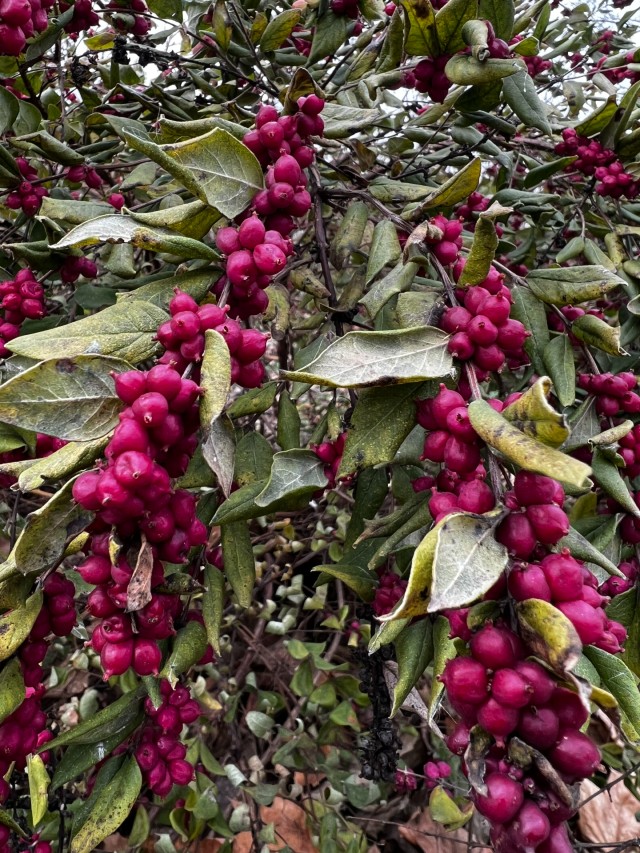
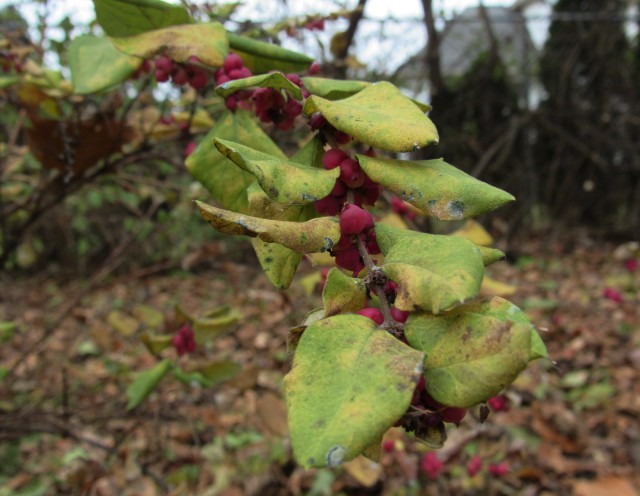
This plant has a spectacular display of berries that mature in coincidence with Autumn colors each October. Its coral-pink to almost purplish berries are an attractive ornamental aspect that provides Winter forage for birds.

03 Coralberry_9504

In addition to birds, Coralberry supports a host of mammals, being a favorite deer browse plant, which inspired its alternative common name of Buckbrush. Although inconspicuous, its spring flowers support bees, wasps and flies with nectar and pollen.

04 Corelberry_9512

This dense, bushy deciduous shrub has soft downy foliage that makes an attractive leaf pattern. It typically grows 3 to 4 feet tall. It is also a host plant for the caterpillars of three native moths.

05 Coralberry_0009

Coralberry is native to the eastern and central United States as well as central Canada (Ontario) and northeastern Mexico.

Third Eye Herp
E-mail

Twinleaf

01 Twinleaf_7234

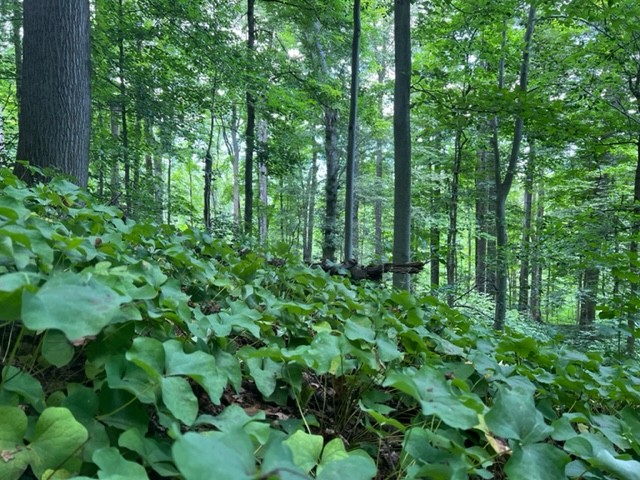
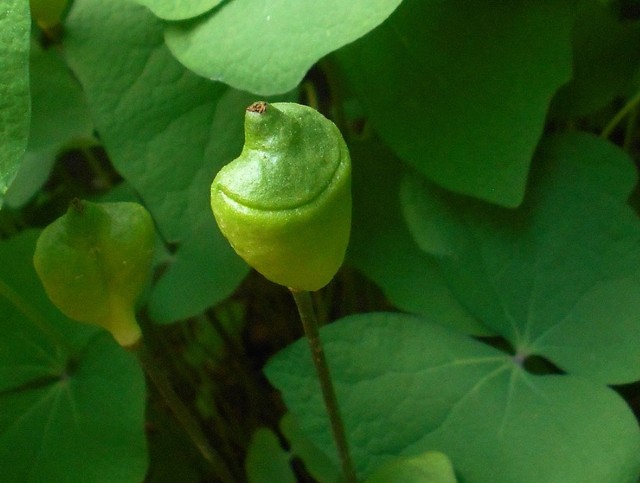
This is a wildflower that I noticed not because of its blossom, but rather due to its fruit, which resembles a green acorn. I came across it last Summer and went back in April of this year to see its flowers.

02 Jeffersonia diphylla

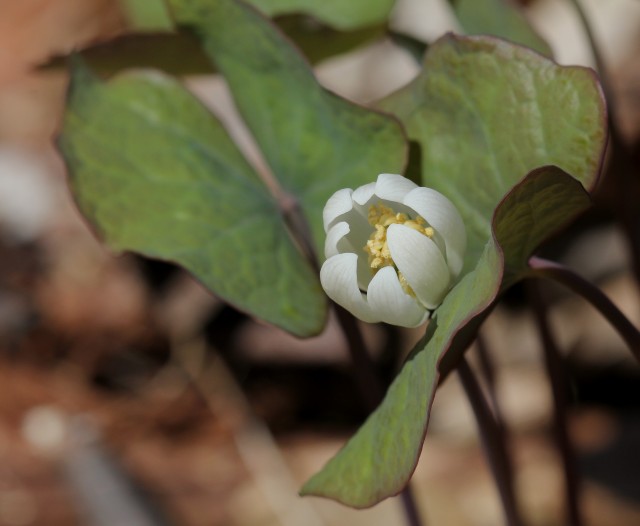
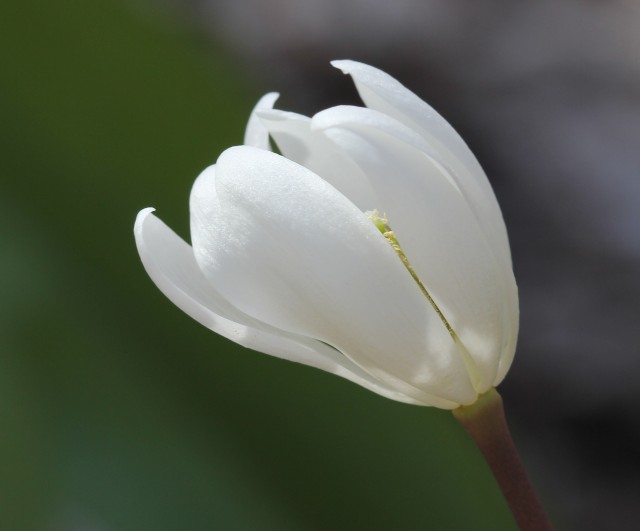
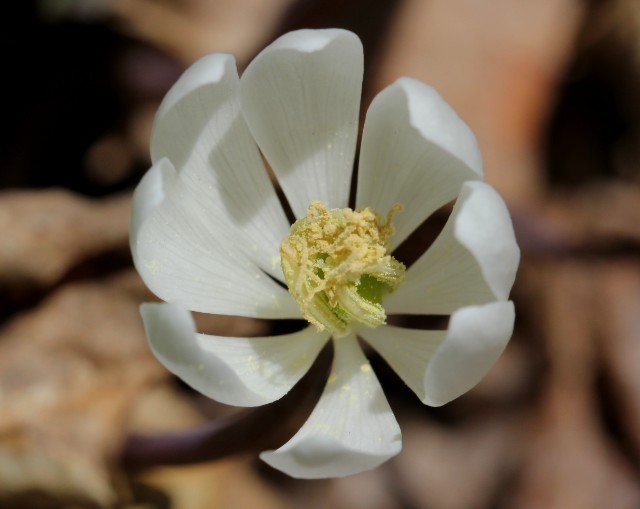
Twinleaf’s large, conspicuous blooms feature eight snowy-white petals which drop within a day or so. This plant is a perennial and often forms small colonies.

03 Twinleaf_2241

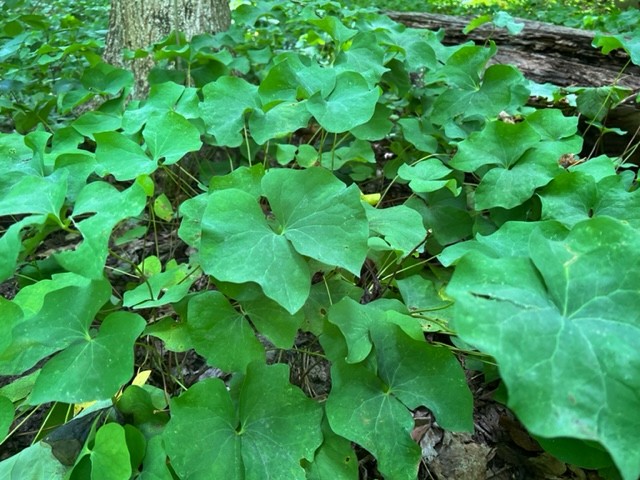
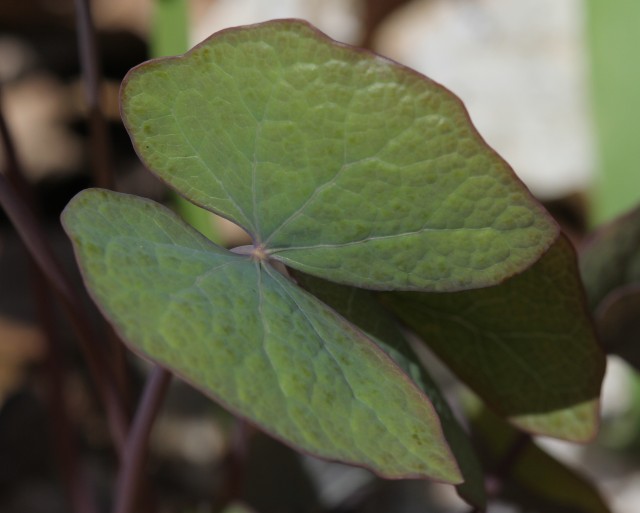
This wildflower features long-stemmed, blue-green leaves up to 6 inches long, which are deeply divided into two lobes that give the appearance of being two separate leaves, hence the common name.

04 Twinleaf_7233

Its unusual seed pods are on stalks that have hinged lids that open to drop shiny, brown seeds for ants to scatter.

05 Twinleaf_2245

This showy wildflower’s scientific name, Jeffersonia diphylla, commemorates our third president, Thomas Jefferson, who was a great naturalist and once president of the American Philosophical Society, which by the late 1700’s was the country’s leading scientific organization.

06 Twinleaf_2243

Unlike many of Ohio’s Spring wildflowers, Twinleaf is not a true spring ephemeral, as its leaves remain green and actively produce chlorophyll throughout summer. It tends to grow in the rich, damp soils of deciduous forests.

07 Twinleaf_2267

This neat plant is also known as Helmet Pod, Ground Squirrel Pea and is enjoyable to encounter on my northeast Ohio hikes.

Third Eye Herp
E-mail

Giant Wakerobin

01 California Common Scorpion_5814

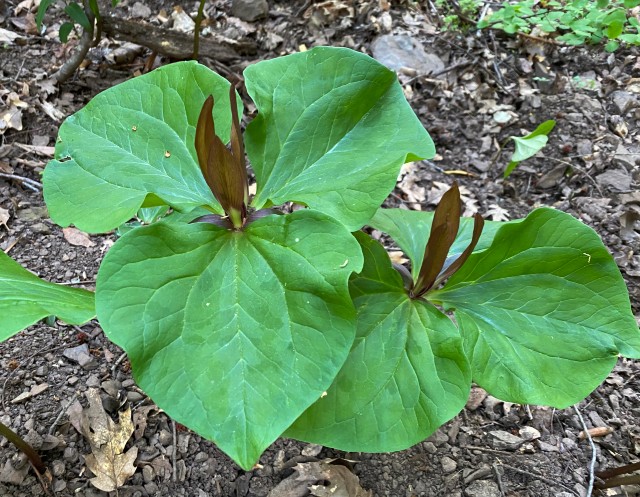
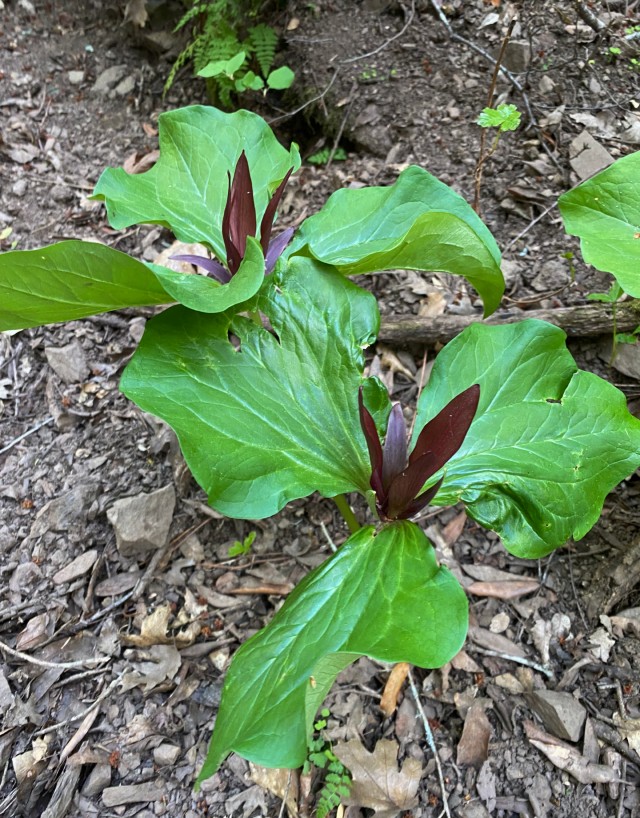
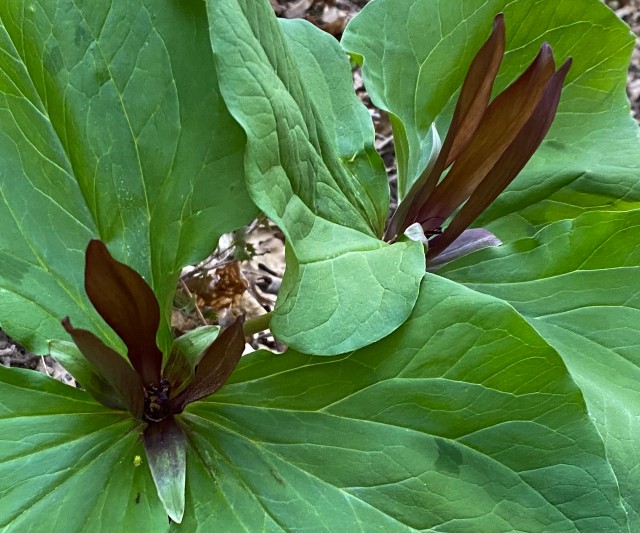
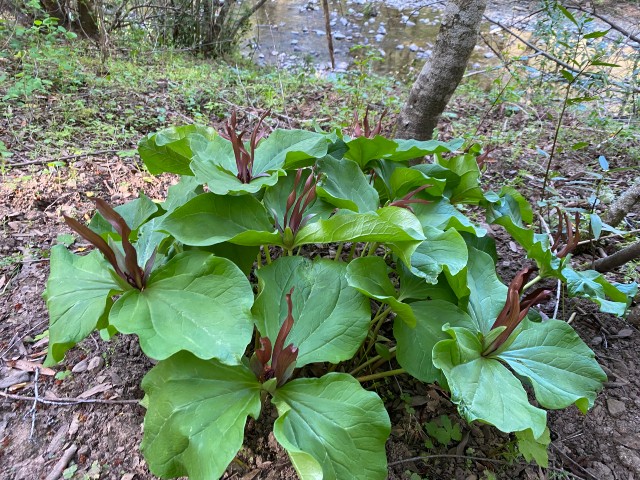
While hiking along a woodland creek, I noticed this California species of spring-flowering perennial plant. It is found in the Pacific Coast Ranges and in the Sierra Nevada Foothills.

02 Giant Wakerobin_6242

Giant Wakerobin’s large, showy, solitary, three-parted flowers rise directly out of the leaves; its flower color is variable, but is most often dark red to white. Its leaves, which are up to 6 inches long and 5 inches wide, are in whorls of three and often mottled with dark blotches.

03 Giant Wakerobin_6241

It prefers a shady habitat and is clump-forming, growing to 12 to 18 inches tall. The plant often seen in wooded or streamside situations (or both). It is a classic Spring wildflower, in that it blooms from Spring until early Summer, when there are very few leaves on trees, allowing it to get the light that it needs.

04 Giant Wakerobin_6245

Trilliums use a strategy called myrmecochory for seed dispersal. A white, fleshy appendage on the seed tip is a nutrient-rich food packet that attracts ants. Ants carry seeds to their colony up to one mile away, feed the packet to their larvae, and discard the seeds, effectively planting them.

05 Giant Wakerobin_6248

Not only is it an interesting plant, Giant Wakerobin is an incredible beauty and a welcome sign of Spring.

Third Eye Herp
E-mail

Pacific Hound’s Tongue

01 Western Hound's Tongue_6163

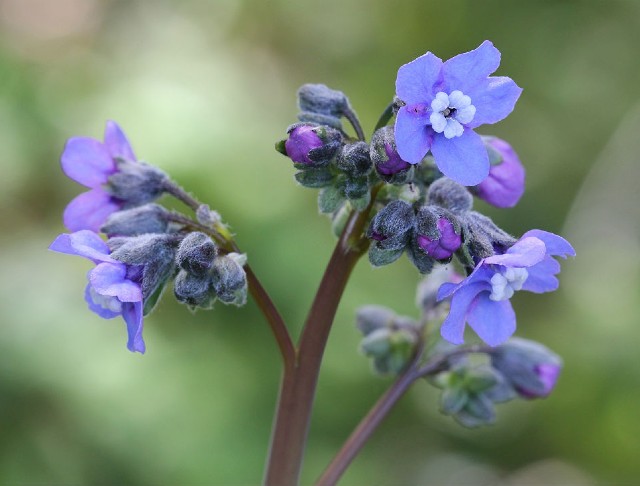
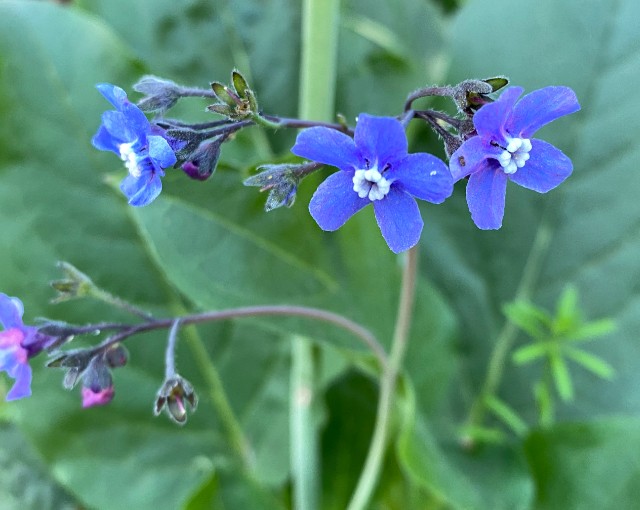
This is a distinctive wildflower that I sometimes encounter on my April visits to California. It is native to western North America, where it grows in shady areas in woodland and chaparral.

02 western hound's tongue 035

Its flowers change color, perhaps telling pollinators whether a specific flower is worth visiting for pollen and nectar. Bees can see blue colors, but not reds. Immature pink flowers may signal to bees, “Not ready; move on;” the mature blue flowers, “Ready for pollination;” and the fading blue-purple of the aging flowers, “I’m done, don’t bother.”

03 Western Hound's Tongue_2510

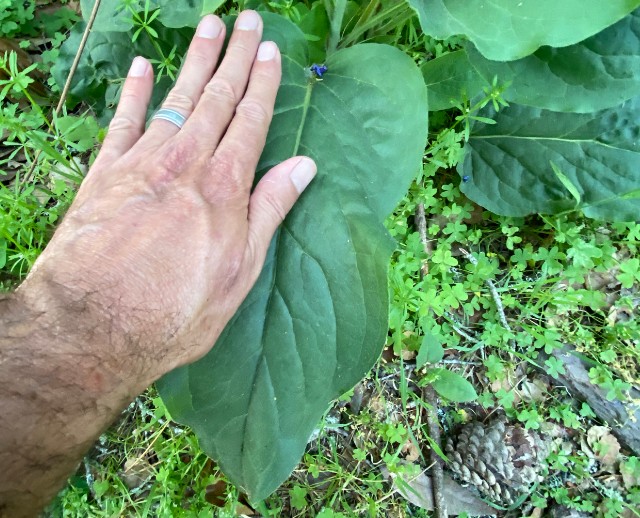
Pacific Hound’s Tongue Hound’s grows from a heavy taproot and is an early-blooming perennial plant that supposedly gets its name from the resemblance of its leaf shape to that of a dog’s tongue.

04 Western Hound's Tongue_6161

Known scientifically as Cynoglossum grande, the shape and rough texture of the leaves are described in the genus name, which is derived from the Greek – “cynos” for dog and “glossa” for tongue. The species name, grande, means showy (or big).

05 Western Hound's Tongue_6160

Pacific Hound’s Tongue is in the same family as the Forget-Me-Not, which its blooms resemble. Its flowers attract native bees and hummingbirds and is an occasional larval host plant for moths and butterflies.

06 Western Hound's Tongue_2509

According to folklore, a piece of hound’s tongue placed in one’s shoe will protect from being barked at by strange dogs!

Third Eye Herp
E-mail

Yellow Sand Verbena

01 Yellow Sand Verbena_2477

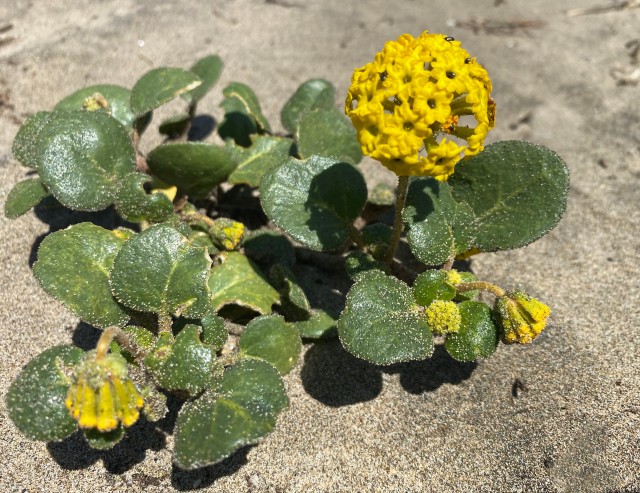
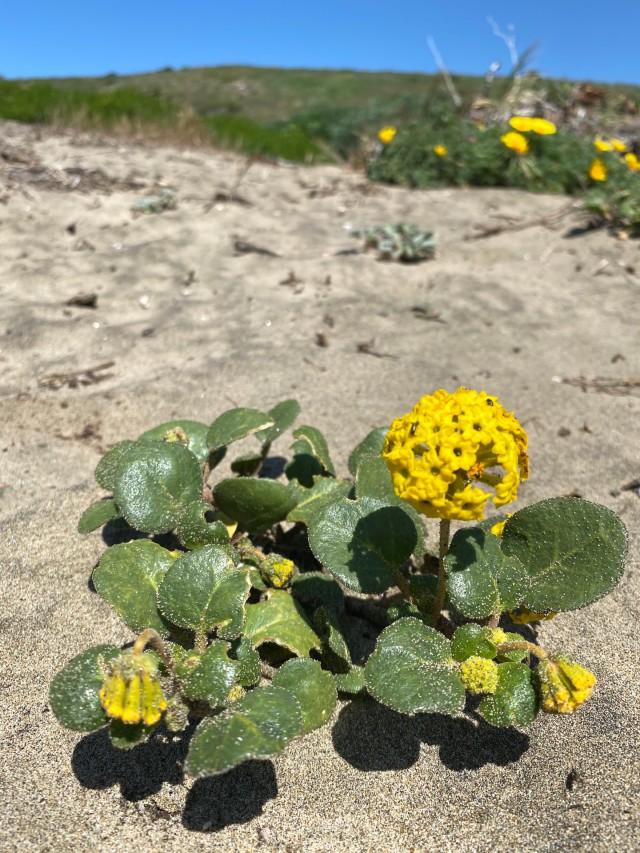
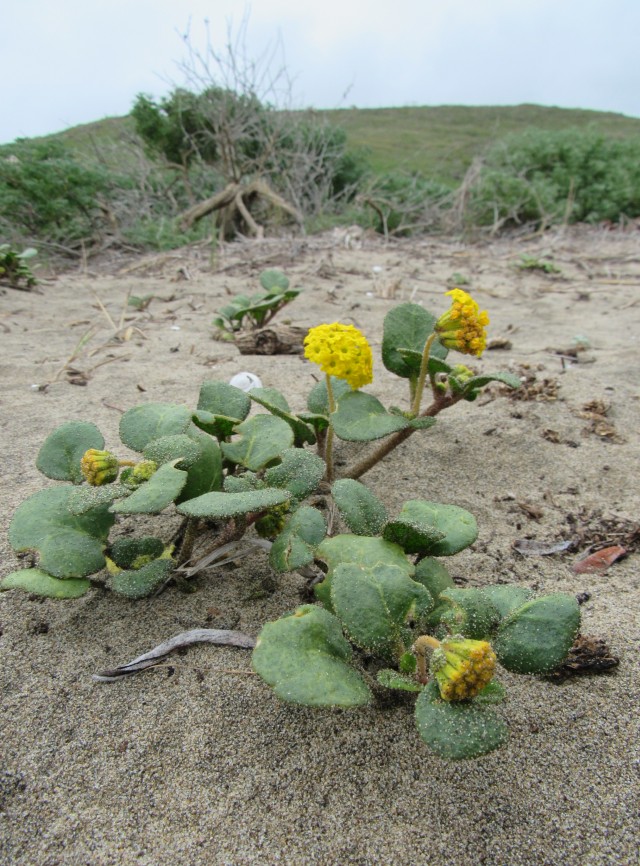
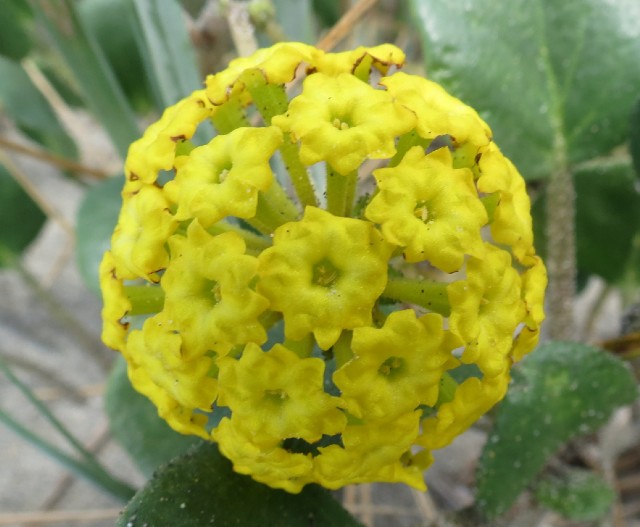
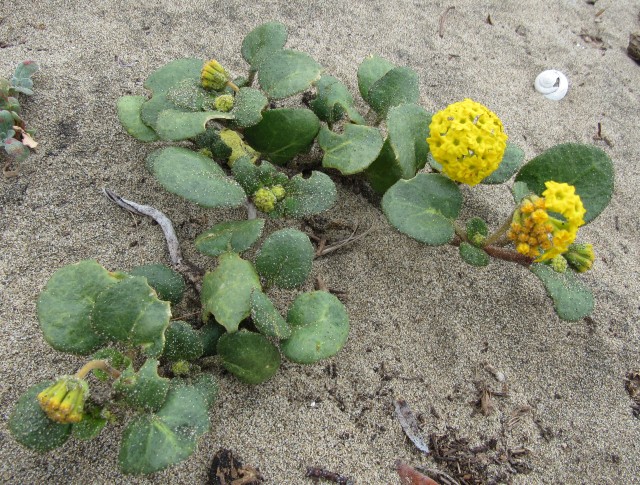
While exploring Point Reyes National Seashore, this low-to-the-ground plant with striking yellow flowers caught my eye. It is native to the west coast of North America, from southern California to the Canada–United States border.

02 Yellow Sand Verbena_2478

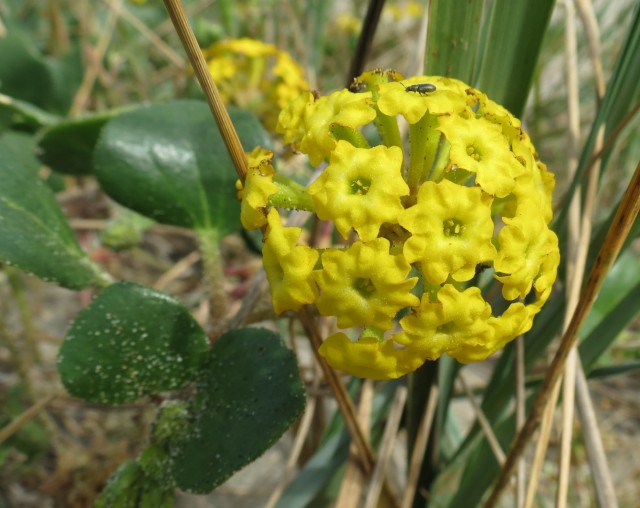
Most members of this genus have pink or purple flowers, but those of this species are bright yellow, making it easily recognizable.

03 Yellow Sand Verbena_2479

Yellow Sand Verbena grows on beach dunes and sand dunes of coastal bars and river mouths along the immediate coastline. It is an important plant in helping to stabilize dunes to resist erosion.

04 Yellow Sand Verbena_0999

It bears attractive neatly rounded heads of small, bright golden flowers. The individual flowers have no petals; rather, they are composed of yellow bracts forming a trumpet shaped around its stamens.

05 Yellow Sand Verbena_3375

This plant is seen exhibiting psammophory, a method by which plants save themselves from herbivores by attracting sand to themselves, making them difficult to be eaten.

06 Yellow Sand Verbena_1002

Yellow Sand Verbena’s leaves are succulent-like, in common with many other coastal plants and are about as long as wide, growing on short, thick stalks. Its roots are edible and traditionally eaten by the Chinook Indians.

07 Yellow Sand Verbena_3374

A member of the Four O’clock Family, this wildflower is also known as Coastal Sand Verbena.

Third Eye Herp
E-mail