Broad-banded Water Snake

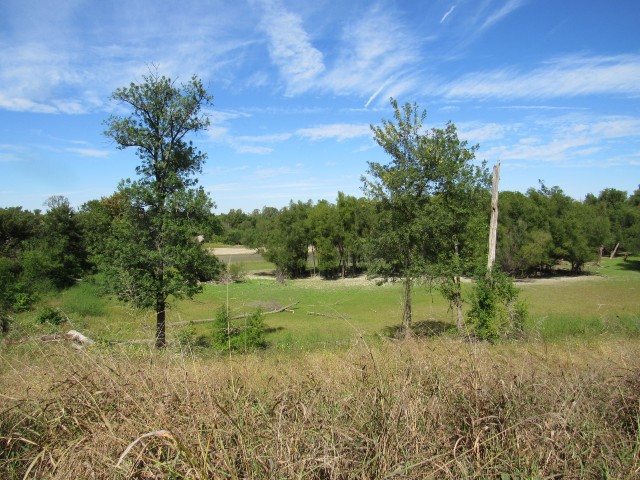
01 Mingo National Wildlife Refuge_9244

While visiting Snake Road in southern Illinois this month, I decided to take a drive to Missouri to see what sorts of herps were out. My first snake in “The Show-Me State” was a “lifer.” This distinctive looking reptile is heavy-bodied with a series of irregular, wide and dark bands across a background cream coloration. It was easy to identify even at a distance.
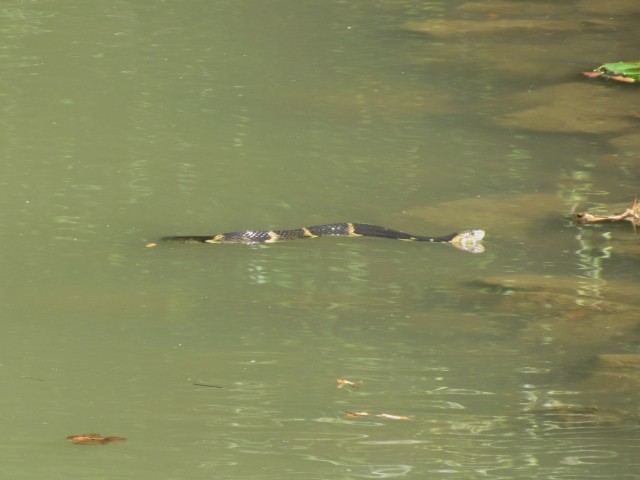
02 Broad-banded Water Snake_9271

Broad-banded Water Snakes can be found in and around lakes, ponds, streams, rivers and drainage ditches. This species is especially common in swamp and marsh habitats. It is at home in areas of thick vegetation, where both food and cover to escape fom predators is abundant.
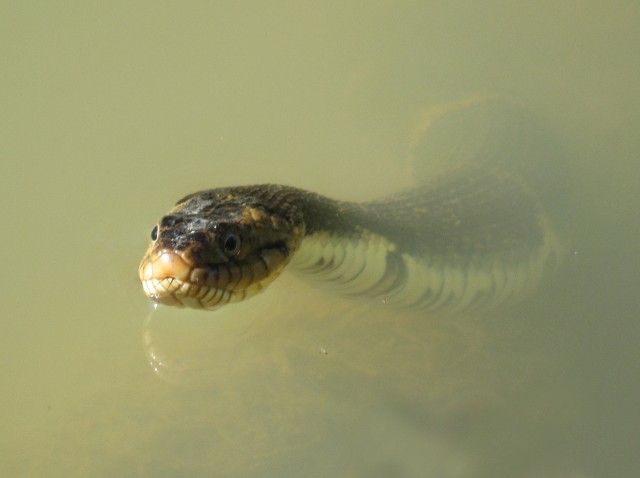
03 Broad-banded Water Snake_9304

This species feeds primarily on fish and frogs. It uses stealth to move about vegetation and debris to find and catch its food. It commonly hunts at night, especially after it rains, because this is when frogs are most active.
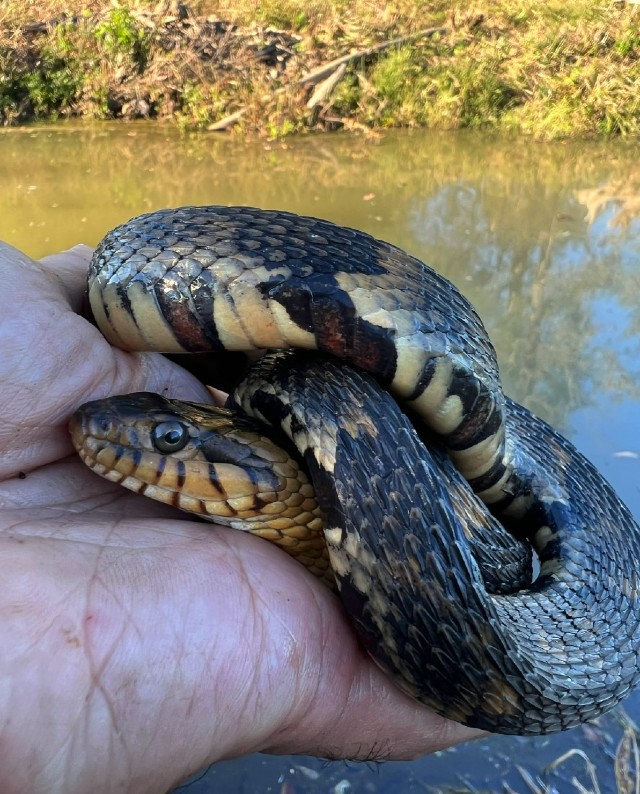
Broad-banded Warer Snake_8409

North American water snakes are thought to be most closely related to garter snakes, and like garter snakes, they do not lay eggs. Instead, the mother carries the eggs inside her body and gives birth to free-living young. The Broad-band averages generally an average of 15 babies per litter.
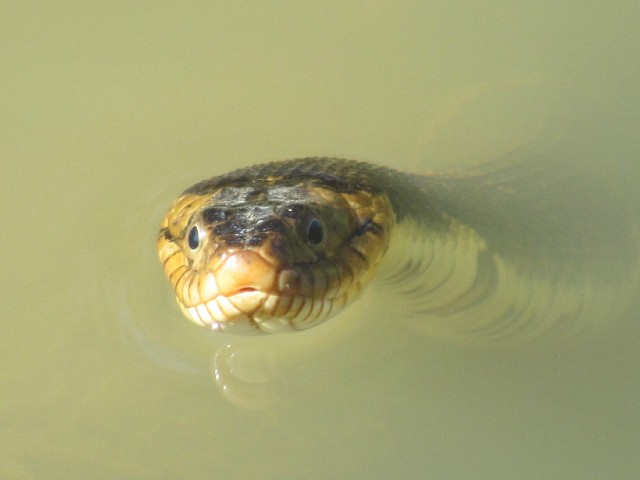
05 Broad-banded Water Snake_9315

It was exciting to come across this snake (which I’ve been keeping and breeding at home for years) in the wild for the first time.
Third Eye Herp
E-mail

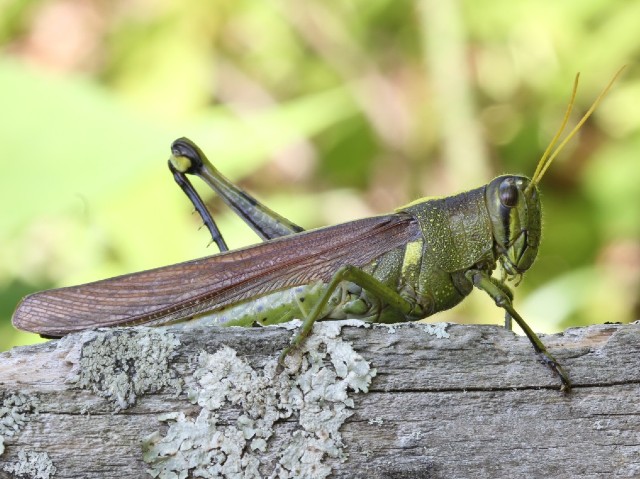
Obscure Bird Grasshopper

1 Obscure Bird Grasshopper_9170

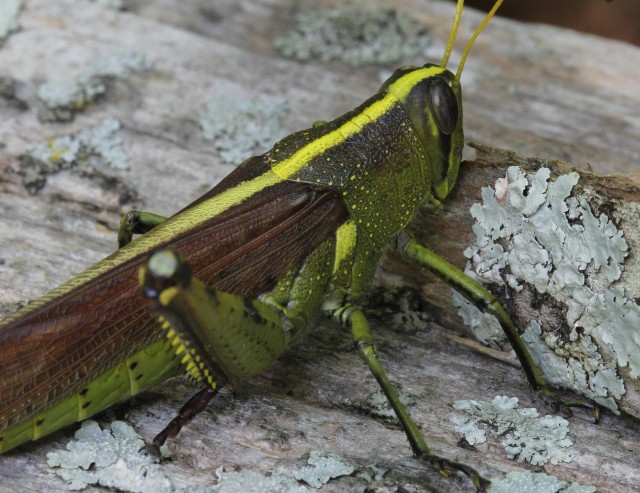
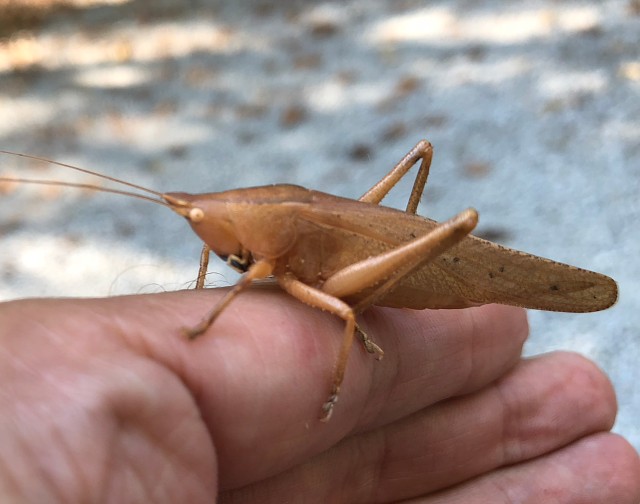
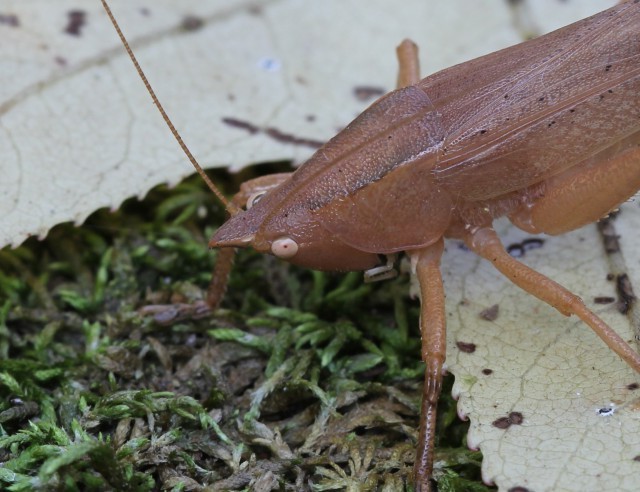
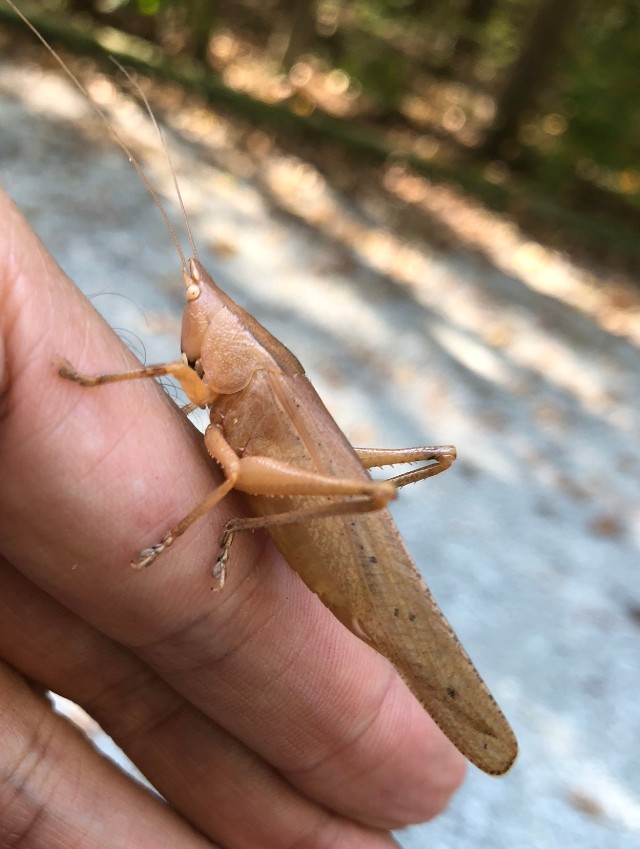
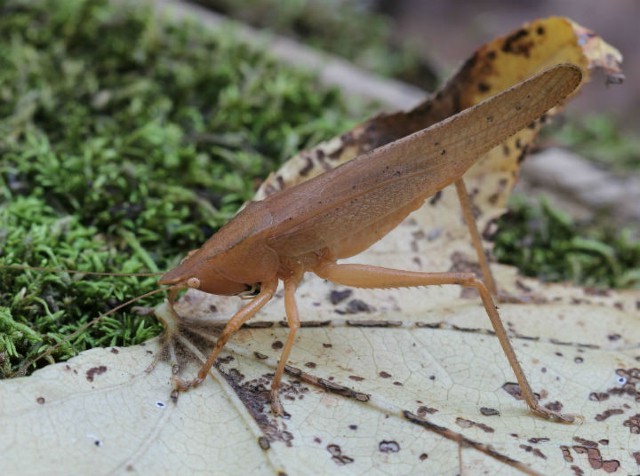
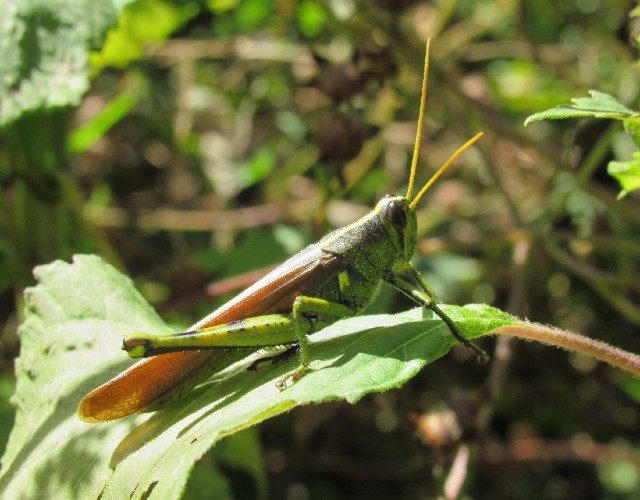
Despite its common name, this insect is anything but obscure – it is large, conspicuous and “showy.” Females can reach 2-1/2 inches in length. Males are smaller, sometimes remarkably so. The name “bird” comes from the Obscure Bird Grasshopper’s ability to fly rather long distances and often up into trees, if they are frightened.

02 Obscure Bird Grasshopper_9273

This insect is related to the famous Desert Locust, which appears in the news when it occurs in massive swarms in Africa. Obscure Bird Grasshoppers are capable of long distance seasonal migrations, though they are not populous enough to cause mass destruction.

3 Obscure Bird Grasshopper_10_08sr 221

While grasshoppers will generally eat almost anything green, the Obscure Bird Grasshopper seems to favor plants in the citrus family, such as wafer ash and lime trees.

4 Obscure Bird Grasshopper_10_08sr 219

This insect’s habitat is fields and woodlands across most of the eastern and southern United States and into Mexico. Adults are typically found in late Summer and early Fall.

5 Obscure Bird Grasshopper_10_08sr 220

I dig big bugs and it’s always neat to encounter this species when visiting southern Illinois, which so far has been the only place where I have seen them.

Third Eye Herp
E-mail

Wingstem

01 Wingstem_0874

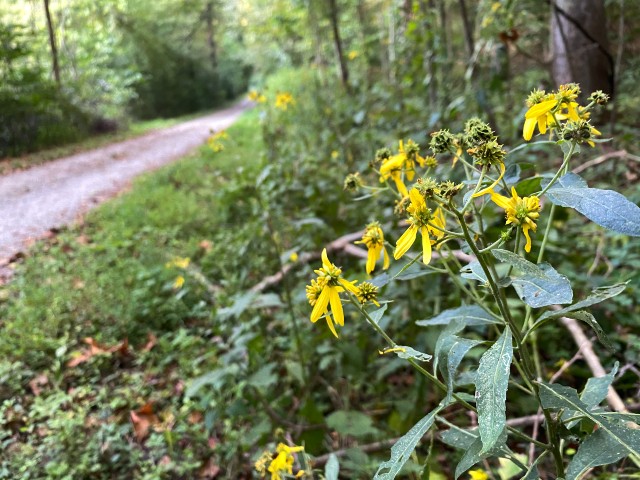
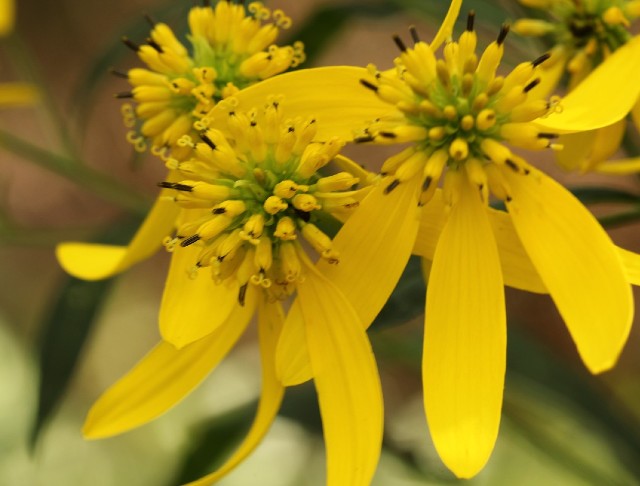
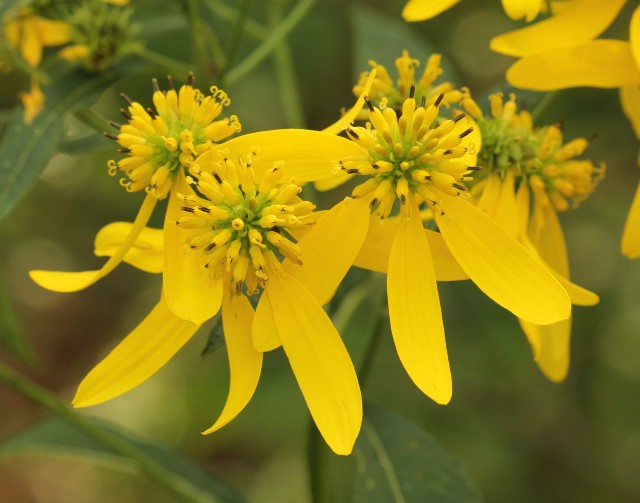
While hiking Snake Road in southern Illinois, as well as when exploring Cuyahoga Valley National Park in my home state of Ohio, it’s hard to miss these conspicuous plants They are often over six feet tall and feature large yellow flowers with drooping ray florets.

02 Wingstem_3814

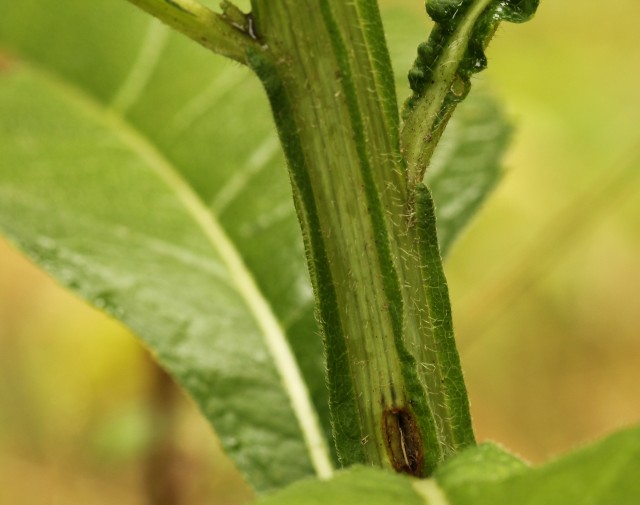
This plant gets its common name from the fact that its main stem has vertical ridges, sometimes described as “wings.” Before the blossoms appear, the plant resembles Ironweed, prompting the additional common name of Yellow Ironweed.

03 Wingstem_3880

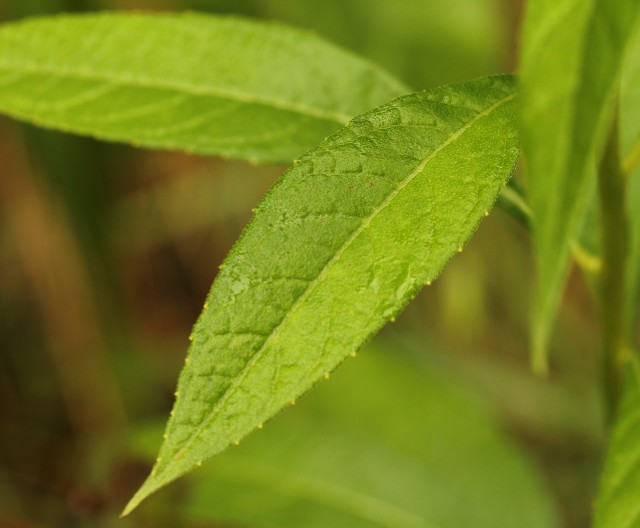
Wingstem leaves are alternate and very coarse to the touch (like sandpaper). Its foliage serves as food for caterpillars and it is a host plant for the Silvery Checkerspot Butterfly, Summer Azure Butterfly and Gold Moth.

05 Wingstem_3886

Wingstem flowers attracts a number of pollinators; they also serves as a food source for insects. This plant is a member of the Sunflower Family, the largest family of flowering plants, with more than 24,000 documented species.

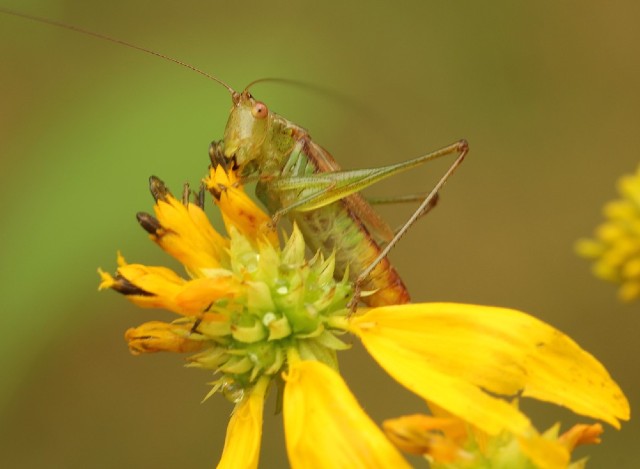
04 Longhorn Grasshopper_3883

This native wildflower prefers to grow in moist soil conditions in either full sun or partial shade. In the wild it is found along streams, flats, trails and moist woodlands.
06 Wingstem_3816

Despite the great ecological value of this species and frequent occurrence in a number of different habitats, Wingstem is often left out of field guides, including the one that I frequently use, Wildflowers of Ohio.

Third Eye Herp
E-mail

Lesser Siren

01 Lesser Siren_0769

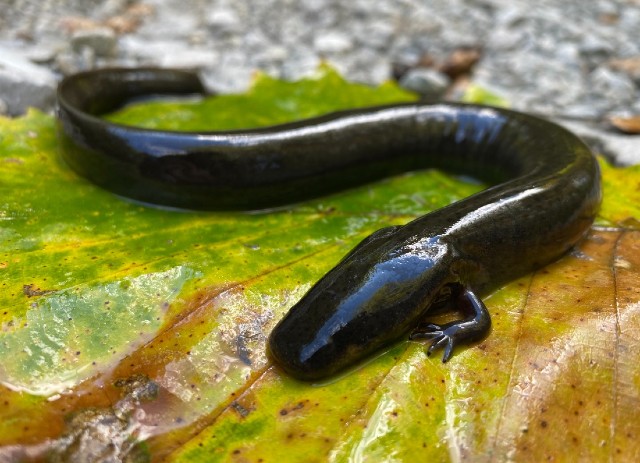
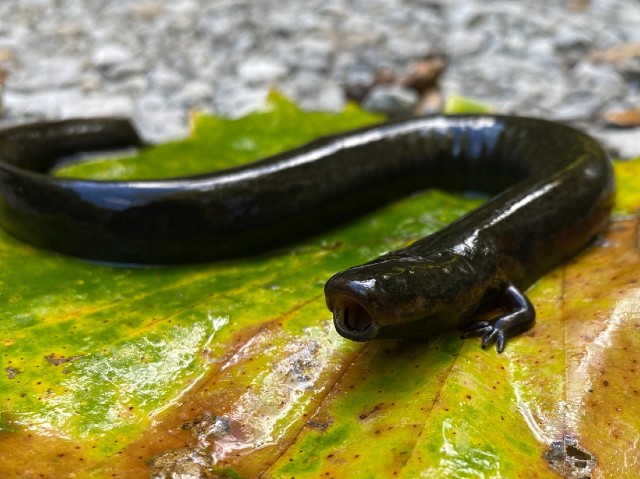
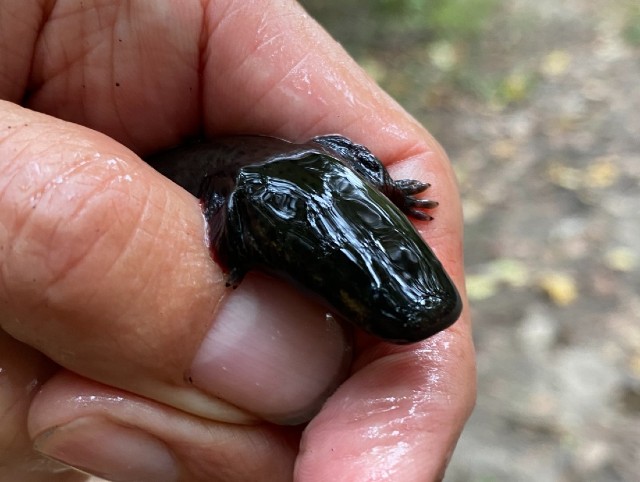
While visiting southern Illinois, I had an encounter with this “lifer” amphibian. Sirens are usually regarded as the most primitive living salamanders; they share a conspicuous basic characteristic – the absence of rear limbs.

02 Lesser Siren_0790

Another feature of this awesome amphibian is that it retains and uses its external gills throughout its life. Lesser Sirens are completely aquatic, rarely leaving water unless its an absolutely necessary.

03 Lesser Siren_0758

Some bodies of water where they reside are temporary and may dry up at certain times of the year. In these cases, the salamander can secrete a cocoon, of sorts, which protects them from dehydrating. It can stay in this state of “suspended animation” for more than a year, until its pond refills with water.

04 Lesser Siren_4250

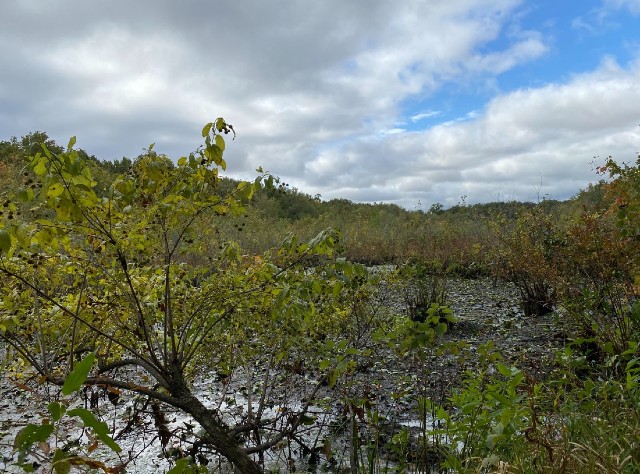
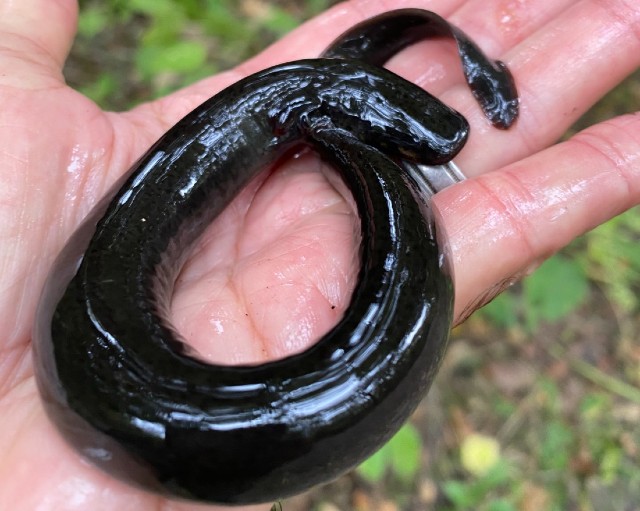
Lesser Sirens grow to about two feet and prefer to live in swamps, ponds ditches and shallow wetlands with abundant vegetation and muddy bottoms. It is nocturnal, spending its days hidden in the debris and mud at the bottom of slow-moving bodies of water.

05 Lesser Siren_0750

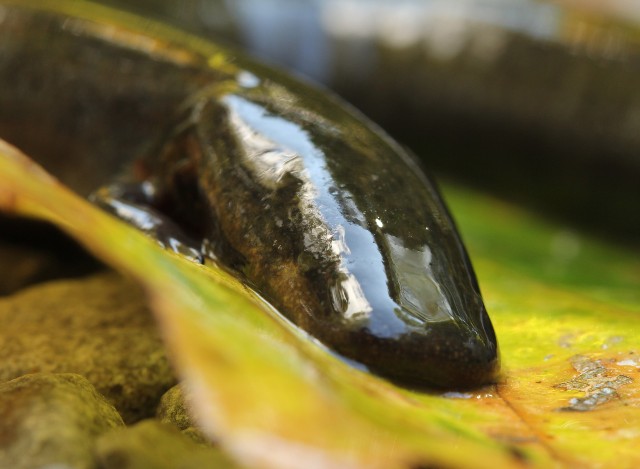
This creature feeds mainly on small insects, crustaceans and other invertebrates, such as worms and snails. The flattened head suggests that this creature burrows in the mud and its tiny eyes indicate that vision is not important to its survival at the bottom of dark swamplands.

06 Lesser Siren_0787

Unlike most salamanders, the Lesser Siren is vocal, and will emit a series of clicks when it approaches others of its kind, It also has the ability to “yelp” if it is handled.

07 Lesser Siren_0766

This amphibian is also known as the Two-legged Eel, Dwarf Siren and Mud Eel. It was super cool to finally meet on of the elusive creatures “in person” on this years visit to the Land of Lincoln.

Third Eye Herp
E-mail

Broad-tipped Conehead Katydid

01 Broad-tipped Conehead Katydid_9433

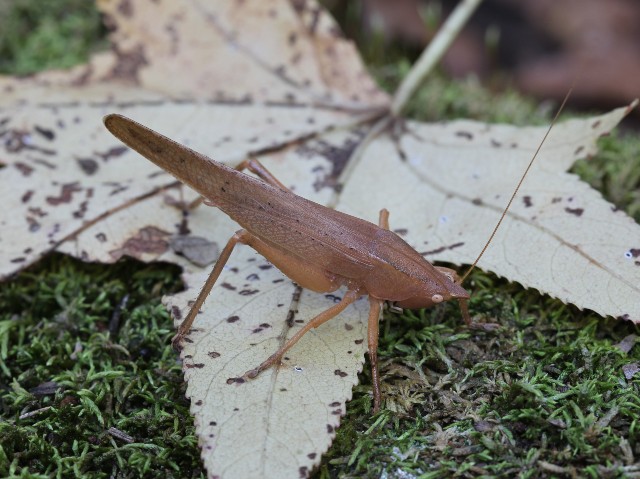
While visiting southern Illinois I came across this very cool creature. Like all other coneheads, it possess a sharply pointed feature (called a fastigium) at the tip of its head, giving it a very distinctive look.

02 Broad-tipped Conehead Katydid_3939 (1)

Adult Broad-tipped Conehead Katydids display either brown or green coloration, depending on their gender and season. This species also occurs throughout the southern United States, from Florida up to New Jersey, and extends westward to southern California.

03 Broad-tipped Conehead Katydid_1060

These insects have have oversized jaws and a relatively large body, with adult females generally being much larger than males. Their bodies are covered by long, narrow, leathery forewings. They are strong fliers and tend to be attracted to lights.

04 Broad-tipped Conehead Katydid_3939

When disturbed, adult Broad-tipped Conehead Katydids will fly off or dive down into the ground and bury their heads to make their body appear to look like grass.

05 Broad-tipped Conehead Katydid_1062

This creature feeds mostly on different types of grasses. It has the ability to overwinter, so its mating call can be heard in early spring, occurring at least a month before many other types of insects begin calling.

06 Broad-tipped Conehead Katydid_3943

This was a neat find while I was out and about looking for snakes.

Third Eye Herp
E-mail

Blushing Rosette

01 Blushing Rosette_1014

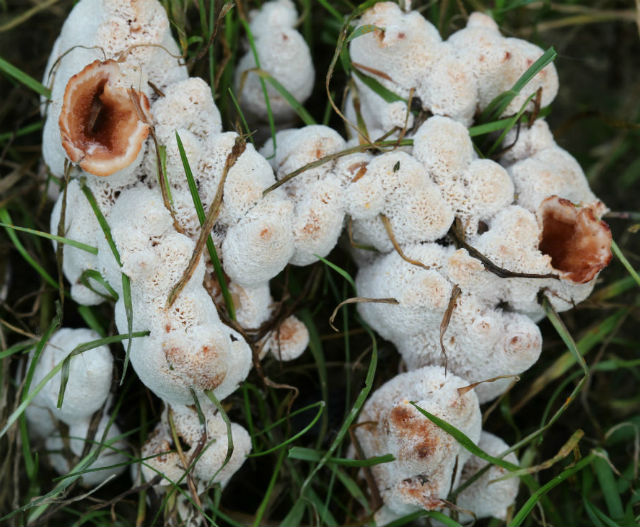
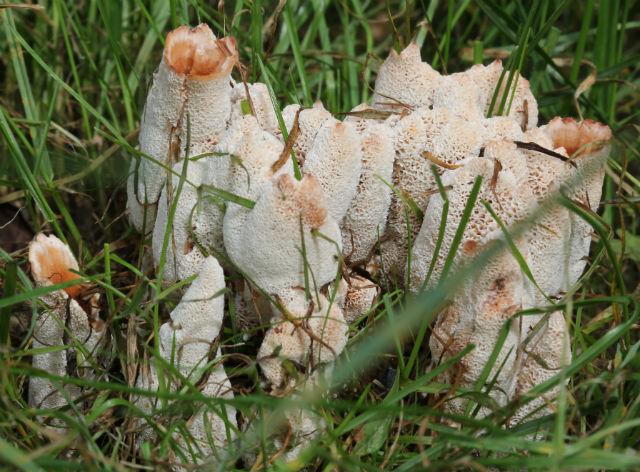
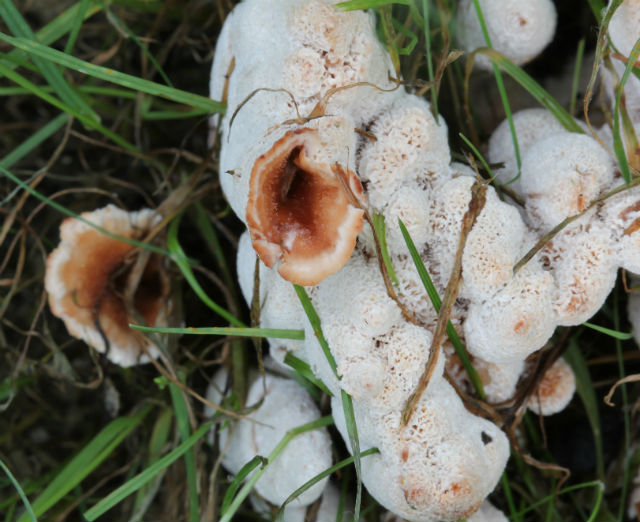
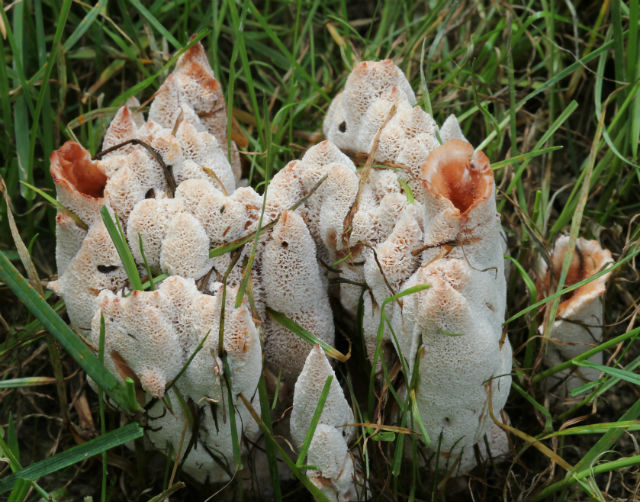
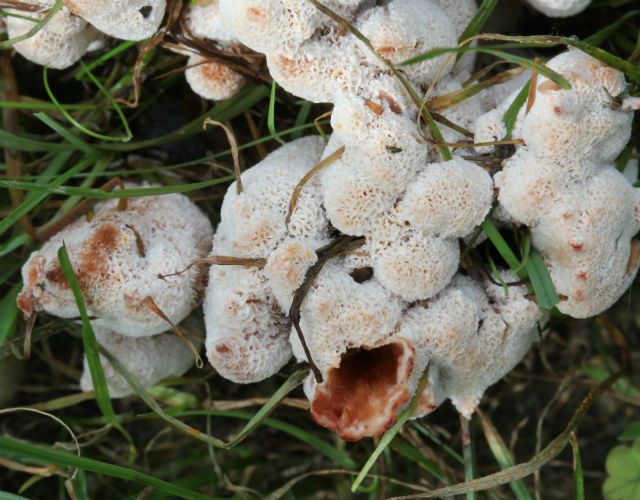
Sometimes you can find crazy things in your backyard – all you have to do is look. This week I can across this strange organism.

02 Blushing Rosette_1018

Abortiporus biennis is a true oddball – a gnarled, messy-looking mass of irregular white pores that exude a reddish juice and bruise reddish brown. There is hardly a cap or a stem to speak of, and as it grows it engulfs sticks and blades of grass.

03 Blushing Rosette_1019

This gnarled form of this species is sometimes given the separate species name of “Abortiporus distortus;” it is apparently the most commonly encountered form of the species, though it does have a more normal looking variety with an identifiable cap and stem

04 Blushing Rosette_1025

This ground-dwelling polypore often puzzles collectors with its mixture of “normal” shelving clusters and “aberrant” cauliflower-like fruiting bodies.

05 Blushing Rosette_1021

Despite the common name “Blushing Rosette,” which refers to the hues seen in many fruiting bodies, the color is actually quite variable, ranging from cream, reddish, ochre, to brown.

Third Eye Herp
E-mail

Fire-colored Beetle

01 Fire-colored Beetle_4351

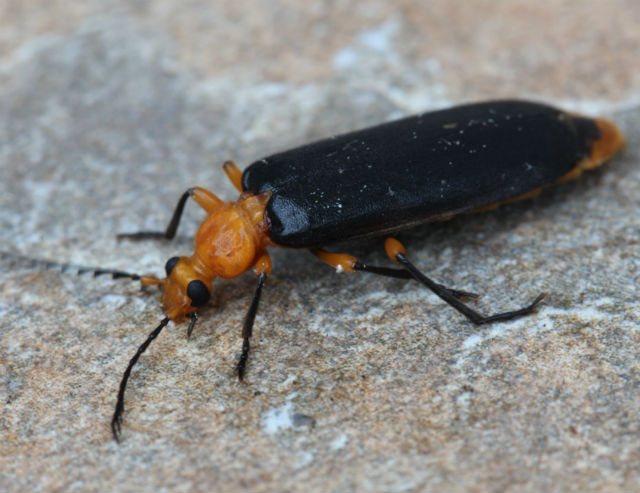
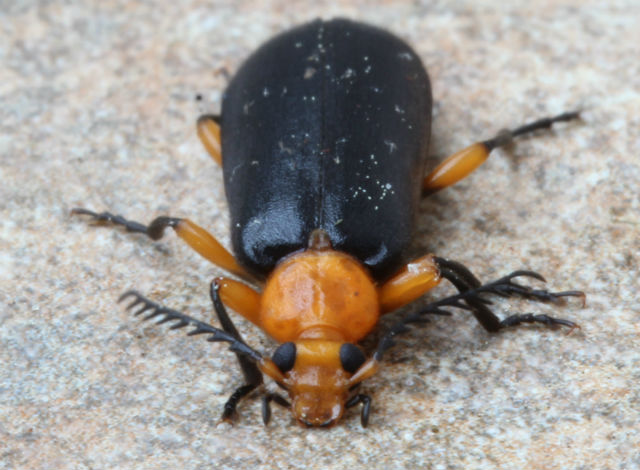
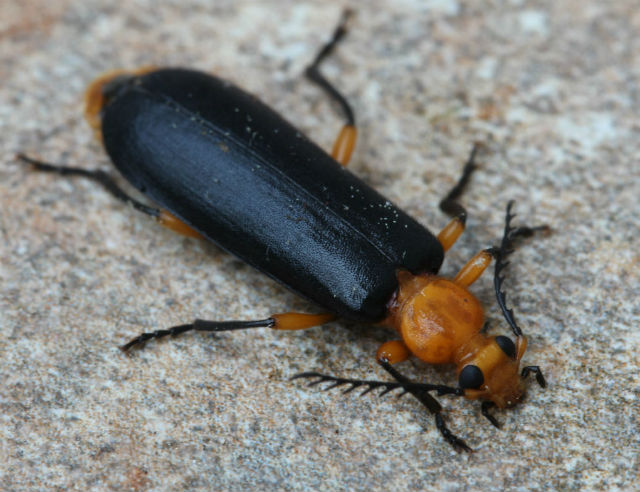
This was a neat insect find that I saw while visiting Cuyahoga Valley National Park. Adult Fire-colored Beetles tend to be slow-moving, so they are easy to capture and photograph.

02 Fire-colored Beetle_9819

Most have dark wing covers and orange or red on the head, legs and body. They have long, straight antennae; the antennae of males are often distinct and comb-like.

03 Fire-colored Beetle_4140

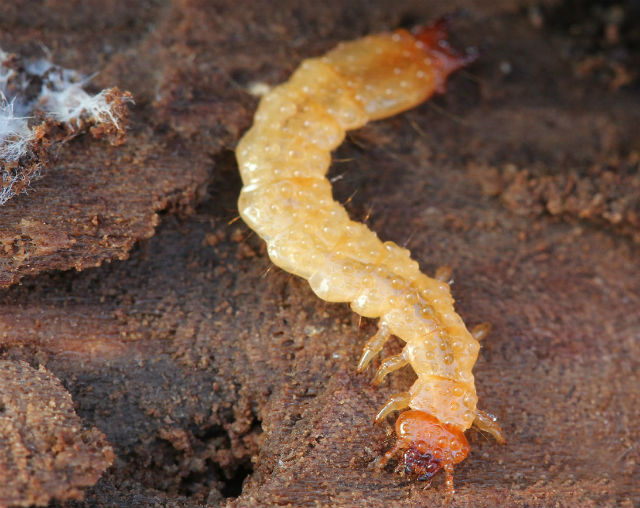
The larvae for Fire-colored Beetles can sometimes be found by overturning logs. They look completely different than adult beetles and are long and worm-like with distinct, flattened bodies and horn-like projections on their final segment.

04 Fire-colored Beetle_9834

Little is known about Fire-colored Beetle larvae, but they are believed to be predators and likely feed on other wood-dwelling invertebrates like worms, termites, ants and other beetle larvae. Even less is known about the adult beetles, but they have been observed visiting flowers where they probably feed on pollen and nectar.

05 Fire-colored Beetle_9831

Fire-colored Beetles are an example of a creature that is far more common than we think, yet we know almost nothing about them.

Third Eye Herp
E-mail

Ruby-throated Hummingbird

01 Ruby-throated Hummingbird_3477

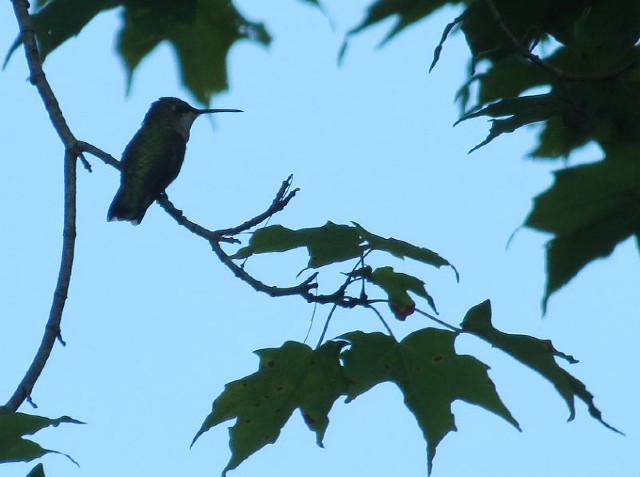
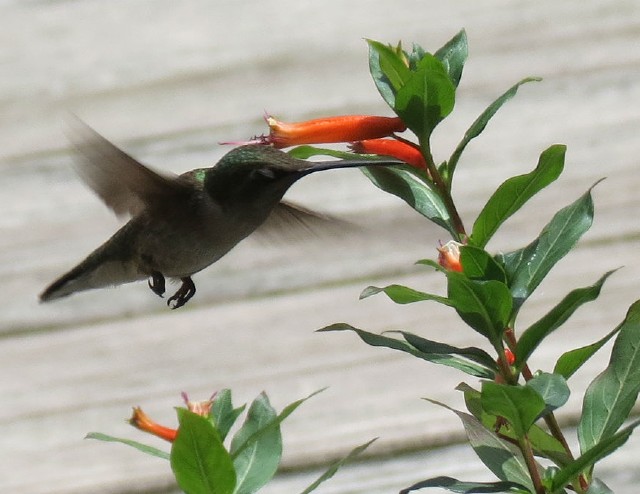
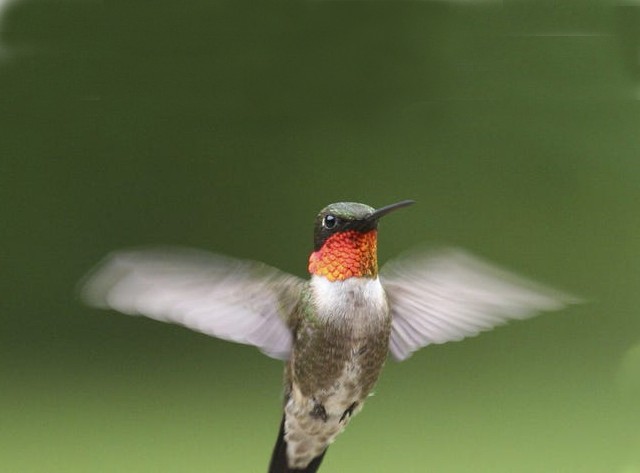
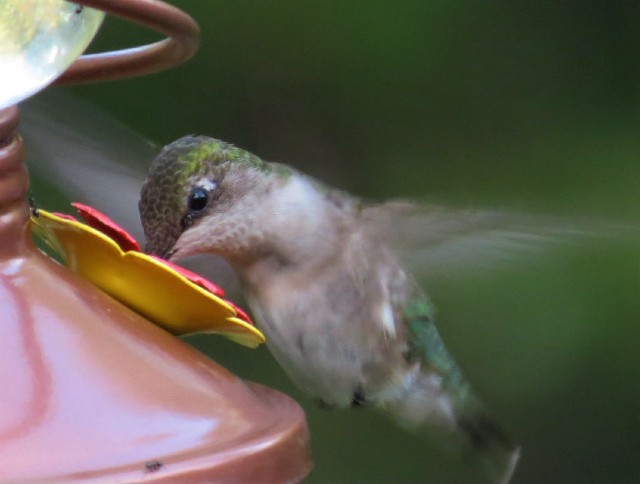
We have been enjoying these Summer visitors. Their helicopter-like aerial acrobatics illustrate surprising maneuverability, as well as the ability to fly in any direction.

02 Ruby-throated Hummingbird_6805

Ruby-throated Hummingbirds are bright emerald or golden-green on the back and crown, and gray-white underneath. Males have a brilliant iridescent red throat that looks dark when they are not in good light.

03 Ruby-throated Hummingbird

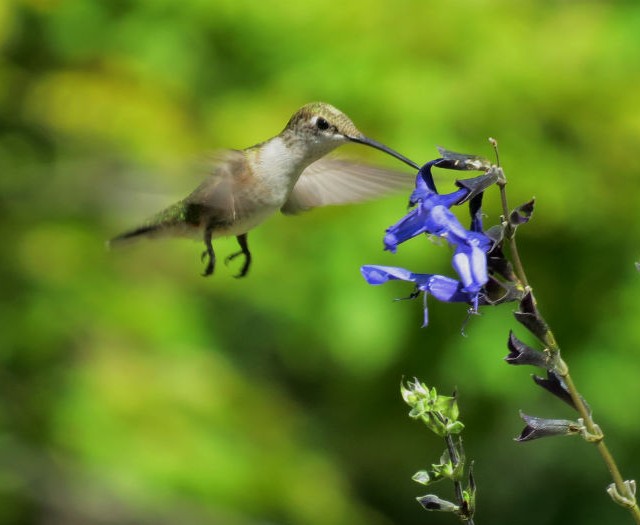
These birds only weigh about as much as a nickel and can beat their wings up to 80 times per second. When fully engaged, their heartbeat can accelerate to 1200 beats per minute.

04 Ruby-throated Hummingbird_4131

Hundreds of kinds of hummingbirds nest in the American tropics and more than a dozen in the western United States, but east of the Great Plains, there is only the Ruby-throat. Their stay here is seasonal and coincides with our peak wildflower season.

05 Ruby-throated Hummingbird_3577

This bird’s habitat is open woodlands, forest edges, meadows, parks, gardens and backyards. Like bees, they feed primarily on nectar and extract it via their long bills. Also, like bees, they pollinate the flowers that they visit. They frequent hummingbird feeders and can be quite territorial about them.

06 Ruby-throated Hummingbird_5965

These are engaging visitors and fun to watch during our warmer months here in northeast Ohio.

Third Eye Herp
E-mail

White-banded Fishing Spider

01 Whitebanded Fishing Spider

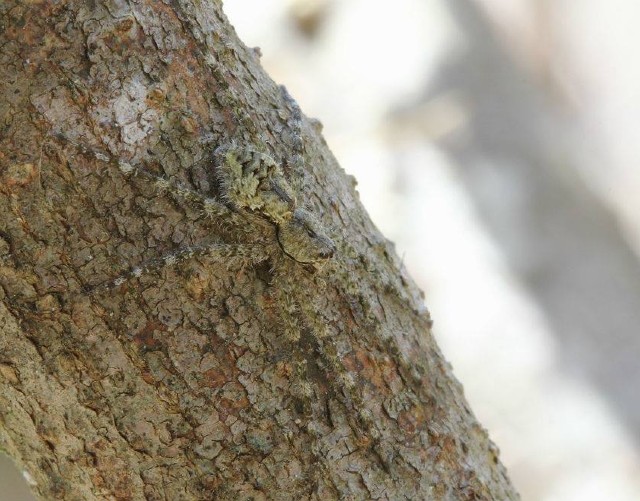
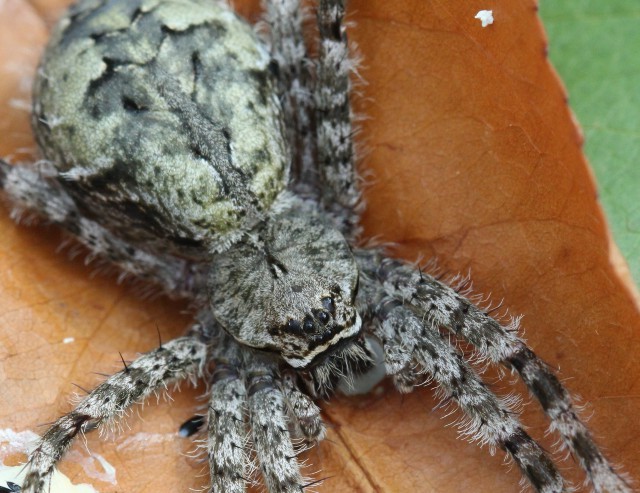
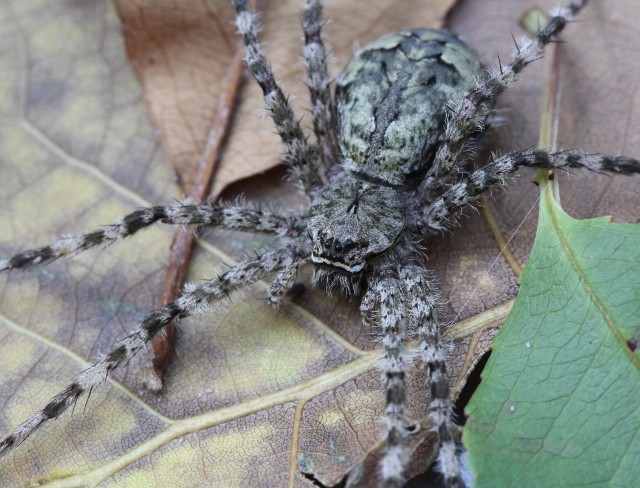
While doing yard work I came across this awesome arachnid. This is a sit-and-wait predator with excellent camouflage. It was the first time I’ve ever encountered this species.

02 White Banded Fishing Spider_0445

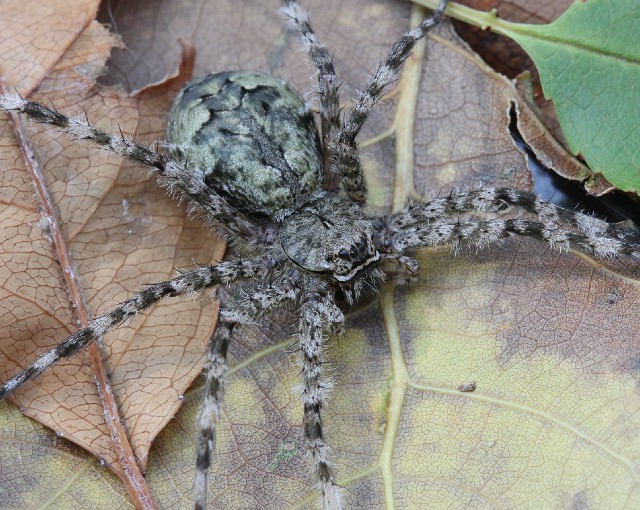
The White-banded Fishing Spider belongs to the Nursery Web Spider Group and is indigenous to the United States. Females, which are somewhat larger than males, can reach nearly an inch in body length.

03 Whitebanded Fishing Spider_0416 (1)

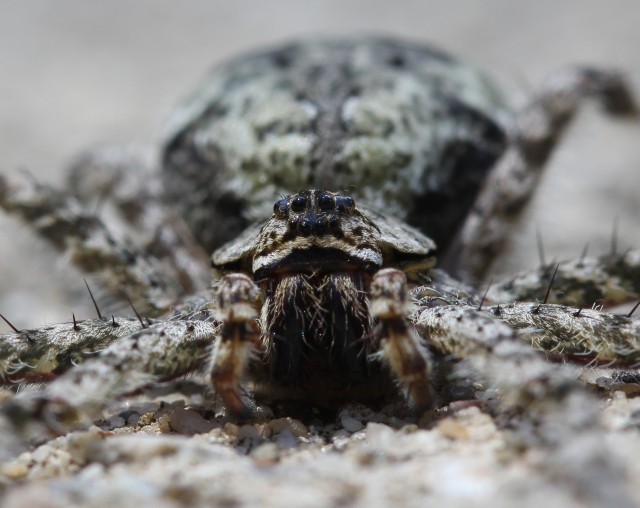
Though their color is variable, it is true to its name, with a white band in the area below its eyes, around the jaws and more white bands on its legs and body.

04 White Banded Fishing Spider_0425

White-banded Fishing Spiders get their “fishing spider” name because most live near water (I have a creek in my backyard) and have been reported to catch small fish and aquatic insects from the water as they walk on its surface. Instead of building a web to catch its food, this creature goes out and hunts it down.

05 White Banded Fishing Spider_0441

Like other Nursery Web Spiders, females carry their egg sac in their jaws before eventually creating a “nursery web” amid foliage, branches and sometimes artificial structures. The female then guards the egg sac and the spiderlings that emerge from it.

06 White Banded Fishing Spider_0442

Sometimes you find cool things without even looking for them and that was certainly the case with this White-banded Fishing Spider.

Third Eye Herp
E-mail

Queen Anne’s Lace

01 Queen Anne's Lace_8016

Queen Anne’s Lace earned its common name from a legend that tells of Queen Anne of England (1665-1714) pricking her finger and a drop of blood landing on white lace she was sewing.

02 Queen Anne's Lace 008

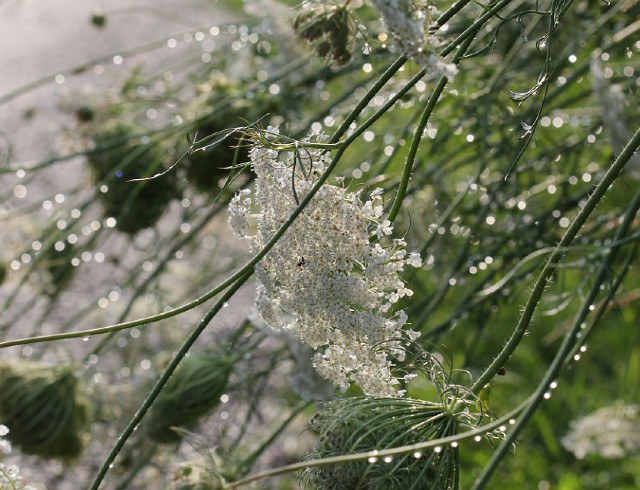
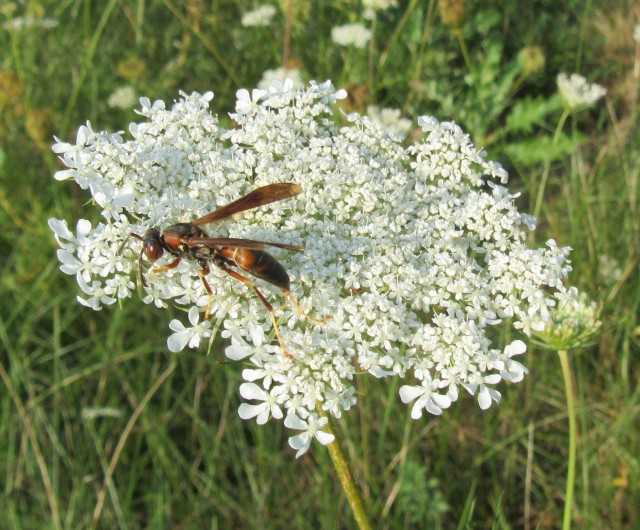
Its flowers are small and have five white petals that form umbrella-shaped clusters that are between two to five inches in diameter. Often, one to several dark purple flowers appear in the center of each cluster.

03 Queen Anne's Lace_2217

Although common along North America’s roadsides, this plant is native to temperate regions of Europe and southwest Asia, and naturalized to North America and Australia.

04 Queen Anne's Lace 029

This flower’s Latin name is Daucus carota and domestic carrots are a cultivar of a subspecies of this plant. Early Europeans cultivated Queen Anne’s Lace and the Romans ate it as a vegetable. American colonists boiled and ate its taproots.

07 Queen Anne's Lace095

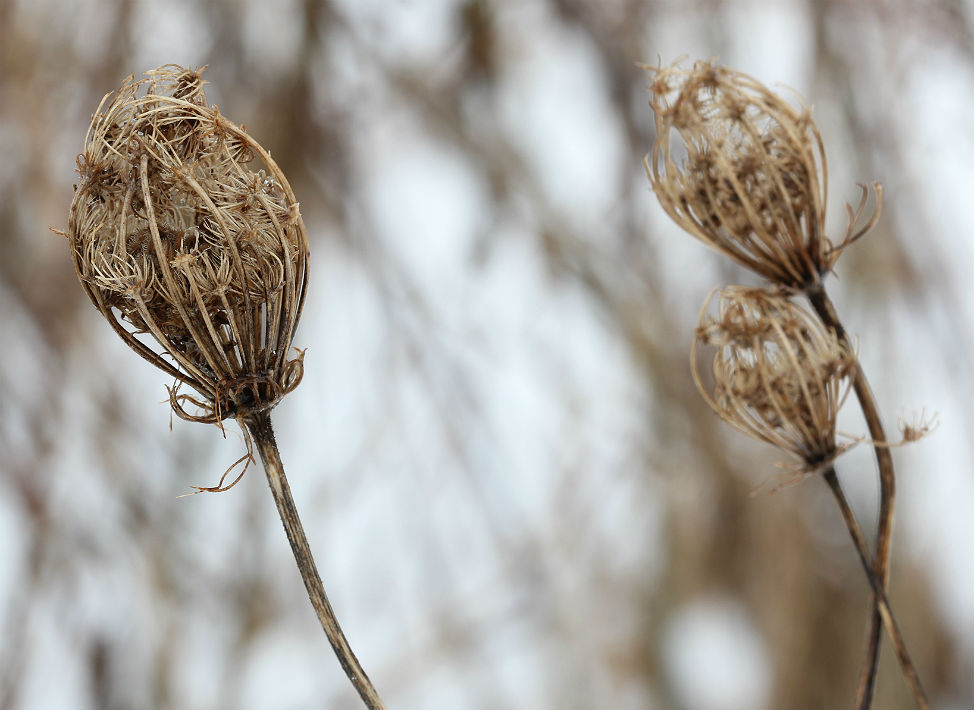
Queen Anne’s Lace’s flower clusters start out curled up and eventually opens to allow pollination. Over time, as the flower matures, the cluster curls inward forming a cup-like bird’s nest when it goes to seed at the end of the season. This flower can grow to over three feet tall.

06 Queen Anne's Lace_2876

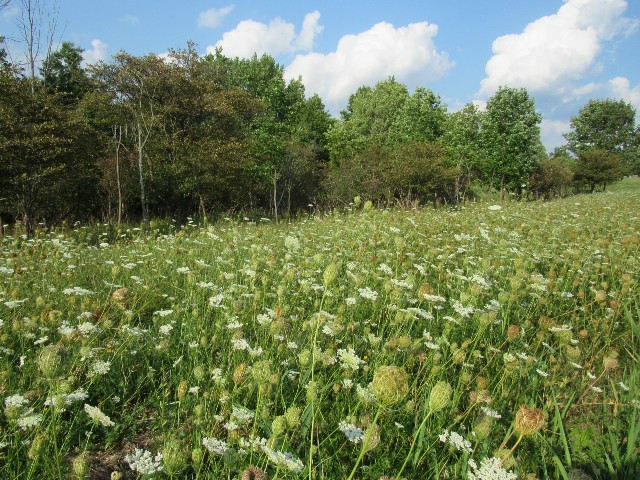
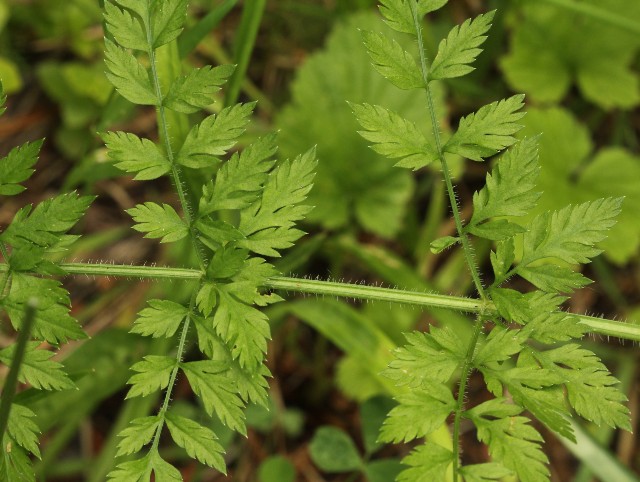
Its feathery leaves resemble those of the domestic carrot. Queen Anne’s Lace is found in fields, meadows, waste areas, roadsides and disturbed habitats. It is very hardy and thrives in a dry environment.

05 Queen Anne's Lace_8015

This plant is also known as Wild Carrot, Bishop’s Lace, Bee’s Nest, Bird’s Nest, Devil’s Plague, Lace Flower and Rantipole.

Third Eye Herp
E-mail