Common Desert Centipede

01 Common Desert Centipede_2348

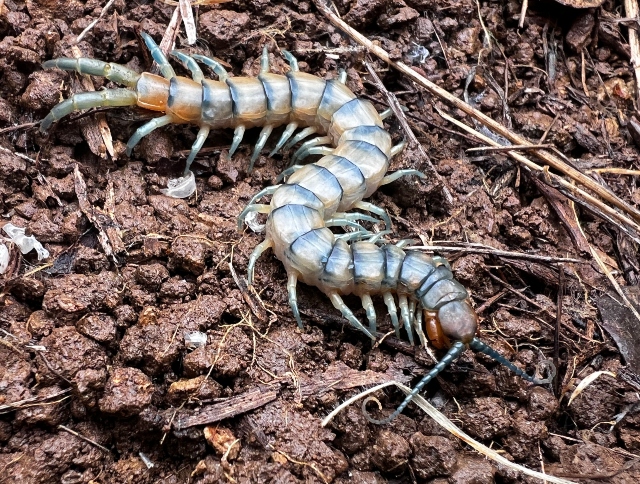
I have found a few examples of this creature over the years, the most recent being on my trip to California in April of 2026. Centipedes require a moist microhabitat because they lack the waxy cuticle of insects and arachnids, causing them to rapidly lose water. Accordingly, they avoid direct sunlight by staying under cover during the daytime and are active at night.
02 Common Desert Centipede_2356

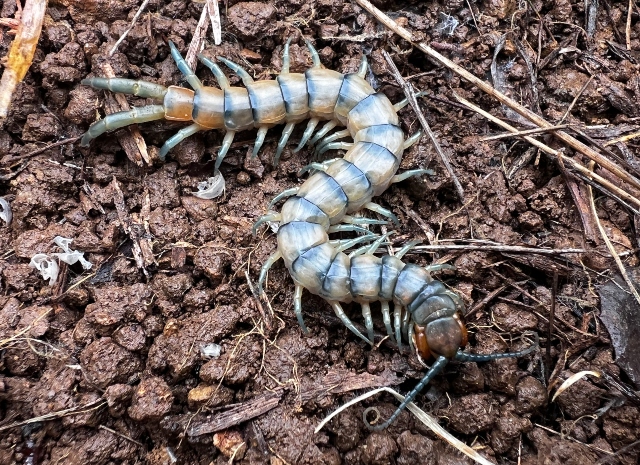
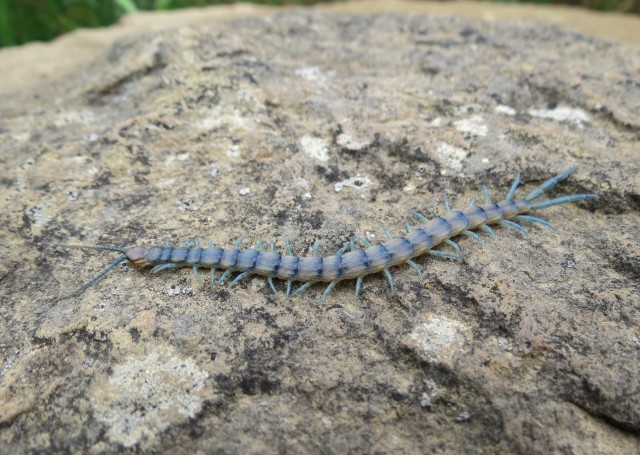
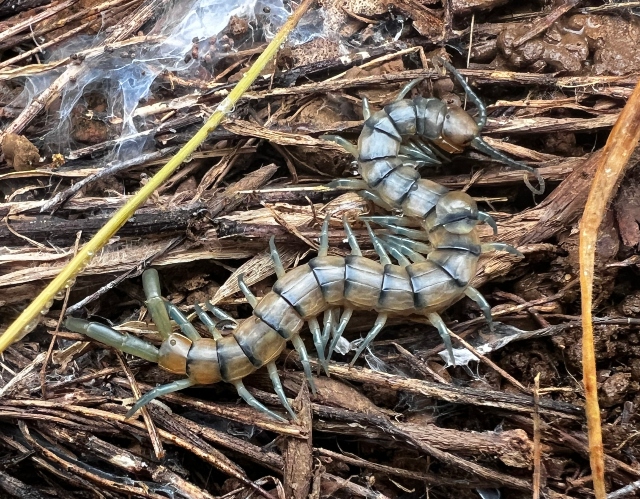
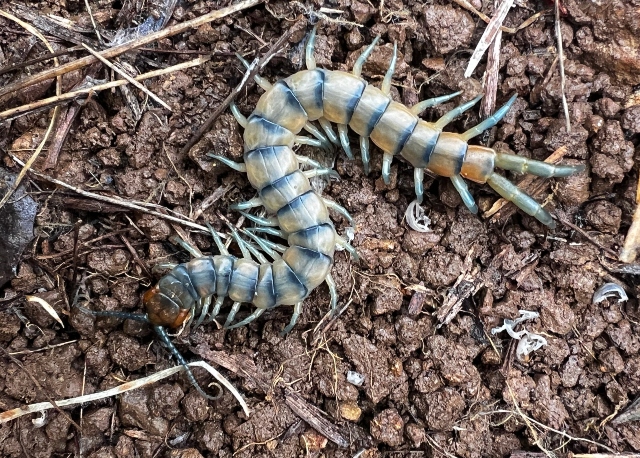
With the Latin Name, Scolopendra polymorpha, this species’ coloration is variable, hence the species name “polymorpha” which means “many forms.” It has several alternative common names, one being Multicolored Centipede. The body segments have one dark lateral stripe, so it is also known as the Tiger Centipede or Tiger-striped Centipede.
03 Common Desert Centipede_1183

The Common Desert Centipede is indigenous to the Southwestern United States and northern Mexico. It inhabits dry grasslands, forests, and deserts; in these habitats they generally take up residence under rocks, though they have been observed creating burrows in suitable environments and inside of rotting logs.
04 Common Desert Centipede_2360

Centipedes are predominantly generalist carnivores, hunting for a variety of prey items that can be overpowered. These fascinating predators have been around for over 400 million years, and they’ve gotten really good at one thing: Hunting. With more than 3,000 species worldwide, centipedes are some of nature’s most effective pest controllers consuming many insects.
05 Common Desert Centipede_1185

All centipede species are venomous, nocturnal predators that use venom to subdue and kill their prey. Unlike other venomous invertebrates, they neither bite nor sting. Instead they use structures called gnathosomes or gnathopods to inject venom into their prey. These are paired pincer-like appendages in front of the legs. Their “bite” is actually a pinch.
06 Common Desert Centipede_2353

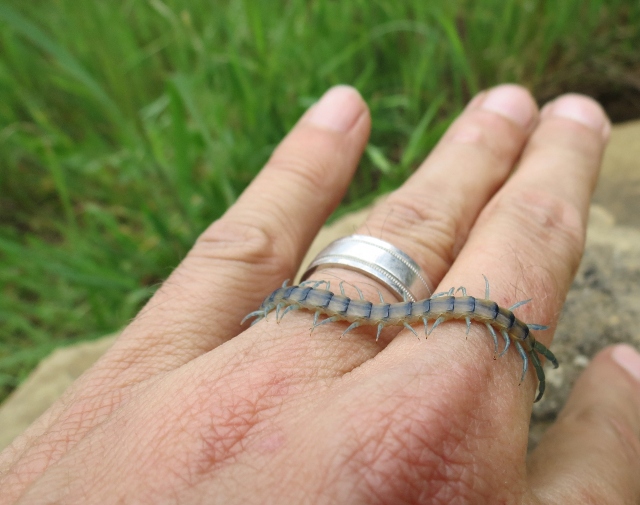
Scolopendra polymorpha is of a decent size, generally reaching 4 to 7 inches in length. Common Desert Centipede mothers take care of their eggs coiling around and grooming them. They may do this to protect them from mold and bacteria. Once the young hatch, she will further care for them for a few more days until they disperse.
07 Common Desert Centipede_2354

This is always a neat find while in search of reptiles and amphibians.
Third Eye Herp
E-mail

Ruddy Duck

01 Ruddy Duck_4845

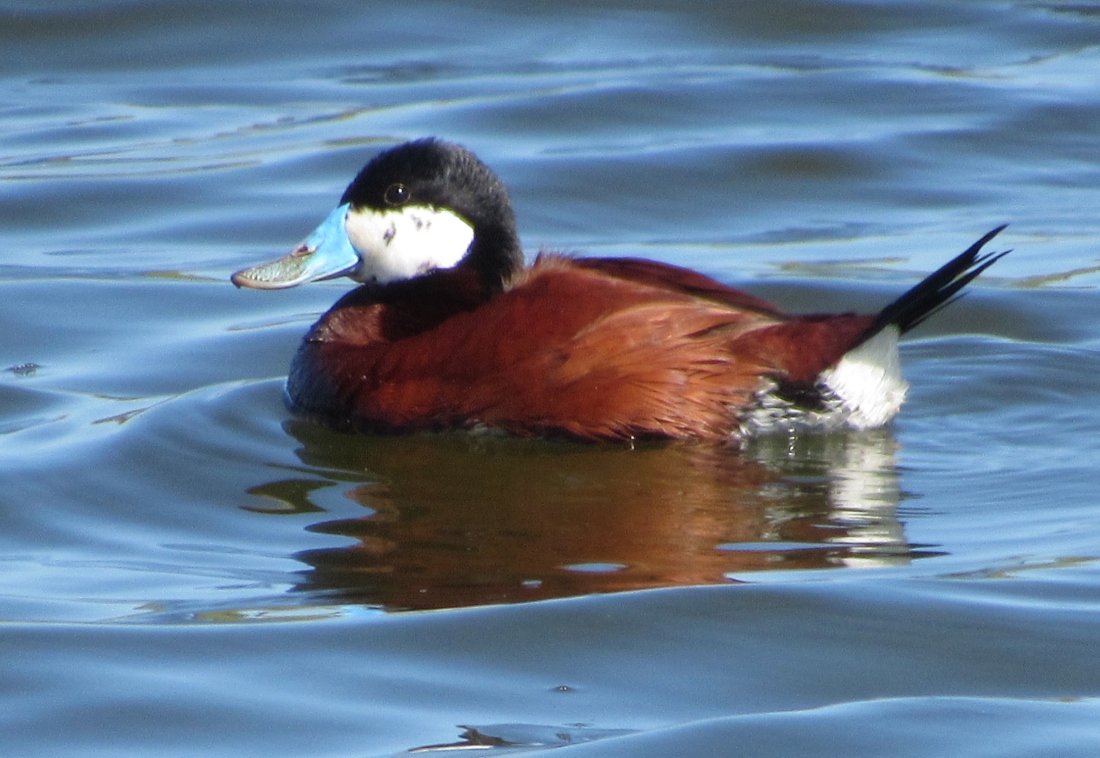
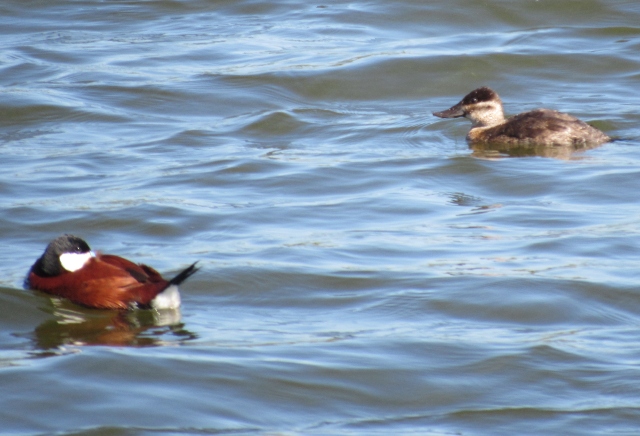
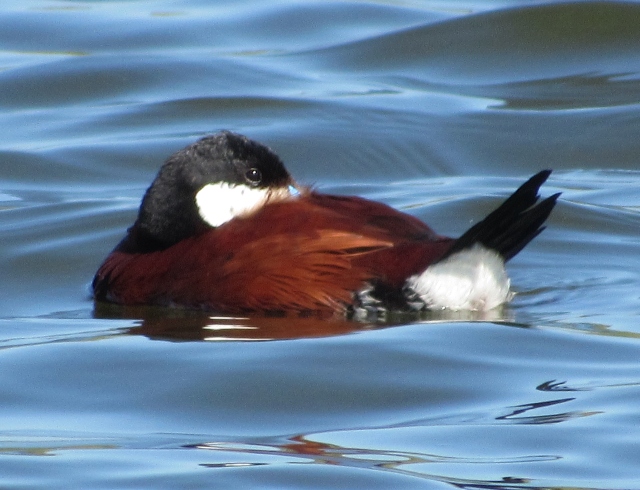
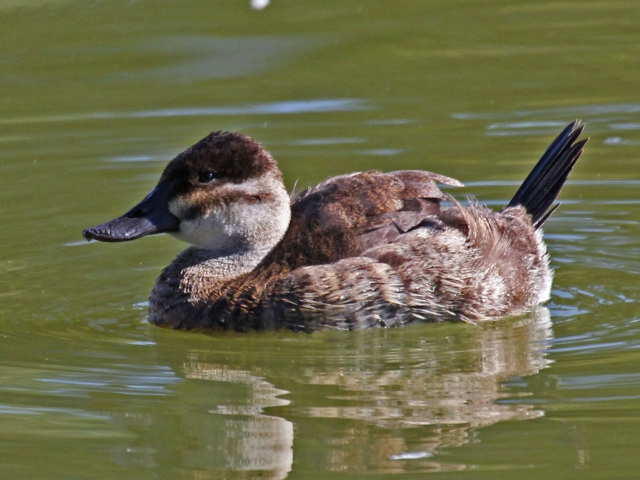
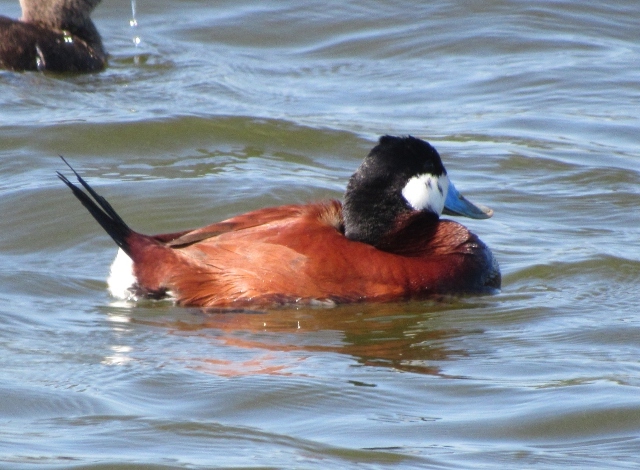
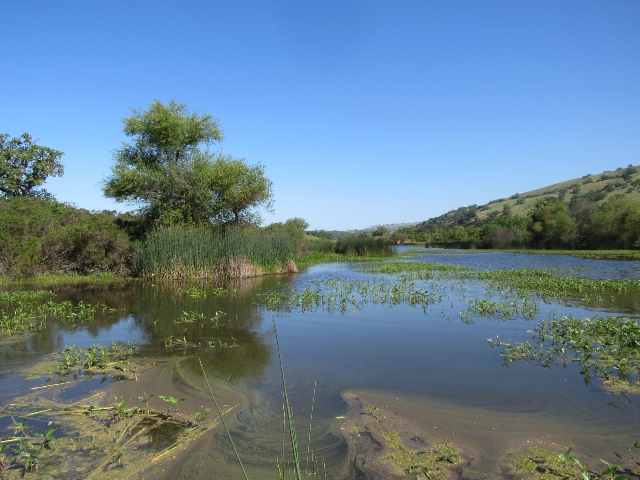
While hiking along the edge of a lake on Mount Hamilton in California, I spotted a few examples of distinctive-looking ducks. Males are known for their striking appearance in Spring, featuring a bright, powder-blue bill, rich chestnut-red body, and bold white cheeks with a black cap. Males are dull brown in Autumn, turning grayish-brown, like females, in Winter.

02 Ruddy Duck_4878

The Ruddy Duck is one of six species within the Stiff-tailed Duck Family. Stiff-tailed Ducks occupy heavily vegetated habitats in North and South America as well as the British Isles, France, and Spain.

03 Ruddy Duck_4893

This bird has also been nicknamed “butterball,” a term used to describe an individual that is somewhat fat, due to its short and stout stature, which makes activities like flying and walking upright awkward. On takeoff it must patter across the surface of the water to become airborne, then it whirs along on rapidly beating wings. On land it is almost helpless.

04 Ruddy Duck_4883

The Ruddy Duck is a small, compact duck with a sturdy, scoop-shaped bill, and a stiff tail which it holds cocked upward. It has a slightly peaked head and a fairly short, thick neck. It is an excellent diver that is often seen in tight groups, appearing to “bob” on the water.

05 Ruddy Duck_4895

It forages by diving and swimming underwater, propelled by feet, using its bill to strain food items from mud at the bottom of ponds. It rarely forages by dabbling at the surface of the water. The Ruddy Duck feeds on the seeds and roots of plants including pondweeds, sedges, smartweeds, and grasses. It also consumes aquatic insects, mollusks, crustaceans, and rarely small fish. Insects and their larvae may be main foods eaten in Summer.

06 Ruddy Duck_4896

It was neat to see this colorful creature with a bright blue bill while herping the Golden State.

Third Eye Herp
E-mail

Fernald’s Iris

01 Fernald's Iris_5938

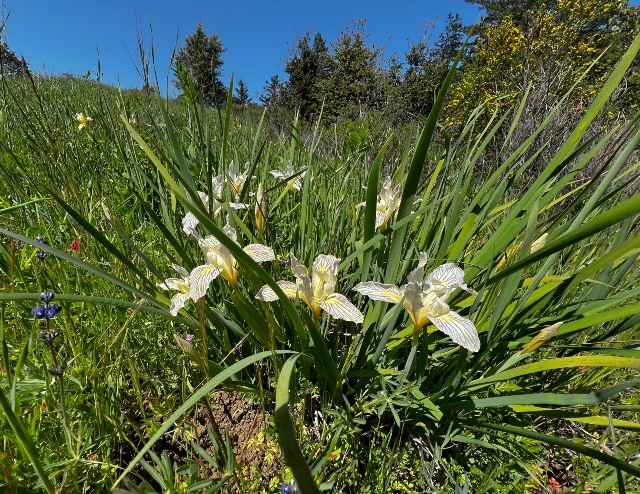
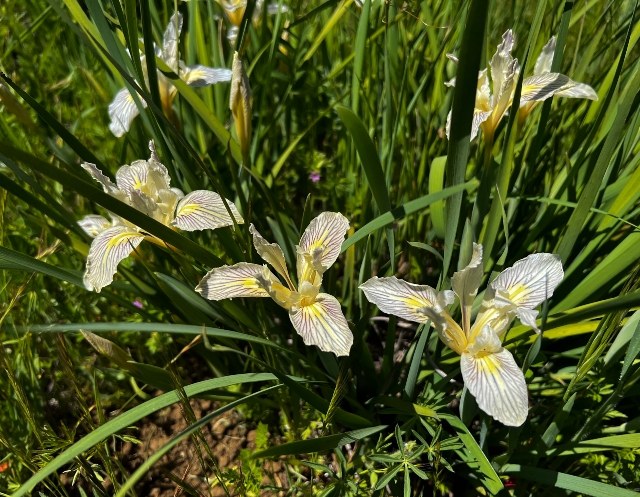
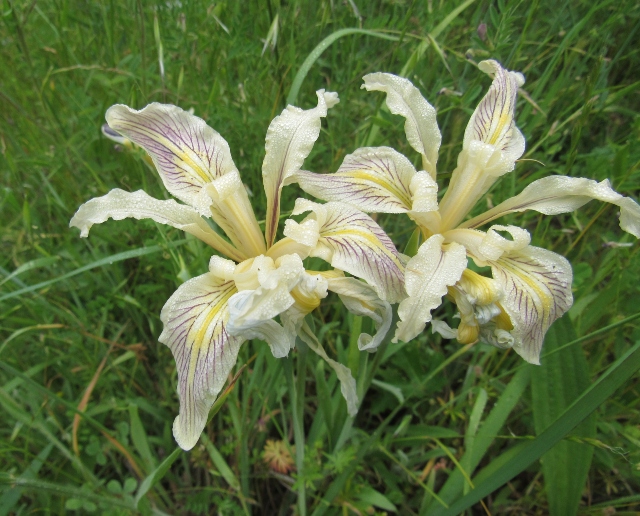
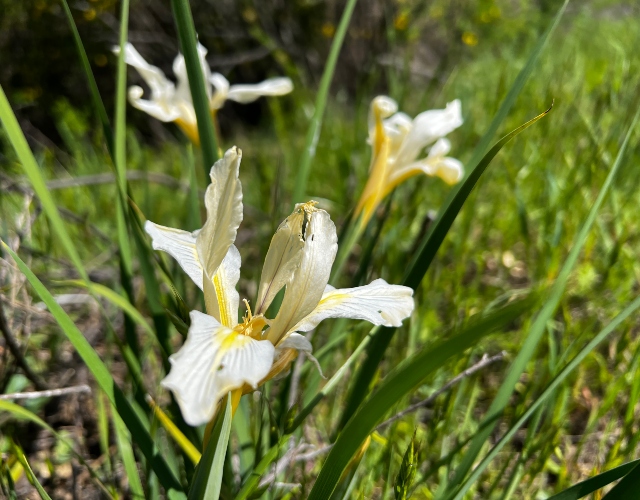
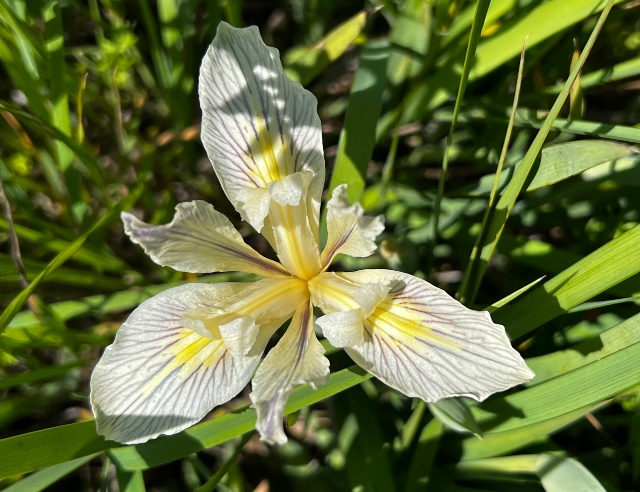
While visiting the Golden State in April of this year, I encountered several examples of this fine plant. It is characterized by its narrow, gray-green leaves and flowers that range in color from creamy white to pale yellow, often with darker yellow veins and a yellow signal.

02 Fernald's Iris_5936

Fernald’s Iris is found in the Northern California Coast Ranges, including the Santa Cruz Mountains and the San Francisco Bay Area, where it frequents dry, lightly shaded areas in the northern and southern coastal mountains. It lives only in California.

03 Fernald's Iris_5053

Plants grow individually in the filtered light of a protective oak canopy, and extend slightly outward into the grasslands along forest edges. I saw examples in roadside fields as well as along woodland mountain trails.

04 Fernald's Iris_5940

Irises are perennial plants, growing from rhizomes (underground root systems that send out roots and shoots from its nodes) or, in drier climates, from bulbs. They have long, erect flowering stems which may be simple or branched, solid or hollow, and flattened or have a circular cross-section.

05 Fernald's Iris_5943

In colorful magazines promoting California’s wine industry, the Fernald’s Iris is sometimes called the “Little Yellow Wild Iris.” “Wine Country Iris” would be equally appropriate, since its distribution coincides closely with the best wine producing regions in the central coast.

Third Eye Herp
E-mail

High Cockscomb

01 High Cockscomb_4072

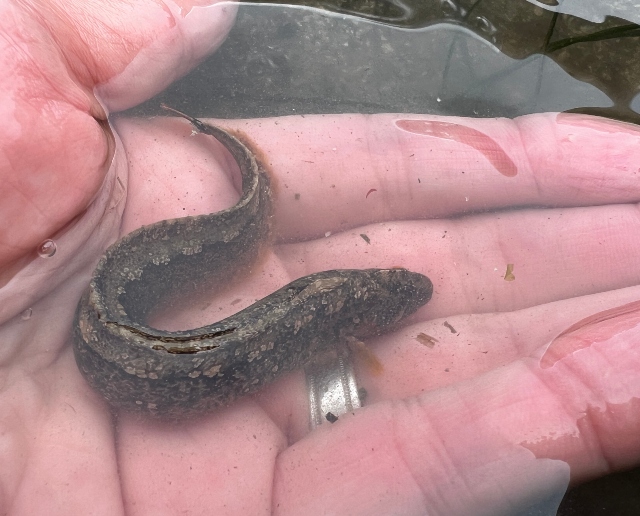
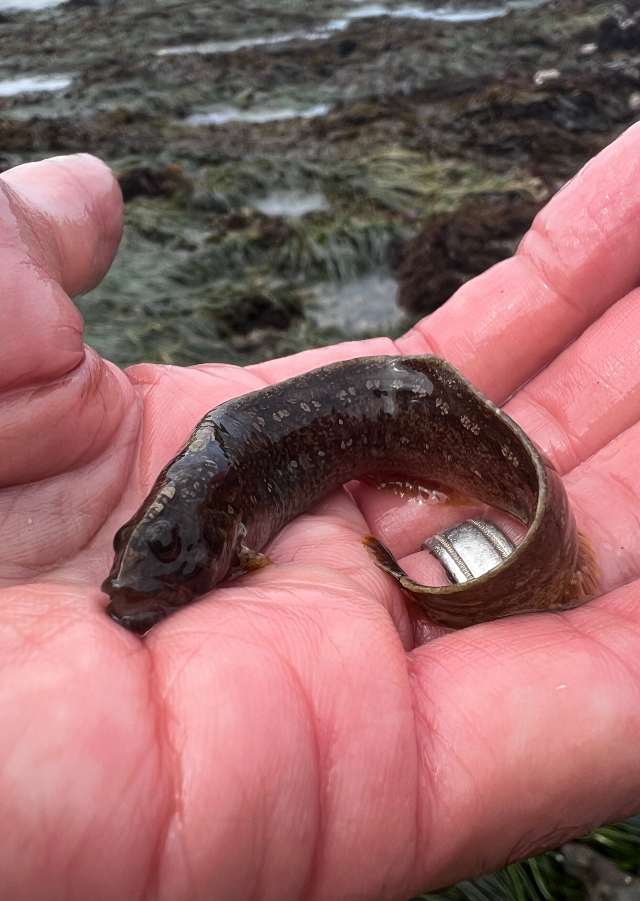
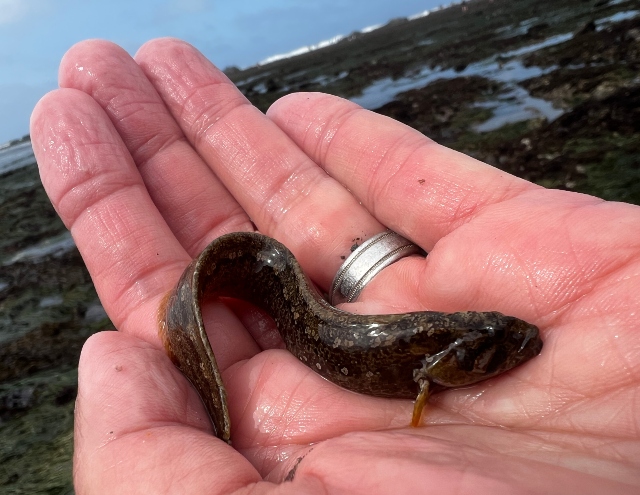
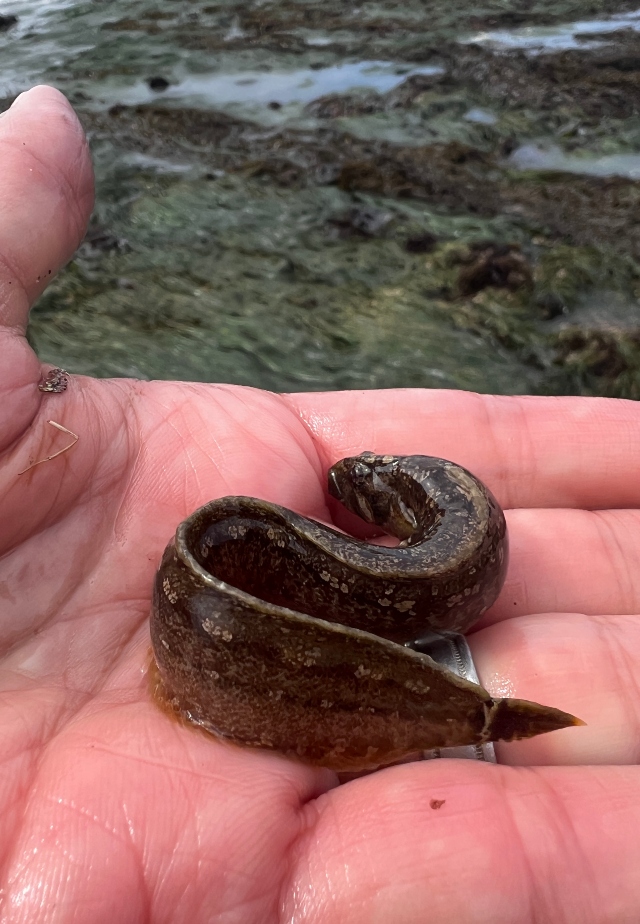
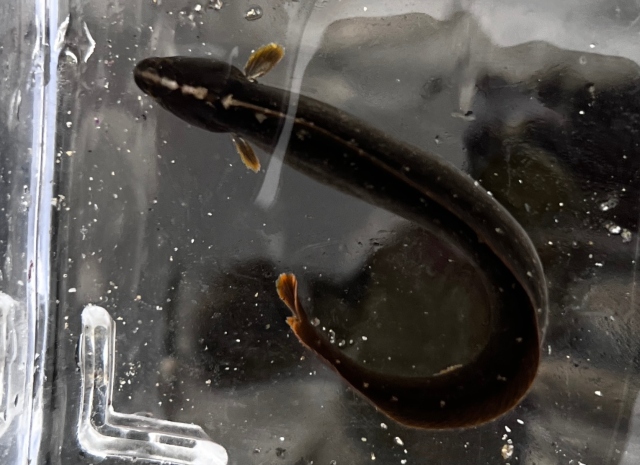
This long, eel-like fish is named for the fleshy crest, or cockscomb, on top of its head. Males have a larger, more prominent cockscomb than females. Males are aggressive towards other males during breeding season, biting, displaying at, and chasing one another around a female. While competing, the males’ fins will turn a deep red or orange color and the spot on the forward end of their dorsal fin will become outlined in gold.

02 High Cockscomb_6052

It typically measures 6-8 inches in length, but in 2022, an exceptional specimen was captured and released by a young boy at Fords Cove on Hornby Island, British Columbia that was filmed and officially measured at over 10 inches length, establishing a new maximum recorded size.

03 High Cockscomb_6037

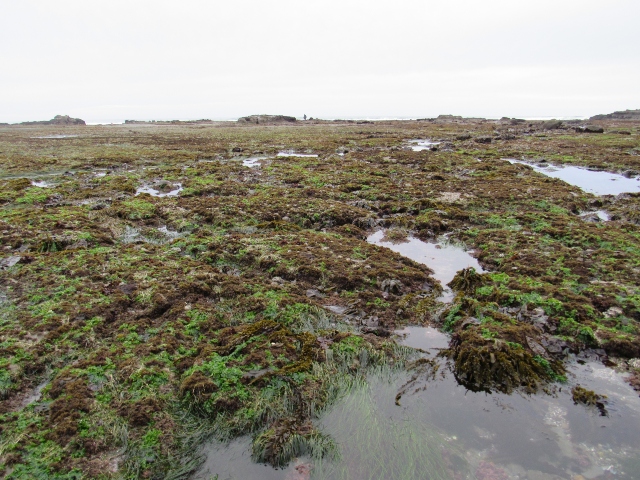
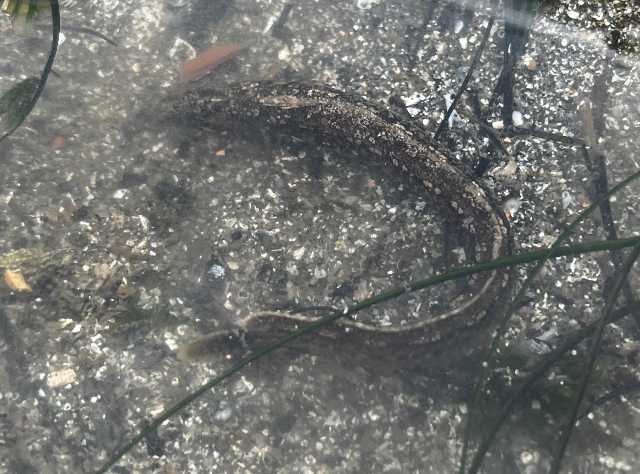
The High Cockscomb lives in many areas along the Pacific Coast ranging from Alaska to California. It inhabits coastal areas, no deeper than 100 feet below the surface. It lives near the ocean floor and in the intertidal zone, tending to live in areas with gravel or crushed shell.

04 High Cockscomb_6058

This fish’s diet consists of worms, crabs, amphipods, isopods, copepods, snails, clam siphons, insects, and algae. This species can breathe air, allowing it to survive for 15–25 hours out of the water if kept moist.

05 High Cockscomb_6050

The High Cockscomb is sexually dimorphic. Females have more subdued colors, but show more green or brown patterns. Females have a yellow speckled cockscomb and lower surface of the head. In males these areas are pale and lack speckles. During breeding season males develop bright orange and reddish coloration on the fins.

06 High Cockscomb_6047

A female of this species cares for her eggs by coiling around the egg mass with her body. She uses the back portion of her body and caudal fin to fan the egg mass. She continues guarding and caring for these eggs until they hatch, which takes an average of 29 days.

07 High Cockscomb_2199

Although small, this was a super cool fish to encounter while tidepooling.

Third Eye Herp
E-mail

Gooseneck Barnacles

01 Gooseneck Barnacle_4128

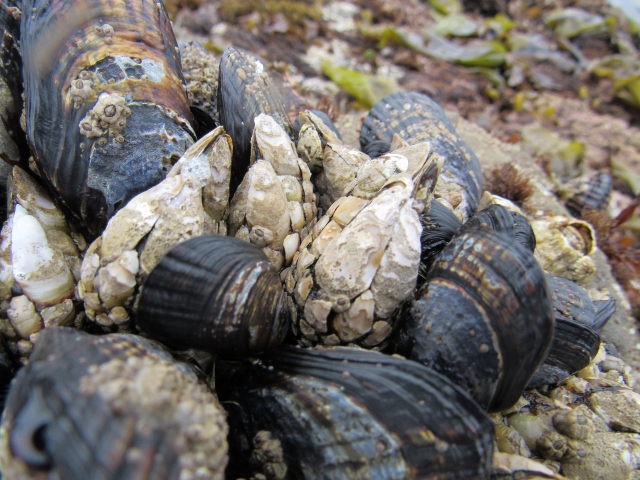
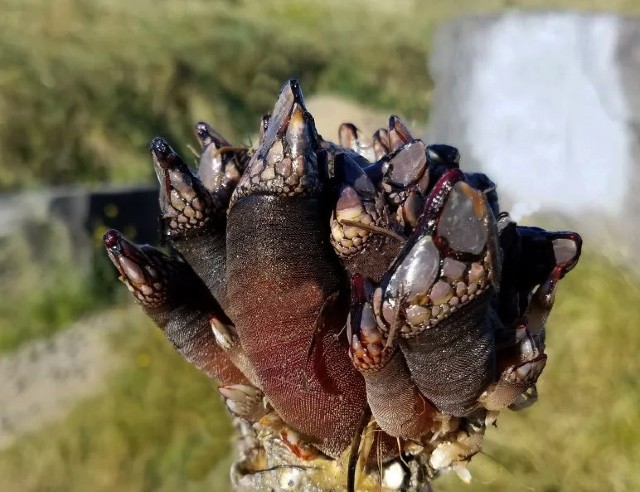
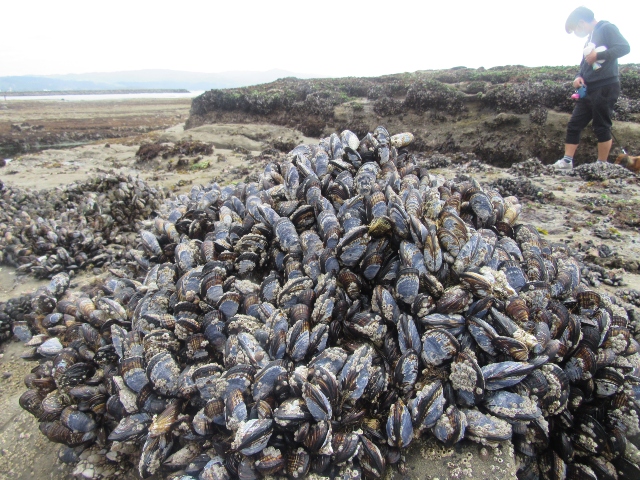
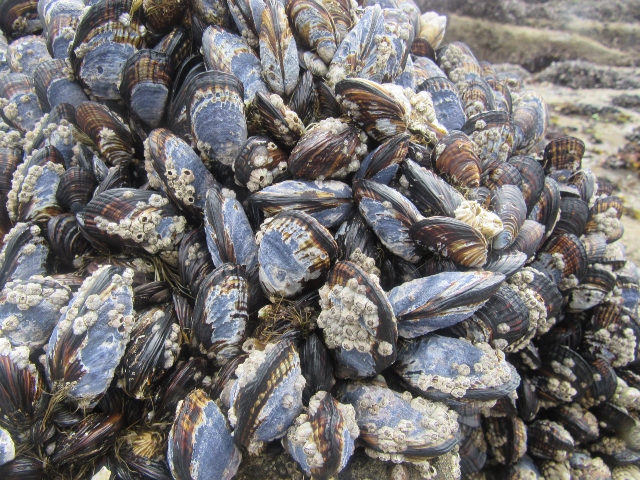
When it’s low tide these creatures are quite conspicuous. They can be identified by several light colored plates that form the a cone that sits on top of a dark stalk.

02 Gooseneck Barnacle_3219

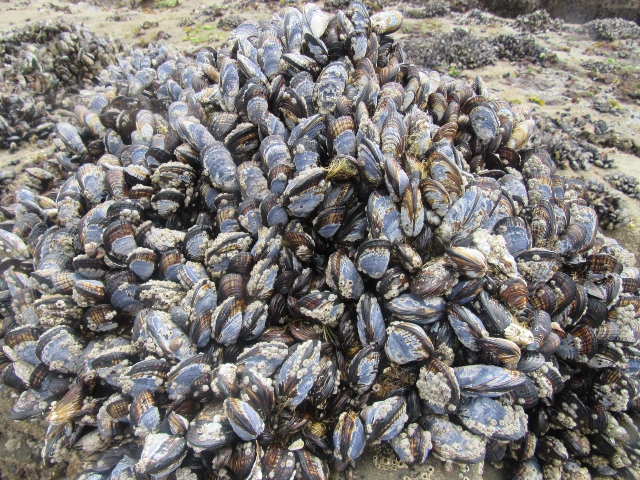
These barnacles are typically found in large clumps and often in the midst of mussels. They can grow several inches long depending on the conditions. Gooseneck barnacles have a fleshy, muscular stalk reaching 4 to 6 inches in length with a calcareous tip.

03 Gooseneck Barnacle_4155

Barnacles are filter-feeding crustaceans that live attached to hard surfaces of rocks and flotsam in the ocean intertidal zone. Barnacles filter-feed when the tide is high, using small feather like appendages called cirri to catch plankton.

04 Gooseneck Barnacle_135849

Goose barnacles, like all barnacles, are exclusively marine invertebrates but, unlike many other members of their class, they are hermaphrodites, meaning that they have both male and female sexual organs.

05 Gooseneck Barnacle_3220

Their eggs hatch into free-swimming larvae, which drift with the ocean currents as one of the immense number of animals that comprise zooplankton. Once they attach to the rocks as larvae, where they do not move from for their entire lives.

06 Gooseneck Barnacle_3221

In folklore, Barnacle Geese were once held to emerge fully formed from Goose Barnacles. In culture, Barnacle Bill became a comic folk-type of a seaman, appearing in several films and a drinking song.

Third Eye Herp
E-mail

Spotted Moon Crab

01 Dungeness Crab_6041

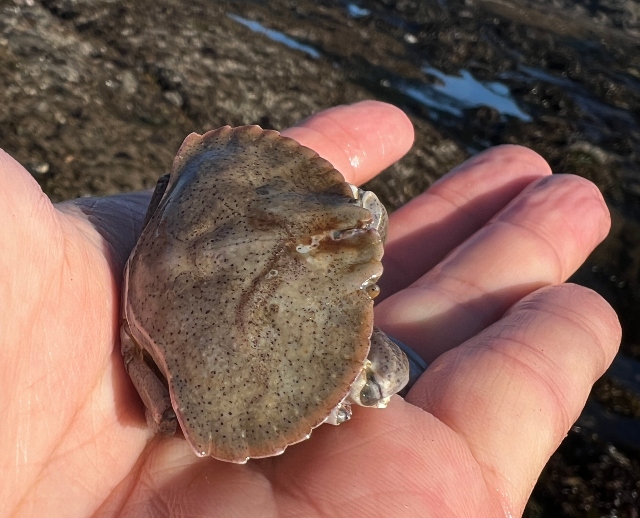
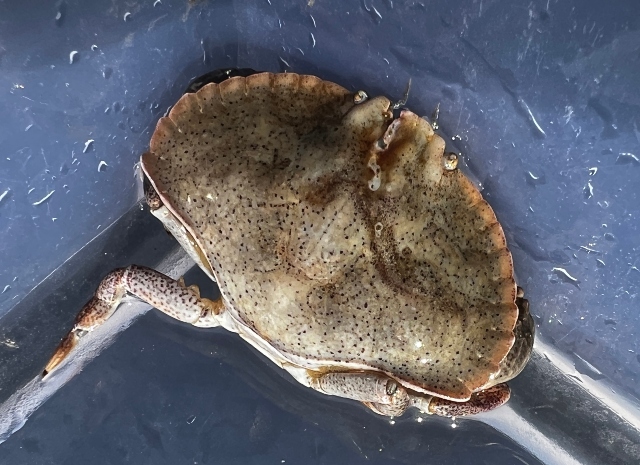
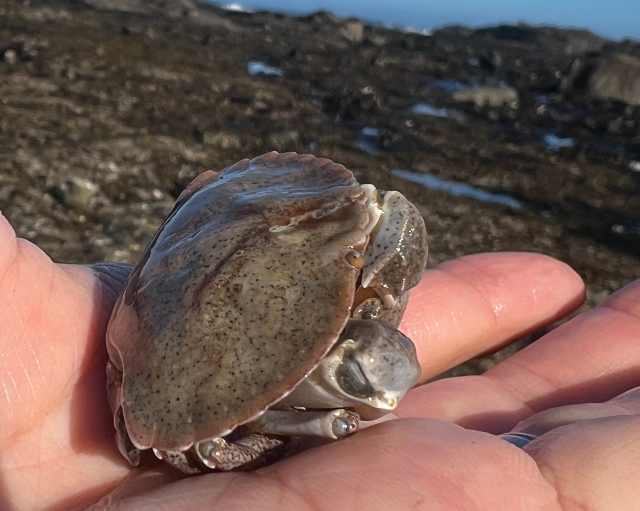
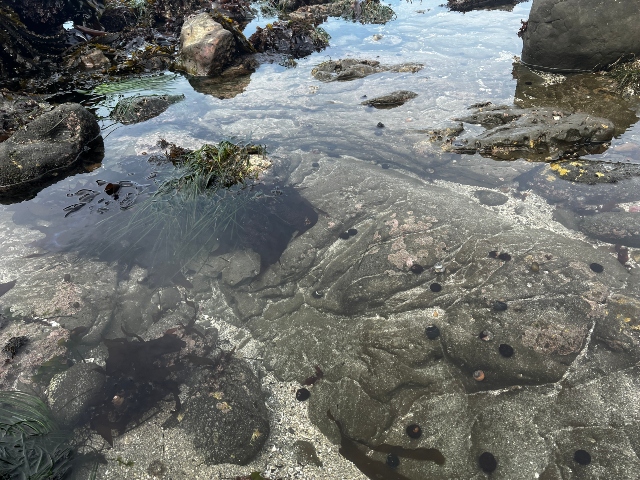
While tidepooling in the San Francisco Area, I came across this cool creature. With a Scientific Name of Ashtoret lunaris, it is more active at night and is rarely seen in the daytime, as it is then often buried in the sediments. “Lunaris” in Latin refers to the moon.

IMG_9677

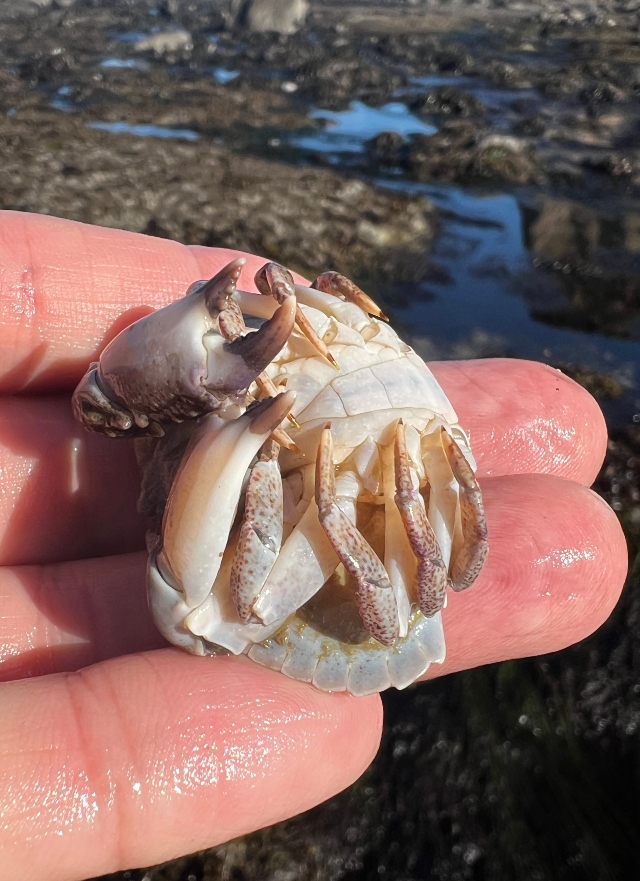
The Spotted Moon Crab’s colors range from beige to yellow, with little maroon dots evenly sprinkled on the body surface, sometimes highlighting the six bumps. Its pincers are short, sturdy, held against the body to form a somewhat box-like shape. Its walking legs end in paddle-shaped tips and are used to skim along the sea bottom as well as being used like spades to rapidly burrow into the sand.

IMG_9676

This crustacean is commonly encountered in sandy and muddy shores, especially near seagrass beds from the intertidal zone to a depth of 150 feet. It is usually nocturnal and spend the day buried in the substrate just below the surface, creating breathing channels to the surface of the sand.

Crab_9682

They hunt small shellfish, worms and other animals. During the night, they are known to take other crabs. When threatened, it often draws its legs up under the overlapping edges of the carapace and appears to sham death; this may make it difficult for a predator to dismember the crab

IMG_9678

I have caught several different types of cool crustaceans while out and about, but this was the first time I’ve ever come across this species.

Third Eye Herp
E-mail

Angular Unicorn

01 Angular Unicorn_5985

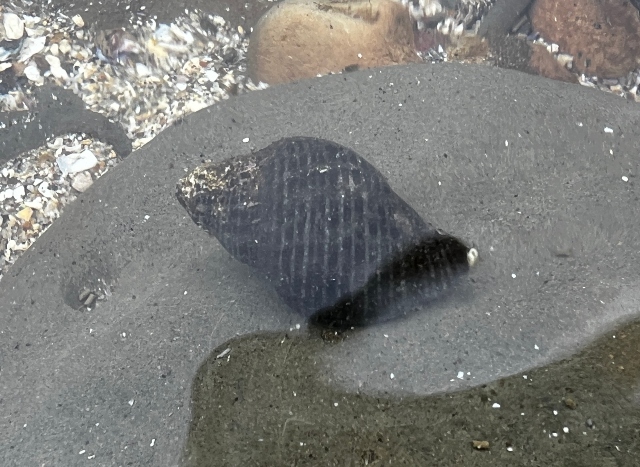
I found this neat gastropod while tidepooling in the San Francisco Bay Area. The Angular Unicorn is a type of predatory snail found on the intertidal zones. Its shell exterior varies from gray to yellowish-white. Several white spiral cords, with dark interrupted grooves between, encircle the shell.

02 Angular Unicorn_5984

The Angular Unicorn belongs to the mollusk Family Muricidae, a large and varied group of small-to-large predatory sea snails, commonly known as Murex Snails or Rock Snails.

03 Angular Unicorn_5992

It is found on protected rocks and pilings in the high to mid-intertidal zone and its range is most of the California coastline. I found these in plain sight, hanging out on rocks during low tide. They eat barnacles, mussels, snails and other types of invertebrates. Often times, hermit crabs utilize their shell once the snail dies.

04 Angular Unicorn_5994

When this snail finds its prey, it attaches itself to its prey’s shell. Then it produces hydrochloric acid, enzymes, and other substances to soften the prey’s shell. Once soft, they rasp it away with their radula (a structure of tiny teeth), thus creating a characteristic hole.

05 Angular Unicorn_5988

After breaking through the shell, the Angular Unicorn sticks its mouth inside the clam, barnacle or snail and, using its radula, rasps away the clam’s tissue, basically eating it alive.

06 Angular Unicorn_6002

This species gets its “unicorn” common name from the little pointy projection that it has at the front of its shell.

Third Eye Herp
E-mail

Warbling White-eye

01 White-eye_3213

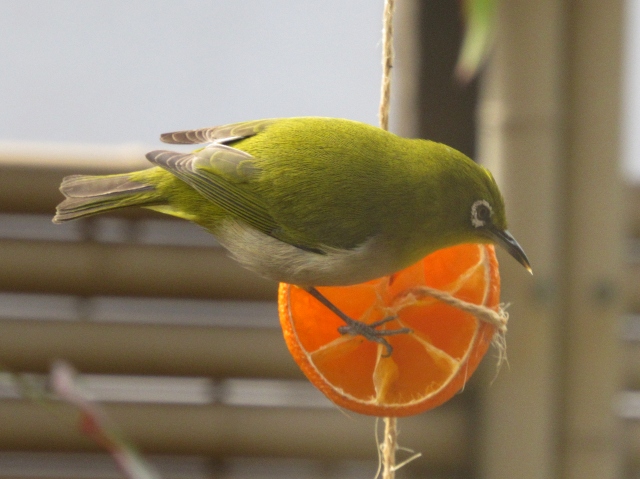
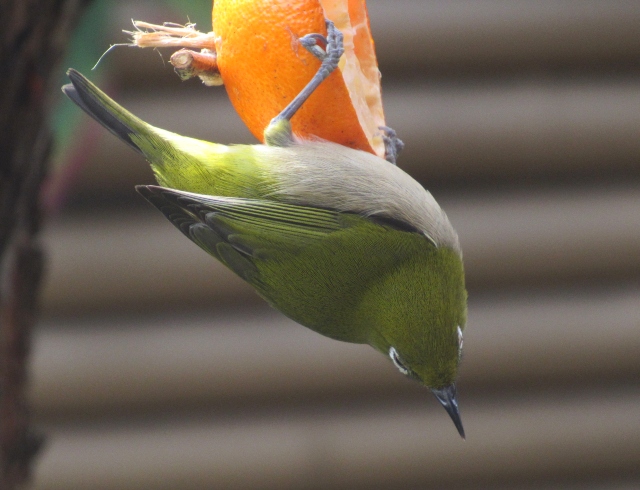
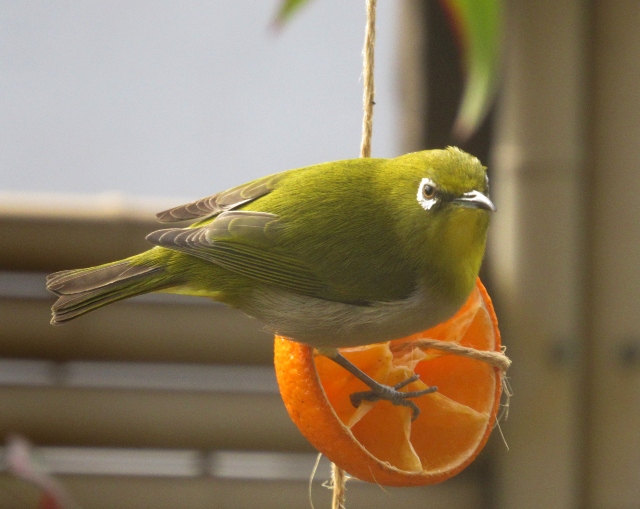
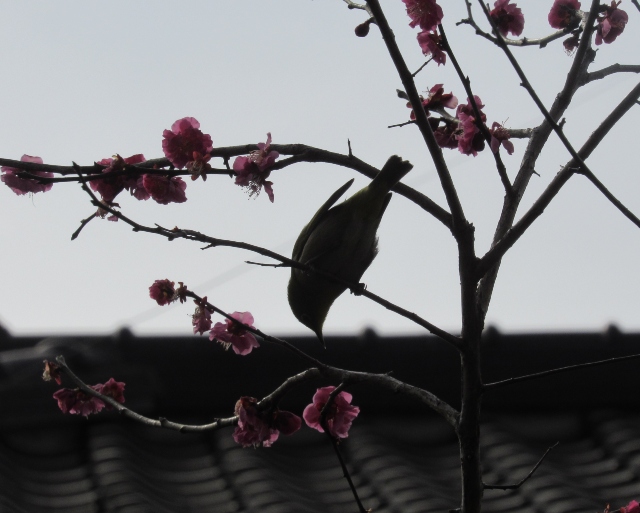
Perhaps the most charming organism seen while visiting Japan was this one. As one of the native species of the Japanese islands, it has been depicted in Japanese art on numerous occasions, and historically was kept as a caged bird.

02 White-eye_3662

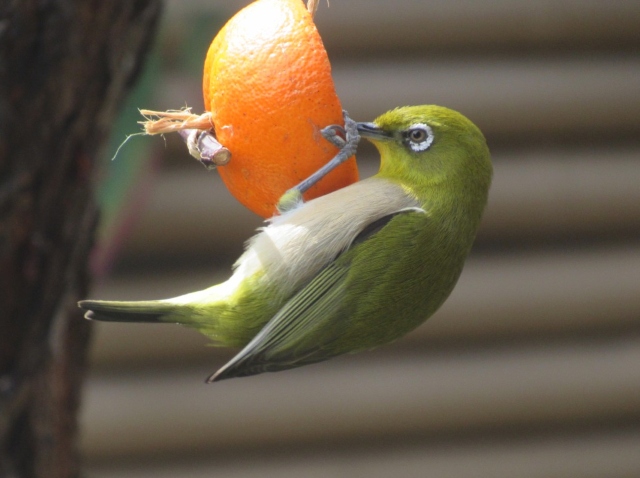
The Warbling White-eye is olive green on its back, from anterior to posterior, and is pale green on its underside. Its feet, legs, and bill range from black to brown. It has a green forehead and a yellow throat. It has a distinctive ring of white around its eyes.

03 Japanese White-eye_3674

Its successful acclimatization to urban environments is particularly noteworthy. The ability to thrive in cities showcases its resilience and resourcefulness, as it takes advantage of available resources. This adaptability has led to an increased presence of these birds in gardens and residential areas.

04 White-eye_3654

This bird species is rarely found on the ground. It is a very sociable species that may form flocks with other species, in which the birds form groups to forage during flight – though they only flock with birds of other species outside of the breeding season.

05 White-eye_3663

The species is omnivorous, living on a diet of fruit from several species of flowering plants, various types of insects, and nectar at all levels of foliage. It feeds on insects by searching the leaves of flowers and scouring tree bark for caterpillars and beetle larvae.

06 White-eye_3676

The Warbling White-eye is a charming and captivating species that has captured the hearts of many bird enthusiasts. With its vibrant plumage, endearing appearance, and sweet melodic songs, this small passerine bird has become a beloved icon in Japan and beyond.

Third Eye Herp
E-mail

Swift Woodlouse

01 Swift Woodlouse_5128

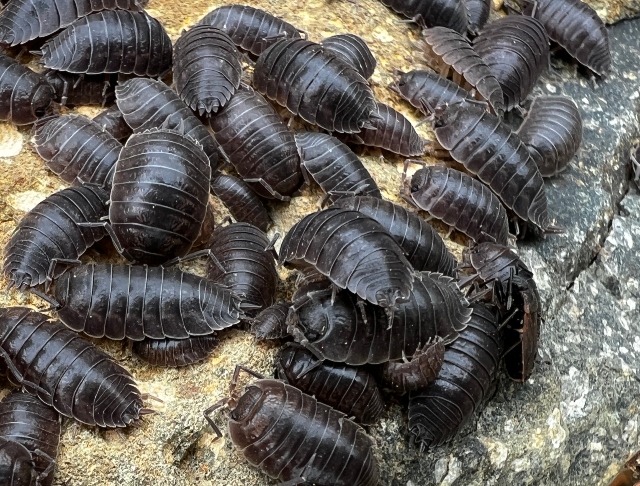
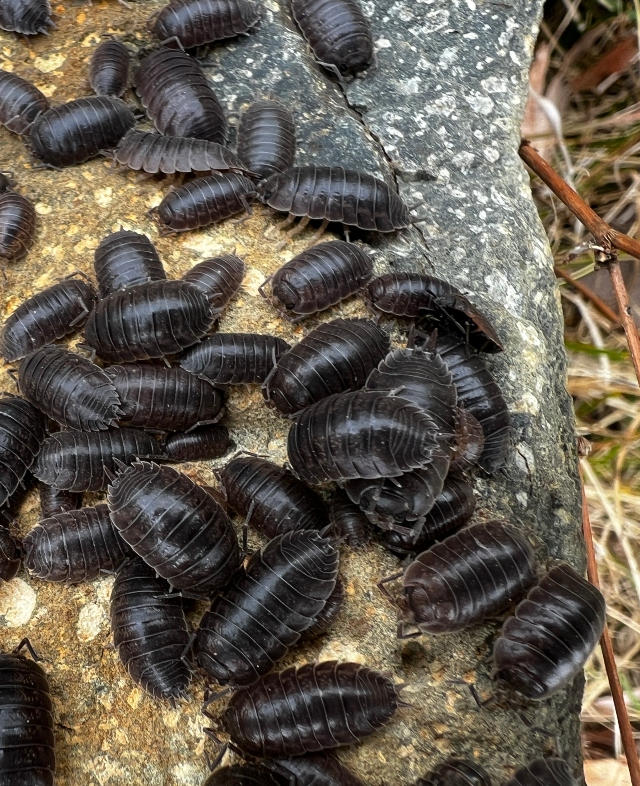
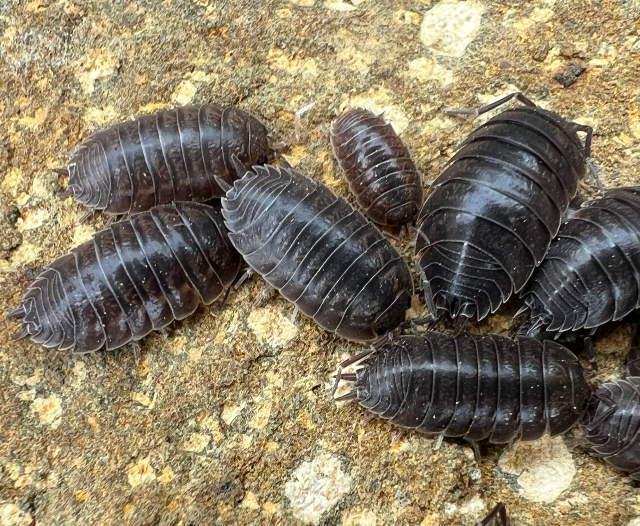
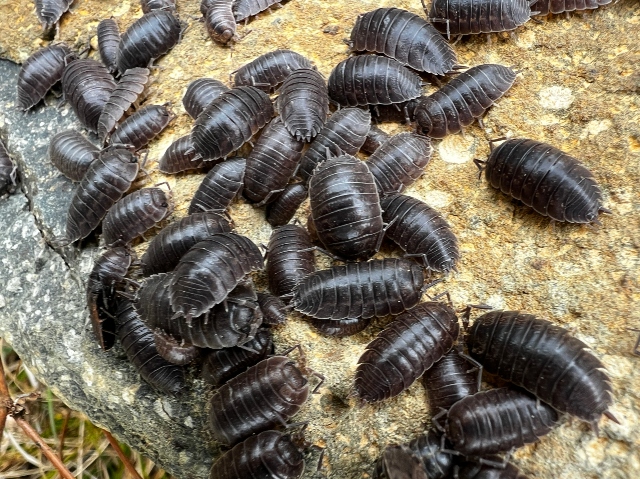
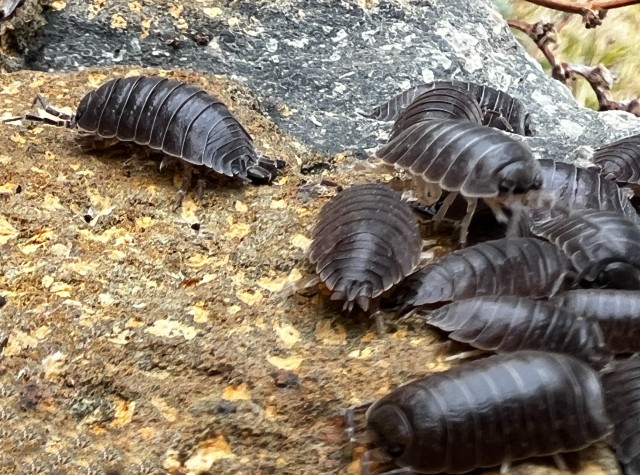
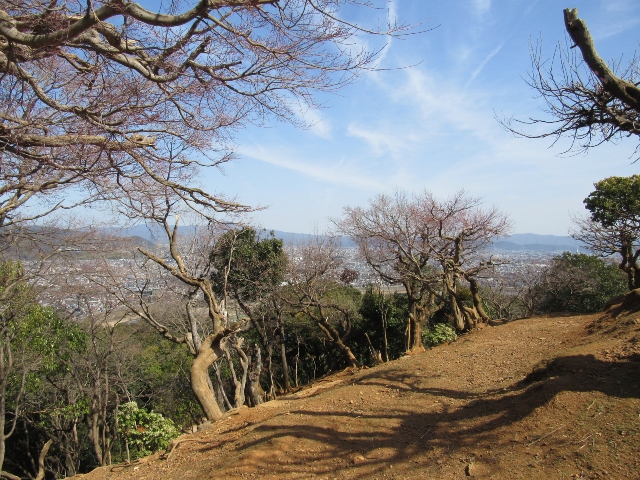
While walking along a canal in Japan, I found a few rocks to turn over. Under them were some isopods. With the Latin Name of Porcellio laevis, the species epithet laevis as well as the vernacular name “Swift Woodlouse” suggests, the species is capable of quick bursts of speed when provoked.

02 Swift Woodlouse_5115

This type of woodlouse is distinctively large, being up to eight tenths of an inch long with a smooth dorsal surface. It is commonly kept as a pet due to its somewhat easy care requirements and the variety of color morphs available. “Dairy Cow Isopod” is a commonly used name for a readily available piebald strain of the species.

03 Swift Woodlouse_5117

Baby Swift Woodlouse directly develop from yolky eggs. Both the eggs and juveniles reside within a brood pouch called a marsupium. The use of the marsupium eliminates the need for there to be an external water source for early development, since it is filled with fluid from the mother isopod. This is considered some of the most extensive parental care among terrestrial arthropods.

04 Swift Woodlouse_5118

This creature is found under rocks and fallen logs in damp areas, and is otherwise rarely encountered. It plays an important role in nutrient cycling by breaking down dead plant material and animal waste, and thereby releasing essential nutrients back into the ecosystem. It is known to be an opportunistic feeder, consuming a wide range of organic matter such as leaves, moss, lichens, and even rotting wood. Therefore, it can thrive in many different ecological niches.

05 Swift Woodlouse_5116

The Swift Woodlouse is one of several species of isopods known to use “alternating turns” as a defense mechanism, running in a mazelike pattern to confuse or avoid perceived threats. Studies suggest that this behavior can be reinforced as a learned response, with more “alternating turns” produced by longer and more frequent exposure to predators.

06 Swift Woodlouse_5124

It was super cool to come across these fine crustaceans while on my international trip.

Third Eye Herp
E-mail

Japanese Macaque

01 Japanese Macaque_4400

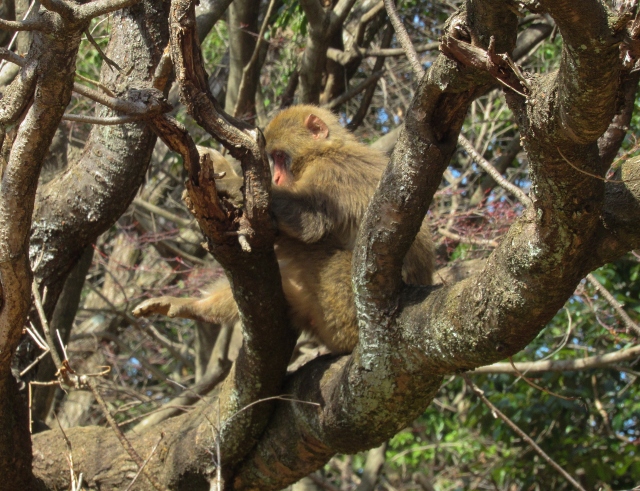
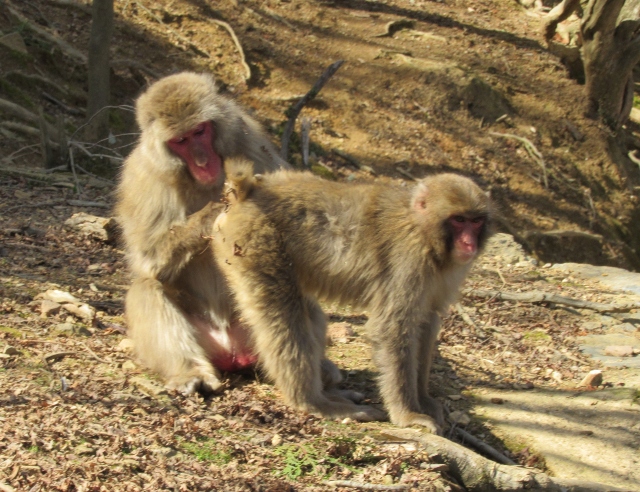
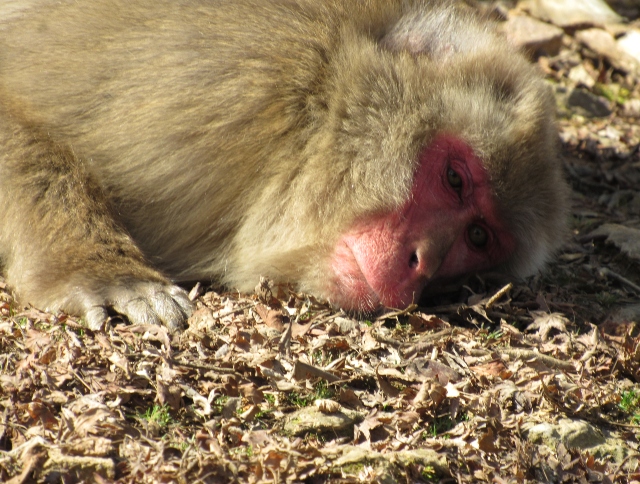
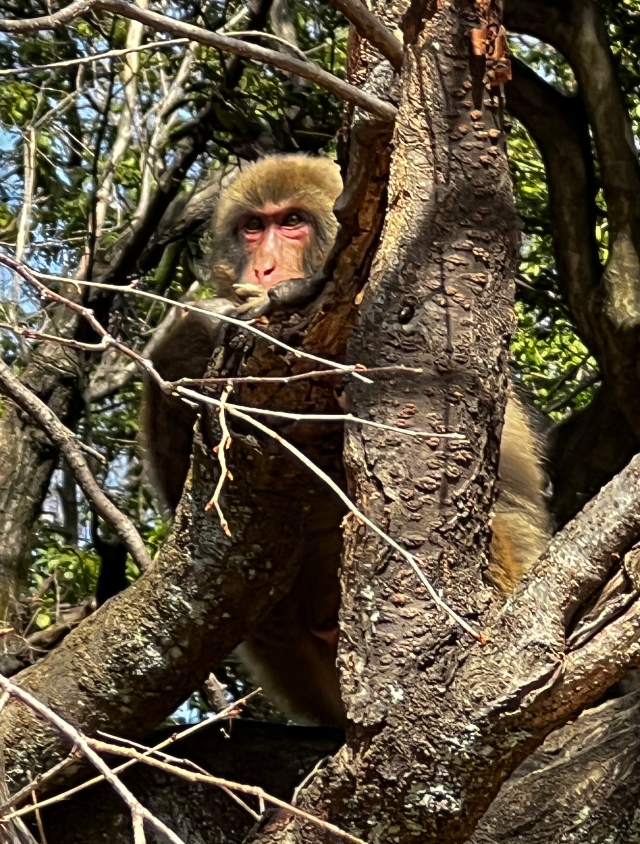
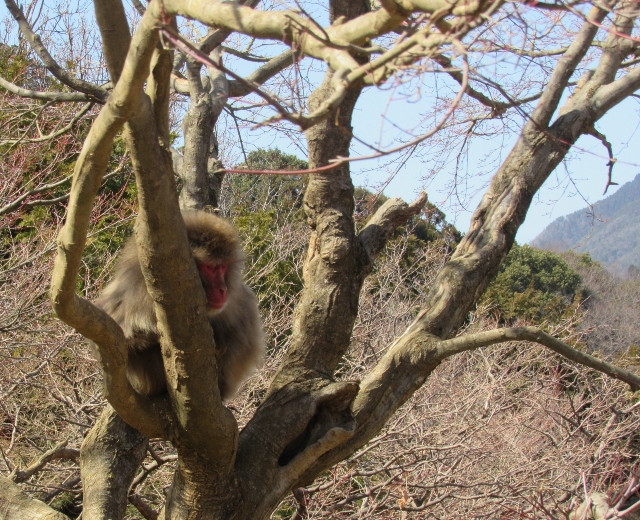
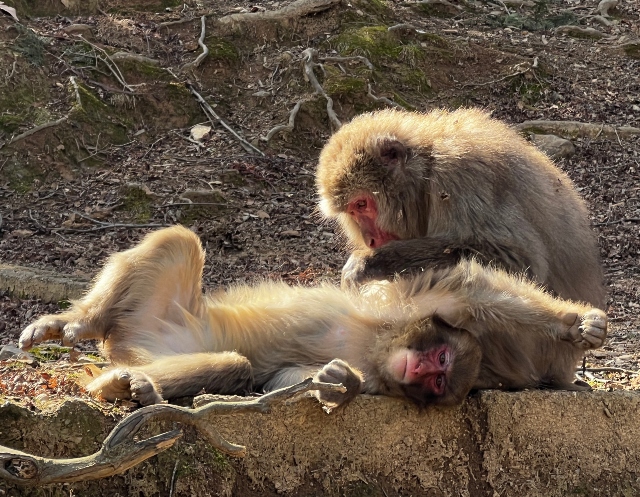
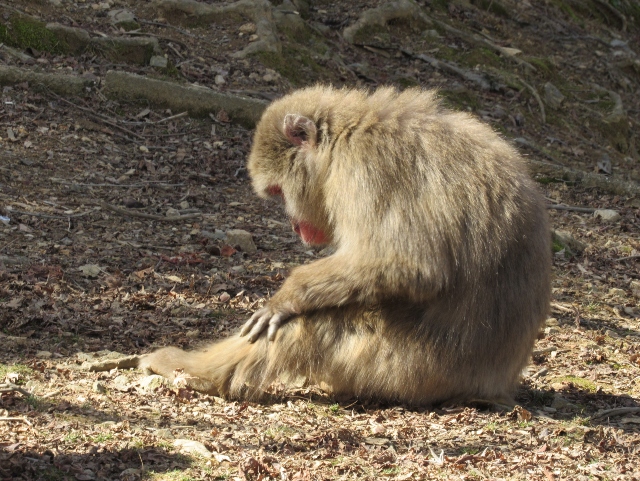
While visiting the Kyoto area of Japan, I saw see my first-ever wild primates. Also known as Snow Monkeys, they are unique for being the northernmost-living non-human simians, thriving in various habitats from warm lowlands to cold regions, and are known for their remarkable adaptability to live in cold climates.

02 Japanese Macaque_4398

These intelligent creatures have fascinated researchers and nature enthusiasts alike with their unique behaviors and remarkable ability to thrive in harsh Winter conditions. From their hot spring bathing habits to their complex social structures, Japanese Macaques offer a window into the fascinating world of primate behavior and evolution.
03 Japanese Macaque_4432

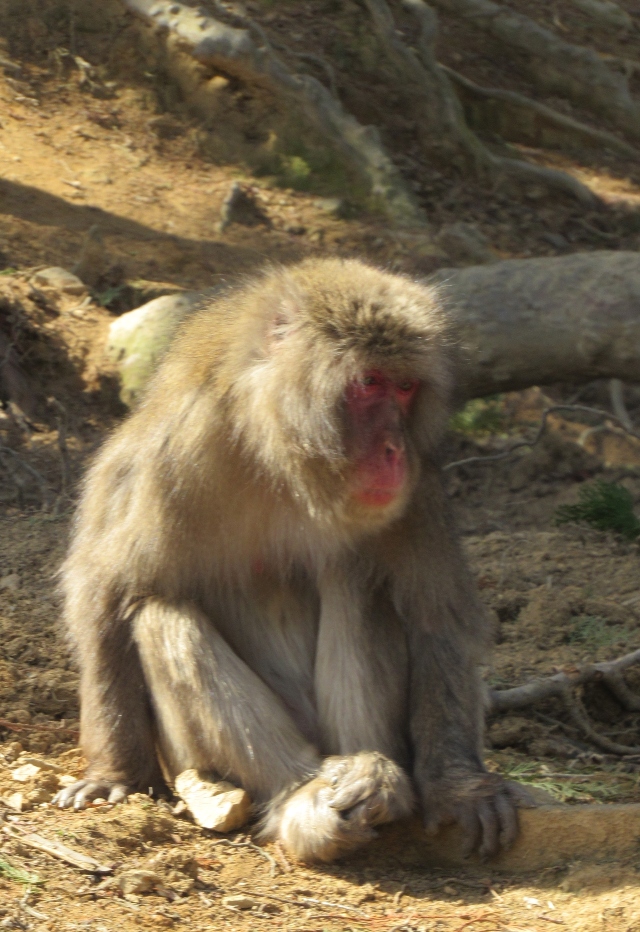
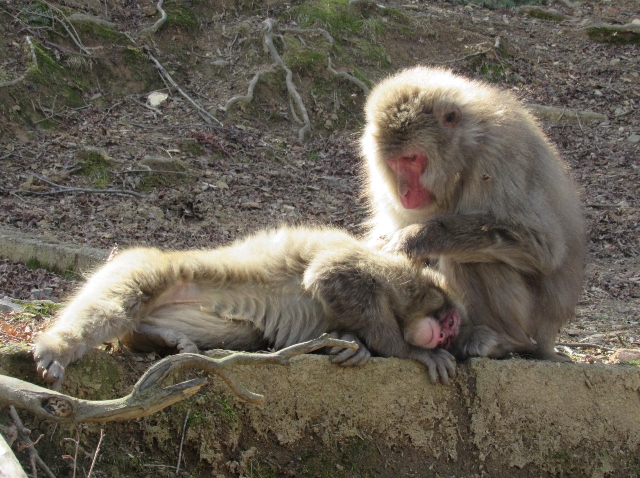
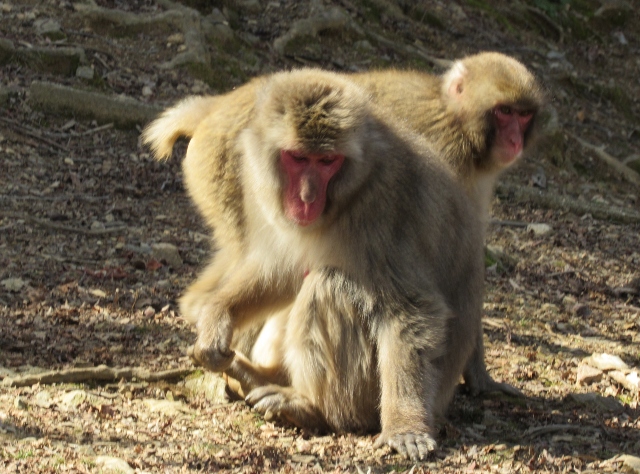
These mammals are medium-sized monkeys with distinctive features that set them apart from other primate species. Their fur ranges in color from shades of brown and gray to yellowish-brown, providing excellent camouflage in their forest habitats. One of their most striking features is their hairless face and posterior, which are a vibrant pink color.
04 Japanese Macaque_4419

Japanese Macaques exhibit sexual dimorphism, with males being significantly larger than females. Adult males weigh an average of 25 pounds, and measure about 22 inches in height, while females average 19 pounds and about 20 inches in height. Their stocky build and relatively short limbs also help conserve heat in cold environments.

05 Japanese Macaque_4433

They inhabit a variety of habitats across three of Japan’s main islands. They are highly adaptable, living in environments ranging from warm, subtropical evergreen forests in the south to subarctic, snowy deciduous forests in the north. This diverse habitat range showcases their remarkable adaptability to different environments. You can find them in forests and in mountains where snow covers the ground for a few months each year.

06 Japanese Macaque_4415

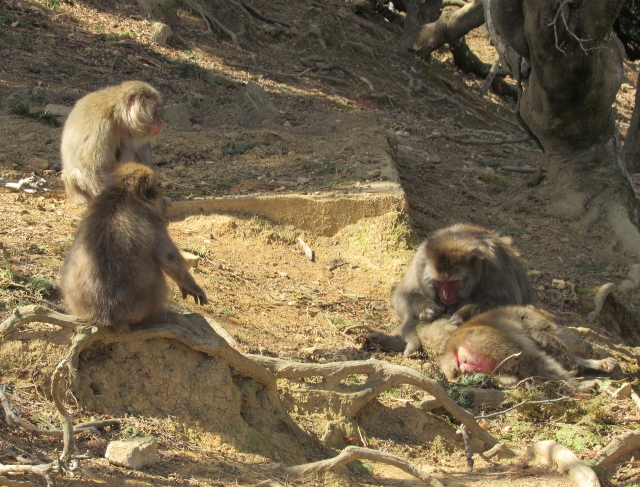
Japanese Macaques are highly social animals with complex social structures and behaviors. They live in large groups called troops, which can range from 20 to over 100 individuals. These troops are matrilineal, meaning they are centered around female family lines. Within each troop, there is a clear dominance hierarchy for both males and females.

07 Japanese Macaque_5212

One of the most fascinating aspects of their behavior is the ability to learn and pass on new behaviors through cultural transmission. The most famous example of this is their hot spring bathing behavior, first observed in the 1960s when a young female named Mukubili discovered the warmth of a hot spring. This behavior quickly spread throughout the troop and has since become iconic of the species.

08 Japanese Macaque_4410

Another example of cultural learning is the practice of washing food. In the 1950s, researchers observed a female named Imo washing sweet potatoes in a stream to remove sand. This behavior was gradually adopted by other members of her troop and has since been passed down through generations. The lifespan of Japanese Macaques in the wild averages about 6-1/2 years, but some individuals have lived much longer.

08 Japanese Macaque_4428

Japanese Macaques are also known for their playful nature. Young macaques often engage in play behaviors, such as making and rolling snowballs, which serve no apparent survival purpose, but seems to be done purely for enjoyment. This playfulness extends into adulthood, with some troops observed playing with rocks for recreation.

09 Japanese Macaque_4436

As far as diet goes, they are opportunistic omnivores with a diverse diet that adapts to seasonal availability and habitat variations. Their menu includes a wide range of items such as fruits, seeds, leaves, flowers, bark, fungi, insects, and small animals. In Winter, when food is scarce, they rely heavily on bark and winter buds.

10 Japanese Macaque_5216

Japanese folklore is rich with tales and legends featuring monkeys. One famous example is the story of the “Three Wise Monkeys” – “see no evil, hear no evil, speak no evil” – which is often depicted in carvings and artwork. This concept, known as “mizaru, kikazaru, iwazaru” in Japanese, has become a globally recognized symbol of moral principles.

11 Japanese Macaque_4409

Is was super cool to encounter these fascinating creatures while vising The Land of the Rising Sun.

Third Eye Herp
E-mail