Western Mosquitofish

erie_8591

This small fish is dull grey or brown in color with no bars of bands on the sides, it has a rounded tail and an upturned mouth. This species is not native to Ohio, but was stocked in western Lucas County in 1947 and now lives in scattered locations throughout the state. Females (2 to 3 inches long) are two or three times larger than males and more stocky.

Western Mosquitofish_7522

The Western Mosquitofish feeds primarily on zooplankton and invertebrate prey at the top of the water column. As its name implies, one of its main food items is mosquito larvae. It is well known for its high feeding capacity. Consumption rates of 42–167% of their body weight per day have been documented.

Western Mosquitofish_7051

Because of their reputation as mosquito control agents, they have been stocked routinely and indiscriminately in temperate and tropical areas around the world. In the United States the first known introductions of mosquitofish took place in the early 1900s. It is commonly found in Lake Erie and even sold as a bait fish.

Western Mosquitofish_7525

They prefer ponds or very slow flowing streams with clear water and abundant aquatic vegetation. This species is one of the few freshwater fish species that bears live young. The Western Mosquitofish can spawn from May through September with females carrying an average of 40 young.
Third Eye Herp
E-mail

Vians Flea Beetle

Vians Flea Beetle 019

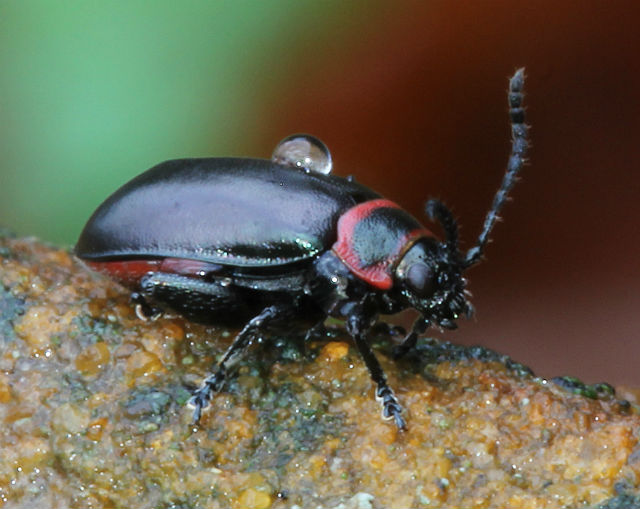
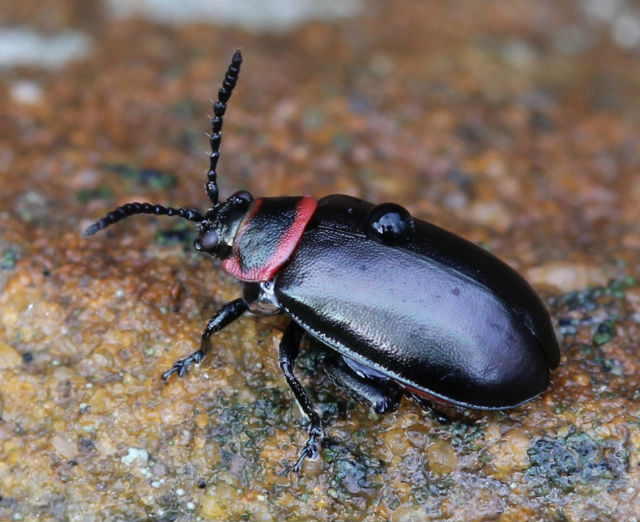
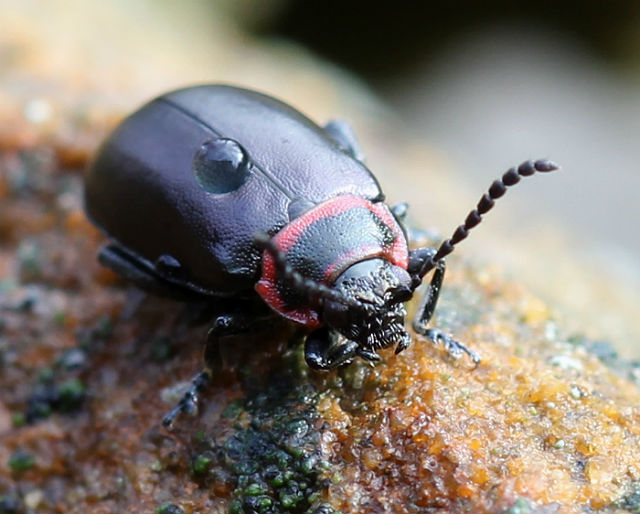
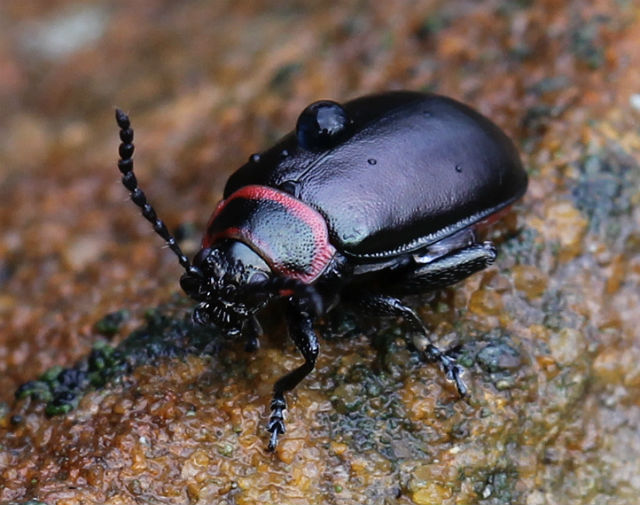
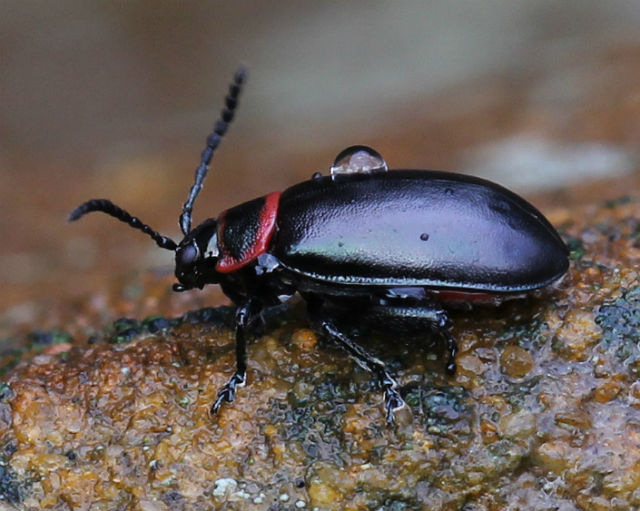
On a warm Winter day I saw this cool creature (with a drop of water on its back) hanging out in my rock garden. ”Flea Beetle” is a general name applied to the small, jumping beetles of the leaf beetle family. They are similar to other leaf beetles, but characteristically have hindlegs that are greatly enlarged. These oversized femora allow for the springing action of these insects when disturbed.

Vians Flea Beetle 018

While they can jump, they also walk normally and fly. Many are attractively colored; dark, shiny and often metallic colors prevail. They tend to be small, and at one quarter of an inch, this is one of the larger species.

Vians Flea Beetle 024

The Vians Flea Beetle is found in the United States from the Rocky Mountains to the Atlantic coast. In Canada the species ranges from the Northwest Territories to Nova Scotia and areas southward.

Vians Flea Beetle 031

During adverse weather conditions (like rain) they seek shelter in the soil. Flea beetles overwinter as adults in leaf litter, hedgerows, windbreaks and wooded areas. In early spring, the adults become active again.

Vians Flea Beetle 038

Pink Smartweed is their most common food plant, but Vians Flea Beetles have also been collected on members of other plant families too. It was a nice Winter surprise to encounter this tiny, but cool creature.

Third Eye Herp
E-mail

White-breasted Nuthatch

nuthatch_2112

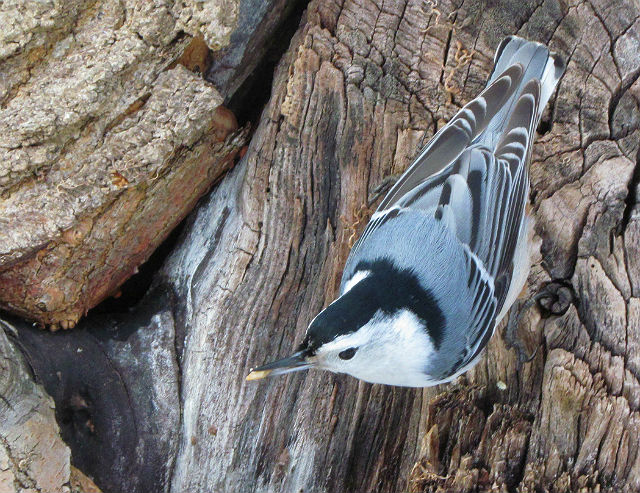
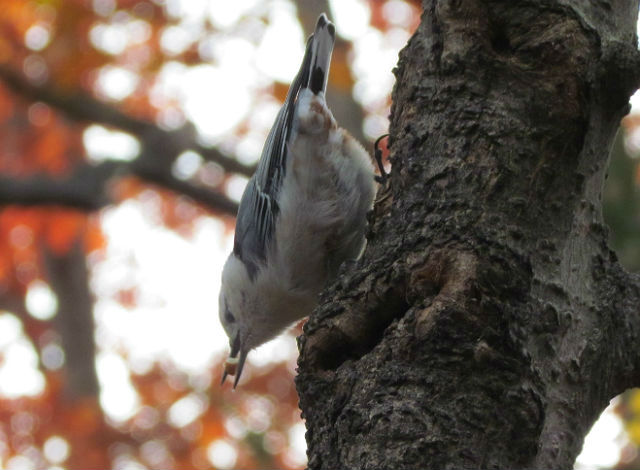
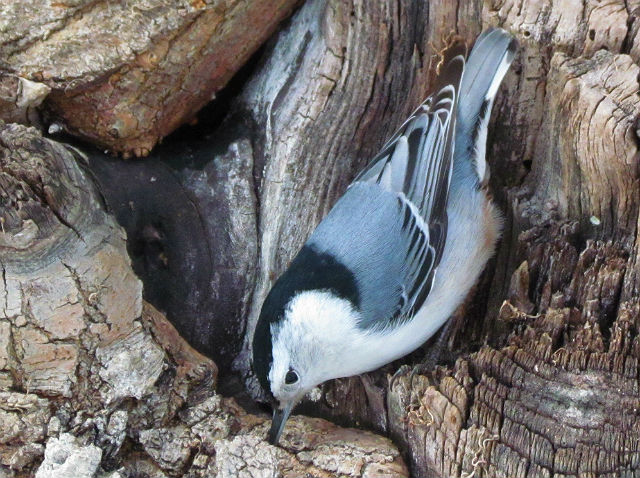
This bird is easy to identify by watching its behavior; it has the odd habit of creeping down tree trunks headfirst. All other species of bark-foraging birds search for food by climbing trees upwards. This gives the White-breasted Nuthatch a distinct advantage, allowing it the visual perspective of finding prey that other birds may miss.

nuthatch_2116

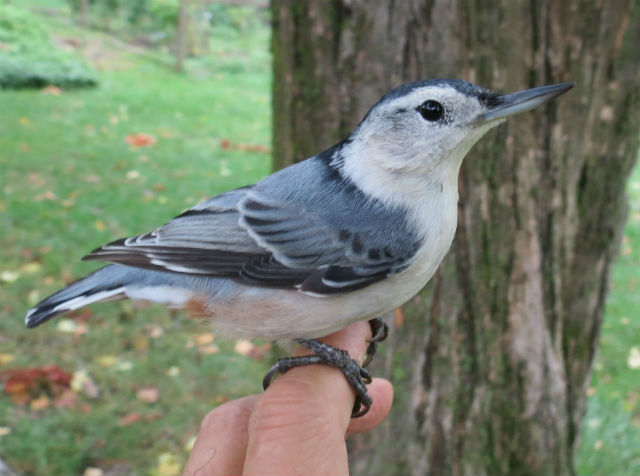
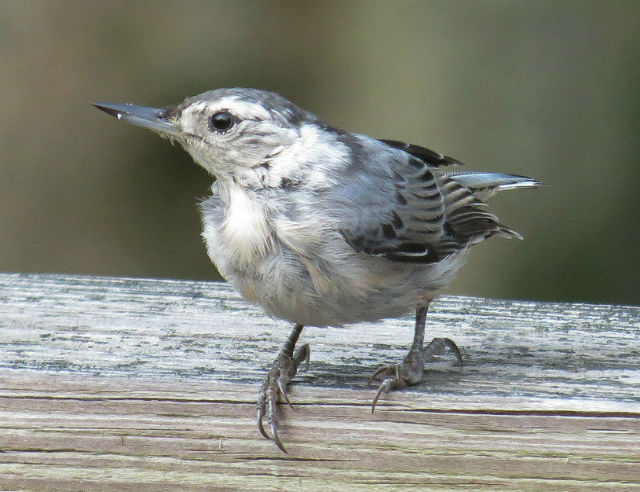
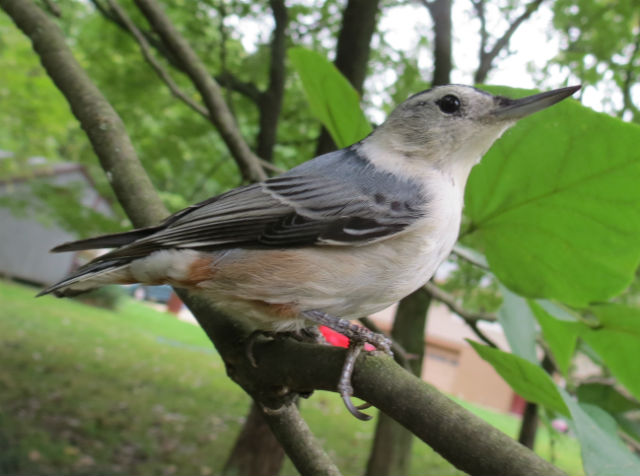
This is a stocky bird, with a large head, virtually no neck, a short tail, powerful bill and strong feet. The upperparts are pale blue-gray, and the face and underparts are white. The species has a black crown and nape that contrast with a white face and breast.

nuthatch_7269

It’s common name stems from its habit of cramming nuts and acorns into tree bark and then hammering away at them with their sharp bill, until the nut splits to “hatch” out the seed inside.

nuthatch_9060

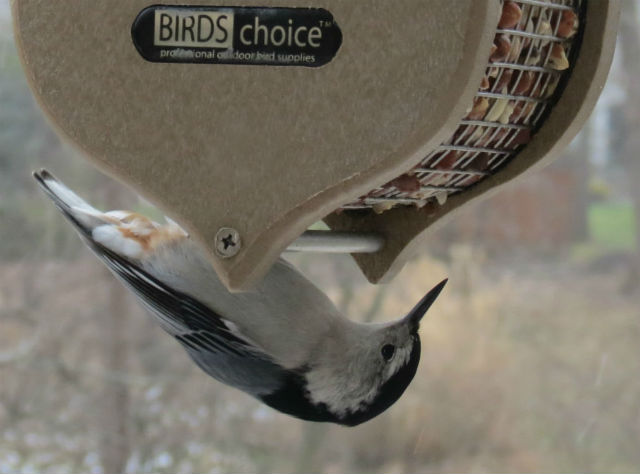
They store a variety of seeds and nuts in bark crevices, returning later to eat their stockpile of food. These birds are also  frequent visitors to backyard feeders.

nuthatch_8135

White-breasted Nuthatches reside in mature woods and woodland edges. They’re particularly associated with deciduous forests, consisting of Maple, Hickory, Basswood and Oak.

nuthatch_2120

It’s call of Yenk-yenk-yenk-yenk sounds like a small nasal voice – or like a bath toy rapidly squeezed.

nuthatch_6998

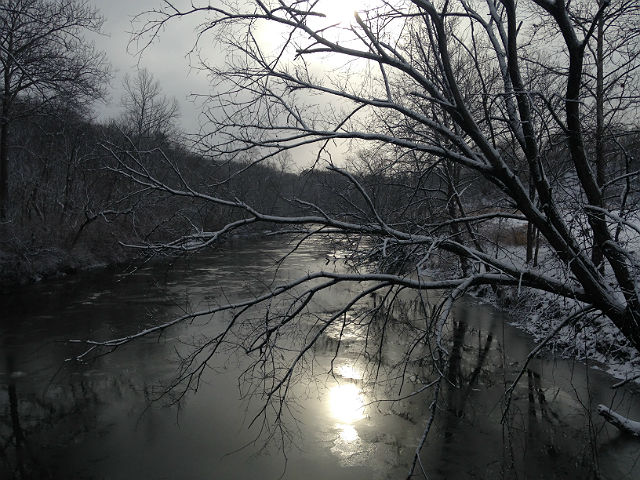
At this time of year I often see them in Brecksville Reservation in small flocks of Black-capped Chickadees and Tufted Titmice. One explanation for these flocks is that the birds gain protection from predators by the vigilance of the other birds.

nuthatch_7272

A group of nuthatches are collectively known as a “jar” of nuthatches.

Third Eye Herp
E-mail

Crowded Parchment Fungus

Crowded Parchment Fungus_2875

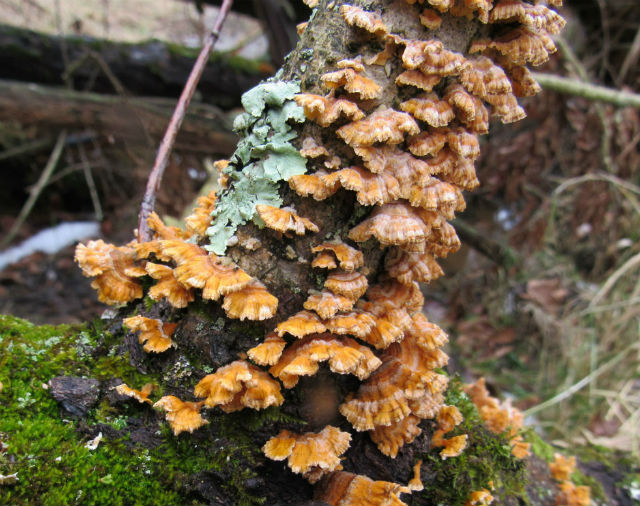
While taking a Winter walk in Cuyahoga Valley National Park, this bright fungus caught my eye.

Crowded Parchment Fungus_0022

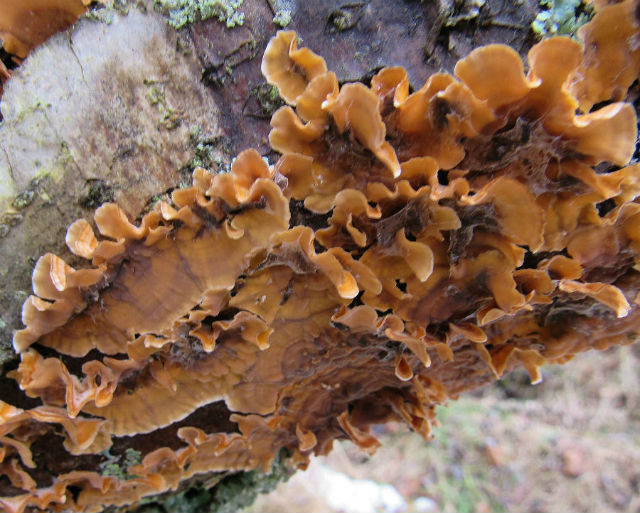
Its distinguishing features include orange coloration and often being found crowded on the dead twigs, branches and stumps of deciduous trees from July through January.

Crowded Parchment Fungus_0019

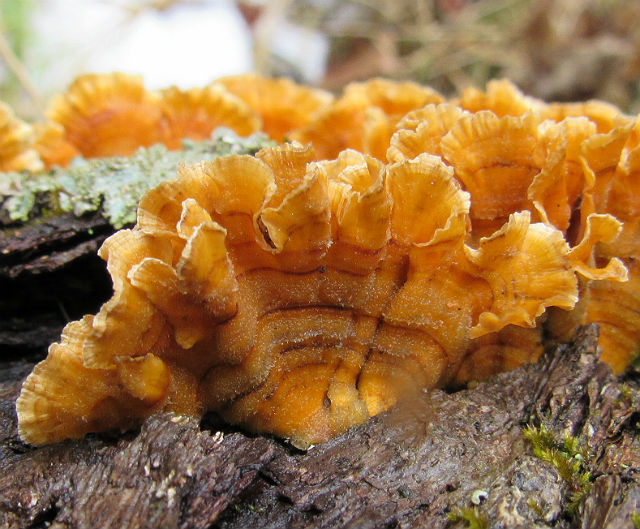
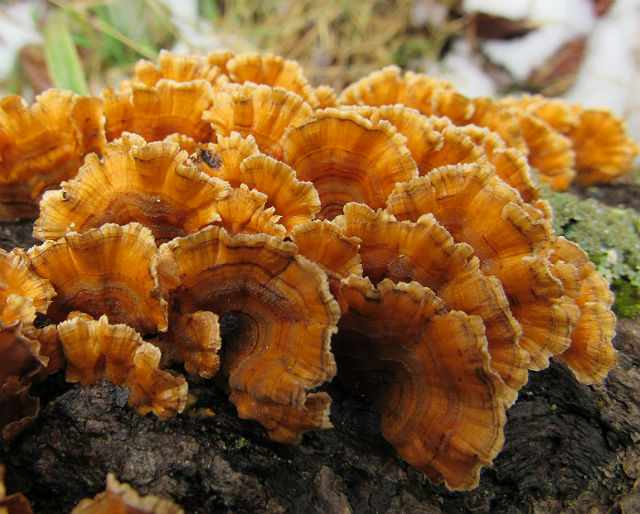
The fruiting bodies of look like fans, with tiny ripple patterns on the them. They are about three quarters of an inch wide, project sideways from branches, logs, and stumps, and may fuse together, side by side.

Crowded Parchment Fungus_0021

This is the most common parchment fungus and unlike mushrooms, it grows without a stalk. The key role of these forest recyclers is to break down dead matter and return nutrients to the soil to become available to plants once again.

Crowded Parchment Fungus_0023

The function of fungi in breaking down dead wood is crucial. Wood is so tough that animals cannot digest it. However, certain fungi are able to biodegrade it using enzymes, allowing the vast amounts of dead wood in woodlands to be broken down.

Third Eye Herp
E-mail

Brown Lacewing

brown lacewing_8468

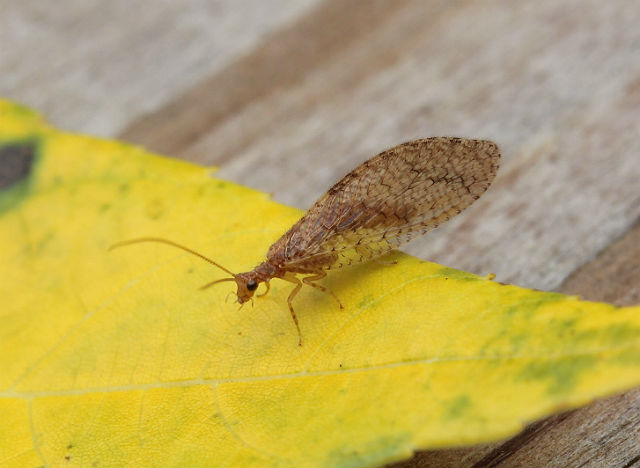
It’s wintertime, yet if you look around, there are still insects to be found, like the Brown Lacewings that occasionally turn up in my house.

brown lacewing_8605

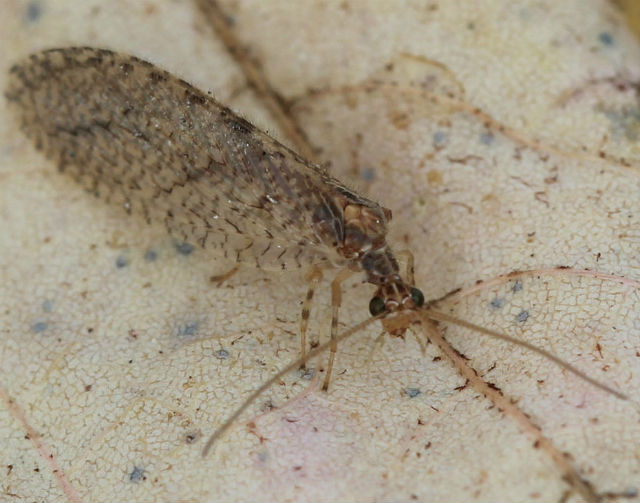
They are predators both as adults and larvae. These creatures prefer soft-bodied insects such as aphids and mealybugs, as well as insect eggs.

brown lacewing_8472

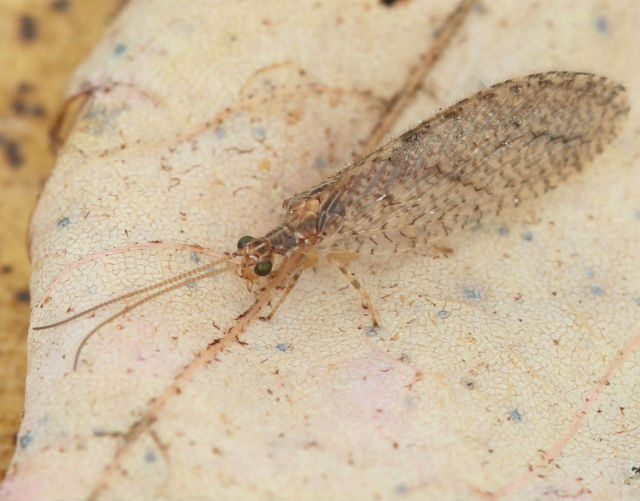
I suspect the reason I’m finding them indoors is that the were inadvertently brought in when outdoor plants came in for the Winter.

brown lacewing_8604

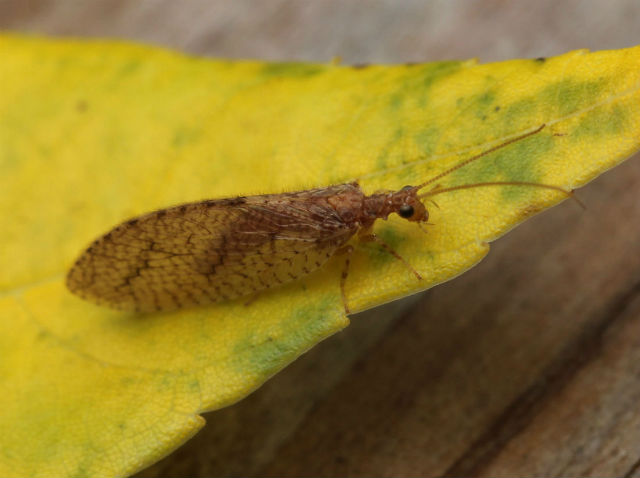
Brown Lacewings are native throughout North America, though are not as abundant as Green Lacewings (these were the first examples I’ve ever seen).

lacewinglarva

Adults are small, only about half an inch long, and as their name implies, they have heavily veined wings. The larvae look like tiny alligators with sickle-shaped jaws.

brown lacewing_8473

Although they are fragile-looking, lacewings are one of the most effective beneficial insects to the gardener and I surely don’t mind having them around.

Third Eye Herp
E-mail

Norway Spruce

norway spruce_0030

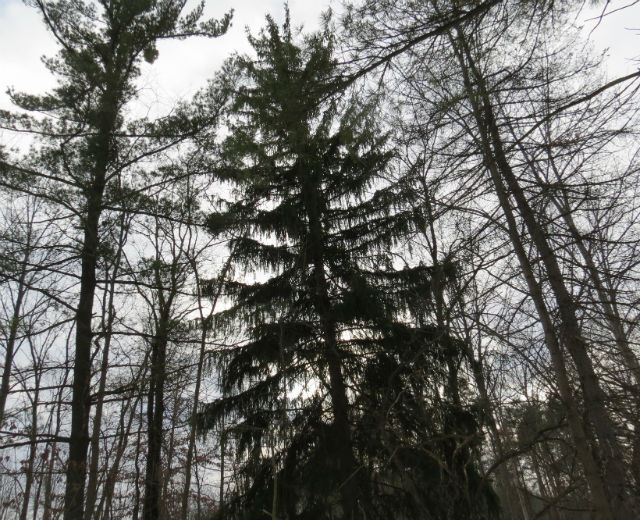
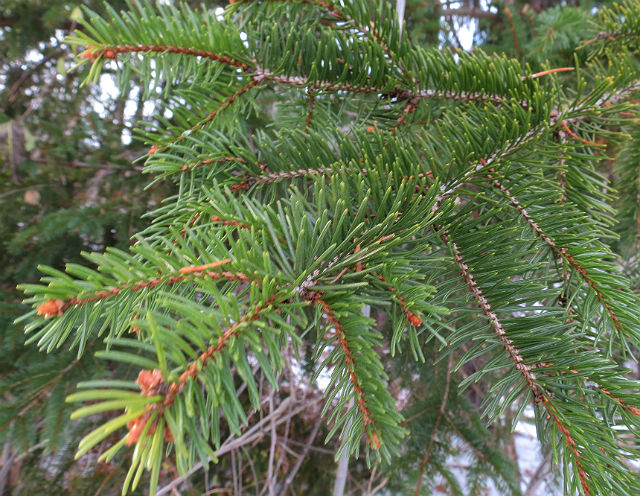
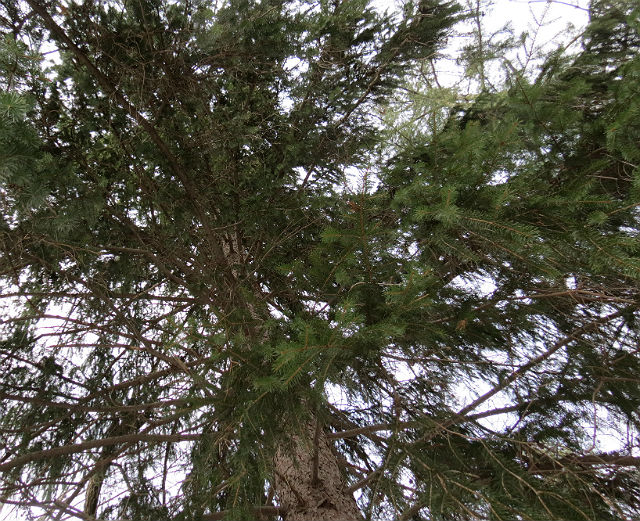
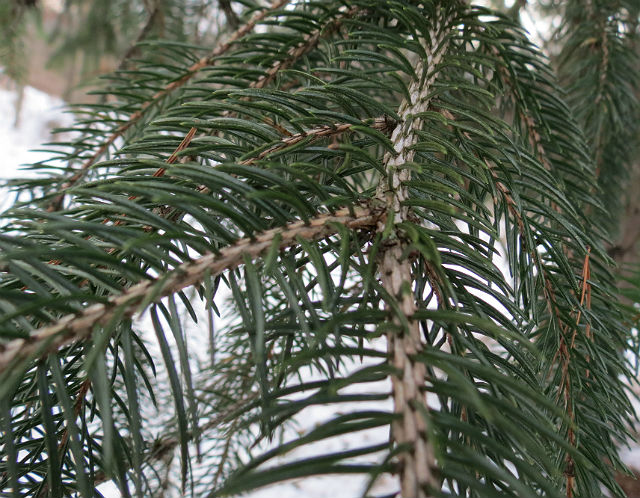
The dark green needles and drooping or “weeping” branches of this tree are two of its key identification features.

norway spruce_0042

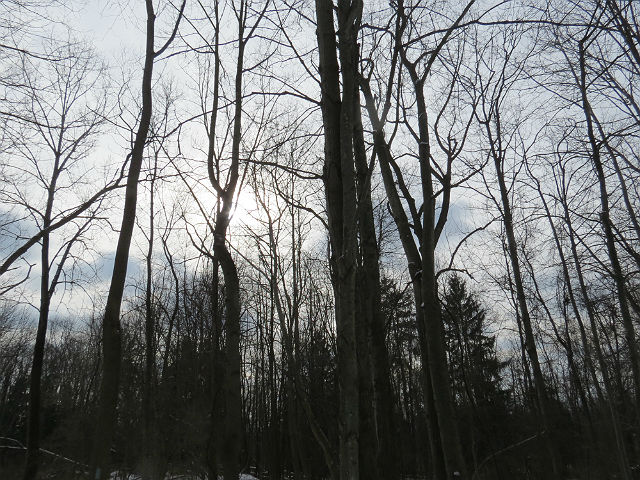
Norway Spruce is perhaps the most common spruce in Ohio, though it is not native; it was introduced from Europe and Asia 150-200 years ago.

norway spruce_0032

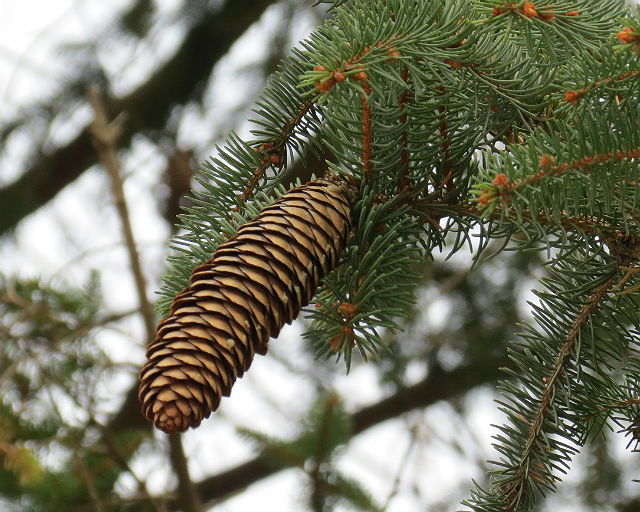
This conifer is often used for windbreaks due to it being the fastest growing as well as the tallest (115–180 feet) spruce in the state. It also produces the largest cone (4-7 inches long) of all spruces.

norway spruce_0027

With age, the pendulous, dense branchlets in the upper canopy of mature trees hang straight down for several feet, and are called skirts.

norway spruce_0040

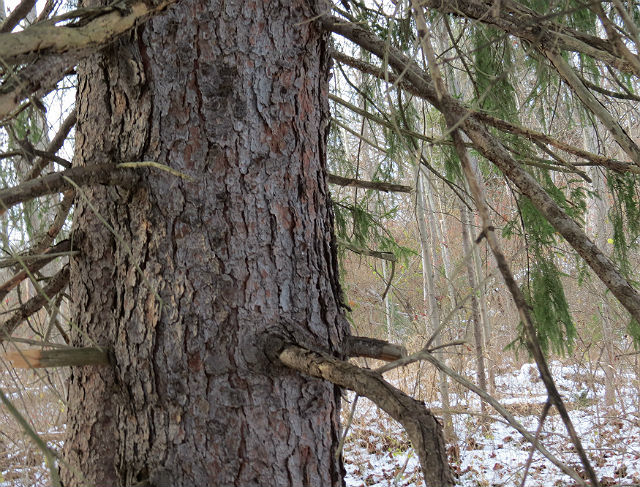
This tree’s bark exudes a substance is known as “Burgundy Pitch,” which is the basic material for a number of varnishes and medicinal materials.

norway spruce_0017

In addition to all of the above qualities, Norway Spruce is the main Christmas Tree in several cities around the world.

Third Eye Herp
E-mail

Blue Jay

blue jay_8209

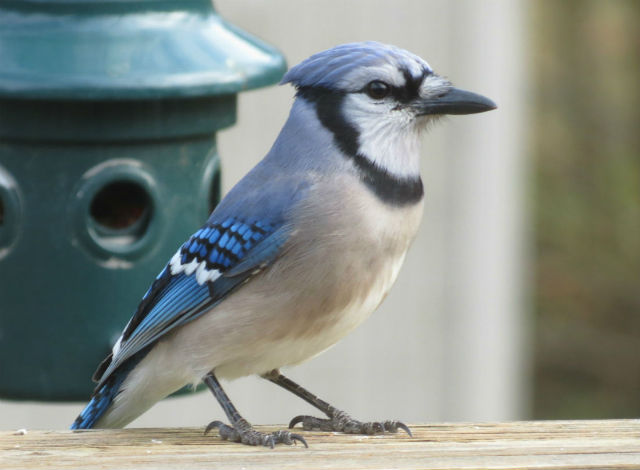
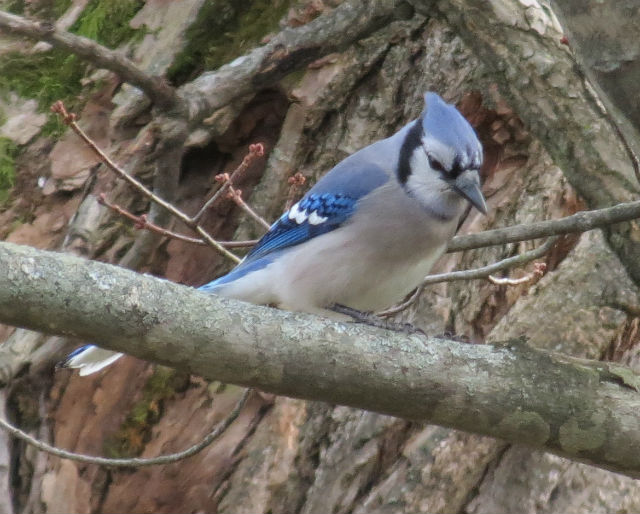
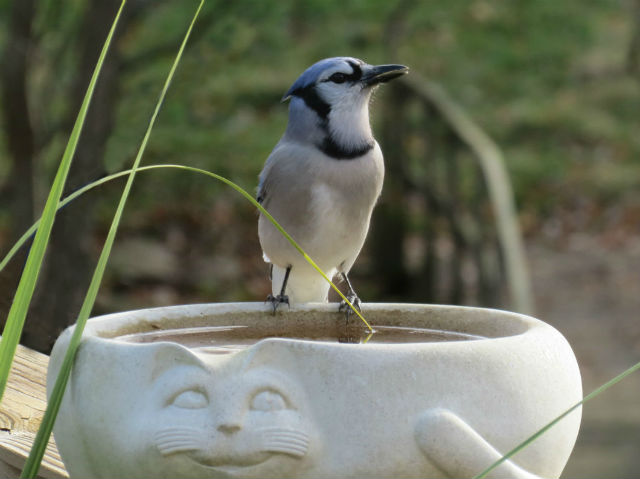
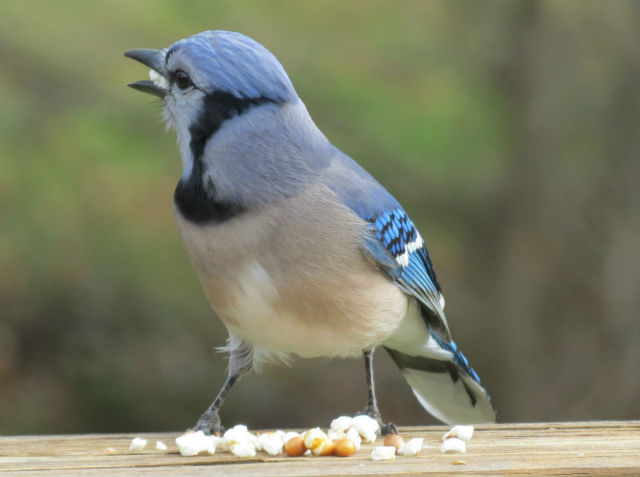
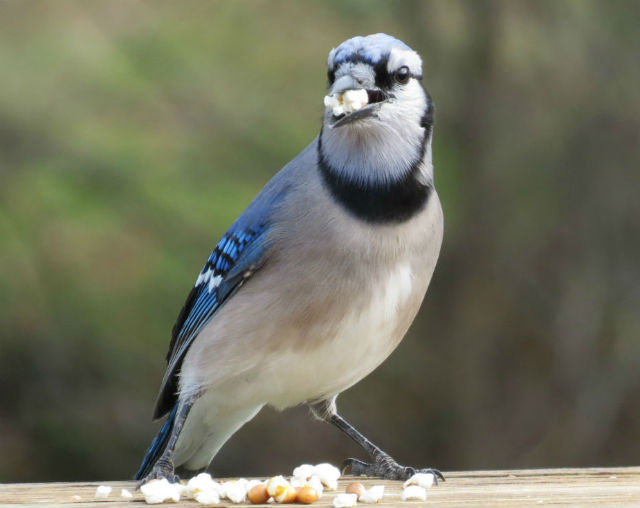
As one of the loudest and most colorful birds of eastern backyards and wooded areas, the Blue Jay is one of our easiest birds to identify. Intelligent and adaptable, it often visits bird feeders.

blue jay_9366

The Blue Jay mainly feeds on nuts and seeds such as acorns. At feeders it seems to favor peanuts (the individuals that visit our house also like popcorn). Like squirrels, this bird is known to hide nuts for consumption later.

blue jay_9383

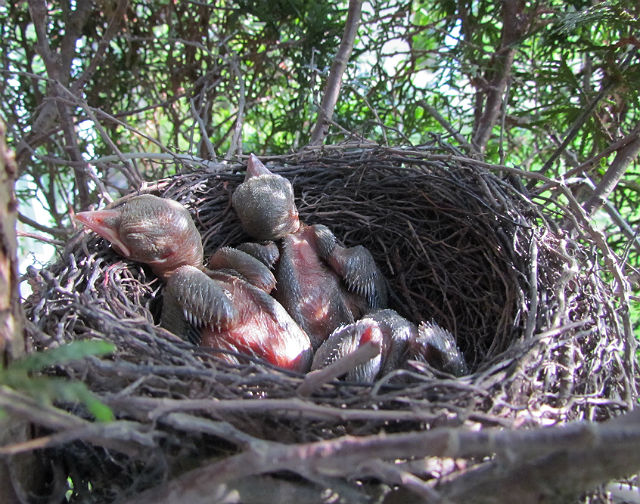
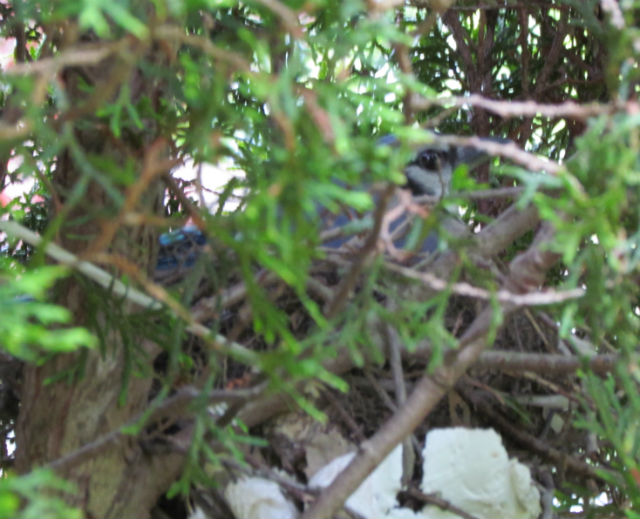
It breeds in both deciduous and coniferous forests, and is common near and in residential areas. One Summer I even had this Blue Jay nest with three babies in my front yard.

blue jay 001

The nest tends to be cup-shaped and composed of twigs, small roots, bark strips, moss, other plant material, as well as cloth and paper. There are usually between 3 to 6 eggs laid, which are incubated for about 17 days. The young fledge 3 weeks after hatching.
blue jay 007

The Blue Jay frequently mimics the calls of hawks, especially the Red-shouldered Hawk. These calls may provide information to other jays that a hawk is around, or may be used to deceive other species into believing a hawk is present.

bluejay_9264

Like a Cardinal, the Blue Jay features a feathered crest on the head, which may be raised or lowered according to its mood. When excited or aggressive, the crest is raised. When the bird is feeding among other jays or resting, the crest is flattened on the head.

blue jay_9377

The Blue Jay occupies a variety of habitats within its large range, from the pine woods of Florida to the spruce-fir forests of northern Ontario. It is less abundant in dense forests, preferring mixed woodlands with oaks and beeches; I often see them when visiting Metroparks here in Ohio.

blue jay_9378

This bird is well adjusted to human activity, occurring in parks and residential areas, and can adapt to a lack of trees with relative ease if human activity creates means food and shelter for the Blue Jays to use as resources. Its perky crest; blue, white, and black plumage; and noisy calls make the Blue Jay a unique and welcome visitor.

Third Eye Herp
E-mail

Lion’s Mane Mushroom

IMG_7964

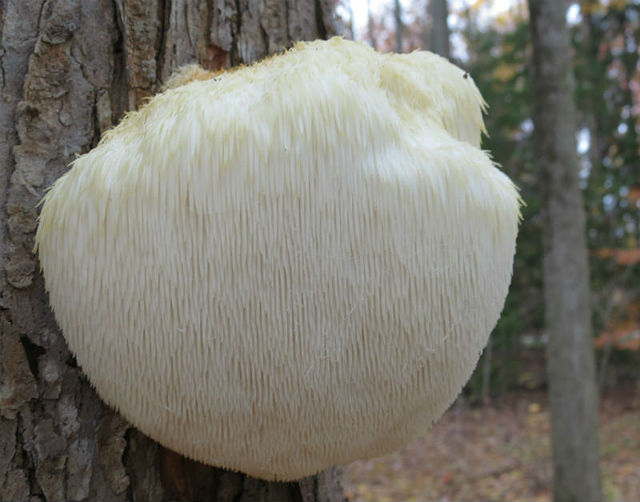
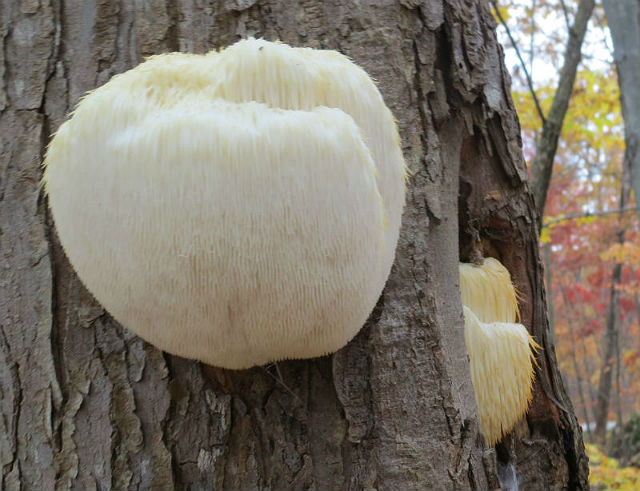
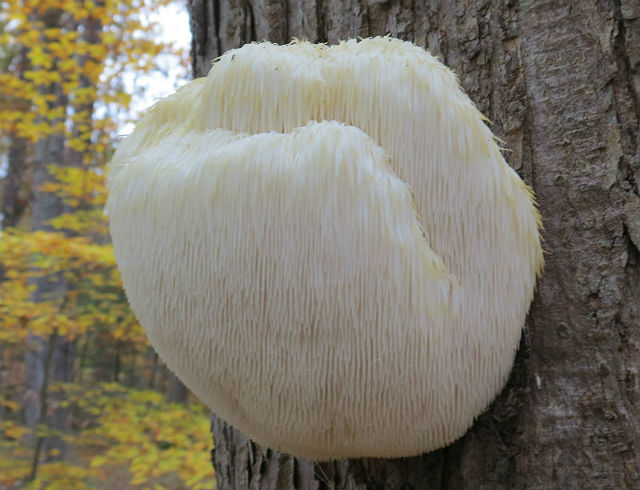
While hiking in Brecksville Reservation, I caught sight of a grapefriut-sized odd looking fungus that I’ve never seen before. It usually grows alone or in pairs, fruiting from the wounds of living trees (especially oaks) in late Summer and Fall.

Hericium erinaceus Lion's Mane_8887

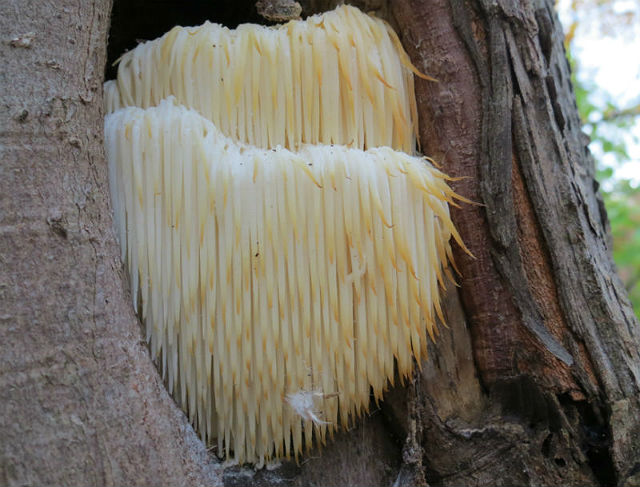
Native to North America, Europe and Asia, it can be identified by its icicle-like projections, its appearance on hardwoods and its tendency to grow a single clump of dangling spines.

Hericium erinaceus Lion's Mane_8880

About a dozen studies have been published on the neuroregenerative properties of Lion’s Mane Mushroom since 1991; tests have confirmed that it stimulates nerve regeneration.

Hericium erinaceus Lion's Mane_8885

This historical Chinese medicine is developing a following in the world of modern smart drugs. It is also very tasty to eat.

Hericium erinaceus Lion's Mane_8884

Like all fungi, Lion’s Mane Mushroom is a vital decomposer in the ecosystem, breaking down dead organisms and biological waste and freeing nutrients for use by other organisms.

Hericium erinaceus Lion's Mane_8883

This mushroom has a variety of common names, including Bearded Tooth, Old Man’s Beard, Satyr’s Beard, Monkey Head, Bear’s Head, Sheep’s Head, Hedgehog Fungus, Tree Hedgehog and Pom Pom.

Third Eye Herp
E-mail

Autumn Meadowhawk

autumn meadowhawk_9334

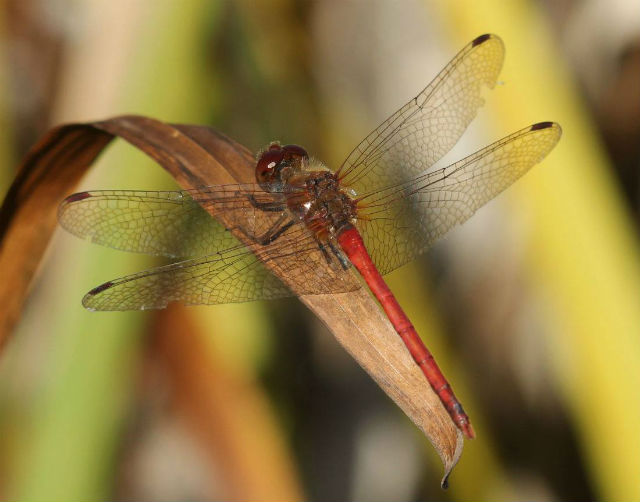
As it gets colder out, less and less insect life is out and about. One conspicuous exception is this awesome little dragonfly, which is present long after Summer species have reproduced and died.

autumn meadowhawk

This is a slender, pale, late-flying species. It has minimal black markings and the wings are slightly amber at the bases. Males and some mature females have brilliant red abdomens. In younger individuals, the abdomen is brown.

autumn meadowhawk_9287

The Autumn Meadowhawk is widely distributed throughout much of North America, where it inhabits marshes, lakes, ponds and bogs in areas that are usually somewhat wooded.

autumn meadowhawk_6656

Dragonflies have highly developed sight. Their large, compound eyes are used to capture prey. Insects are their main food, which their catch while flying. Dragonflies help control fly and mosquito popupaltions.
autumn meadowhawk_9305

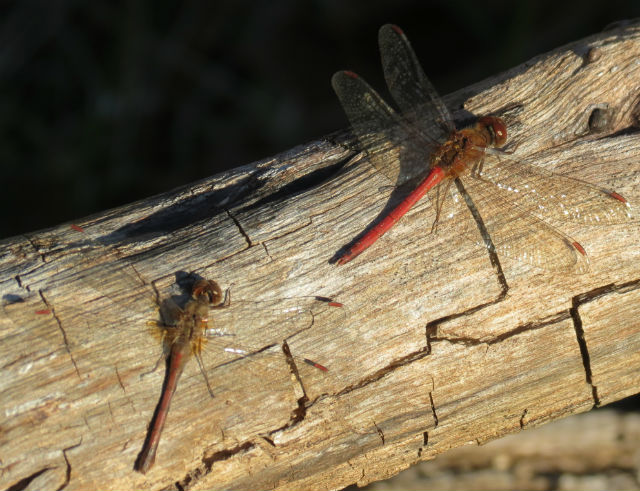
Because of the cooler weather, this species is easier to approach than most other dragonflies. It can ofen be spotted on tree trunks and utilizes the solar-collector-like surfaces of fallen leaves to warm itself.

autumn meadowhawk_3783

Usually the last dragonfly of the year, Autumn Meadowhawks routinely survive the first frosts and even the first snow falls.

Third Eye Herp
E-mail

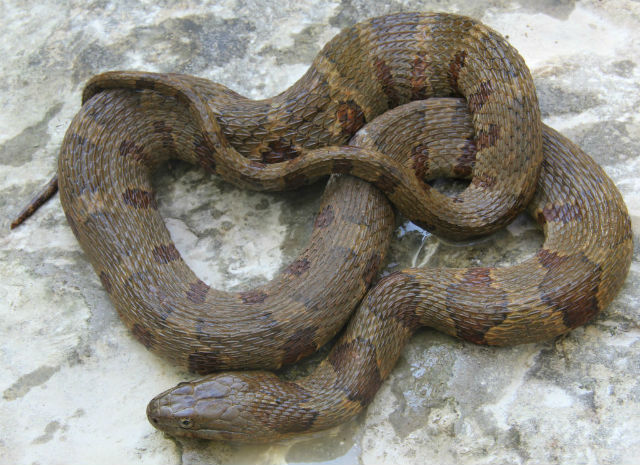
Midland Water Snake

Midland Water Snake 7869

One my annual October visit to southern Illinois, I always look forward to getting reacquainted with this fine serpent. The Midland Water Snake is one of the most common aquatic snakes found in the Southeast.

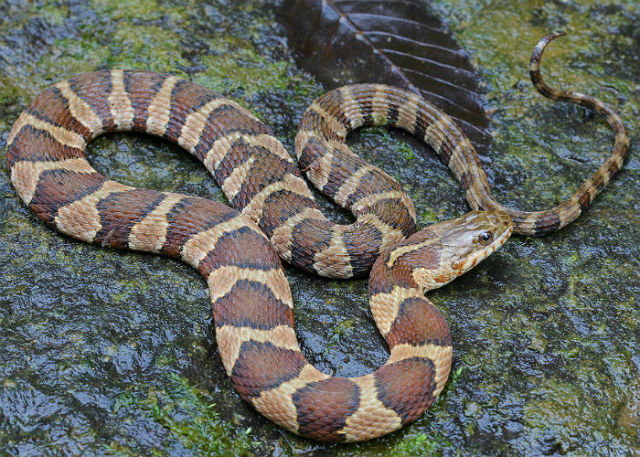
midland_8173

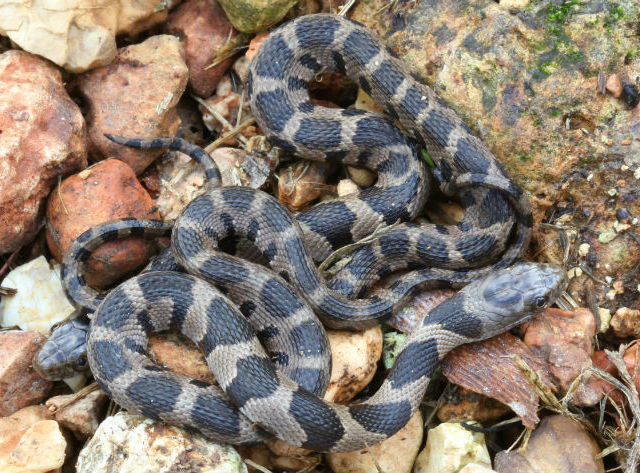
Average adult size is 2-4 feet, with a record length of nearly 5 feet. It is very similar to the Northern Water Snake that lives in my home state of Ohio, but it retains its pattern into adulthood, while the Northerns tend to turn a solid dark gray. This species is generally a light brown or tan with darker brown or even reddish bands.

Midland Water Snake 20098

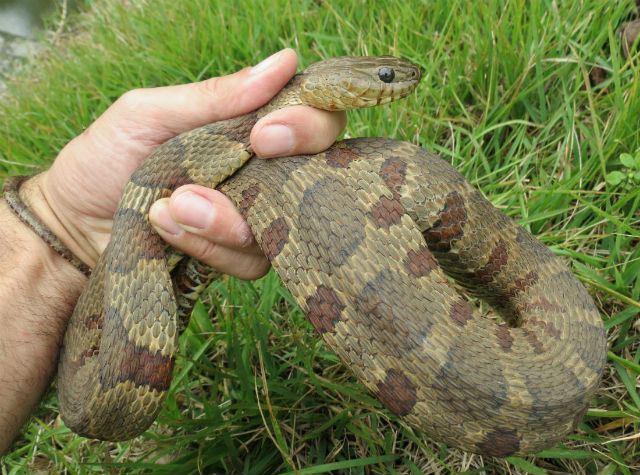
The Midland Water Snake can be found in and around lakes, ponds, creeks, rivers, and even in drainage ditches. It prefers areas with wood debris, rocks or other hiding spots. It adapts well to humans and sometimes even resides in decorative ponds at apartment buildings.

Midland Water Snake 0218

This snake gives birth to live offspring typically from August through October. It generally has 1 to 2 dozen babies. The babies are self-sufficient and able to hunt small fish and amphibians.

midland water snake_7476

Like its cousin to the north, this reptile eats fish, frogs, toads and salamanders.

Third Eye Herp
E-mail