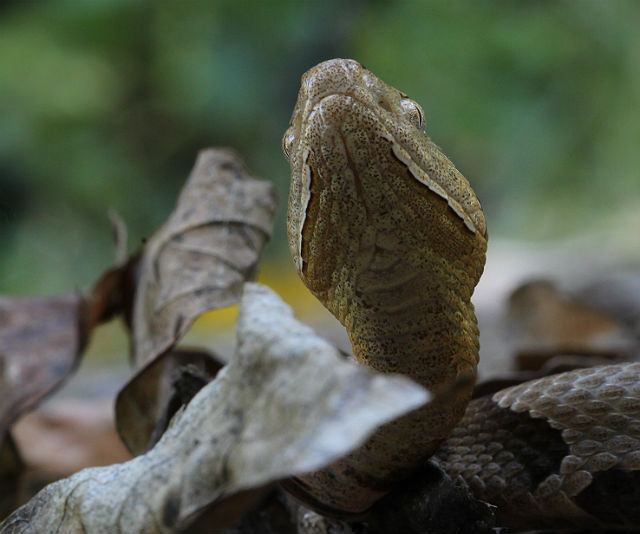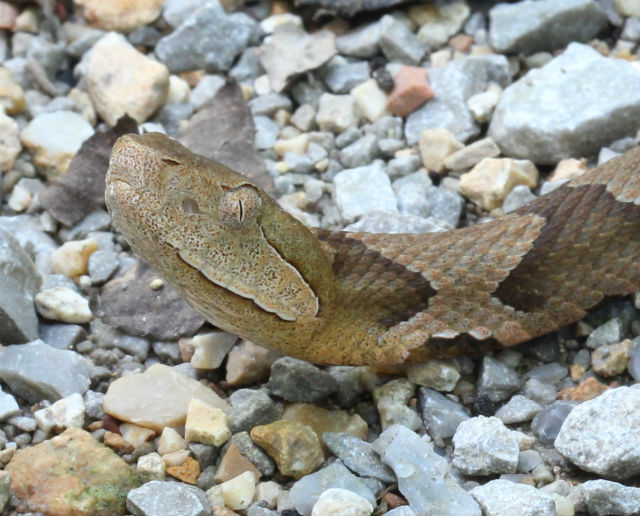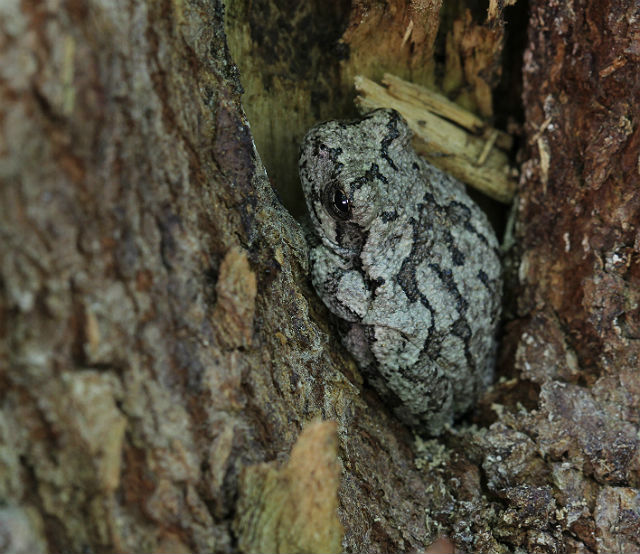
Yellow-bellied Water Snake

yellowbelly_2989

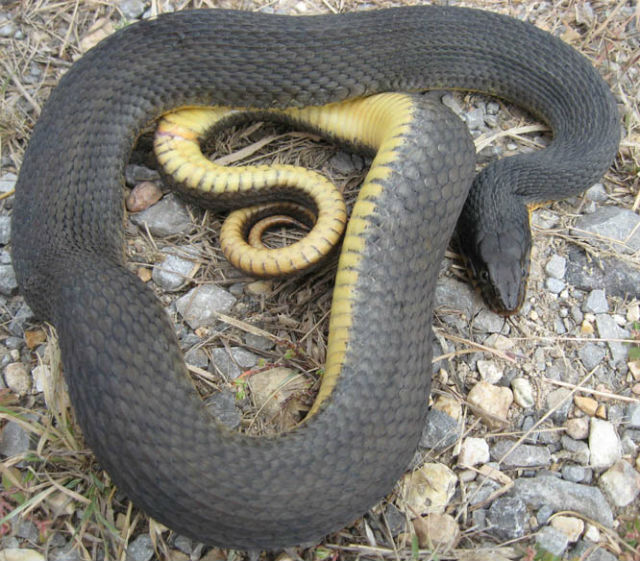
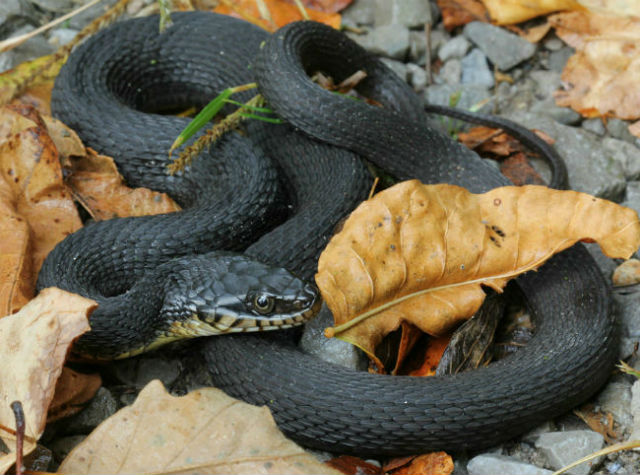
This is the most commonly encountered water snake on my recent trip to southern Illinois. It is named for its yellow belly. Its coloration is mainly gray or greenish with little or no pattern.
yellowb2

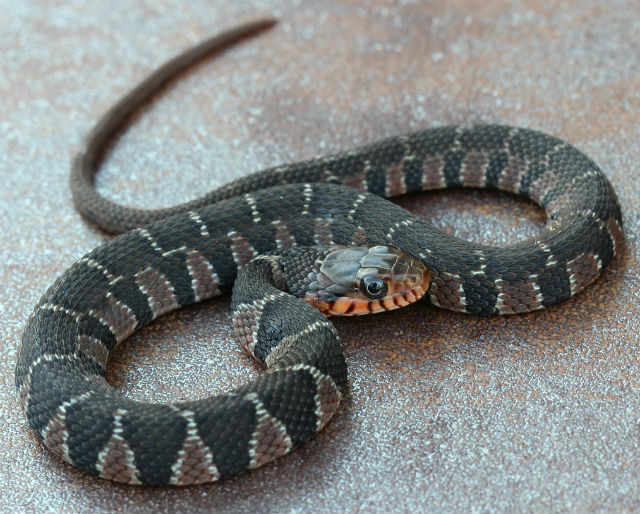
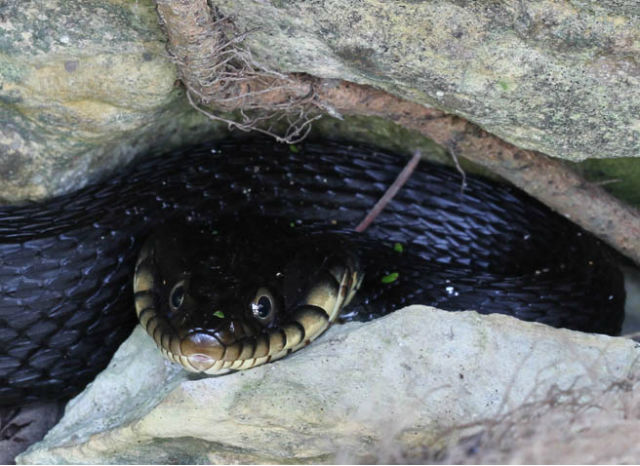
Like other species of water snakes, Yellow-bellied Water Snakes give birth to live offspring. The young are pale gray, with a pinkish cast on the sides, with squarish, alternating blotches. These markings begin to disappear during their second year.
yellowbelly_3859

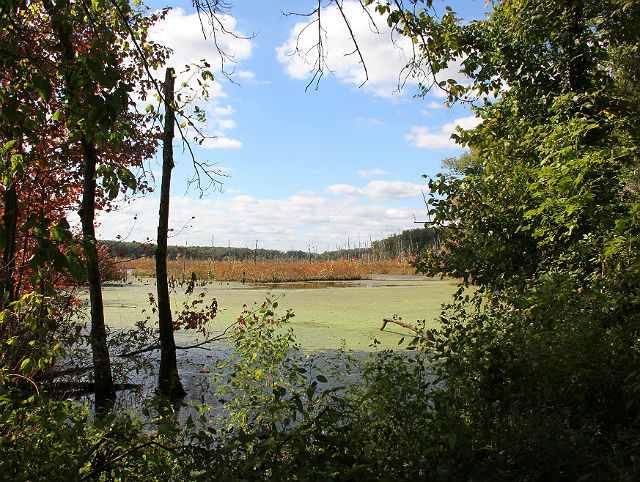
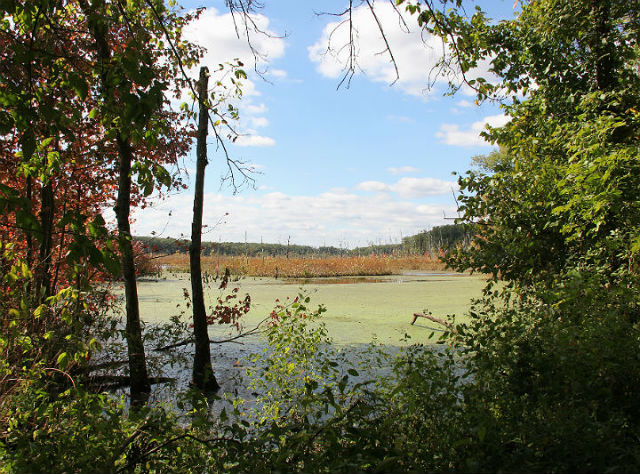
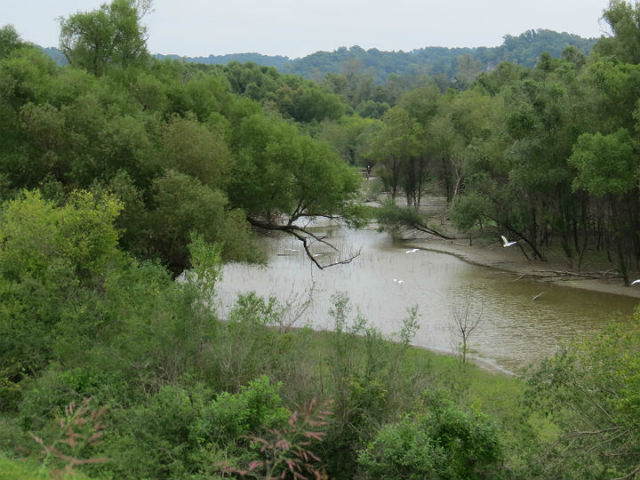
Yellow-bellied Water Snakes are a species that is found in swamps, lakes and ponds – where it can be seen basking on overhanging branches or logs in the water.
yellowbelly20030

Water snakes are not constrictors; they simply overpower their food. This species has a preference for frogs, toads, tadpoles and salamanders – but it also eats fish and crayfish.
yellowbelly_1586

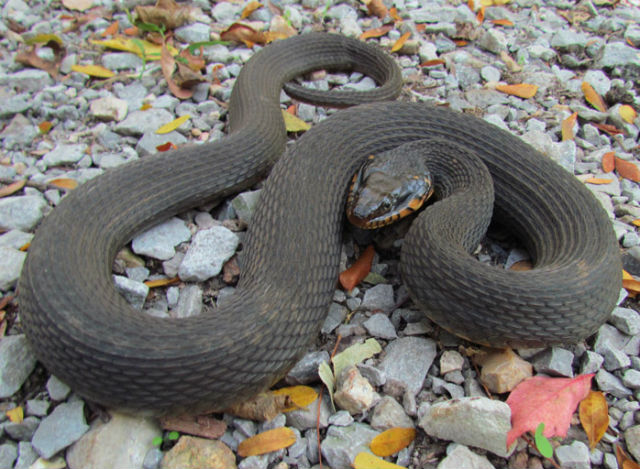
The Yellow-bellied Water Snake is less aquatic than the other water snakes. During hot, humid weather, it will travel considerable distances away from water. It is unique among water snakes in that it often flees onto land, instead of diving underwater when approached like most species of water snakes.
yellowBell

I enjoy encountering these reptiles, which are quite different looking than the Northern Water Snakes I commonly see in my home state of Ohio.
Third Eye Herp
E-mail

Great Egret

great egret_5663

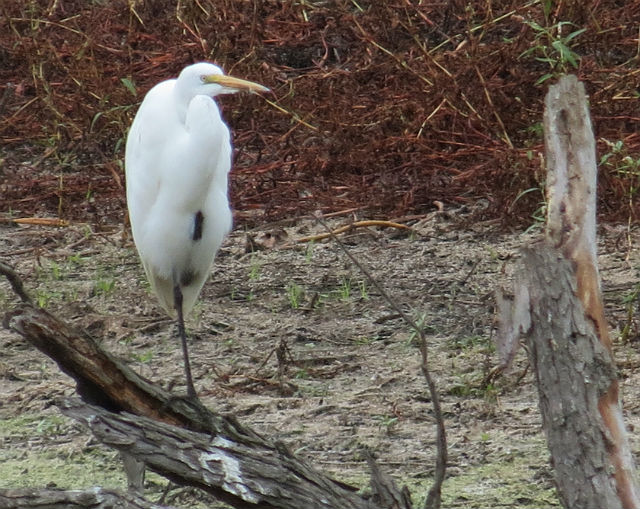
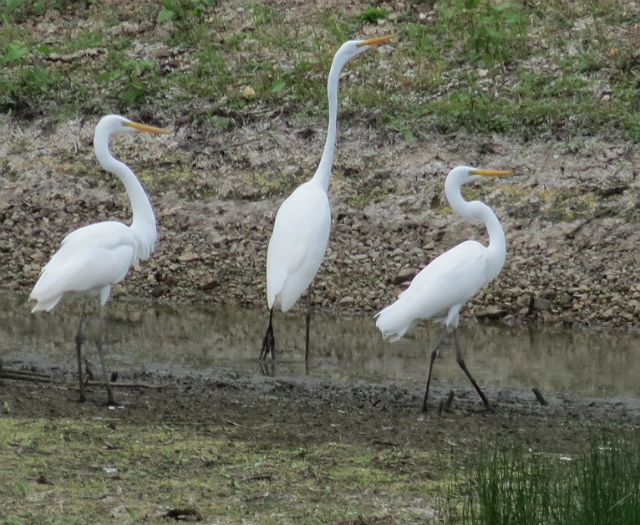
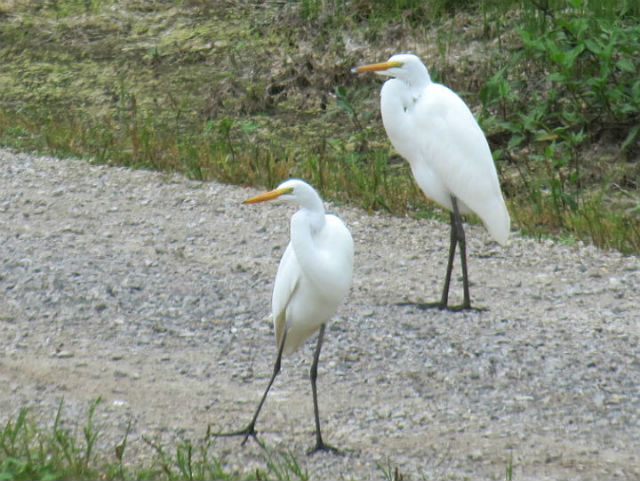
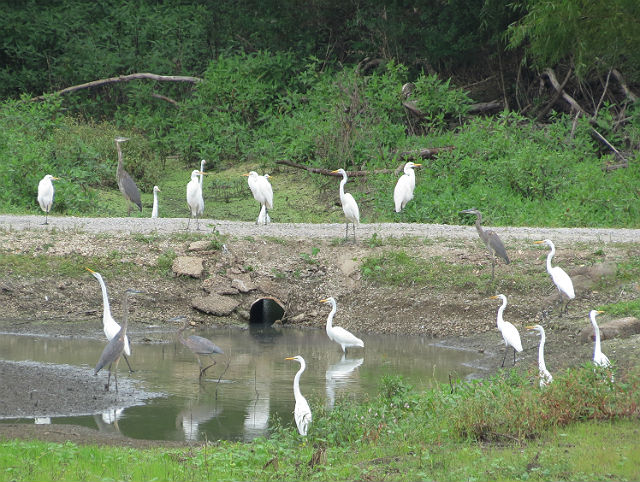
While visiting southern Illinois and searching for reptiles and amphibians along the banks of the Big Muddy River, I came across a number of these majestic birds.
great egret_5614

The Great Egret is a member of the heron family. This bird is the symbol of the National Audubon Society, which was formed to stop the slaughter of herons for their showy plumes. It is our second largest heron; only the Great Blue Heron (shown in photo above with Great Egrets) is bigger.

great egret_5654

In the early 20th century, they were almost hunted into extinction for their long, attractive feathers that were commonly used as decoration for ladies hats, but their numbers have increased over most of its range and they continue to expand their territories. During the breeding season, both males and females grow long lacy, delicate and flowing plumes on their backs that curl over their tails.

great egret_5619

With a wingspread of 55 inches, their wings are longer and wider than most other white herons. During the day, they forage alone or in mixed flocks, catching fish by standing motionless in the water. The neck has a characteristic kinked S-curve. When prey comes within striking distance, they spear it with their long, sharp bill. The largest part of their diet consists of fish, frogs and crayfish.

great egret_5646

A group of egrets has many collective nouns, including a “congregation,” “heronry,” “RSVP,” “skewer,” and “wedge” of egrets.

Third Eye Herp
E-mail

Bird’s Nest Fungus

Bird's Nest Fungus_3837

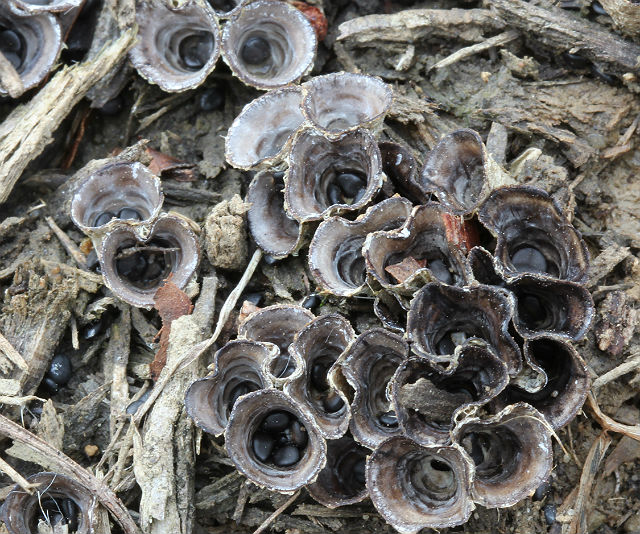
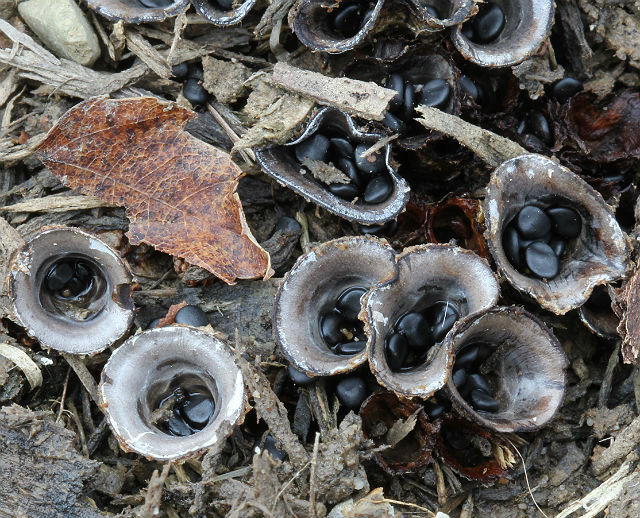
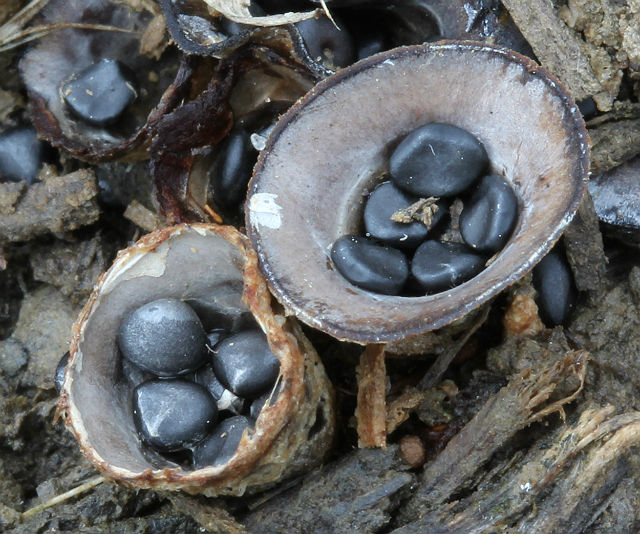
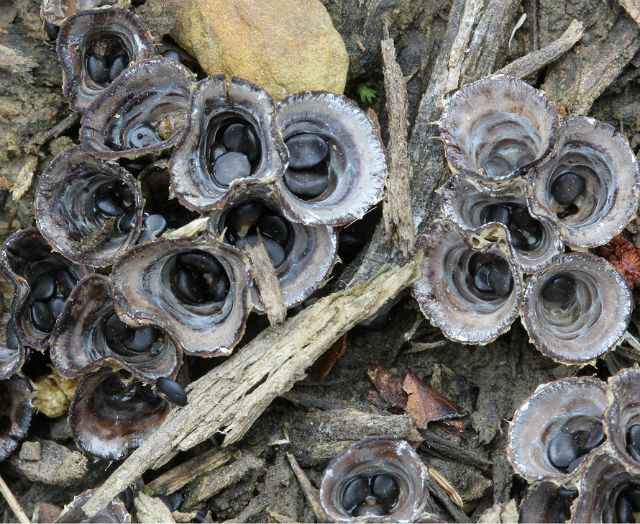
While I was doing a little yard work this week, I came across something tiny, yet awesome. They look like tiny cups filled with a few dark seeds or, as their name implies, tiny bird’s nests.

Bird's Nest Fungus_3834

There are several different species of this Bird’s Nest Fungi in northeast Ohio, but they all belong to the same family, Nidulariaceae. The scientific name is derived from the Latin word “nidus,” meaning nest.

Bird's Nest Fungus_3835

Bird’s Nest Fungi feeds on decomposing organic matter and is often seen growing on decaying wood and in soil enriched with wood chips or bark mulch. These were living where a tree had been cut down almost a year ago and only its ground up stump remained. Like so many fungi, most of the organism is hidden from view. The fungus spends most of its life as a series of nearly invisible threads among strands of decaying wood. The threads secrete enzymes which have the ability to digest wood.

Bird's Nest Fungus_3341

The cuplike nests which are visible are fruiting bodies which contain spore-filled eggs. The nests act as “splash-cups.” When a raindrop hits one at the right angle, the walls are shaped so the eggs are expelled to as much as a yard away from the cup. This unique little fungus is an evolutionary masterpiece and it was very cool to see it for the first time ever in my backyard.

Third Eye Herp
E-mail

Autumn Meadowhawk

autumn meadowhawk_6372

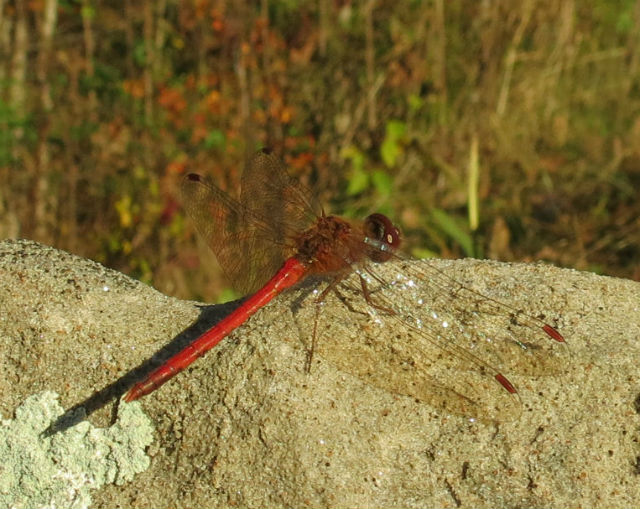
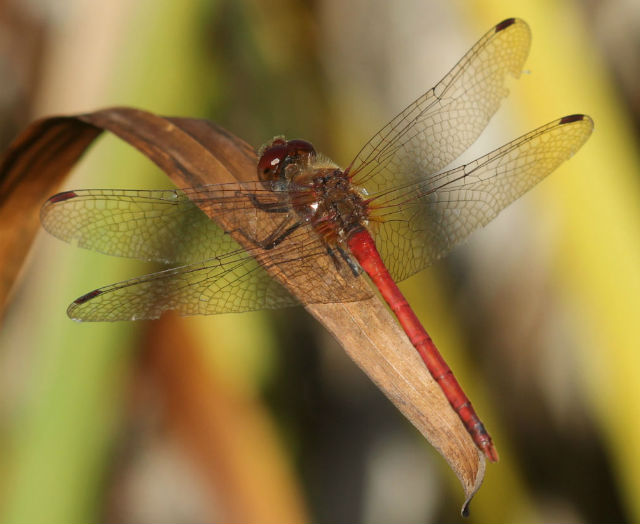
Even though it’s November, I’m still seeing a fair number of dragonflies when I go hiking. Most are Autumn Meadowhawks. Their common name refers to the late flight season of this species. This insect lives in a variety of habitats, including marshes, bogs, ponds, lakes and slow-moving streams.

autumn meadowhawk_6179

These are small to medium-sized skimmer dragonflies, known as darters in the UK and as meadowhawks in the North America. Dragonflies are expert fliers. They can fly straight up and down, hover like a helicopter and even mate in mid-air. Dragonflies catch their insect prey by grabbing it with their feet.

autumn meadowhawk_3783

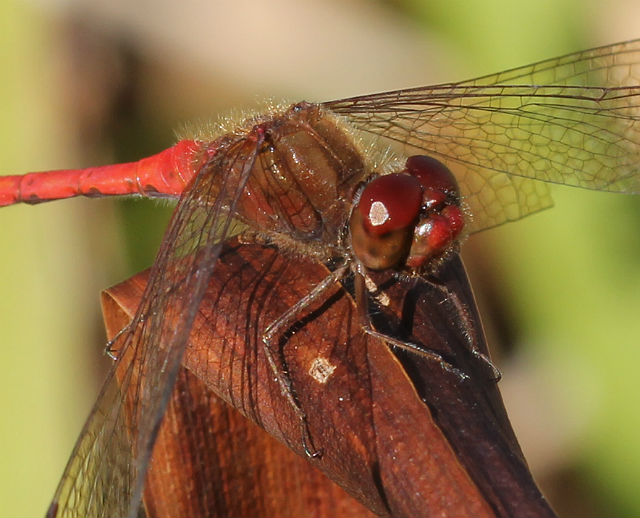
Nearly all of the dragonfly’s head is made up of its eyes, so they have incredible vision that encompasses almost every angle, except right behind them. Each compound eye contains as many as 30,000 lenses. A dragonfly uses about 80% of its brain to process all this visual information.

autumn meadowhawk_3782

At this time of year when insect life if nowhere near as plentiful as it was a few months ago, seeing one of these brightly colored creatures is a welcome encounter.

Third Eye Herp
E-mail

Golden Mouse

golden mouse_5475

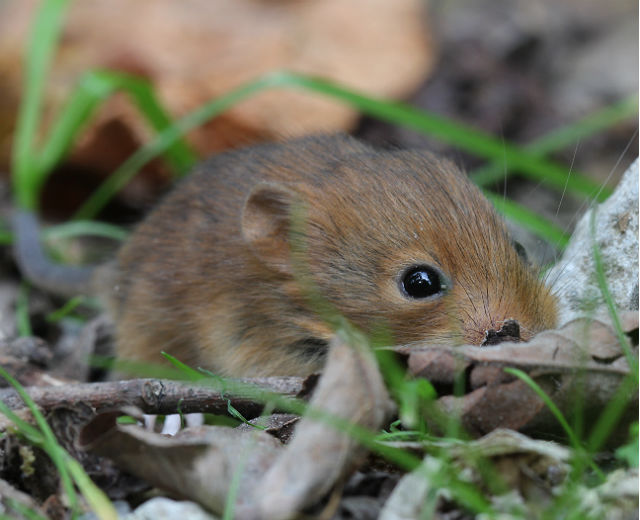
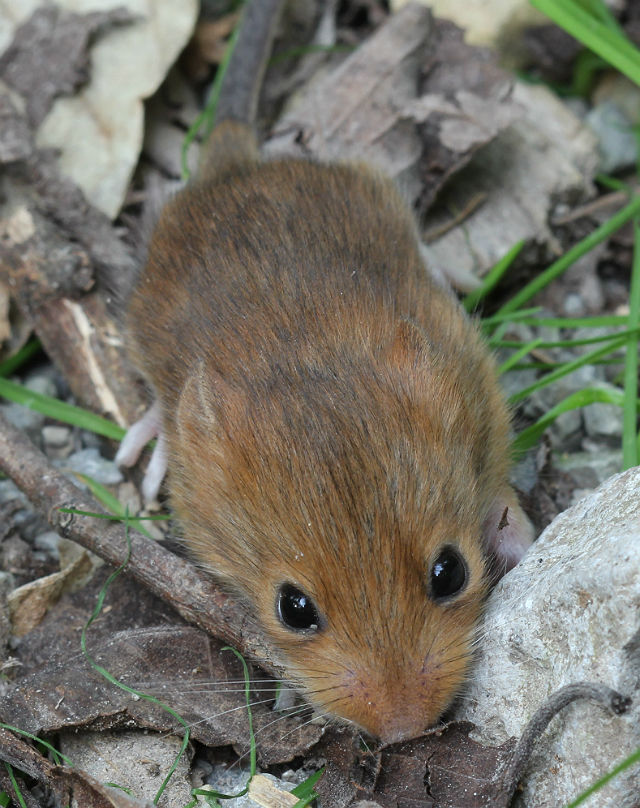
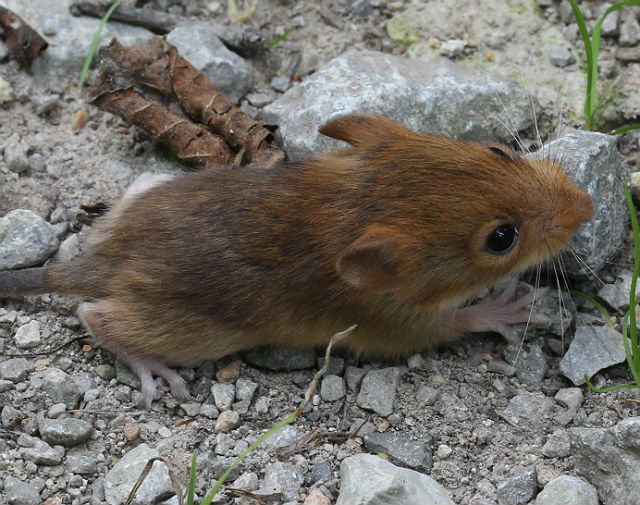
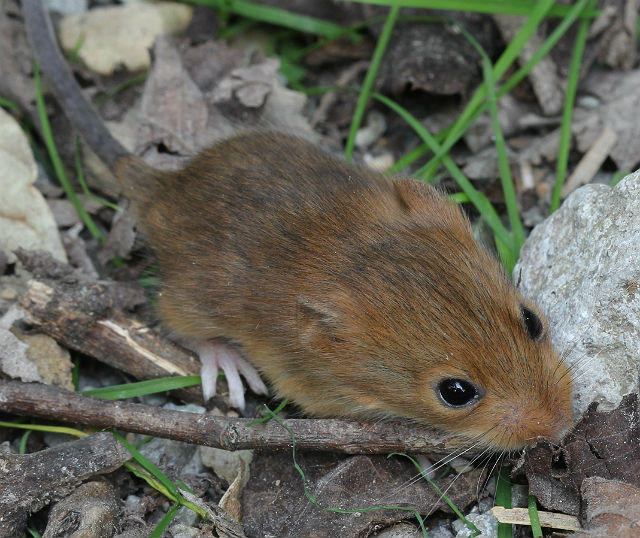
While hiking on Snake Road in southern Illinois a few weeks ago, I came across a couple of examples of this very interesting mammal. These small, golden rodents are adapted to, and occur chiefly in, forested areas. Tangles of trees, vines, and brush seem to be a preferred habitat. They are rarely encountered in or near human habitations.

golden mouse_3311

Unlike most mice, the Golden Mouse is semi-arboreal. Its semi-prehensile tail helps balance and stabilize it. As the mouse travels along vines and branches, the tail is used for balance. When the mouse pauses, the tail encircles the branch or vine.

golden mouse_3309

They build nests and feeding platforms above ground in understory trees and shrubs. Young are born in nests that usually are a few inches to 15 ft above ground in bushes and vines.

golden mouse_3302

Insects and spiders make of about half their diet. They also eat a variety of seeds including Sumac, Wild Cherry, Dogwood, Greenbriar, Poison Ivy and Blackberry.

golden mouse_3307

This species occurs in the southeastern United States and I have never encountered one before. Coming across these cool creatures was an unexpected surprise.

Third Eye Herp
E-mail

Black Cherry

black cherry_10_23 023

This is the largest of the native cherries and the only one of commercial value, it is found throughout the Eastern United States – including my backyard. Black Cherry is an aromatic tree; its crushed foliage and bark have distinctive cherry-like odor and bitter taste, owing to the same cyanide-forming toxic compounds found in the wood and leaves.

black cherry_10_23 031

Its valuable wood is used particularly for furniture, paneling, professional and scientific instruments, handles and toys. The sweet-smelling inner bark of the Black Cherry Tree is used to make black cherry syrup, often an ingredient in commercial cough medicines.

black cherry_4599

This was one of the first New World trees introduced into English gardens, it was recorded as early as 1629 in Europe. Black Cherry is valued for its ornamental features, specifically its cherry blossoms. The tart fruit of the black cherry tree is an important source of nutrition for many animals and the leaves are eaten by several species of caterpillars.

black cherry_3739

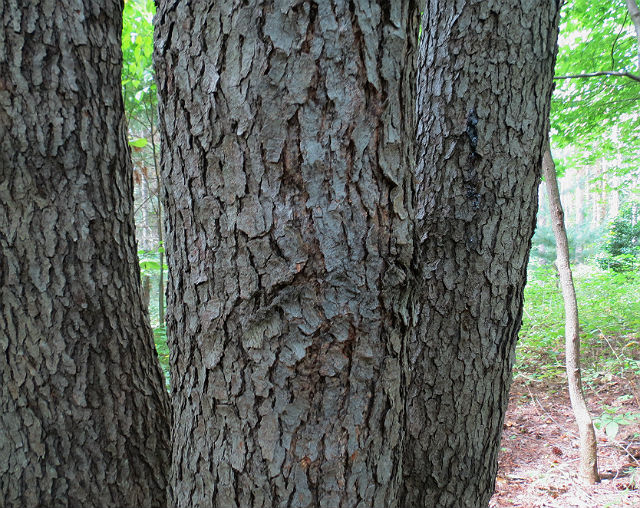
The bark of young trees is smooth and reddish-brown, maturing to an interesting scaly texture.

black cherry_5075

It’s hard to imagine a tree that has more to offer than Black Cherry!

Third Eye Herp
E-mail

Wheel Bug

wheel bug_5665

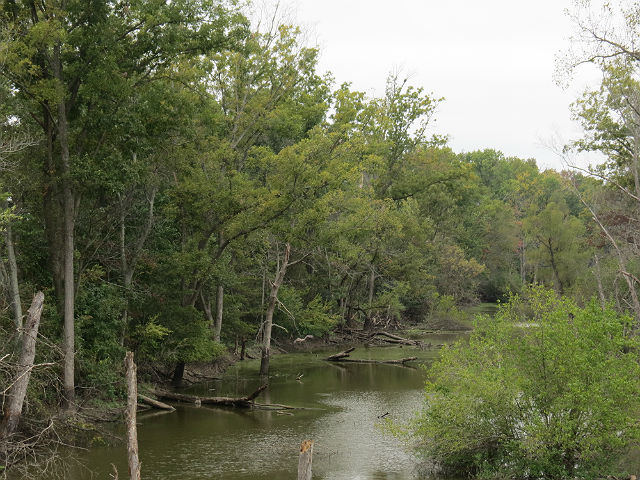
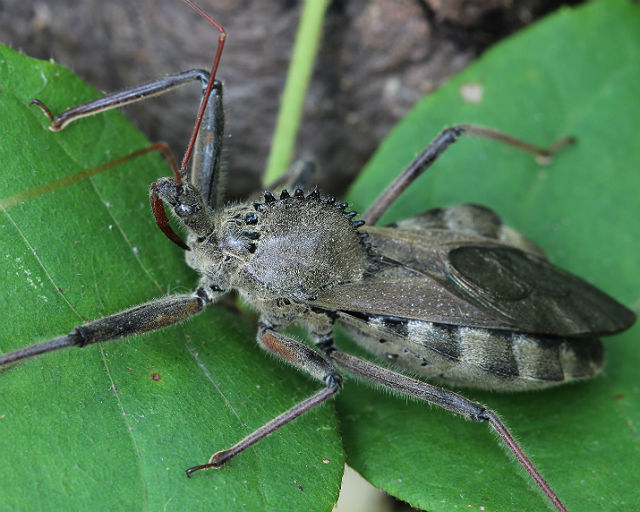
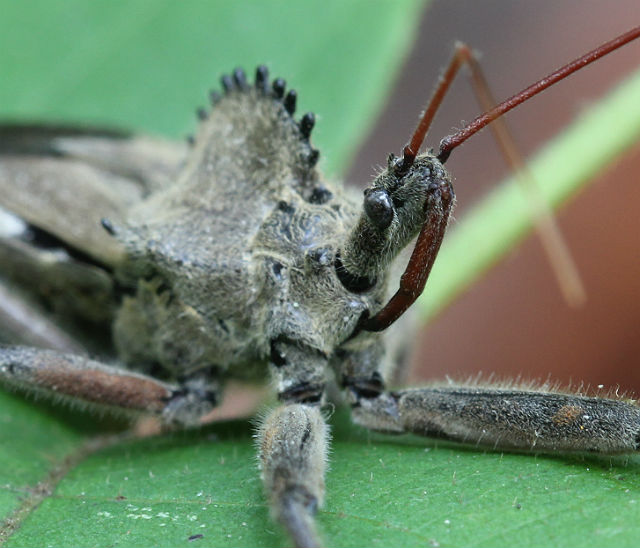
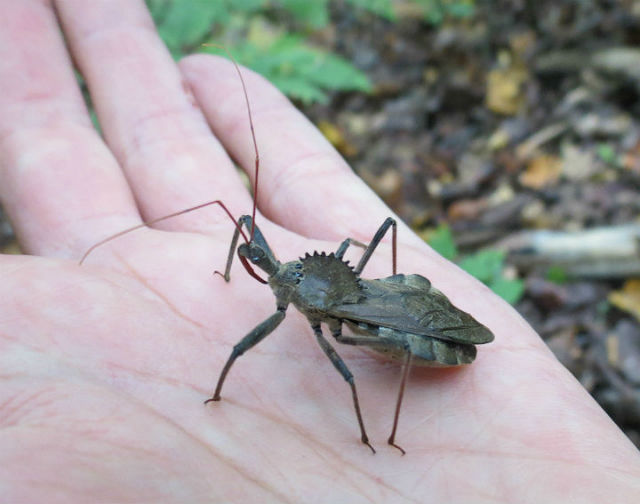
Walking near the Cache River in southern Illinois, I came across this awesome insect. The Wheel Bug is one of the largest terrestrial true bugs in North America, being up to 1-1/2 inches in length. It features a wheel-shaped structure on its back; this is the only insect species in the United States with such a crest.

wheel bug_3036

A type of Assassin Bug, Wheel Bugs are predators upon soft-bodied insects such as caterpillars, which they pierce with their beak to inject salivary fluids that dissolve soft tissue. Because most of their prey are pests, wheel bugs are considered as beneficial to man. They are also known for eating Stink Bugs.

wheel bug_3026

These insects are common in eastern North America, although most residents where they live have never seen them. Wheel Bugs are well-camouflaged and very shy, hiding in leafy habitat whenever possible. They have wings which allow for clumsy, noisy flight.

wheel bug_5508

Once you see a Wheel Bug, you are not likely to forget it. Not only is it the largest member of Assassin Bugs, their bizarre appearance makes quite an impression. It was very cool to come across this terror of the insect world, which I’ve only seen once before.

Third Eye Herp
E-mail

Northern Copperhead

copperhead 026

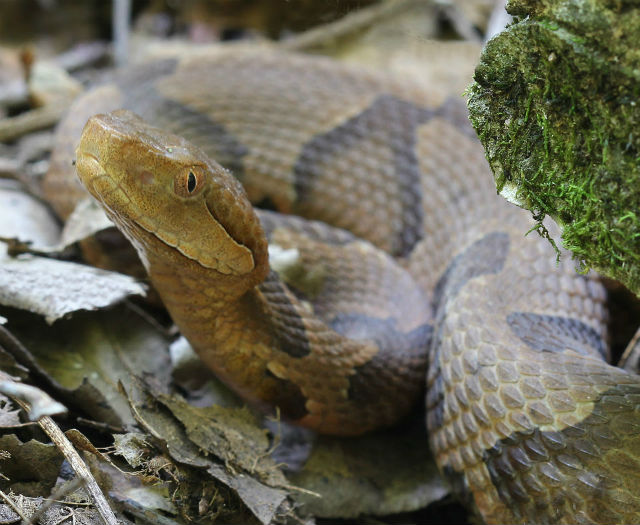
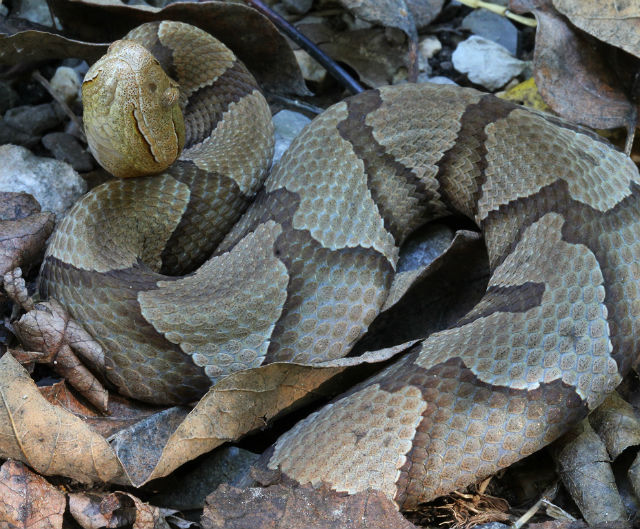
This snake averages to 24-36 inches in length and has an hourglass pattern that runs the length of its body. This reptile is well-named named, because of its distinctive feature of a copper or bronze-colored top and sides of the head.

copperhead_640

It’s coloration and pattern act as camouflage, as tan, brown and rust-colored bands allow the Northern Copperhead to disappear easily into dried up, fallen leaves, sticks and limbs.

copperhead r 174

Typically, these snakes use rock outcrops or rocky areas with talus slopes for cover, feeding and as entrance ways to subterranean hibernating quarters. They have a wide range in their diet, which includes small mammals, birds, reptiles, amphibians and even insects.

copperhead sr 168

Northern Copperheads give birth to live babies. Young copperheads are more grayish in color than adults and possess bright yellow or greenish yellow tail tips, which arer used to lure prey. The Northern Copperhead is a venomous snake, though is relatively mild and its bite is rarely fatal to humans.

copperhead_1616

Like rattlesnakes and water moccasins, copperheads are pit vipers. Pit vipers have heat-sensory pits between eye and nostril on each side of head, which are able to detect minute differences in temperature, so that the snake can accurately strike the source of heat, which is often potential prey.

copperhead 166

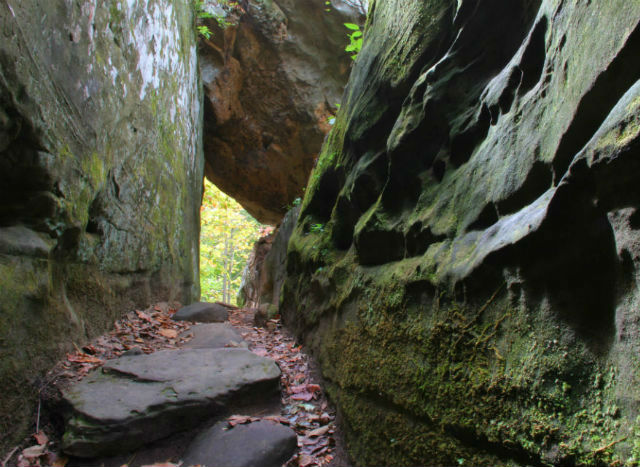
It’s always a thrill to come across one of these beautiful and well-camoflauged snakes when out herping. Last weekend I saw two while visiting southern Illinois, and they were welcome finds

Third Eye Herp
E-mail

Bird-voiced Treefrog

bird-voiced_2989

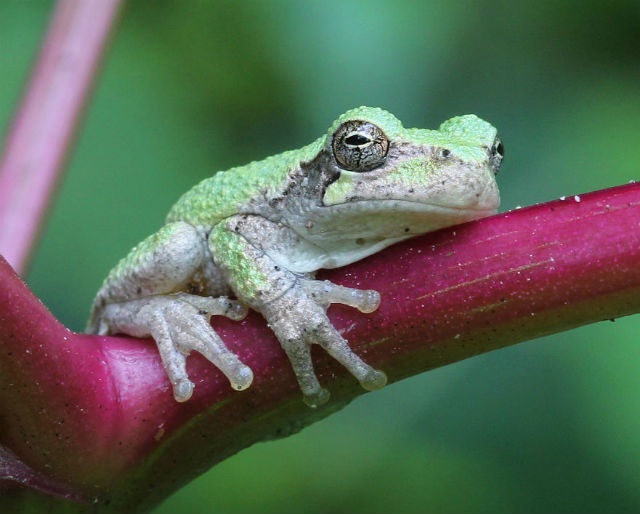
Bird-voiced Treefrogs inhabit wooded swamplands of the south, where they can be heard calling during spring and summer. I have found several on my current trip to southern Illinois.

bird-voiced_2940

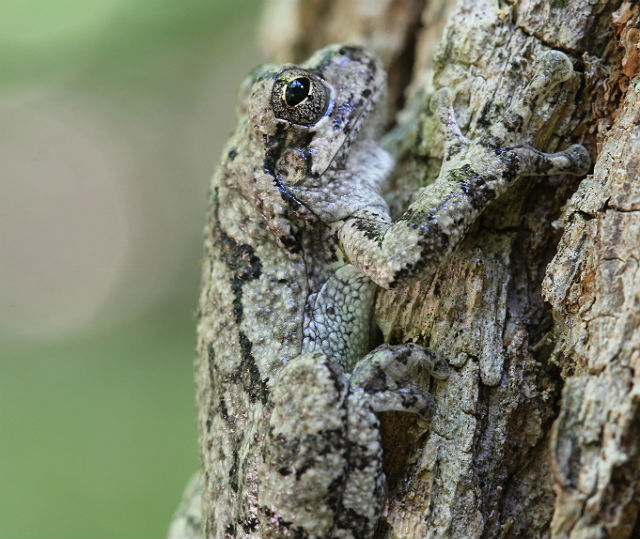
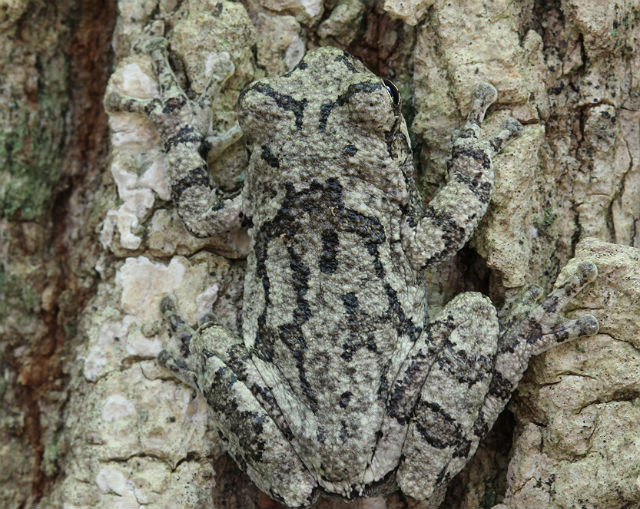
This is a small species growing to 1-1/8 inches to 1-3/4 inches long. It is usually has a dark, irregular pattern and a pale grey or brown on its dorsal surface, but its color changes with the temperature and its level of activity, and may it sometimes be pale green.

bird-voiced_2996

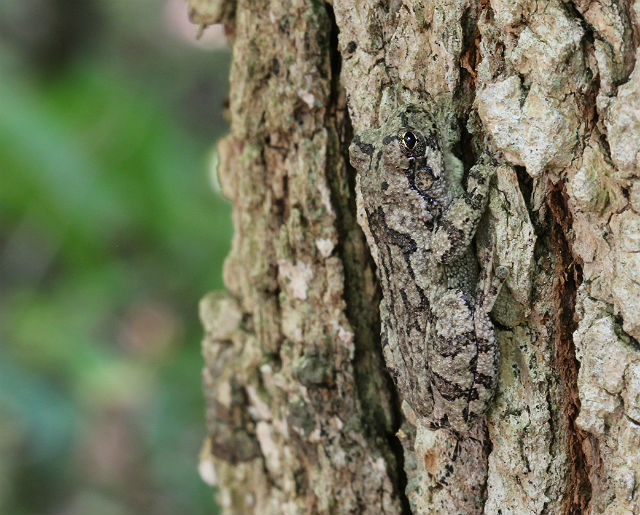
The Bird-voiced Treefrog is found over much of the southeastern United States. Its favored habitat is wooded swamps near streams and rivers. It blends in very well with the tree trunks where it usually hangs out.

bird-voiced_2953

They have large toe pads with adhesive, or sticky, disks on the tips of their toes. They allso have bright “flash colors” on their thighs (which are hidden when the frog is at rest) to visually confuse predators.

bird-voiced_2943

They are a highly arboreal species, climbing high into tree and are opportunistic feeders. Their diet consists mainly of spiders and small insects. They are nocturnal and forage for food primarily in trees at night time.

bird-voiced_2955

The Bird-voiced Treefrog’s call is a series of piping, bird-like whistles, which occur in rapid succession. This frog is listed as “threatened” in Illinois, where I found the examples in this blog post.

Third Eye Herp
E-mail

Pandora Sphinx Moth

Pandora Sphinx Moth 2

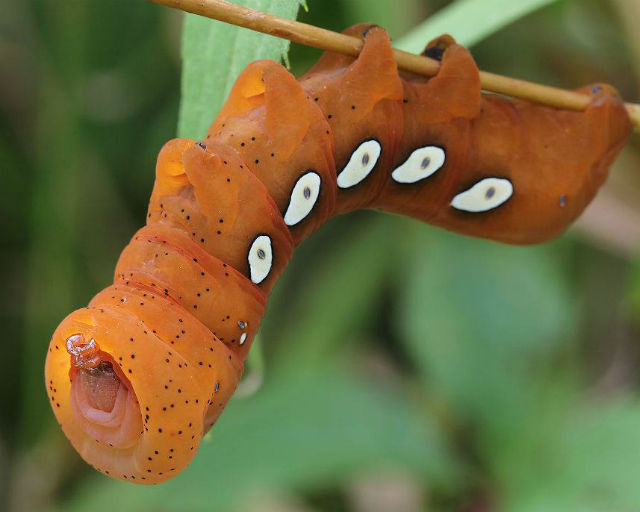
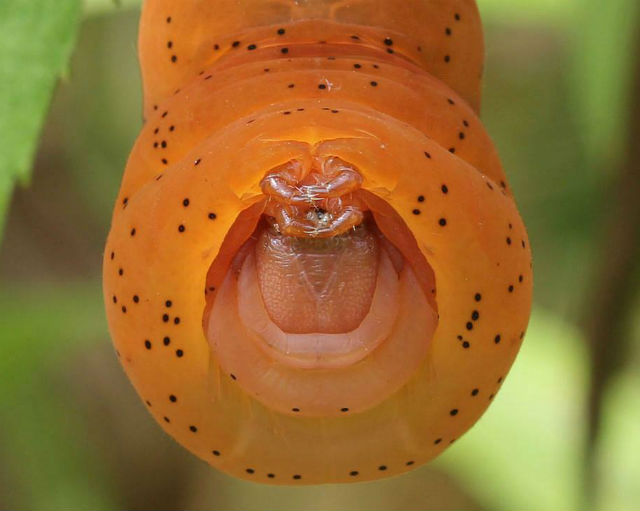
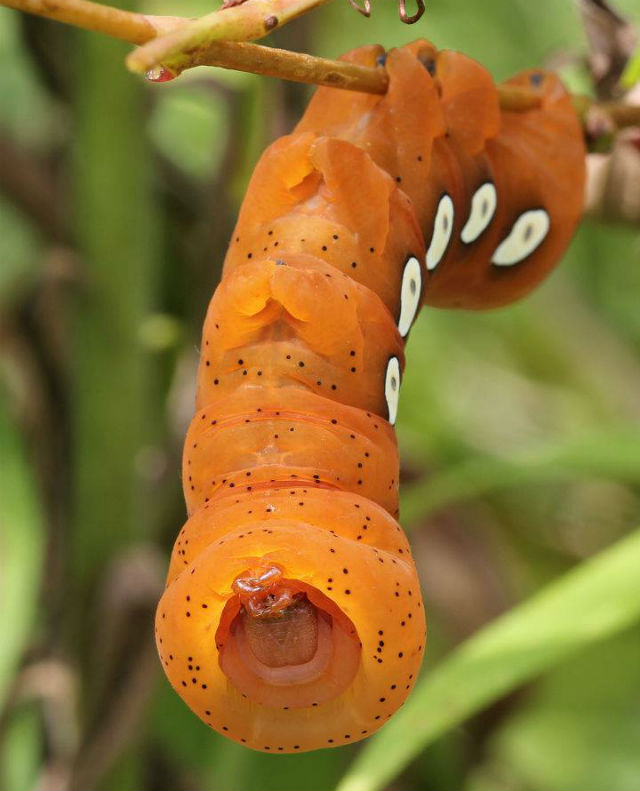
While on a hike several weeks ago, I came across this cool caterpillar. It’s the larva of a Pandora Sphinx, a type of Hawk Moth. These large caterpillars feed on the leaves of Grape and Virginia Creeper.

Pandora Sphinx Moth 3

This caterpillar is known to retract its first two body segments, the first being its head, into the third segment when disturbed.

Pandora Sphinx Moth 4

The Hawk Moths are also referred to as Sphinx Moths because the large caterpillars of most species often rear up their front ends in mock defense when disturbed, resembling a “Sphinx.”

Pandora Sphinx Moth_2310

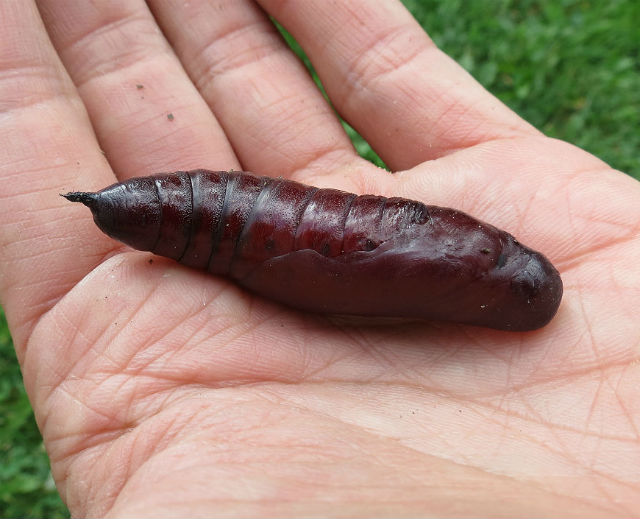
I took the caterpillar home and fed it grape leaves from my backyard. Eventually is turned into the this pupa and buried itself in the dirt at the bottom of its terrarium.

Pandora Sphinx Moth_2667

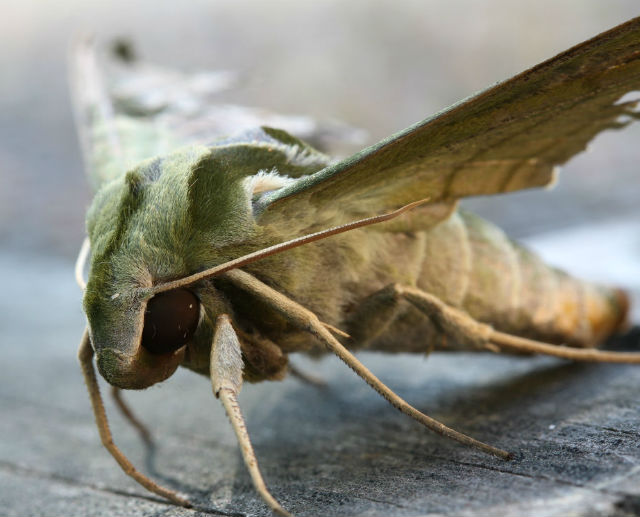
After several weeks of patiently waiting, the adult moth emerged.

Pandora Sphinx Moth_2685

As an adult, like many Hawk Moths, the Pandora Sphinx can be seen at night hovering about flowers in the tobacco family. It was awesome to encounter this crazy looking caterpillar and see it transform.

Third Eye Herp
E-mail