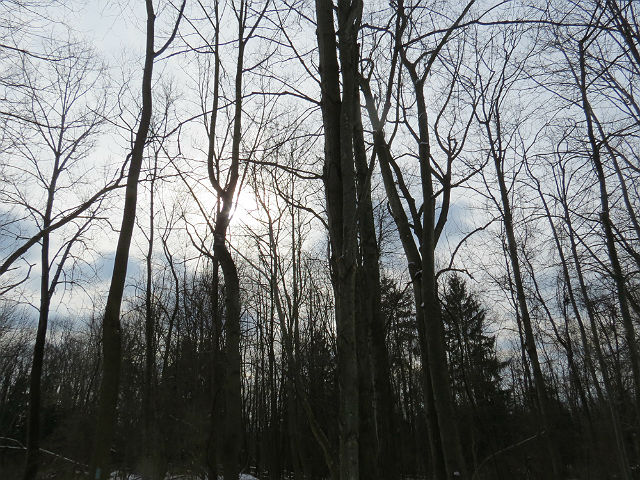
Red-bellied Woodpecker

Red-belly Woodpecker_8209

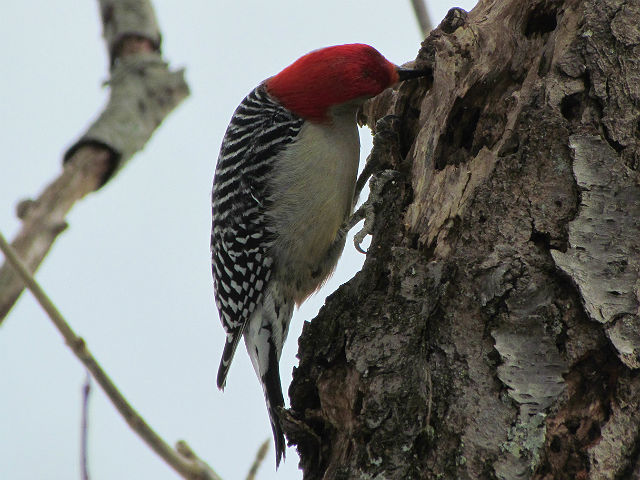
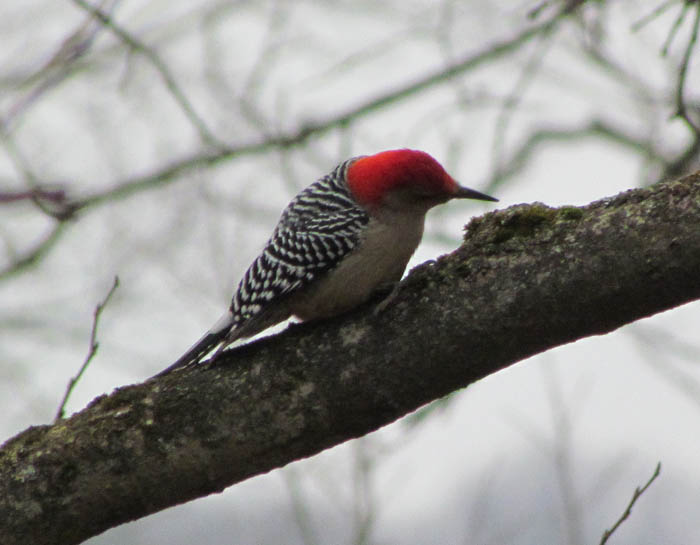
This woodpecker has a black and white zebra-like pattern on its back and a red neck. Males have red on the crowns of their heads, while females do not.
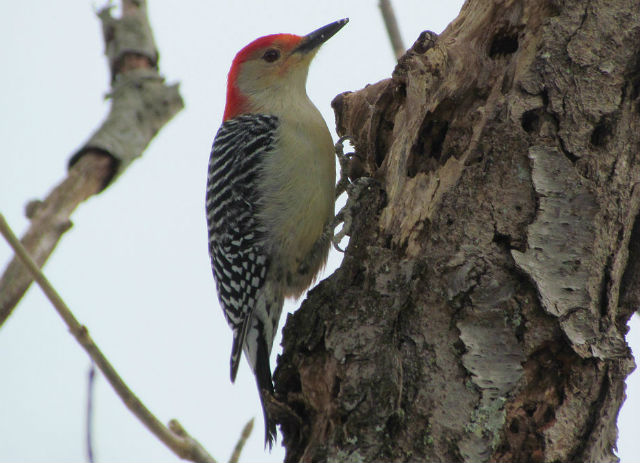
red-bellied woodpecker_2228

As it name implies, there is a red patch edged with yellow on the belly, but it is often hidden from view as the bird perches or feeds against a tree trunk.
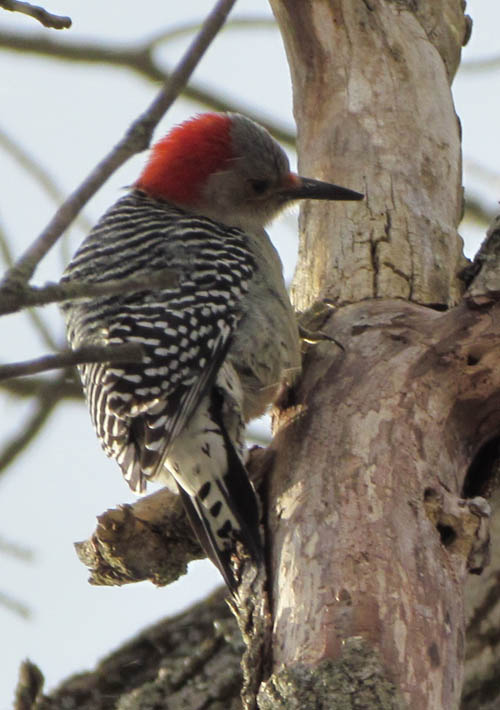
red-belly_9871

Unlike most birds, Red-bellied Woodpeckers have a zygodactyl toe arrangement. What the heck does that mean, you ask? Answer: Two toes face forward and two face backward. This enables the woodpecker to grasp the bark of tree trunks as it looks for food.
redbelly_0004

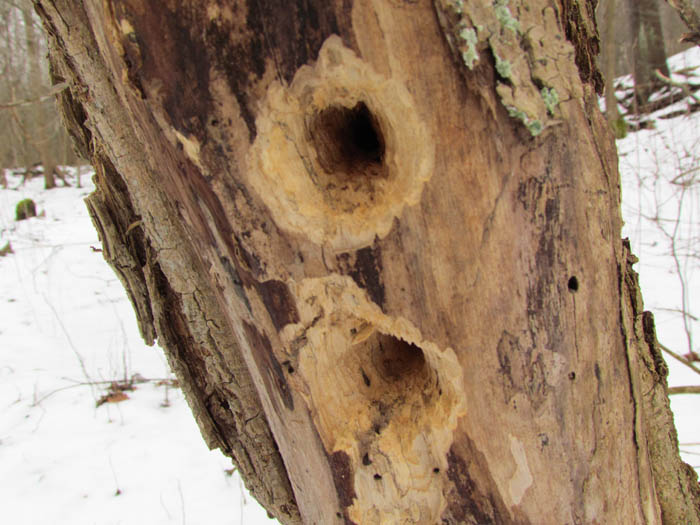
These birds tend to live in old forests with large hardwood trees. Their nests are built in cavities carved into tree trunks.
red-bellied woodpecker_2227

Red-bellied woodpeckers have been seen playing. They play by flying and dodging around trees as if they were trying to escape a predator.
redbelly_9567

Male woodpeckers do not sing well, so they use another strategy to appeal to potential mates. In the Spring, woodpeckers are especially attracted to any sound that resonates, including aluminum shed roofs and even the hoods of cars. These birds often utilize man-made objects to get the word out.

Red-belly Woodpecker_9764

They eat a wide variety of fruits, nuts, seeds, berries and tree sap, as well as insects. They are frequent visitors to bird feeders – including mine.
Third Eye Herp
E-mail

House Finch

house finch_3296

This was originally a species of western United States and Mexico. In 1940 a small number of House Finches, which at the time were kept as caged pets, were released on Long Island, New York.

house finch_3305

The birds spread westward and were first recorded in Ohio in 1964. By the mid 1980s they had colonized the entire Buckeye State and by the early 1990s they occupied all of the eastern United States. They eventually reached their original western population.

house finch_1849

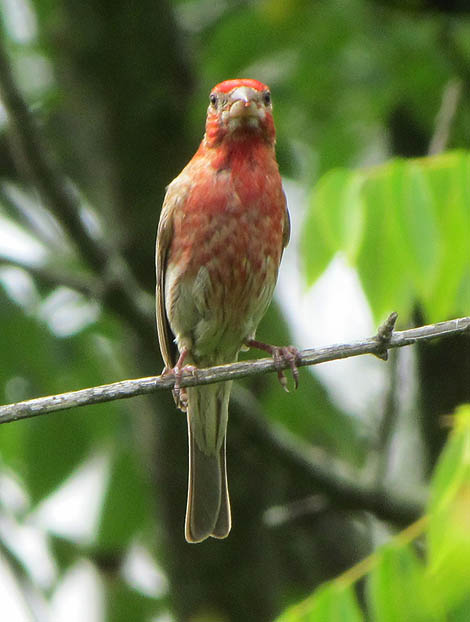
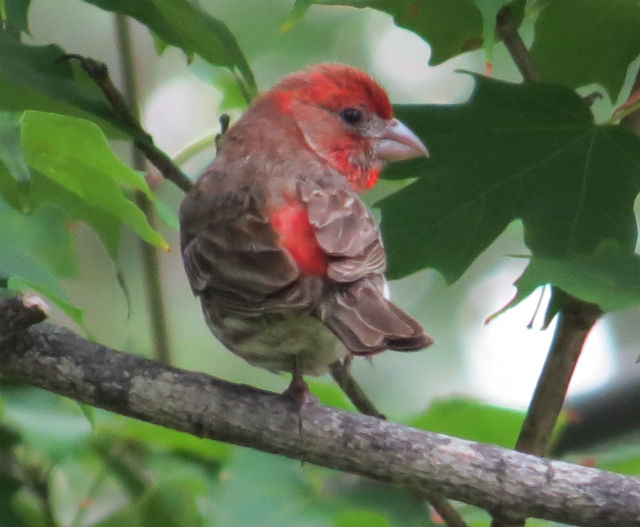
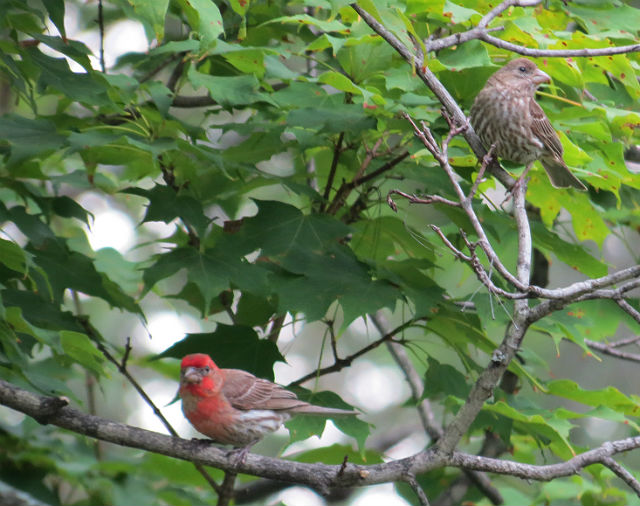
Adult males vary in color from orange-yellow to bright red. They derive their color from the pigments that are obtained from their diet of seeds, flowers and fruit. Females and immature birds are brownish and lack the bright colors of adult males.

house finches_1847

Studies indicate that the most brightly colored males are more successful at attracting mates than their duller counterparts.

house finch_3312

These days House Finches are particularly abundant in suburban areas. These small songbirds are often seen at birdfeeders. Though not native to Ohio, most people don’t seem to mind these adaptable, colorful and cheery-voiced creatures.

Third Eye Herp
E-mail

Eastern Kingbird

eastern kingbird_2488

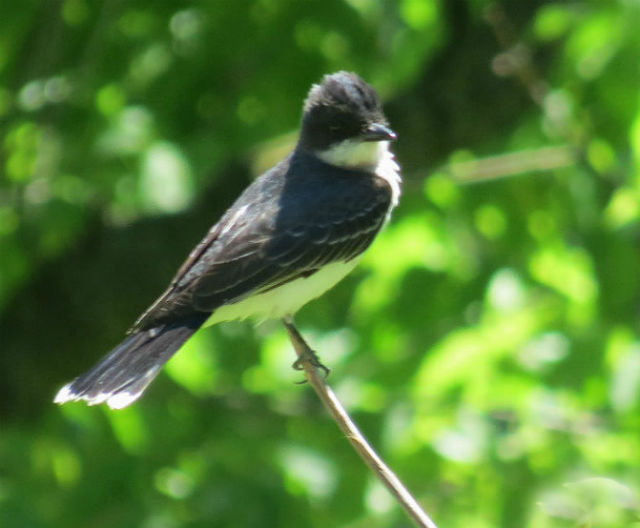
The crisp markings of this bird and its white tail tip are distinctive. This big-headed, broad-shouldered bird gets its name from its habit of harassing Crows, Red-tailed Hawks, Great Blue Herons and other birds that pass over its territory.
eastern kingbird_2386

Eastern Kingbirds often perch on wires or on the topmost tips of plants in open areas, leaving their posts to fltter over the tops of grasses in searech of flying insects to eat. These birds are members of the Flycatcher Family.

eastern kingbird_2375

They inhabit woodland edges, river groves, farms, orchards and roadsides. In the Summer, Eastern Kingbords require open space for hunting and trees for nesting; their habitat ranges from clearings within forest to open grassland with few scattered trees.

eastern kingbird_2391

After migrating to South America in Autumn, in the Winter these birds take on a different personality, living in flocks in tropical forests and dining on berries.

eastern kingbird_2392

Eastern kingbirds are important predators of insects during this time of the year. They are also fun to watch hunt food and chase other (in many cases larger) birds from their territories.

Third Eye Herp
E-mail

Red-winged Blackbird

IMG_9293

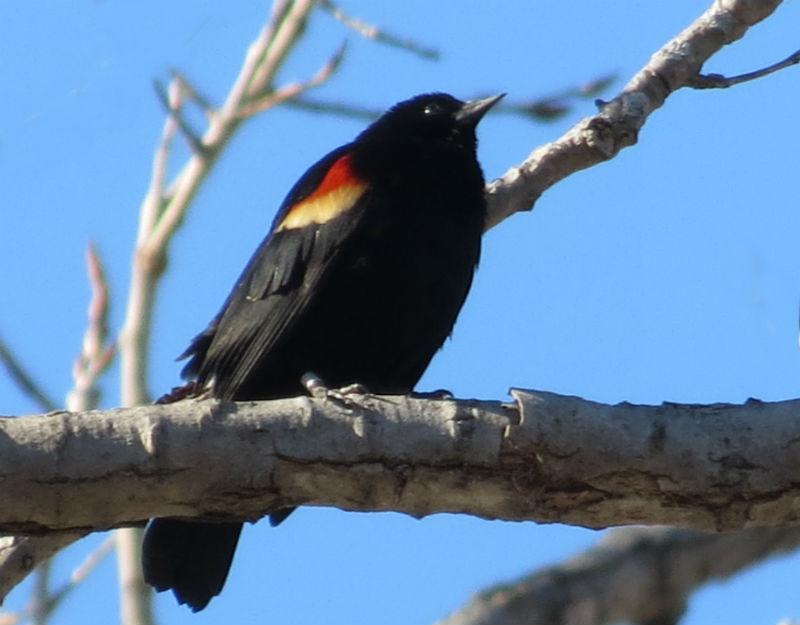
One of the most abundant birds across North America, and one of the most boldly colored, the Red-winged Blackbird is a familiar sight atop cattails and around areas with water.

redwing_9207

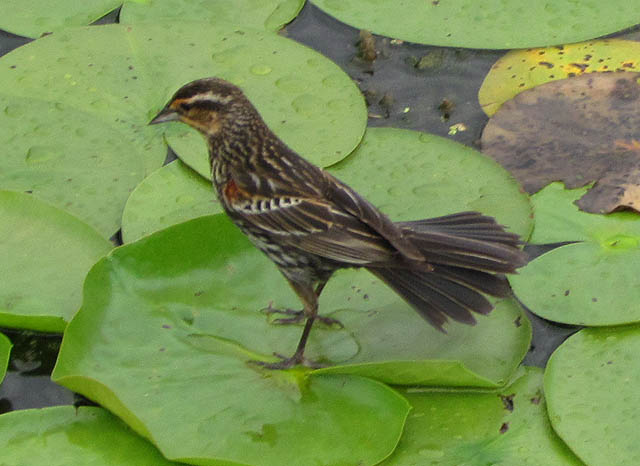
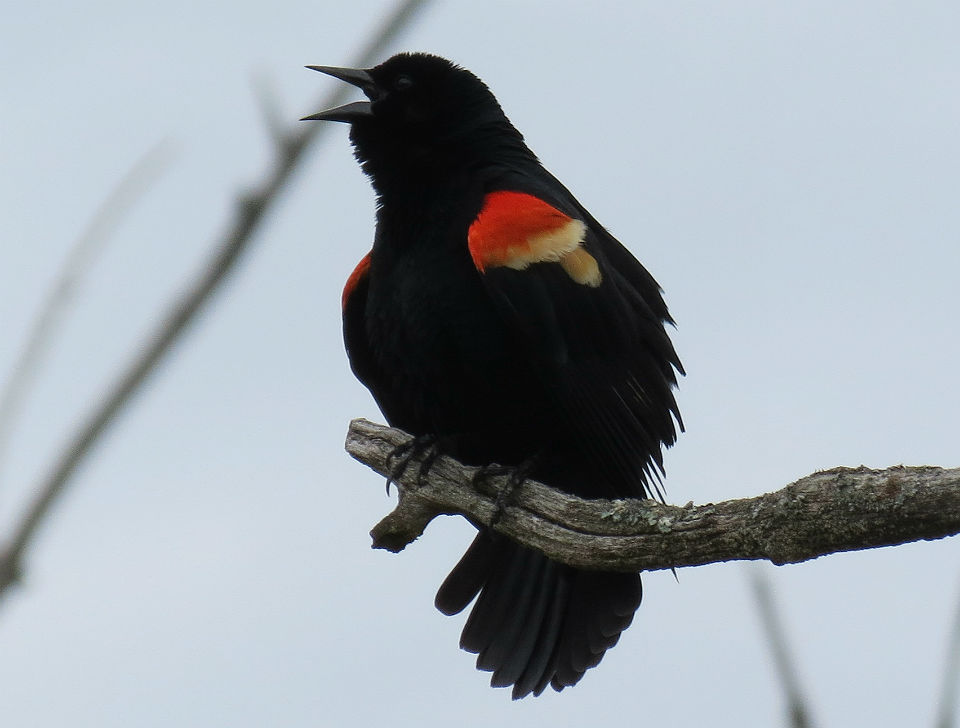
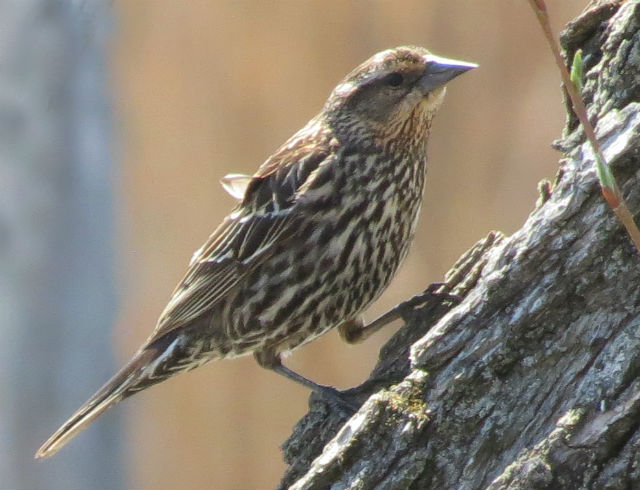
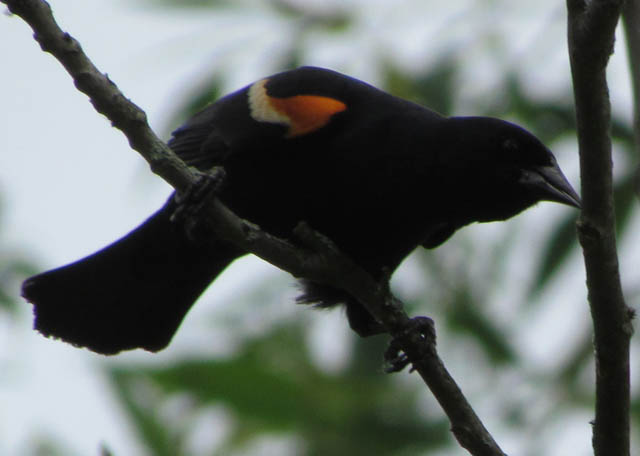
Glossy-black males have scarlet-and-yellow shoulder patches. Females are a subdued, streaky brown, looking like a large, dark sparrow.

redwing_9467

In the North, their arrival and tumbling song are indications of the return of Spring.

red-winged blackbird_4088

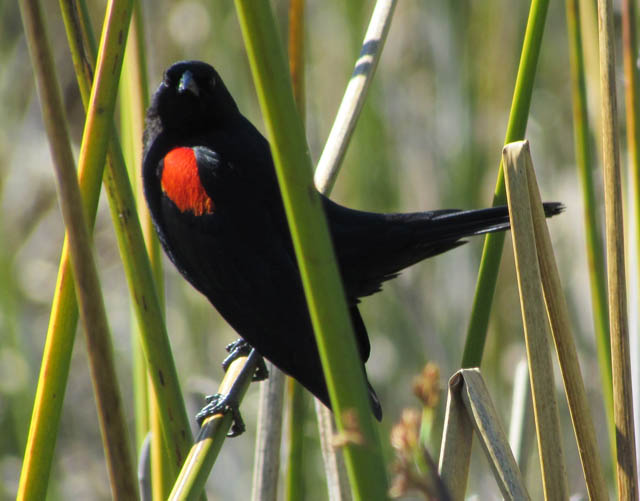
There’s variation in Red-winged Blackbirds across the country. The most obvious race is the “bicolored blackbird” of coastal California, which shows no yellow border on its shoulders. Here’s one that I saw in April of last year.

redwing_2077

Red-winged Blackbirds are highly social and form flocks all year, though during spring and summer the flocks are small.

redwing_3096

This is one of the most easily observable birds. Watching them is fascinating and fun. You’ll never be bored trying to figure out all of their quirks and songs.

redwing_5346

Third Eye Herp
E-mail

Tufted Titmouse

tit_9783

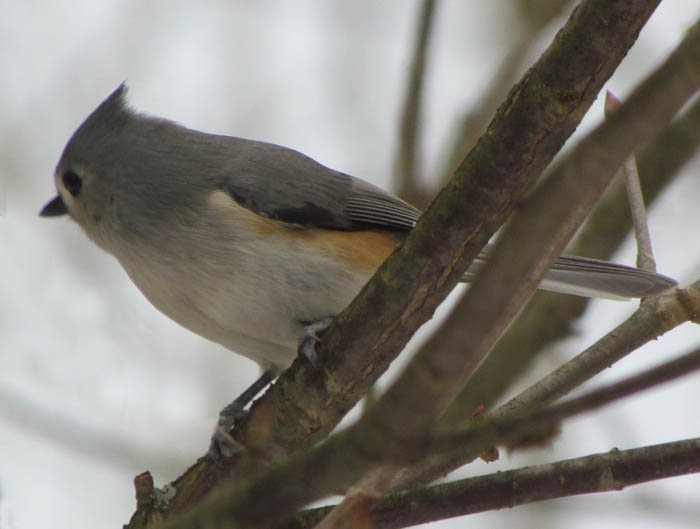
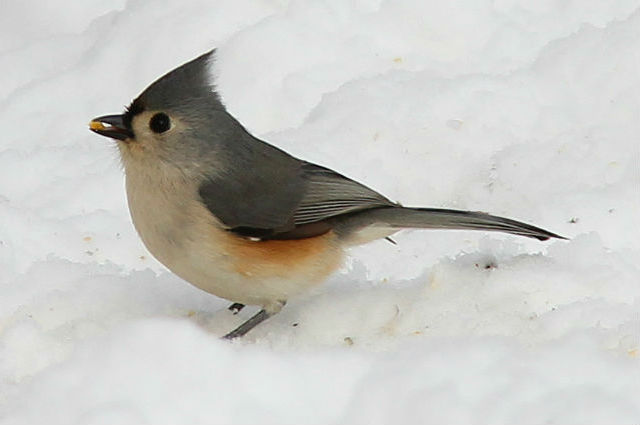
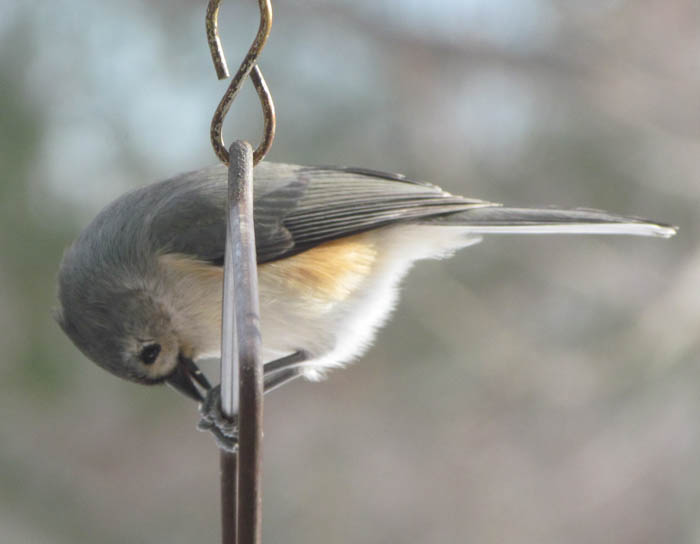
With its pointy crest, large eyes and seemingly friendly disposition, the Tufted Titmouse has a special kind of appeal. It has a busy demeanor, flitting about actively foraging for food. This bird often hangs out with its similar-sized relative, the Black-capped Chickadee.

titmouse 053

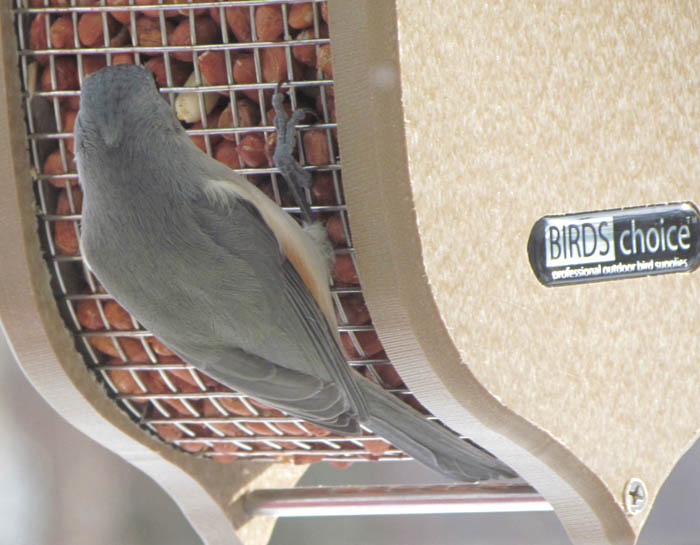
This bird is familiar to anyone who feeds birds as it is a frequent visitor to homes. Its peter, peter, peter call can often be heard when on woodland hikes. The Tufted Titmouse relishes sunflower seeds and will hold a seed with its feet and use its beak to hammer away at the seed until the shell falls off. These birds create caches of food, hiding seeds away under the bark of trees to retrieve later.

tit_8829

In warmer months they feed on insects, snails and spiders. In the Winter they seek out acorns, sumac, beechnuts and cherries.

tit_8827

This is one of about the two dozen species of Ohio birds that need dead or dying trees to construct a nesting cavity. Relatively recent woodland management methods have started to understand the value of standing dead timber.

tit_8831

The Tufted Titmouse likes to line its nest with fur and has been observed plucking to hair from sleeping dogs as a way of collecting its nest materials.

tit_9786

These birds seem comfortable around people and are common in a variety of habitats. They do not migrate and can be enjoyed year-round.

Third Eye Herp
E-mail

Red-tailed Hawk

hawk_9470

It was cold, it was grey, it was overcast. A typical December day in the Greater Cleveland Area. I decided to see what was up at Brecksville Reservation.

hawk_9463

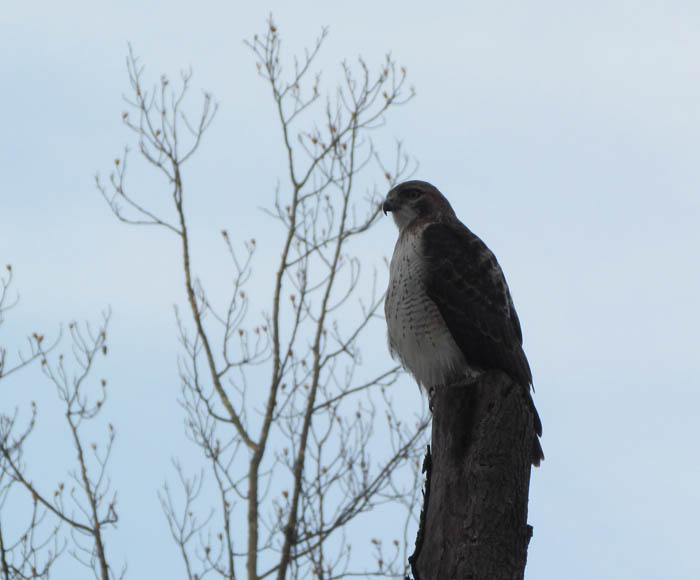
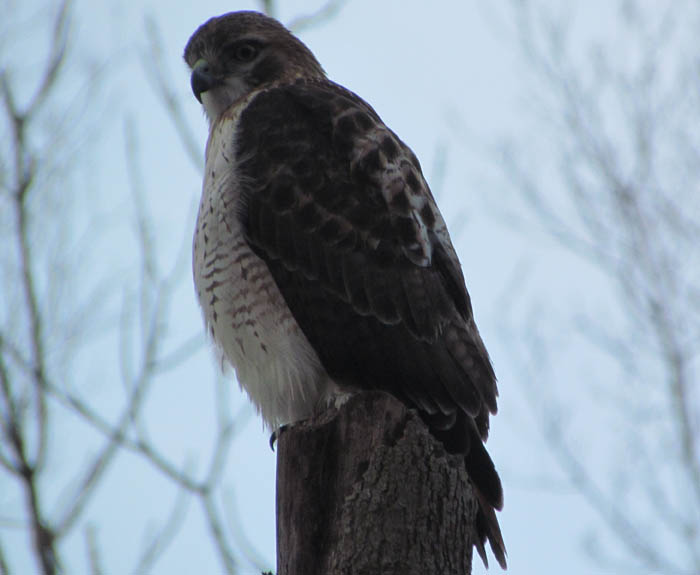
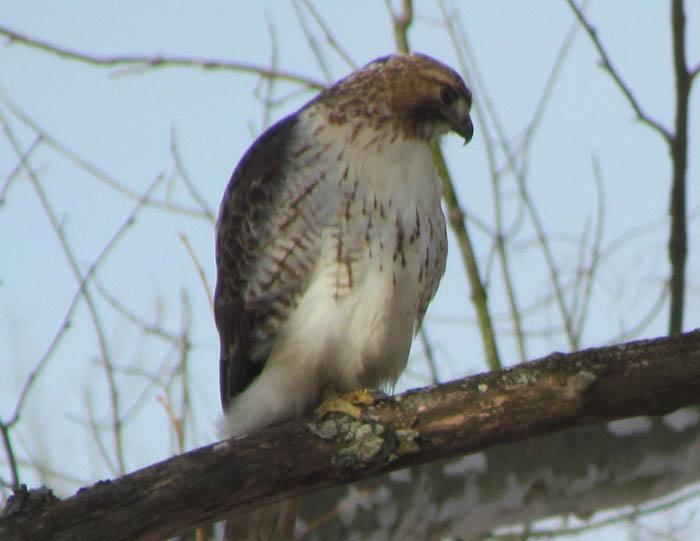
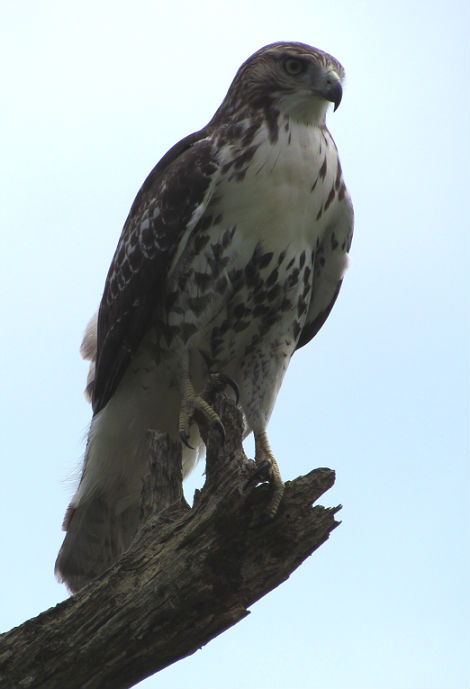
This Red-tailed Hawk was busy scanning the landscape below. Slowly it would move its head from side-to-side, looking for any kind of movement. A few times the bird stood up, as if it were about to take flight.

hawk_9238

Before long something caught its interest and the bird dove down to the forest floor. The sound from the impact of where the hawk hit the leaves could be heard from where I was standing.

hawk_09_01 168

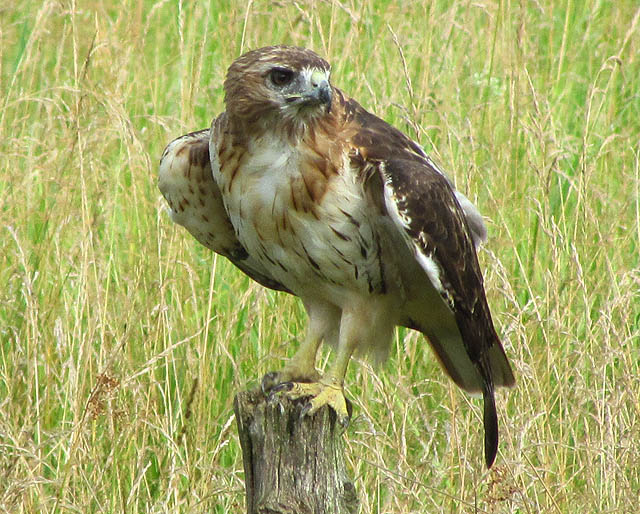
It was unsuccessful in catching its prey, so it found a new place to perch and start the process all over again. The Red-tailed Hawk is the most common large, broad-winged hawks in North America. Its range is from Alaska and northern Canada south to Central America.

hawk_3865

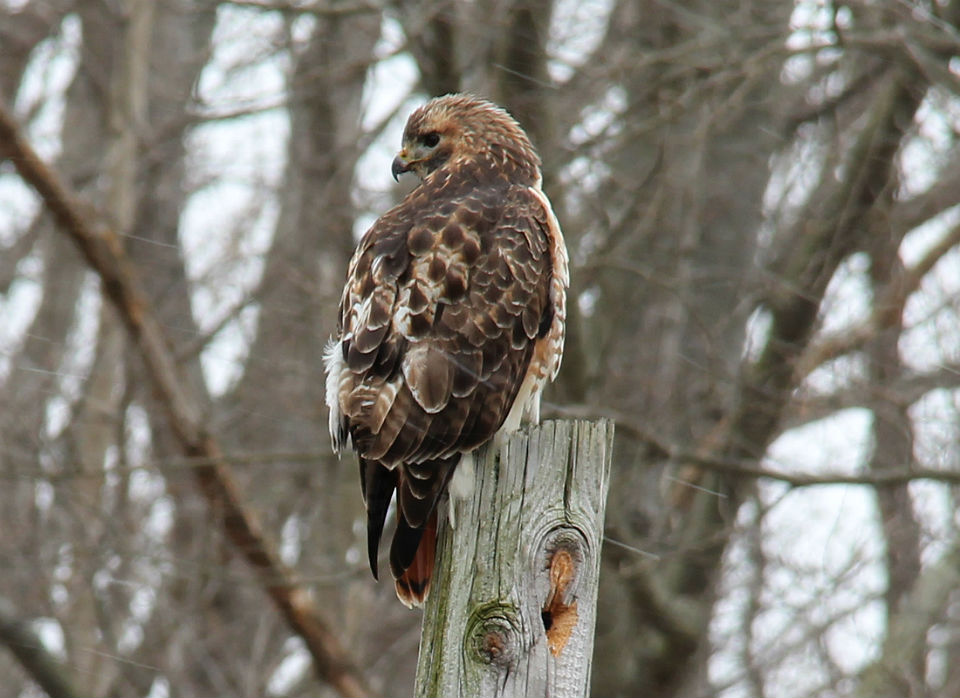
The Red-tailed Hawk is a bird of open country. It can be seen along fields and perched on telephones poles, fenceposts, or trees standing alone or along edges of fields. The eyesight of a hawk is 8 times more powerful than a human’s.

hawk030

This large, majestic bird has another way of hunting – by spending much of its time soaring and scanning the ground below. Both hunting styles allow them to expend a minimum amount of energy when hunting. Its call is commonly used in television and movies to represent the vocalizations of other birds, including vultures and eagles.

Third Eye Herp
E-mail

Eastern Bluebird

bluebirds_8836

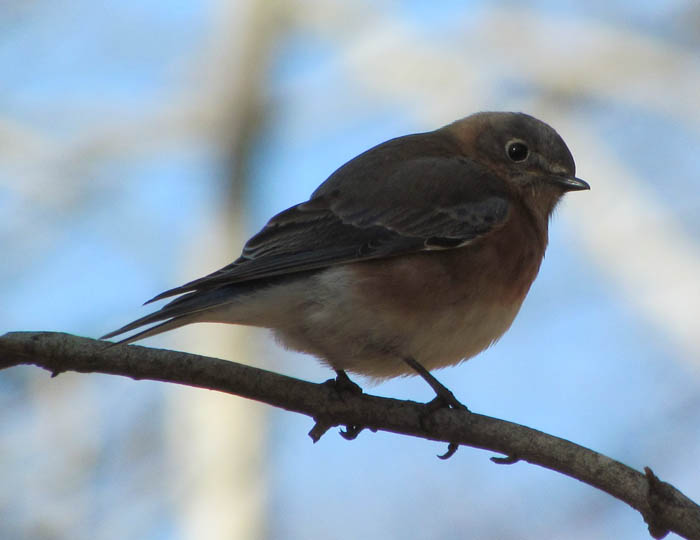
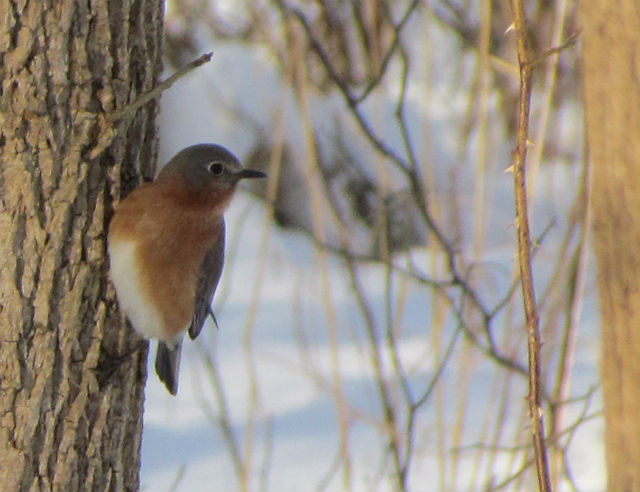
The Eastern Bluebird is a species familiar to millions in eastern North America, though they are nowhere near as common as they used to be. While they are still around and are seen when people build nest boxes, scientists wonder why there aren’t more.

blue_9713

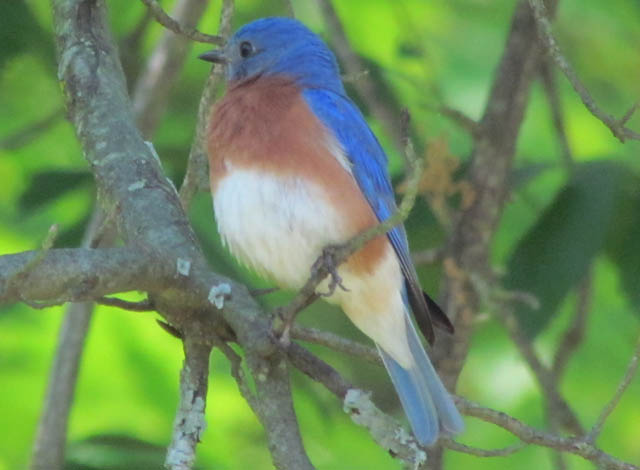
Males are easy to recognize, with a bright blue back, head, and wings, and a rust-colored throat and breast. Females are similar, but much duller in color. These birds are cavity-dwellers, so they nest in natural tree cavities, old woodpecker holes and bird boxes. Nests are built with grasses and weed stems.

blue_0853

Young bluebirds are grayish in color. They have speckled breasts and their wings have blue tips. As they become adults, the blue color becomes much more obvious, and their speckles disappear.

bluebird_1865

This beautiful bird is a favorite of many people and is eagerly awaited in the spring after a long winter. Though if the weather is mild, they may stick around all year. They are considered are “partially migratory;” they fly south when food becomes scarce or when temperatures and other environmental conditions become harsh.

bluebird_0598

Eastern bluebirds eat a variety of foods depending on the season. In summer months they consume mostly insects. During the fall and winter seasons, when insects are less common, they eat fruits and plants.

blue_0241

The future of Eastern Bluebirds has been of concern to conservation agencies. Populations have shrunk over the last few decades (in some places by as much as 90%).

bluebird_5291

Two reasons why bluebird populations have declined are habitat destruction and competition. Much of their habitat has been turned into farmland or commercial property. Eastern bluebirds also have to compete with the more aggressive, introduced species, like House Sparrows and European Starlings, for food and nesting sites.

Third Eye Herp
E-mail

Indigo Bunting

fawn pond_1871

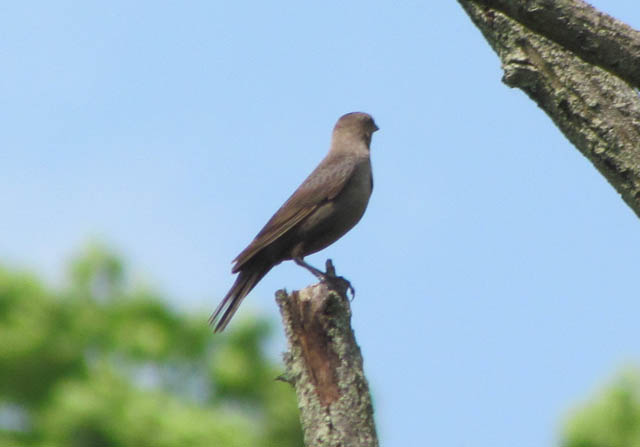
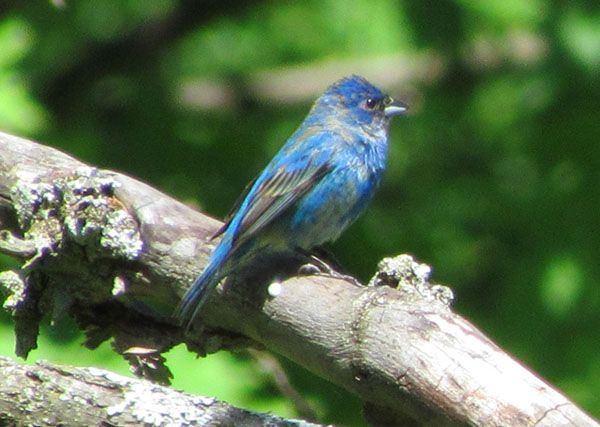
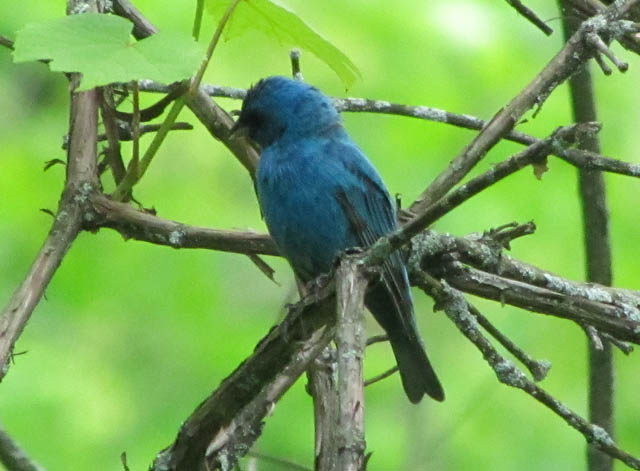
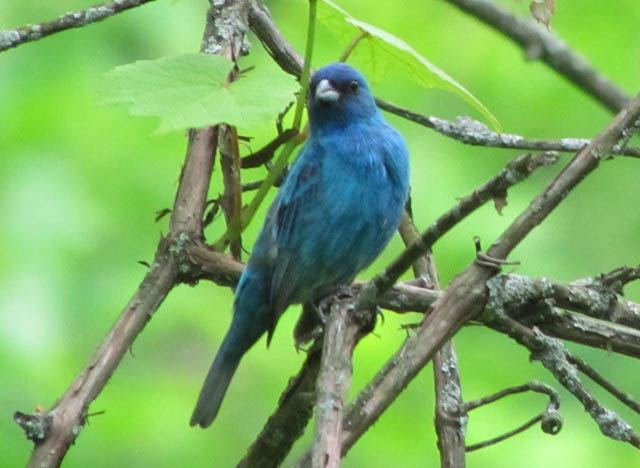
The sparrow-sized, brilliant turquoise blue, male Indigo Bunting is one of the most eye-catching birds around.

bunting_6101

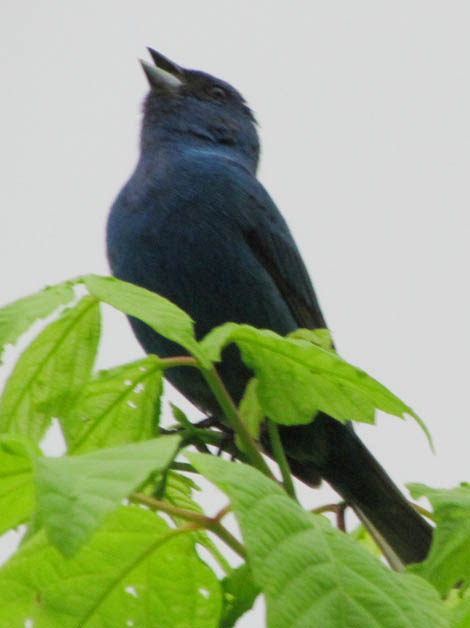
Indigo Buntings have no blue pigment; they are actually black, but the diffraction of light through the structure of the feathers makes them appear blue.

bunting_9935

Male Indigo Buntings sing from treetops, shrubs, and telephone lines all summer. They favor brushy pastures and edge habitat where fields meet the forest.

bunting_6071

As with many birds, the adult female has less spectacular coloration and is mostly brown. In both sexes, the upper beak is dark contrasting with a whitish lower beak.

bunting_5553

These birds perform a valuable service to man by consuming grasshoppers, cankerworms, flies, mosquitoes, weevils and other insect pests. Their diet also includes fruit and seeds.

bunting_6091

The sights and sounds of Indigo Buntings are a pretty good indication that Summer is in full swing.

Third Eye Herp
E-mail

Scarlet Tanager

tanager_5275

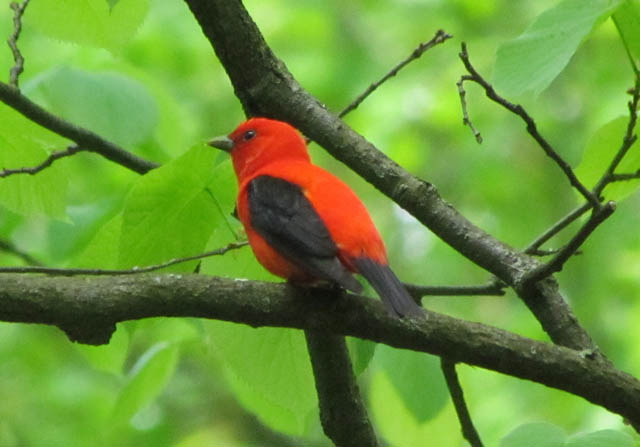
Male Scarlet Tanagers are among the most beautiful birds in the eastern U.S. forest in Summer, with blood-red bodies set off by jet-black wings and tail. They’re also one of the most frustratingly hard to find, as they stay high in the forest canopy singing their rich songs.

tanager_05_19 057

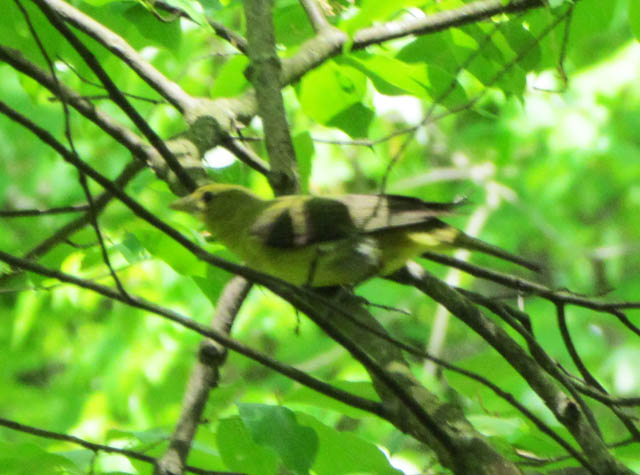
The yellowish-green, dark-winged females can be even harder to spot until you key in on this bird’s call note. In Fall, males trade red feathers for yellow-green and the birds take off for South America.

tanager_05_19 058

Insects are the primary food of the Scarlet Tanager. Most often the Scarlet Tanager moves slowly through tree tops searching for beetles and caterpillars; however they do feed on other insects as well – like bees, wasps and butterflies.

tanager_05_19 062

Breeding Scarlet Tanagers prefer large, mature forest tracts with large trees. They can easily be overlooked because of their unobtrusive behavior and preference for residing in the forest canopy. I’ve only seen a this bird once before and it was several years ago in West Virginia. I was pretty stoked to come across a pair of them this year in Brecksville Reservation.

Third Eye Herp
E-mail

Gambel’s Quail

quail_4908

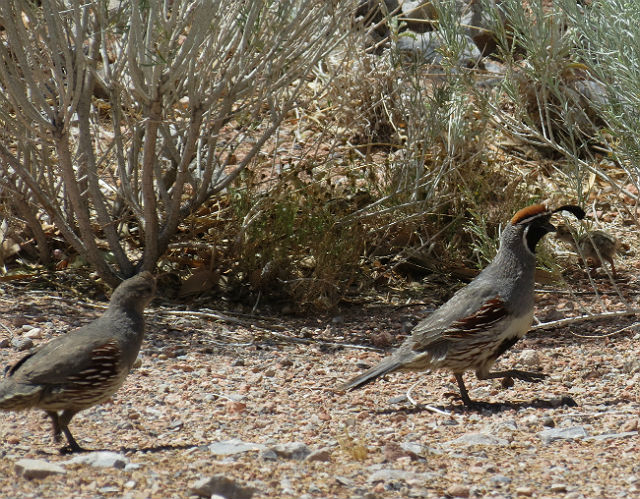
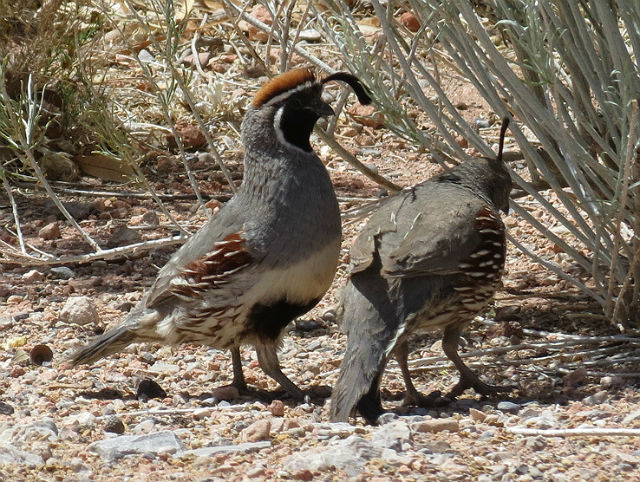
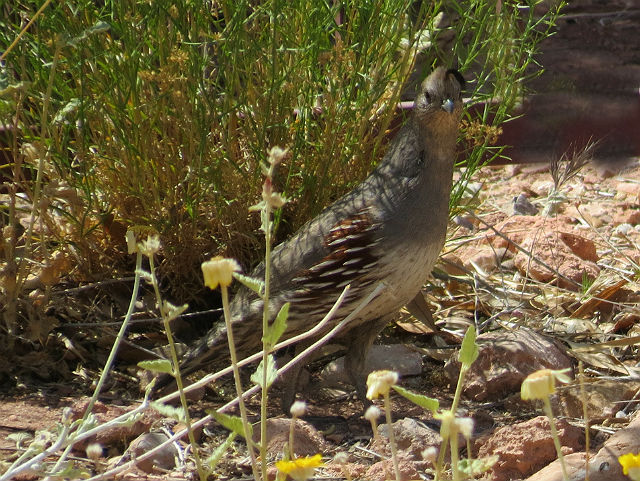
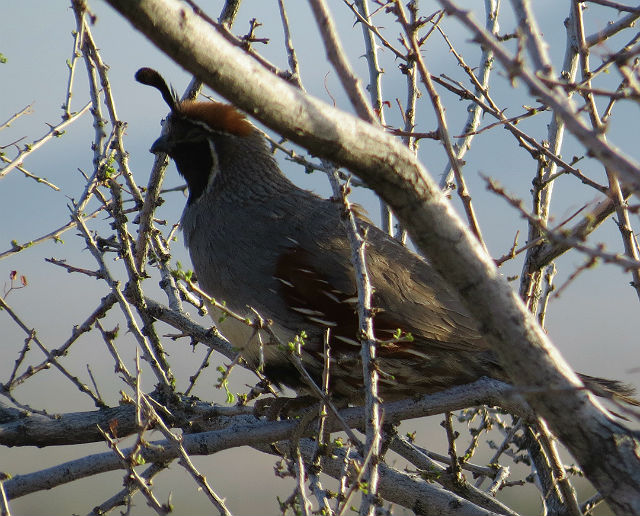
These are plump birds that tend to stay on the ground. Males and females are both are gray overall with brown sides that are streaked with white, and both sport a black plume feather on the forehead that bends forward. Males have a black face outlined in white and a red cap. Females have a gray head and face.

quail_4869

The Gambel’s quail is named in honor of William Gambel, a 19th-century naturalist and explorer of the Southwestern United States.

quail_4870

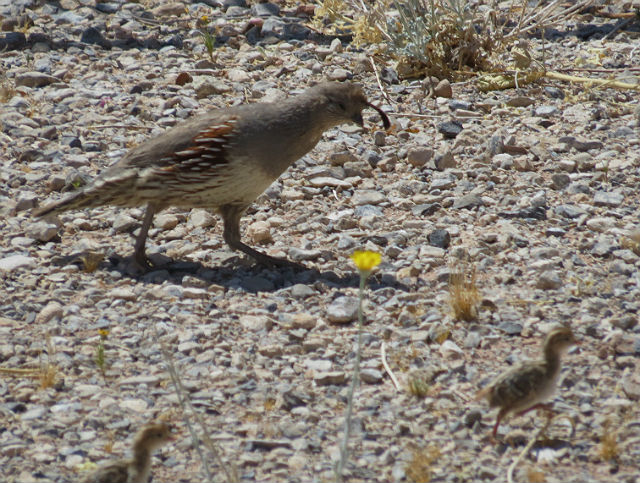
These birds mainly move about by walking and can move surprisingly fast through brush and undergrowth. They are a non-migratory species and are rarely seen in flight.

quail_4873

Desert mountain foothills, mesquite springs, plains with diverse vegetation and any area of the desert receiving slightly more rainfall than surrounding parts, are all home to these birds.

quail_5014

Most of the Gambel’s Quail diet is in the form of plants. Various types of seeds and leaves are eaten throughout the year. During certain times of year fruits and berries from cacti are eaten. A few insects are eaten during the nesting season in spring and early summer.

quail_4862

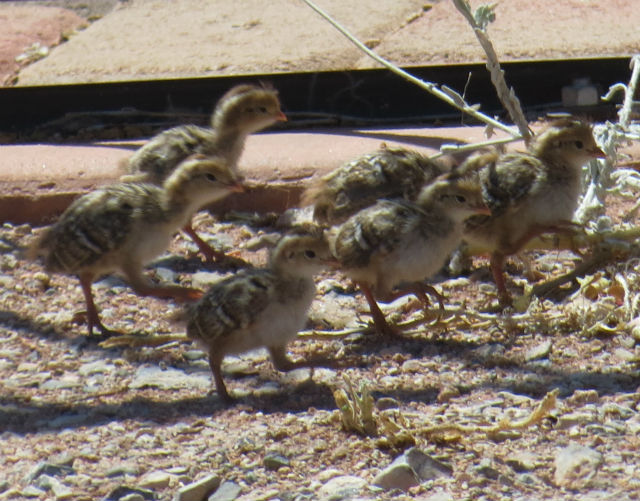
This week I’ve seen a few pairs of Gambel’s Quail walking around the desert with their brood of chicks. Young quail are capable of running around and feeding soon after hatching. They are fun to watch as parents and offspring frequently communicate back and forth with each other.

quail_4863

Third Eye Herp
E-mail